
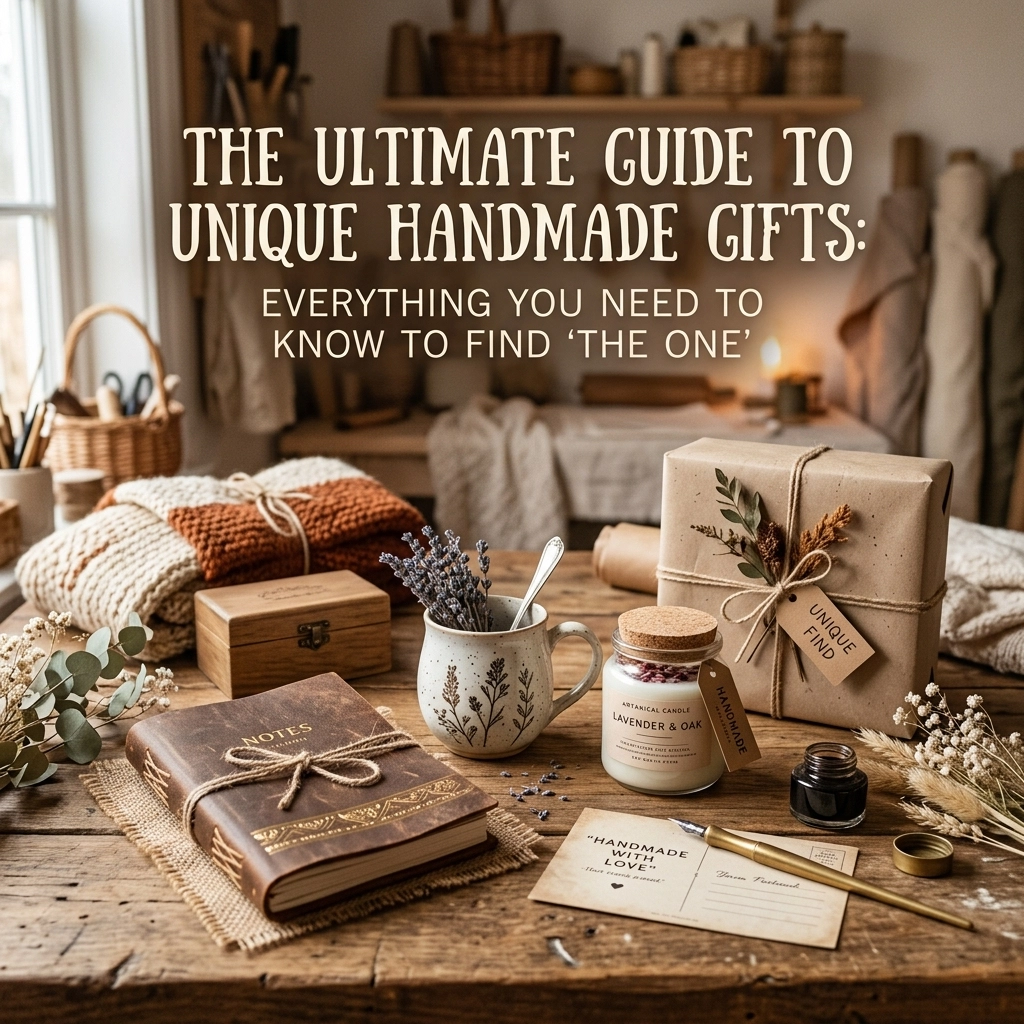

The Sociological Significance of Handcrafted Artifacts
In the contemporary landscape of global commerce, the acquisition and distribution of handcrafted artifacts represent a significant departure from the prevailing paradigms of mass production. To understand the "unique handmade gift," one must first examine the inherent value located within the intersection of intentionality, artisan craftsmanship, and the temporal investment of the creator. A handmade gift is not merely a physical object; it is a manifestation of a deliberate allocation of cognitive and temporal resources toward the creation of a specific, tangible entity. This entity, often referred to as a handcrafted good, serves as a vessel for the creator’s labor: a labor that is frequently absent in the automated sequences of factory-based manufacturing.
The significance of these items lies in their deviation from uniformity. While mass-produced items strive for a state of identical replication, the artisan piece embraces the subtle variations that arise from manual manipulation. It is this very lack of absolute symmetry or mechanical perfection that signals the presence of the human hand. For those seeking to integrate such items into their living environments, understanding this distinction is paramount. For further exploration of these concepts, one might consider why everyone is talking about artisan craftsmanship.
Classifying Handmade Gifts: A Technical Overview
When embarking upon the pursuit of the "ideal" gift, it is necessary to categorize the vast array of available artisan goods into a structured taxonomy. This taxonomy allows the prospective purchaser or creator to navigate the marketplace with a greater degree of analytical precision. Handmade gifts can be broadly classified by their material composition, their functional utility, and the specific artisanal techniques employed during their fabrication.
The selection of a gift is a process that requires a comprehensive understanding of the recipient's preferences and the gift's intended environment. When one selects a gift, one is essentially selecting a narrative; the gift tells a story about the maker, the giver, and the recipient. This tripartite narrative is what elevates the handcrafted item above the standard commodity. Finding "the one" involves a rigorous evaluation of how the object's physical properties align with the recipient's lifestyle and aesthetic sensibilities.

Textile Fabrication and Fiber Arts: The Nuances of Soft Goods
The domain of textile and fiber arts represents a significant sector of the handcrafted market. This category encompasses a diverse range of items produced through methods such as sewing, knitting, crocheting, and weaving. The technical proficiency required for these tasks varies considerably, ranging from the fundamental execution of a straight seam to the complex topographical patterns of advanced knitwear.
Items such as zippered pouches, infinity scarves, and handcrafted fleece blankets serve as primary examples of functional textile gifts. The zippered pouch, for instance, is a quintessential utilitarian object that provides organizational utility while showcasing the artisan's choice of fabric and hardware. Similarly, the construction of a 10-minute infinity scarf demonstrates that the value of a handmade item is not always derived from the duration of its creation, but rather from the intentionality behind the material selection and the simplicity of its design. For those interested in the broader applications of such items in the home, a study of how to create a vintage modern home may provide additional context.
Chromatic Composition and Visual Media: Art as a Tangible Narrative
Beyond the realm of functional textiles lies the sphere of visual media, where the emphasis shifts toward aesthetic communication and decorative presence. Watercolor projects, for example, offer a medium through which artisans can explore the fluidity of pigment and the texture of specialized paper. Moon cycle bookmarks, mountain landscape paintings, and bespoke holiday cards are representative of this category. These items serve a dual purpose: they are both functional tools and miniature works of art.
Embroidery hoop art represents another significant subcategory within visual media. This technique involves the application of various stitches: such as French knots, cross-stitches, and the integration of metallic threads or sequins: onto a fabric substrate held taut by a wooden or plastic hoop. The result is a highly tactile and visually dense object that can be utilized as wall decor. Such pieces are often prized for their detail and the high degree of manual dexterity required for their completion. These artifacts contribute significantly to curating a home that tells your story.
Functional Domesticity: Culinary and Organizational Crafts
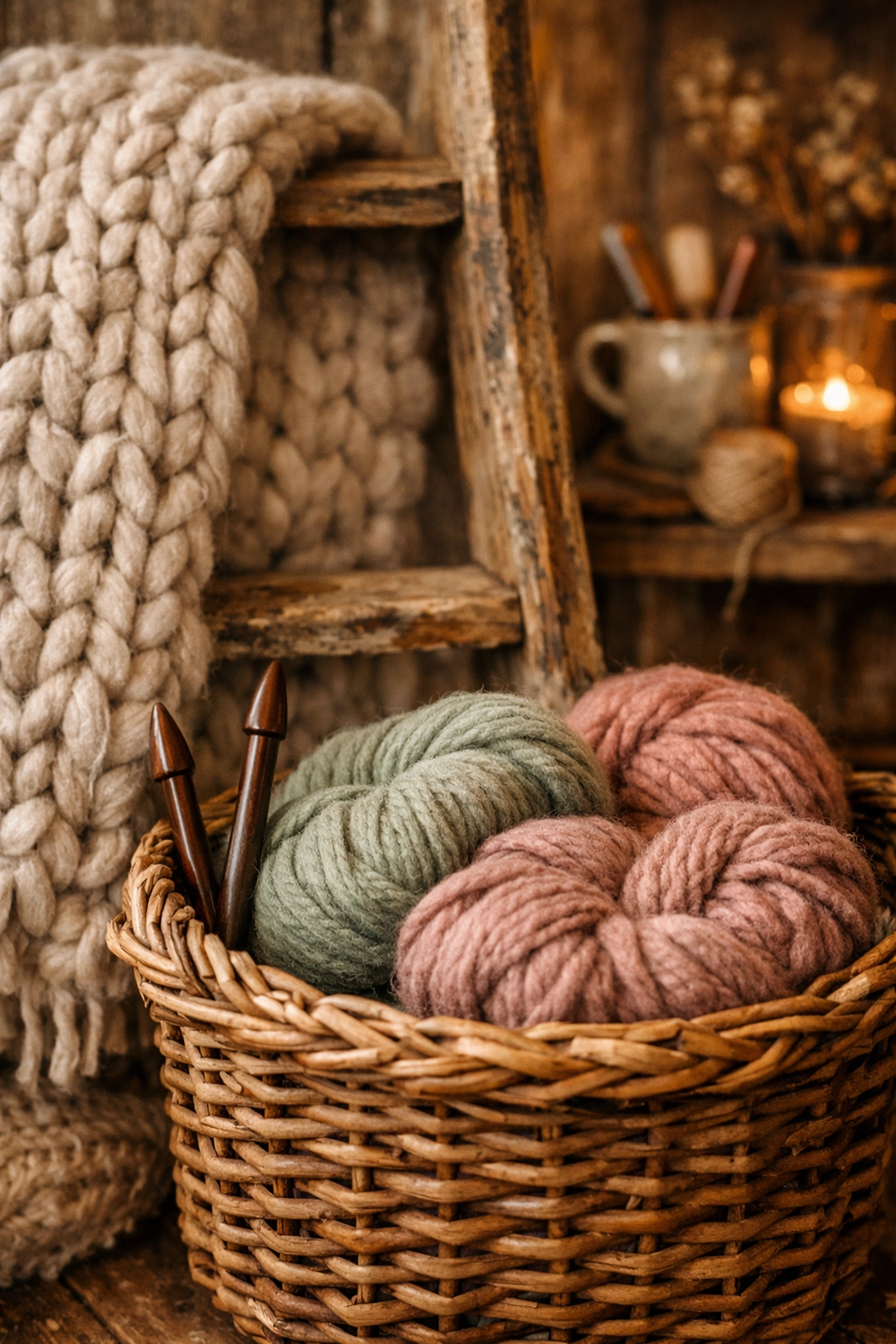
The application of artisan techniques to the domestic sphere results in gifts that enhance the utility of the home environment. In the kitchen, handcrafted items such as hand-sewn tea towels, crocheted pot holders, and artisanal spice mixes represent a synthesis of utility and aesthetic appeal. The tea towel, a staple of the culinary space, becomes a canvas for techniques such as potato stamping or intricate embroidery.
Furthermore, the production of homemade consumables, including sourdough bread and curated recipe books, extends the concept of the "handmade" into the realm of the ephemeral. These gifts are experiential; they are intended to be consumed or utilized in the daily rituals of food preparation. In a similar vein, the creation of spa-inspired goods: such as ginger and coconut oil sugar body scrubs or lotion bars: addresses the recipient's need for personal care and wellness. These items are often formulated with a focus on natural ingredients and ethical sourcing, reflecting a broader commitment to sustainable consumption.
The Materiality of the Natural World: Wood and Stone Implementations
The use of raw, natural materials such as wood, stone, and clay provides a direct connection to the physical environment. Keychains fabricated from sanded tree branches or perforated river rocks are examples of how natural elements can be repurposed into functional accessories through minimal but precise intervention. Woodworking, even at a basic level, allows for the creation of durable artifacts like whittled wooden hearts or memory jars with custom-fitted lids.
Ceramic and terracotta projects, particularly personalized plant pots, offer an exploration of form and surface decoration. Through the application of acrylic paints in geometric or floral patterns, a standard vessel is transformed into a unique horticultural accessory. This transformation is central to the appeal of one-of-a-kind artisan pieces. The tactile nature of clay and the permanence of wood ensure that these gifts remain functional components of the recipient's environment for extended periods.
Pedagogical and Recreational Gifts for Minors
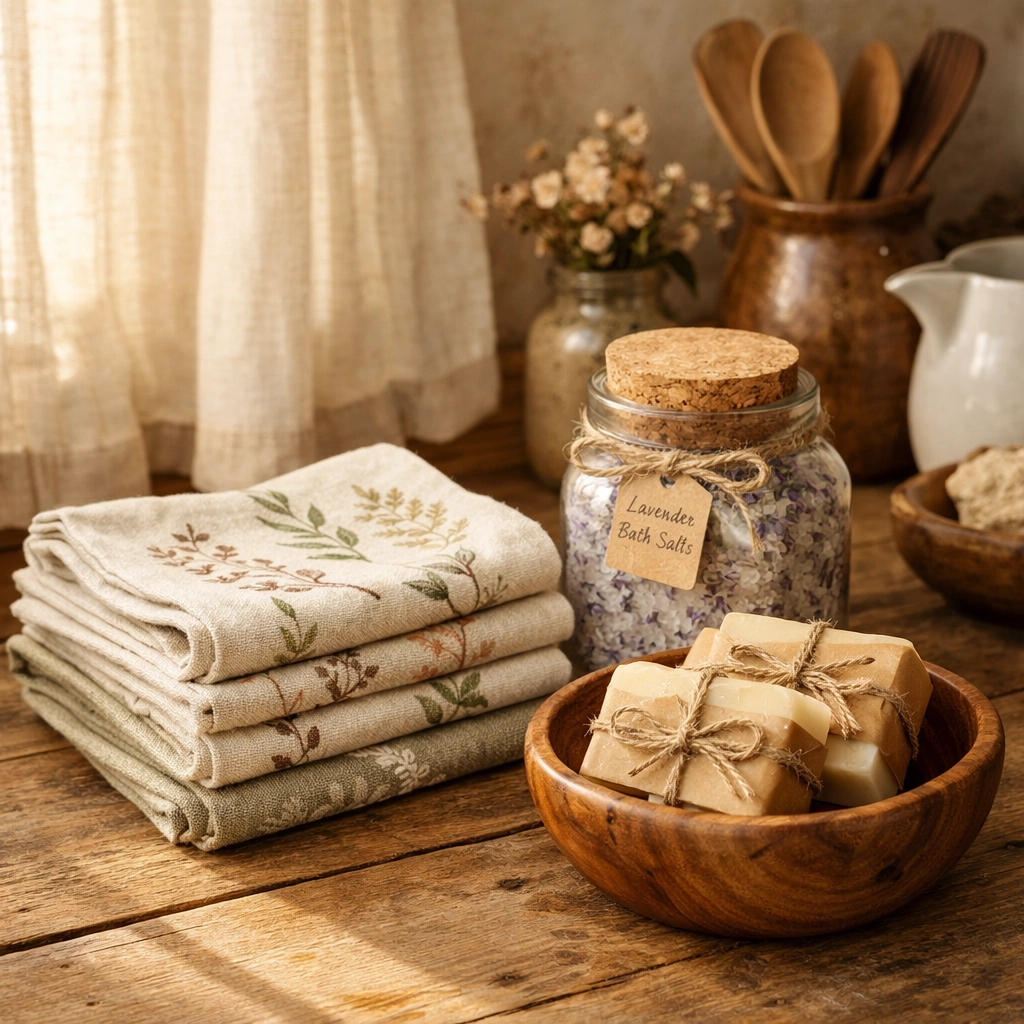
The development of handmade gifts for children requires a specific consideration of developmental stages and safety standards. Handmade toys: such as bendy snakes, cloth blocks containing internal bells, and flower fairy peg dolls: are designed to stimulate sensory engagement and imaginative play. These objects often utilize natural fibers and non-toxic finishes, providing a safer alternative to mass-produced plastic toys.
For older children, the focus often shifts toward "do-it-yourself" kits or complex recreational items like paracord bracelets or dart belts. These gifts encourage the development of fine motor skills and provide an introduction to the principles of construction and craftsmanship. By providing children with handcrafted items, one fosters an early appreciation for the value of manual labor and the importance of unique, non-standardized objects.
Strategic Selection: Navigating the Search for "The One"
The final stage in the pursuit of the ultimate handmade gift is the strategic alignment of the object with the recipient. This process necessitates a thorough analysis of the recipient's existing domestic ecosystem and personal predilections. For the bibliophile, a watercolor bookmark or a custom-embroidered book cover is appropriate. For the individual focused on home organization, a series of tiered zippered pouches or a bespoke car organization system may be the most efficacious choice.
One must also consider the potential for "mistakes" in the selection of handmade decor. It is important to avoid common pitfalls, such as choosing items that clash with the recipient's existing color palette or selecting objects that require excessive maintenance. For a detailed analysis of these common errors, one may refer to 7 mistakes you’re making with handmade home decor. Ultimately, the goal is to find an item that possesses both structural integrity and emotional resonance.
Conclusion: The Enduring Value of the Artisan Perspective
In conclusion, the search for the "unique handmade gift" is an exercise in discerning value in an age of ubiquity. By prioritizing artisan craftsmanship, one supports the continuation of traditional skills and promotes a more intentional approach to consumption. Whether one is shopping at local boutiques or engaging in the creative process personally, the result is a deeper connection between the giver, the receiver, and the object itself. The ultimate handmade gift is "the one" that successfully bridges the gap between functional utility and human expression, serving as a lasting testament to the importance of the handcrafted world.
"- Michael Newcomb, Owner of Copper & Hazel Boutique"
🔖Tags: #HandmadeGifts #ArtisanCraftsmanship #HomeDecor #UniqueGifts #CopperAndHazel #HandcraftedQuality
Leave a Reply
Your email address will not be published. Required fields are marked *
**Comment ***
[ ]
**Name ***
[ ]
**Email ***
[ ]
Website
[ ]
[Post Comment]