
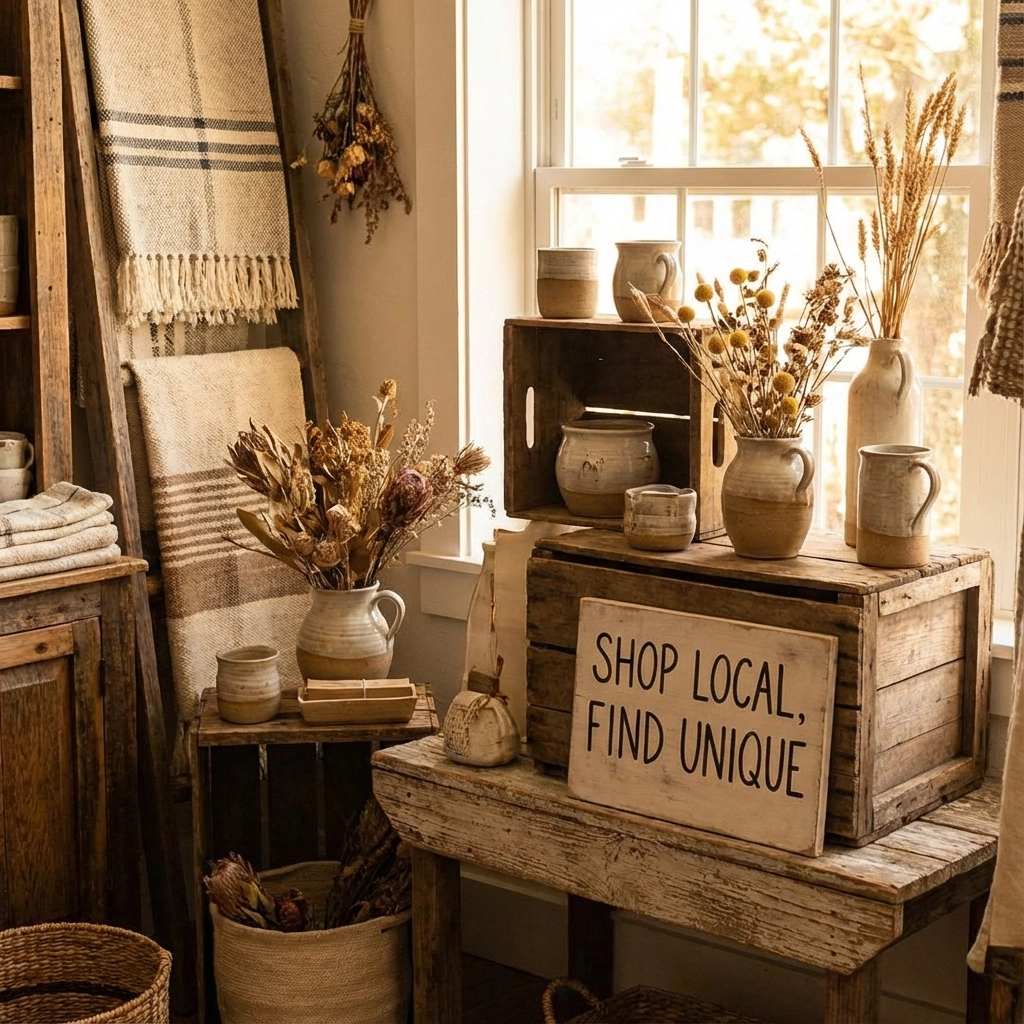

The contemporary consumer landscape presents an abundance of choices when it comes to home decoration, yet the discerning homeowner increasingly seeks alternatives to mass-produced merchandise that dominates mainstream retail establishments. Local boutiques specializing in handcrafted gifts and décor represent a paradigm shift toward personalized, artisan-created pieces that embody both aesthetic appeal and cultural significance. Understanding the nuances of boutique shopping requires comprehensive knowledge of industry practices, artisan methodologies, and consumer considerations that distinguish this retail experience from conventional purchasing patterns.
Understanding the Unique Value Proposition of Artisan-Created Merchandise
Local boutiques function as curated galleries where independent artisans and craftspeople showcase one-of-a-kind creations that cannot be replicated through industrial manufacturing processes. These establishments serve as intermediaries between skilled makers and consumers seeking distinctive pieces that reflect individual taste preferences and aesthetic sensibilities. The fundamental distinction lies in the exclusivity factor: each handcrafted item represents a singular manifestation of artistic vision, technical skill, and creative interpretation that cannot be mass-reproduced through automated manufacturing systems.
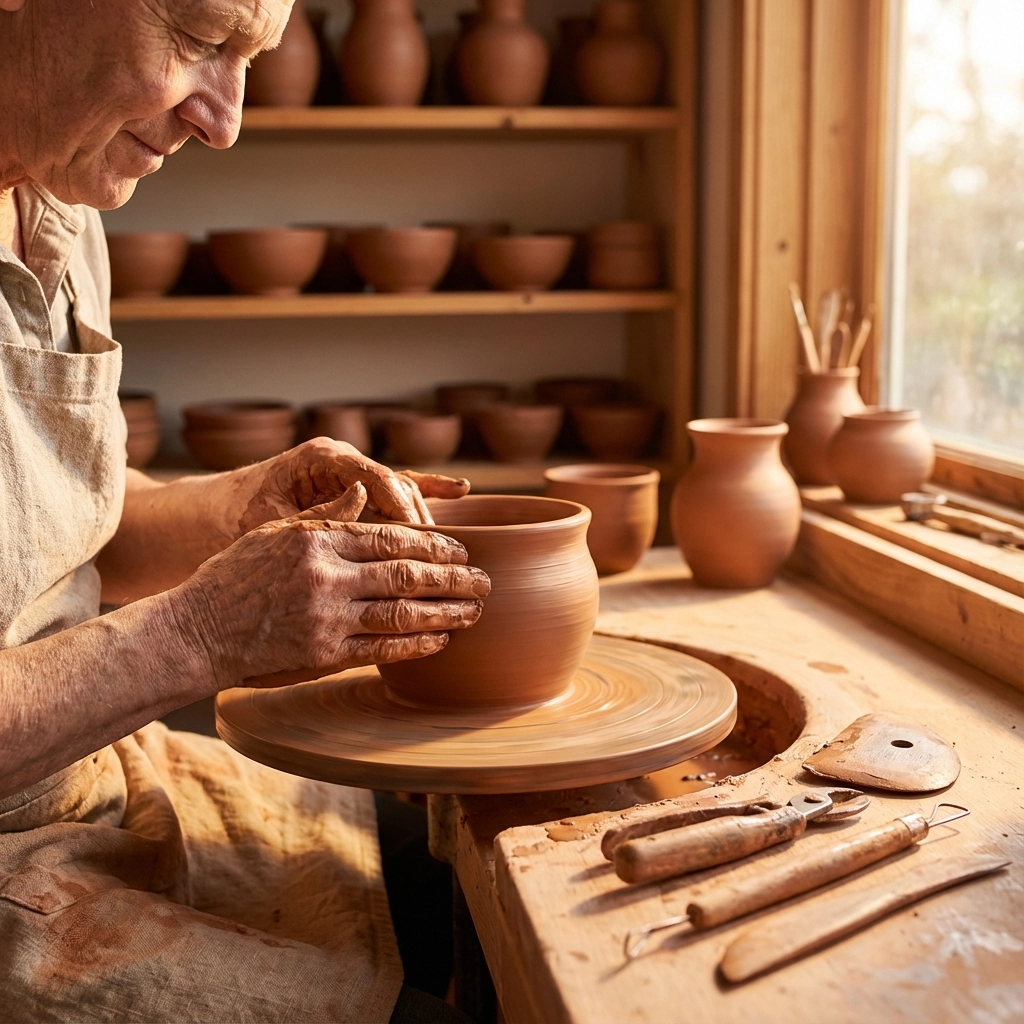
The artisan creation process involves deliberate material selection, traditional crafting techniques, and personal artistic expression that results in pieces possessing inherent uniqueness and character variations. This approach contrasts sharply with standardized production methods employed by large-scale manufacturers, where consistency and uniformity take precedence over individual artistic expression and customization possibilities.

Prioritizing Quality and Craftsmanship Over Quantity Considerations
The fundamental principle governing successful boutique shopping involves shifting focus from quantity-based acquisition patterns toward quality-centric investment strategies. Artisan-created pieces typically demonstrate superior construction methodologies, premium material utilization, and enhanced durability characteristics that justify higher initial investment costs through extended product lifecycles and maintained aesthetic appeal over time.
Quality assessment requires examination of construction techniques, material composition, finishing processes, and overall design integrity. Handcrafted items often incorporate traditional joinery methods, natural material compositions, and hand-applied finishes that demonstrate artisan expertise and attention to detail. These quality indicators translate into functional longevity and aesthetic durability that surpass mass-produced alternatives in both performance characteristics and visual appeal retention.
The investment approach to boutique shopping recognizes that acquiring fewer, higher-quality pieces creates more substantial long-term value than purchasing numerous lower-quality items that require frequent replacement due to deterioration or design obsolescence. This methodology aligns with sustainable consumption practices and supports artisan communities through fair compensation for skilled craftsmanship.
Material Composition and Artisan Process Understanding
Comprehensive knowledge of material properties and artisan methodologies enhances purchasing decisions and enables informed investment choices that align with personal values and aesthetic preferences. Natural materials such as solid wood, hand-forged metals, organic textiles, and traditional ceramics offer distinct advantages in terms of environmental impact, aesthetic aging characteristics, and tactile appeal that synthetic alternatives cannot replicate.
Understanding the maker's process provides valuable insight into product quality, artistic inspiration, and cultural significance embedded within each piece. Many artisans incorporate regional traditions, sustainable harvesting practices, and time-honored techniques that add layers of meaning and authenticity to their creations. This knowledge enhances appreciation for the craftsmanship involved and justifies investment in pieces that represent cultural preservation and artistic continuity.
Material transparency also enables assessment of environmental impact, durability expectations, and maintenance requirements that influence long-term satisfaction with purchased items. Natural materials typically develop attractive patina over time, while synthetic alternatives may show wear patterns that detract from aesthetic appeal and reduce functional lifespan.
Customization Opportunities and Personalized Design Solutions
Local boutiques frequently offer customization services that enable consumers to commission personalized pieces tailored to specific spatial requirements, color preferences, and functional needs. This collaborative approach between artisan and consumer results in unique solutions that address individual design challenges while incorporating personal aesthetic preferences and meaningful symbolic elements.
Customization possibilities range from minor modifications to existing designs through complete commissioned pieces created according to detailed specifications. The collaborative process typically involves initial consultations, design development phases, material selection discussions, and progress reviews that ensure final products meet or exceed expectations while maintaining artisan artistic integrity.
The personalization aspect extends beyond mere aesthetic modifications to include incorporation of meaningful elements such as family symbols, regional references, or personal narratives that transform functional objects into cherished heirlooms with emotional significance and cultural relevance.

Strategic Mixing of Vintage and Contemporary Elements
Creating sophisticated interior environments requires strategic integration of vintage pieces with contemporary artisan creations to achieve balanced aesthetics that demonstrate design sophistication and personal curation skills. This approach involves understanding historical design periods, identifying complementary color palettes, and recognizing proportional relationships that create harmonious compositions without overwhelming spatial dimensions or compromising functional requirements.
The eclectic design methodology celebrates diversity while maintaining visual coherence through careful attention to material relationships, scale considerations, and stylistic connections that unite disparate elements into cohesive environmental narratives. Successful implementation requires developing aesthetic sensitivity and understanding design principles that govern successful element combinations.
Vintage incorporation also provides cost-effective solutions for achieving sophisticated aesthetics while supporting sustainable consumption practices through repurposing existing materials and preserving cultural artifacts that represent historical design traditions and craftsmanship methodologies.
Relationship Building with Boutique Owners and Artisan Communities
Establishing ongoing relationships with boutique proprietors and featured artisans creates access to exclusive opportunities, advance notifications regarding new collections, and priority consideration for limited-edition pieces or commissioned work. These professional relationships often result in enhanced customer service experiences, personalized recommendations, and educational opportunities that deepen appreciation for artisan processes and design principles.
Long-term customers frequently receive preferential treatment regarding special orders, seasonal collections, and exclusive events that provide early access to new merchandise before public availability. This relationship-based approach creates mutual benefits through customer loyalty and sustained support for local artisan communities.
The educational component of these relationships enhances purchasing decisions through increased understanding of artisan backgrounds, cultural influences, and technical methodologies that inform creative processes and influence final product characteristics.
Sustainable Material Practices and Environmental Considerations
Contemporary consumers increasingly prioritize environmental responsibility when making purchasing decisions, and local boutiques often emphasize sustainable material sourcing, traditional crafting techniques, and environmentally conscious production methods that align with these values. Natural materials such as reclaimed wood, organic textiles, and locally sourced stone offer reduced environmental impact while providing superior aesthetic characteristics and functional performance.
Sustainable practices extend beyond material selection to include artisan support systems, fair trade principles, and community development initiatives that create positive social impact while maintaining high quality standards and artistic integrity. Understanding these broader implications enhances purchasing satisfaction and aligns consumer choices with personal values regarding environmental stewardship and social responsibility.
Spatial Planning and Measurement Considerations
Successful boutique shopping requires advance preparation through accurate spatial measurements, style preference clarification, and budget establishment that guides purchasing decisions and prevents costly mistakes or unsuitable acquisitions. Understanding dimensional requirements, scale relationships, and functional needs enables focused shopping experiences that maximize time efficiency and investment effectiveness.
Preparation also involves identifying specific design challenges, color palette preferences, and style direction that inform discussions with boutique staff and artisans regarding suitable solutions and available options. This methodical approach ensures purchases contribute meaningfully to overall design objectives rather than creating isolated acquisitions that lack integration potential.
Supporting Artisan Communities and Cultural Preservation
Purchasing from local boutiques directly supports artisan communities, traditional crafting techniques, and cultural preservation efforts that maintain important artistic traditions and provide sustainable livelihoods for skilled craftspeople. This support system creates positive economic impact within local communities while encouraging continuation of traditional techniques and artistic innovation.
The cultural preservation aspect extends beyond economic considerations to include documentation of traditional methods, mentorship of emerging artisans, and maintenance of regional artistic identities that contribute to cultural diversity and artistic heritage preservation for future generations.
Selective Purchasing Based on Authentic Personal Connection
The most successful boutique shopping experiences result from purchasing only items that create genuine emotional connections and align with personal aesthetic preferences rather than succumbing to impulse buying or social pressure regarding current design trends. This selective approach ensures acquisitions contribute meaningfully to personal environments while avoiding clutter accumulation or regrettable purchases that fail to provide long-term satisfaction.
Authentic connection often involves immediate recognition of aesthetic appeal, functional suitability, and emotional resonance that indicates compatibility with existing possessions and personal style preferences. Trusting these instinctive responses while conducting rational evaluation of practical considerations creates balanced decision-making that results in satisfying acquisitions and cohesive environmental development.
🔖Tags: home decor, handcrafted gifts, artisan crafts, boutique shopping, unique decor, local artisans, sustainable design, custom home accessories
Comments Section
Name (required):
Email (required):
Comment: