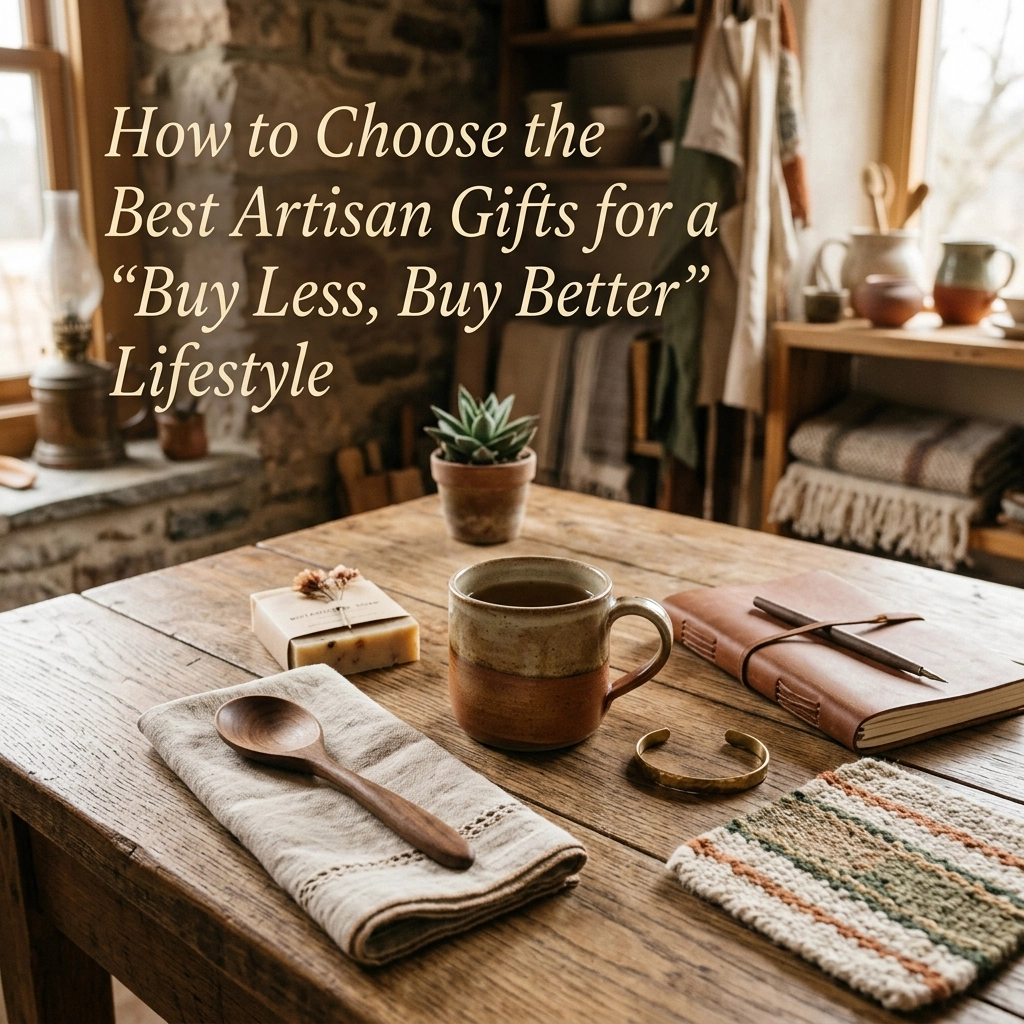

The Philosophical Foundations of Mindful Consumption
The contemporary consumer landscape is increasingly characterized by a shift toward the "Buy Less, Buy Better" philosophy, a paradigm that prioritizes the acquisition of high-quality, durable goods over the rapid accumulation of low-cost, disposable items. This movement, often referred to as slow consumption or intentional living, seeks to mitigate the environmental and social externalities associated with mass production. At the heart of this transition lies the artisan gift: a product defined by its handcrafted nature, its unique provenance, and its inherent longevity. To choose the best artisan gifts within this framework, one must understand that the value of an object is not merely its utility, but the synthesis of its material integrity and the skill of its maker.
By choosing to buy less, the individual acknowledges that quality is a superior metric to quantity. When one buys better, one is making a deliberate investment in the structural and aesthetic permanence of an object. This intentionality is particularly relevant when selecting gifts, as the act of giving is transformed from a transactional exchange of commodities into a meaningful gesture of shared values. The selection of a handcrafted item, such as those found at Copper & Hazel Boutique, serves as a testament to the rejection of the "throwaway culture" that has dominated the retail sector for decades.
The Materiality and Structural Integrity of Handcrafted Goods
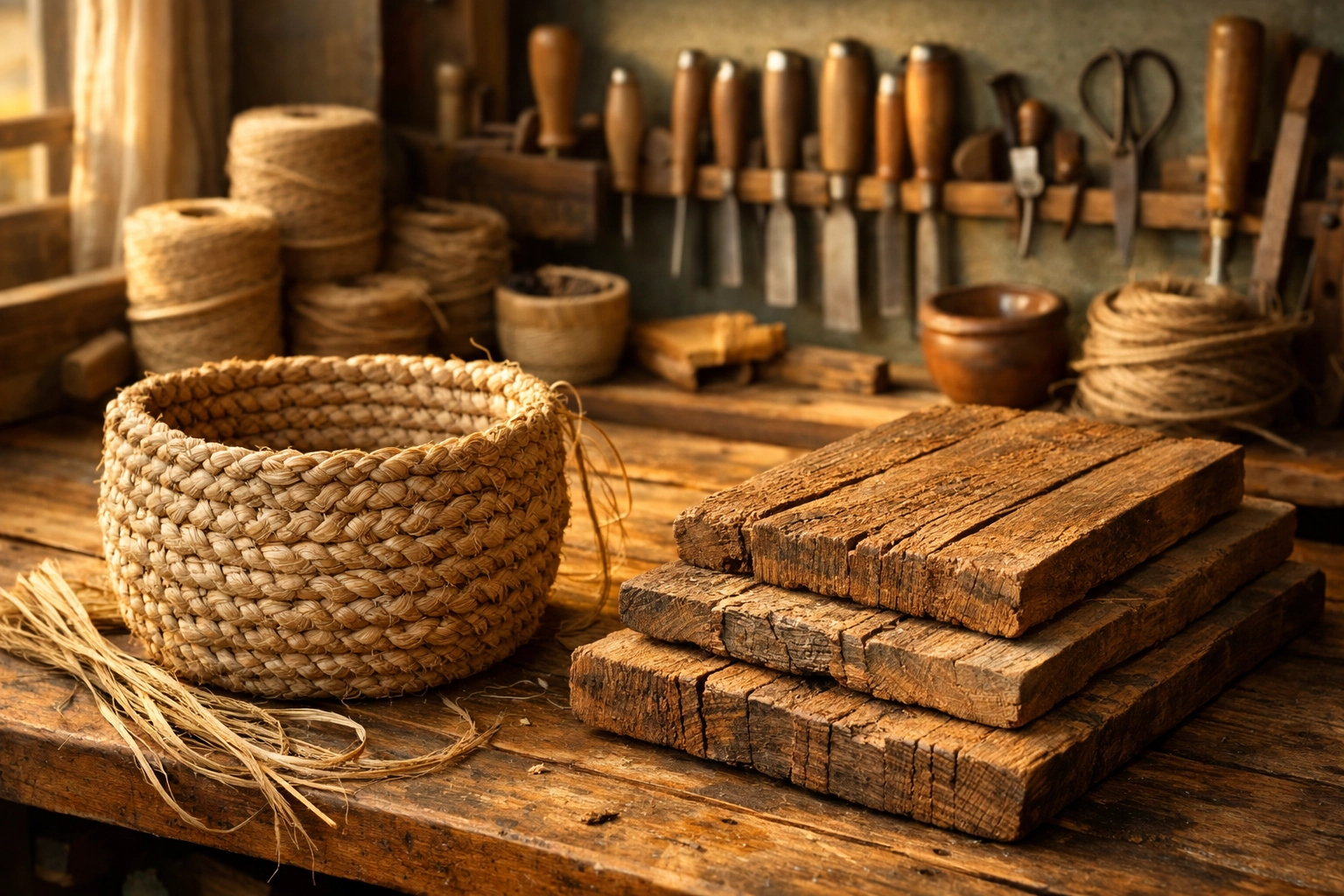
A primary criterion for selecting an artisan gift is the evaluation of its material composition. Unlike mass-produced items, which often utilize synthetic polymers and composite materials designed for limited lifespans, artisan products typically leverage natural, high-grade materials. The durability of an item is intrinsically linked to the quality of its components. For instance, when considering home decor, one might examine the Green Basket Small or the Green Basket Large. These items are not merely functional containers; they are examples of how natural materials, when woven with precision, create a product that can withstand the rigors of time and utility.
The concept of structural integrity refers to the ability of an object to maintain its form and function under the conditions of its intended use. In the realm of artisan gifts, this integrity is achieved through heritage techniques that have been refined over generations. Whether it is a Flower Wall Hanging or a meticulously rendered Cow Painting, the hand of the artist ensures a level of detail and robustness that automated assembly lines cannot replicate. To buy better is to seek out these markers of craftsmanship, recognizing that the human element provides a safeguard against the premature degradation common in industrial manufacturing.
Socio-Economic Efficacy and the Support of Local Communities
Choosing artisan gifts is an act of socio-economic significance. When a consumer selects a product from a specialized boutique, they are facilitating a direct transfer of value to the creator. This supports the economic viability of local artisans and small-scale makers, ensuring that traditional skills remain relevant in a globalized economy. The impact of such a purchase is far-reaching; it fosters community resilience and promotes ethical labor practices. As noted by the experts at Copper & Hazel Boutique, supporting independent makers is essential for maintaining a diverse and vibrant marketplace.
"The procurement of artisanal goods is not merely a purchase; it is a vote for the kind of world we wish to inhabit: one where human skill and local heritage are valued over corporate efficiency." - John
Furthermore, the transparency of the artisan supply chain allows for a more ethical consumption experience. When you choose a gift like the She Works Hard for the Honey sign or the Bee Tin Sign, you are often engaging with a product whose origins are traceable and whose production methods are visible. This visibility is a cornerstone of the "Buy Less, Buy Better" lifestyle, as it allows the consumer to verify that their purchase aligns with their personal ethics and social responsibilities.
The Aesthetic Longevity of Intentional Decor
Aesthetic longevity refers to the capacity of an object to remain visually relevant and pleasing across changing trends. Artisan gifts are uniquely positioned to offer this longevity because they are frequently designed with a timeless sensibility rather than a fleeting fashion. The Family Recipe board, for example, represents an intersection of utility and sentimentality that transcends seasonal decor cycles. Because these items are produced in small quantities, they possess an originality that prevents them from becoming "dated" in the way that mass-market trends often do.
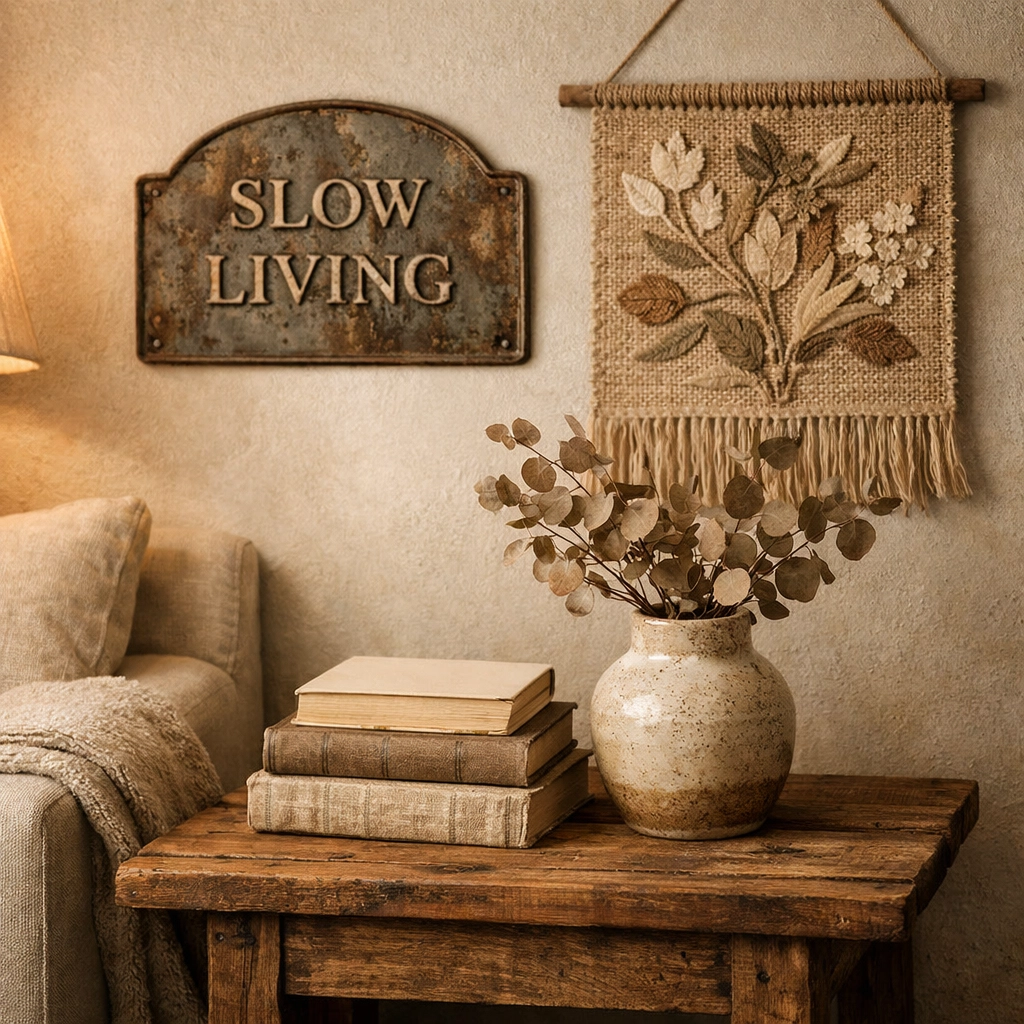
To achieve a "Buy Less, Buy Better" lifestyle, one must curate an environment filled with objects that provoke a lasting emotional resonance. A Set of Three Books used as a decorative element or a Chicken Tin sign provides a rustic authenticity that grounds a space. These items do not need to be replaced frequently because their value is intrinsic to their design and the story they tell. By selecting decor that possesses aesthetic longevity, the consumer reduces the need for constant replenishment, thereby adhering to the principle of buying less by ensuring that what they do buy is of enduring quality.
Psychological Factors in Artisan Gift Selection
The psychological impact of gifting an artisan item should not be underestimated. There is a profound difference between receiving a mass-produced commodity and receiving a handcrafted piece like the Anti-Social Butterfly product. The latter carries with it the narrative of its creation: the time, the effort, and the specific intent of the artisan. This narrative creates a deeper connection between the giver, the recipient, and the object itself.
When we buy better, we are often looking for items that reflect the personality and values of the recipient. The uniqueness of a Small Chicken Tin Sign ensures that the gift is not a generic offering, but a thoughtful selection. This level of personalization is a key component of the "Buy Less, Buy Better" philosophy, as it encourages the recipient to cherish and maintain the gift for a lifetime, rather than viewing it as a temporary possession. The psychological satisfaction derived from owning an original work of art or craft contributes significantly to the overall reduction in consumption, as one finds more fulfillment in fewer, more meaningful items.
A Framework for Discerning Quality in Artisan Markets
To successfully navigate the world of artisan gifts, the discerning consumer should employ a systematic framework for evaluation. This framework involves several key questions that help distinguish true craftsmanship from mere novelty. First, one must ask: What are the materials used, and are they sustainable? Second: What is the level of skill required to produce this item? Third: Does this object serve a long-term purpose in the home or life of the recipient?
For those exploring Copper & Hazel Boutique's specialties, these questions become easy to answer. Whether it is a piece of dishware or a decorative wall hanging, the focus remains on the intersection of form and function. By applying a rigorous standard of quality, the consumer ensures that every purchase is a meaningful contribution to a "Buy Less, Buy Better" lifestyle. This disciplined approach to acquisition is necessary to counteract the impulse-driven nature of modern commerce.

Conclusion: The Cumulative Impact of Better Buying
In conclusion, the transition to a "Buy Less, Buy Better" lifestyle through the selection of artisan gifts is a multi-faceted endeavor that encompasses material quality, socio-economic ethics, aesthetic longevity, and psychological depth. By prioritizing the handcrafted over the mass-produced, the consumer is not only acquiring a superior product but is also participating in a broader movement toward sustainability and intentionality. The artisan gift, characterized by its uniqueness and durability, stands as a bulwark against the transient nature of modern consumerism.
Choosing to buy better means choosing to value the human hand, the natural material, and the enduring design. It is a commitment to quality that benefits the individual, the community, and the environment. As we move forward, the continued support of boutiques like Copper & Hazel Boutique remains a vital component of this philosophical shift. Through mindful selection and intentional gifting, we can collectively foster a culture where the objects we own are as meaningful as the lives we lead.
🔖Tags: #ArtisanGifts #SustainableLiving #BuyLessBuyBetter #HandcraftedDecor #CopperAndHazel #SlowLiving #QualityCraftsmanship #EthicalConsumption
Leave a Reply
Your email address will not be published. Required fields are marked *
**Comment ***
[ ]
**Name ***
[ ]
**Email ***
[ ]
Website
[ ]
[ Post Comment ]