
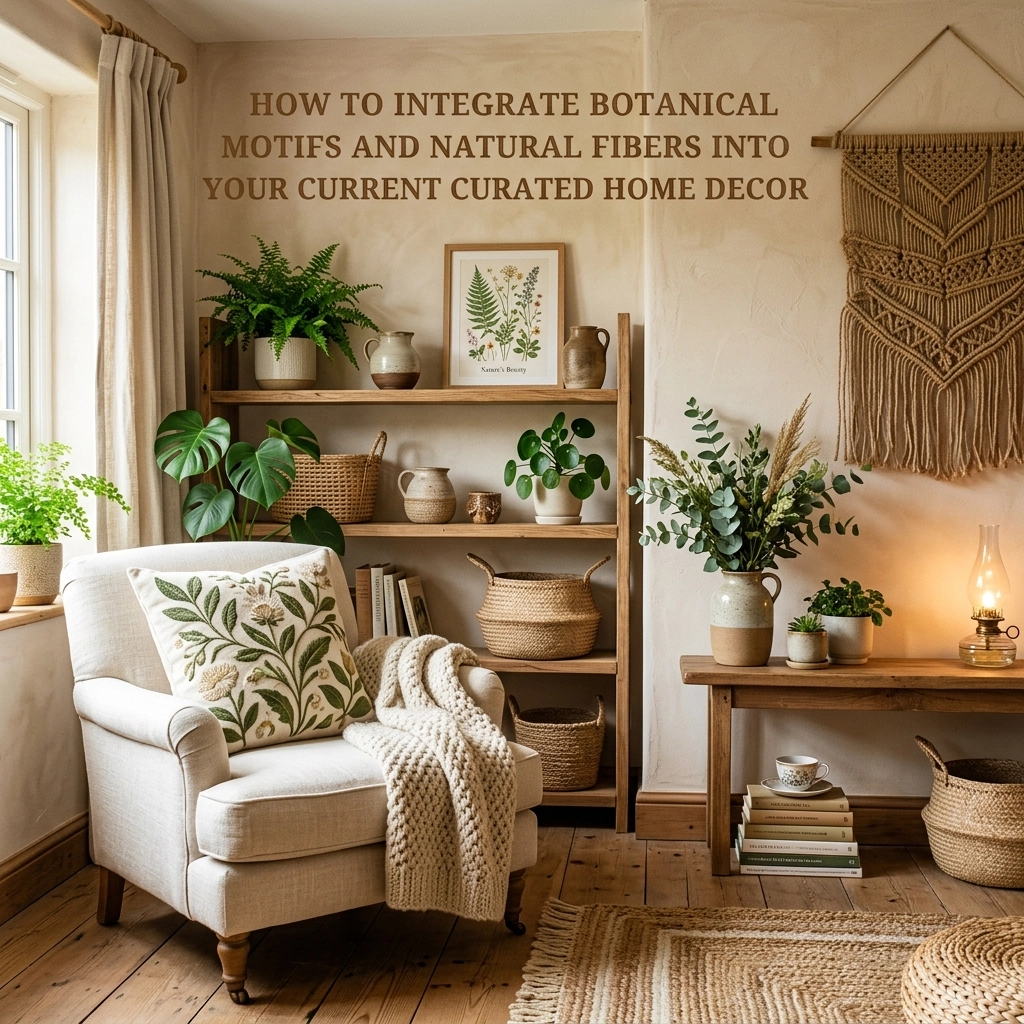

The Foundational Philosophy of Biophilic Interior Curation
The integration of botanical motifs and natural fibers into a pre-existing curated interior environment requires a sophisticated understanding of biophilic design principles (the inherent human tendency to seek connections with nature and other forms of life). To successfully integrate these elements, one must move beyond mere decoration and move toward a comprehensive synthesis of organic textures and flora-inspired aesthetics. The process of integration: specifically the integration of natural fibers alongside botanical motifs: serves to ground a space, providing a tactile and visual anchor that stabilizes the more ephemeral decorative components. When we speak of integration, we are referring to the deliberate placement of organic materials in a way that feels intentional rather than incidental.
In a curated home decor setting, the goal of integrating these specific elements is to create a cohesive environment where the boundary between the built environment and the natural world is blurred. This blurring is achieved through the repetitive use of natural fibers (such as jute, sisal, and hemp) and the strategic application of botanical patterns. The repetition of these fibers ensures that the integration of the botanical motifs remains grounded in a physical, material reality. Without the grounding presence of natural fibers, botanical motifs may appear disjointed or overly superficial within a curated space. Thus, the integration of natural fibers is essential for the successful integration of botanical motifs.
The Technical Efficacy of Natural Fiber Rugs as a Structural Anchor
The primary step in the systematic integration of organic elements involves the selection and placement of a foundational natural fiber rug. As researchers in interior composition have noted, the rug serves as the visual and tactile foundation upon which the rest of the room's elements are constructed. By selecting a rug composed of sisal, jute, hemp, or seagrass, the inhabitant establishes a material baseline that informs all subsequent design decisions. This baseline is critical because it dictates the textural language of the room.
Each specific fiber possesses unique characteristics that influence its performance and aesthetic contribution. Sisal, derived from the Agave sisalana plant, is renowned for its exceptional durability, making it an optimal choice for high-traffic thoroughfares within the domestic sphere. Conversely, jute, which is harvested from the Corchorus plant, offers a significantly softer hand-feel, making it more appropriate for environments where tactile comfort is prioritized, such as bedrooms or primary living areas. Hemp, known for its extreme tensile strength and ecological sustainability, provides a middle ground between the rigidity of sisal and the softness of jute.
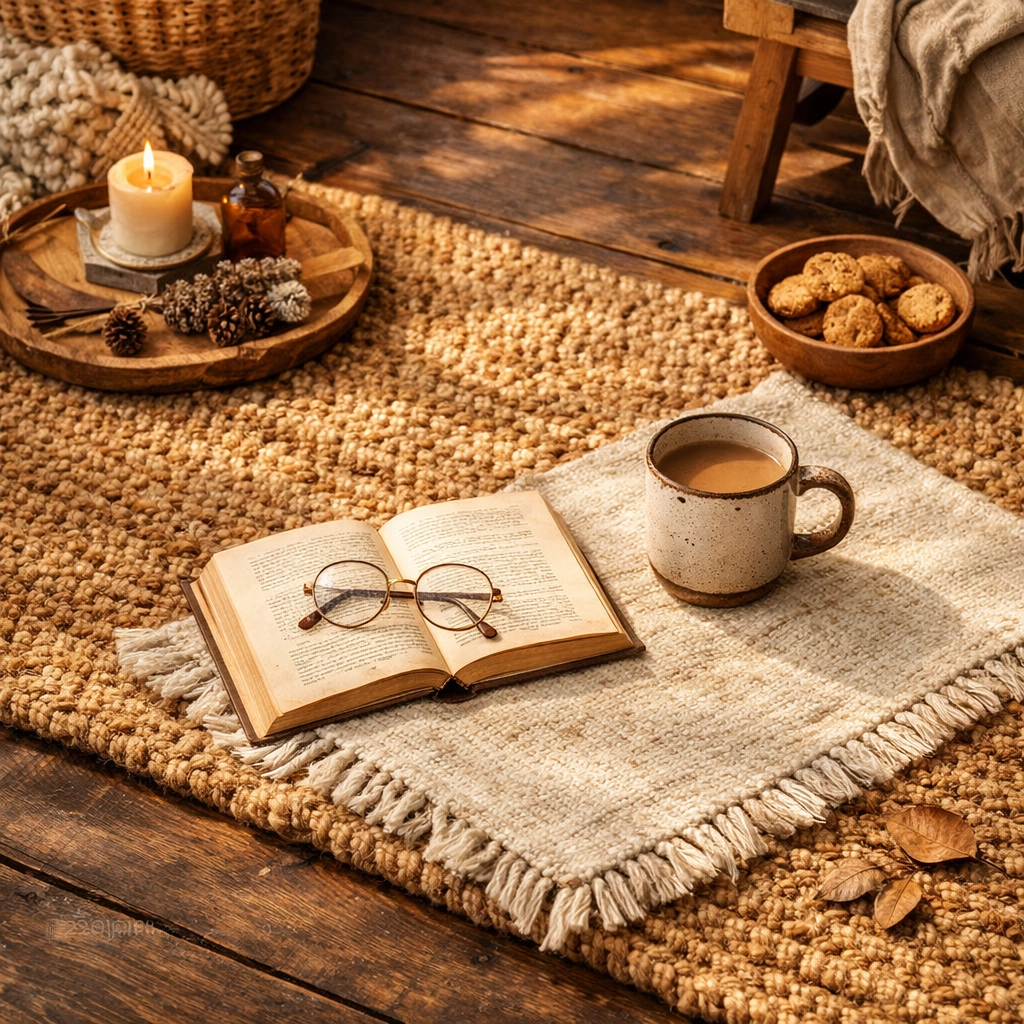
The tactile experience of interacting with these fibers (the physical sensation of walking upon them or touching them) creates a direct sensory connection to the natural world. This sensory connection is the fundamental objective of incorporating natural fibers into the home. When a natural fiber rug is used as an anchor, it allows for the layering of botanical motifs on top of it, creating a layered effect that enhances the overall curated aesthetic. As one might observe in a professional gallery setting, the foundation must be secure before the decorative layers can be applied.
Layering Botanical Textiles and Natural Soft Furnishings
Once the foundational fiber rug has been established, the focus shifts to the layering of botanical-patterned textiles. This stage of integration involves the introduction of curtains, upholstery, and throw pillows that feature motifs derived from plant life. The objective here is to add visual interest without overwhelming the existing curated decor. To maintain harmony, it is essential to select patterns that complement the pre-existing color palette of the room. This ensures that the botanical motifs do not clash with the established aesthetic but rather enhance it through a process of tonal alignment.
The integration of botanical patterns is further supported by the use of secondary natural fibers such as linen, wool, and cotton. These materials, being organic in origin, share a biological lineage with the botanical motifs themselves. Linen, produced from the fibers of the flax plant, possesses a characteristic slub and crispness that pairs elegantly with leafy prints. Wool offers a structural density and warmth that grounds more delicate floral patterns. Cotton, being versatile and breathable, provides a neutral medium through which complex botanical designs can be expressed.
- "The juxtaposition of a rugged jute foundation with the refined elegance of botanical-print linen creates a sophisticated dialectic between the raw and the refined." - John
By mixing and matching these patterns with plain, neutral fabrics, the curator can avoid the aesthetic pitfall of visual saturation. For more insights on avoiding common errors in this process, one may consult 7 mistakes you’re making with handcrafted home decor and how to fix them. The key to successful integration is the balance between the patterned botanical element and the solid, natural fiber element.
The Application of Botanical Wallcoverings and Art
Beyond the horizontal and soft-surface planes, the integration of nature-inspired elements must extend to the vertical surfaces of the environment. The use of botanical wallpaper: whether featuring bold leafy patterns, intricate vintage illustrations, or subtle grasscloth textures: adds a dimension of depth that cannot be achieved through textiles alone. An accent wall featuring botanical wallpaper serves as a focal point that draws the eye and reinforces the theme of natural integration.
Grasscloth wallpaper, specifically, represents a literal integration of natural fibers onto the walls. It is typically handcrafted from woven strands of sea grass, jute, or bamboo, offering a texture that is both visual and physical. This texture provides a sophisticated backdrop for other curated items, such as those found at Copper & Hazel Boutique. When a botanical print is placed against a grasscloth background, the two elements reinforce one another: the motif provides the image of nature, while the grasscloth provides the literal substance of nature.
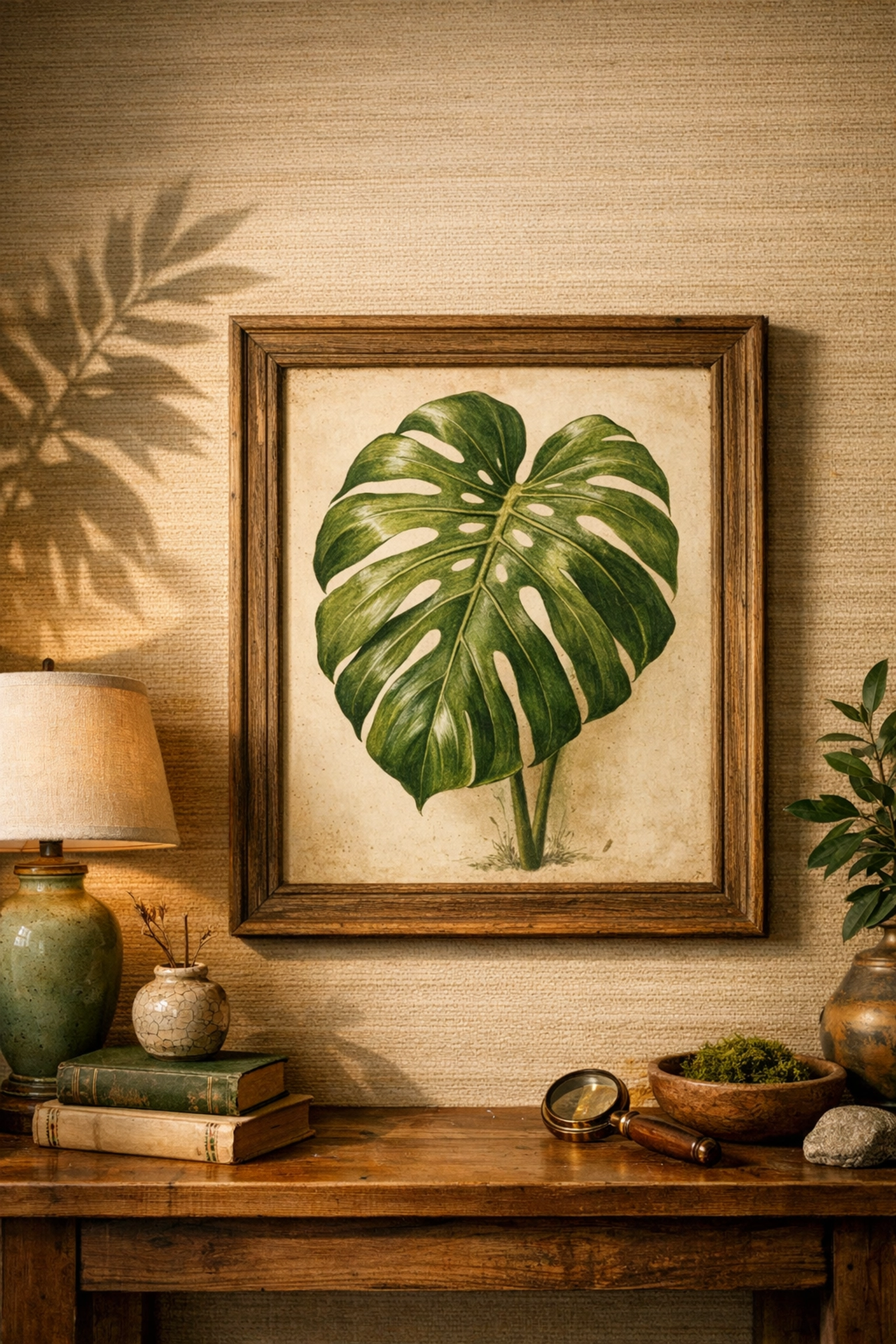
Botanical prints can also be introduced through framed artwork. These prints often take the form of scientific illustrations, which provide an educational or scholarly undertone to the decor. By presenting flora in a matter-of-fact, illustrative manner, the homeowner signals an appreciation for the botanical world that is both aesthetic and intellectual. This approach is particularly effective in a curated environment where each object is selected for its individual merit and its contribution to the collective whole.
Adaptability Across Divergent Design Aesthetics
One of the most compelling arguments for the integration of botanical motifs and natural fibers is their inherent versatility across various design aesthetics. While some may assume these elements are limited to a "bohemian" or "rustic" style, they are equally effective in modern and traditional settings.
- Modern Environments: In a modern home, botanical motifs are often rendered in sleek, geometric forms or monochrome palettes. Natural fibers in these spaces are used to soften the hard edges of industrial materials like steel and glass.
- Traditional Interiors: In traditional spaces, botanical integration often takes the form of elegant floral chintz or classical botanical sketches. Natural fibers like wool and silk are layered to create a sense of historical continuity and luxury.
- Bohemian Styles: The bohemian aesthetic embraces a maximalist approach to botanical motifs, often layering multiple patterns and textures with a high density of living plants. For those interested in this approach, the resource on how to integrate thoughtful maximalism with handcrafted home decor provides a comprehensive guide.
Regardless of the specific aesthetic, the principle remains the same: the integration of natural fibers provides the necessary groundwork for the successful integration of botanical motifs. This circular relationship ensures that the decor remains cohesive regardless of the stylistic framework applied.
Integrating Handcrafted Artisanal Elements
The final layer of integration involves the placement of handcrafted gifts and decor items that utilize organic materials. Artisanal products, such as those featured at Copper & Hazel Boutique, often showcase the inherent beauty of wood, stone, and rattan. These materials complement the fibers in the rugs and the motifs in the textiles, creating a holistic environment where every element is connected to the natural world.
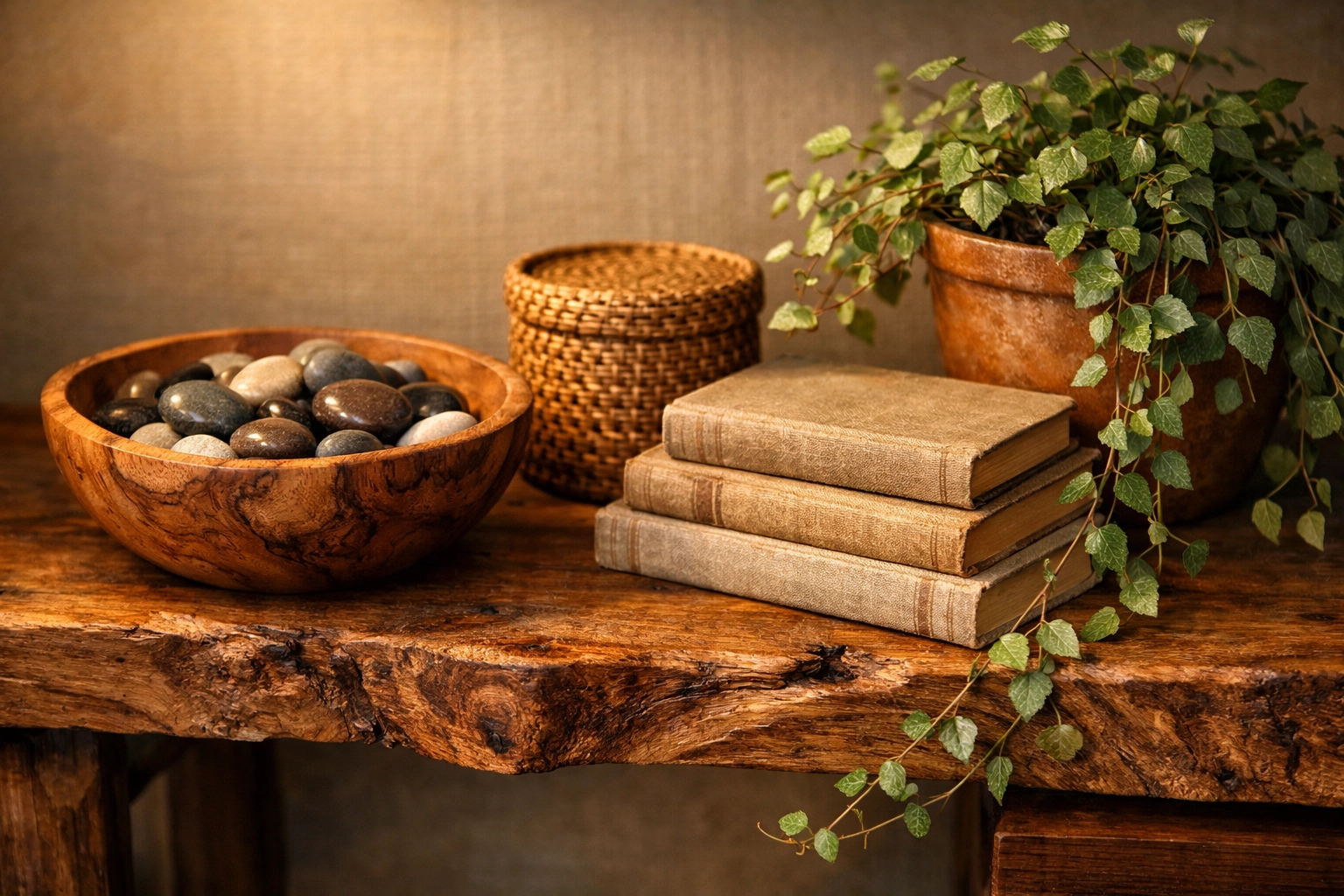
For example, a handcrafted wooden vessel or a stone sculpture provides a physical weight that contrasts with the lightness of botanical patterns. Even more contemporary pieces, such as the Anti-Social Butterfly decor, can be integrated into this framework if they are positioned thoughtfully among natural textures. The presence of the human hand in these handcrafted items adds another layer of "organic" connection: one that links the natural material to the human experience.
Ultimately, the integration of botanical motifs and natural fibers is a systematic process of layering and balancing. By starting with a foundation of natural fiber rugs, adding botanical textiles, utilizing wallcoverings, and finishing with artisanal accents, the curator creates a space that is both sophisticated and deeply connected to the environment. This connection is not merely decorative; it is a fundamental integration of the natural world into the daily human experience.
🔖Tags: #HomeDecor #InteriorDesign #NaturalFibers #BotanicalMotifs #CuratedHome #HandcraftedDecor #CopperAndHazel #SustainableLiving #BiophilicDesign
Leave a Reply
Your email address will not be published. Required fields are marked *
Comment *
Name * __________________________
Email * __________________________
Website __________________________
[ ] Save my name, email, and website in this browser for the next time I comment.
[Post Comment]