

The Conceptual Framework of Thoughtful Maximalism in Modern Interiority
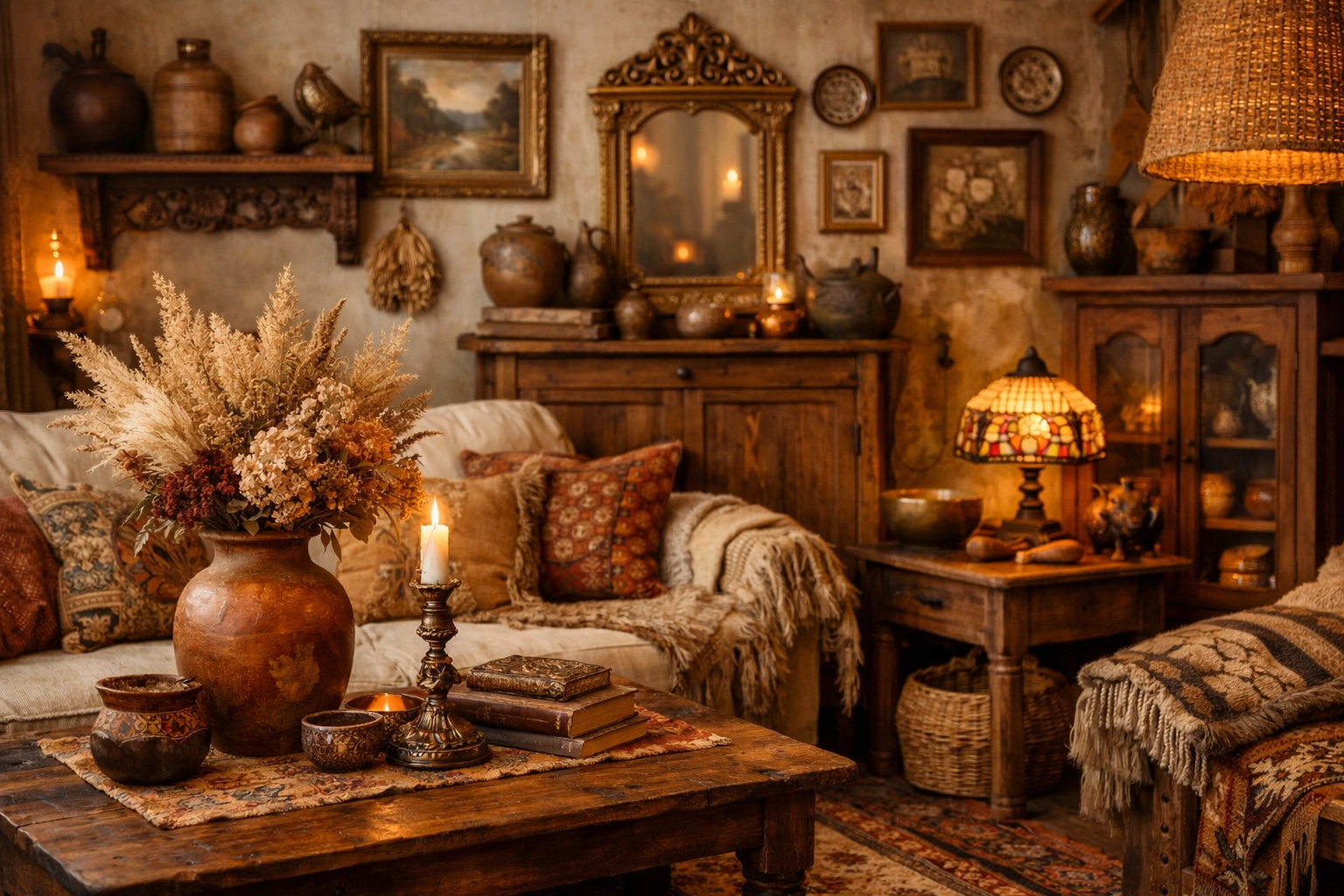
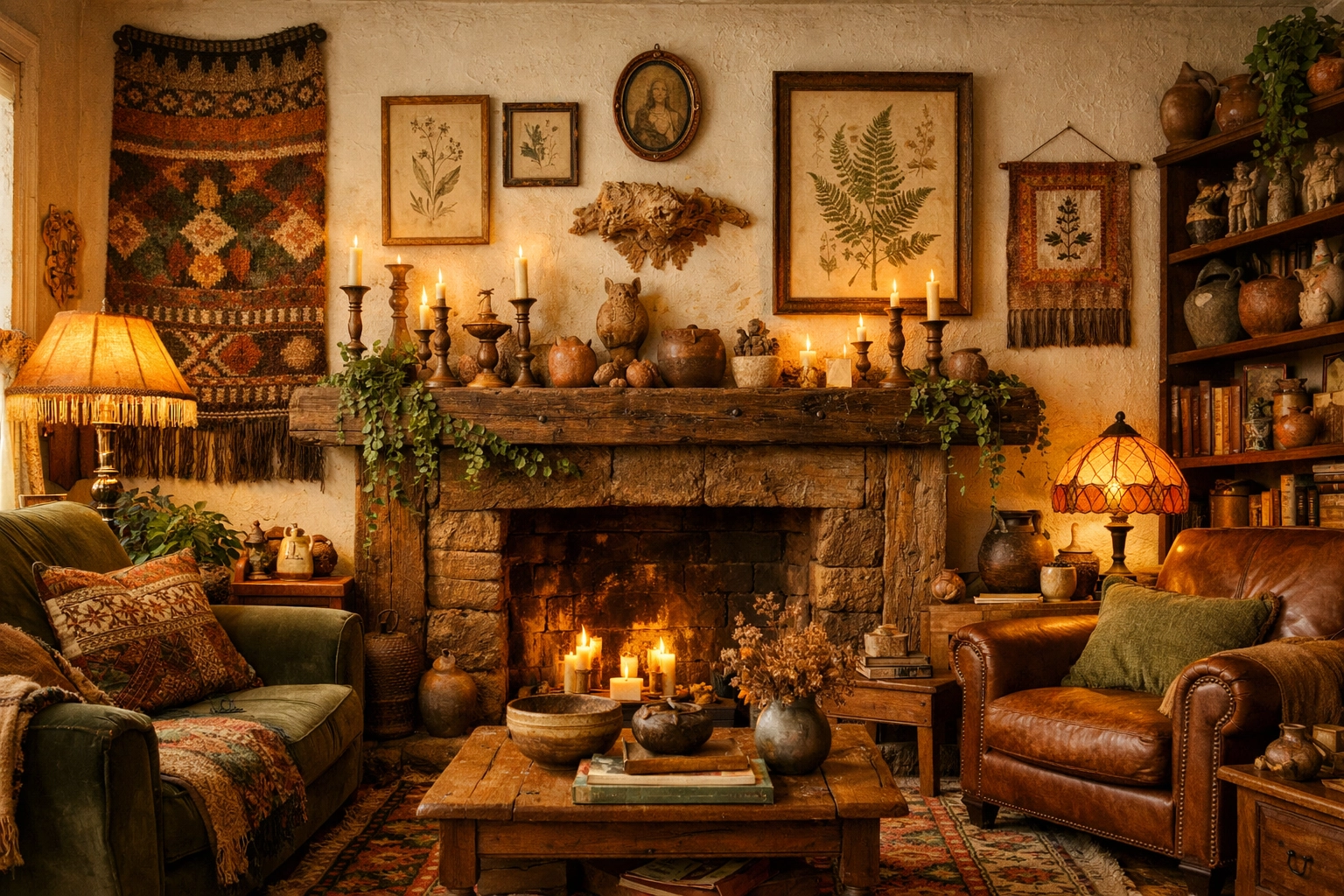
The architectural and interior design landscapes of the mid-2020s have undergone a significant ontological shift, transitioning away from the austere, often sterile limitations of late-twentieth-century minimalism toward a more robust, expressive philosophy known as thoughtful maximalism. This aesthetic evolution does not merely advocate for the accumulation of physical objects; rather, it demands a disciplined, curated approach to interior abundance. At the heart of this movement lies the strategic integration of handcrafted home decor, which serves as a necessary counterbalance to mass-produced consumerism. Thoughtful maximalism (as opposed to haphazard clutter) operates on the principle of curated intentionality, wherein every additional element added to a living space must contribute to a cohesive narrative or emotional resonance.
To understand the integration of artisan home decor within this framework, one must first distinguish between the abundance of meaning and the abundance of "stuff." While traditional maximalism has often been misunderstood as a license for excess, thoughtful maximalism is a scholarly exercise in layering. It involves the careful selection of curated home decor that reflects the inhabitant’s personal history, intellectual interests, and aesthetic values. This process of selection requires a profound understanding of how individual objects interact within a shared environment, ensuring that the resulting composition is a deliberate reflection of the self rather than a chaotic accumulation of unrelated items.
The Role of Handcrafted Home Decor as a Narrative Anchor
The inclusion of handcrafted elements is essential for achieving a successful maximalist aesthetic because these objects possess an inherent "soul" or narrative quality that factory-made items lack. When one incorporates a flower wall hanging or a meticulously detailed cow painting, they are not merely filling a void on a wall; they are introducing a piece of an artisan's history and technique into their own domestic sphere. This artisan home decor functions as a narrative anchor, providing a sense of grounding and authenticity that is paramount when attempting to populate a space with multiple layers of visual information.
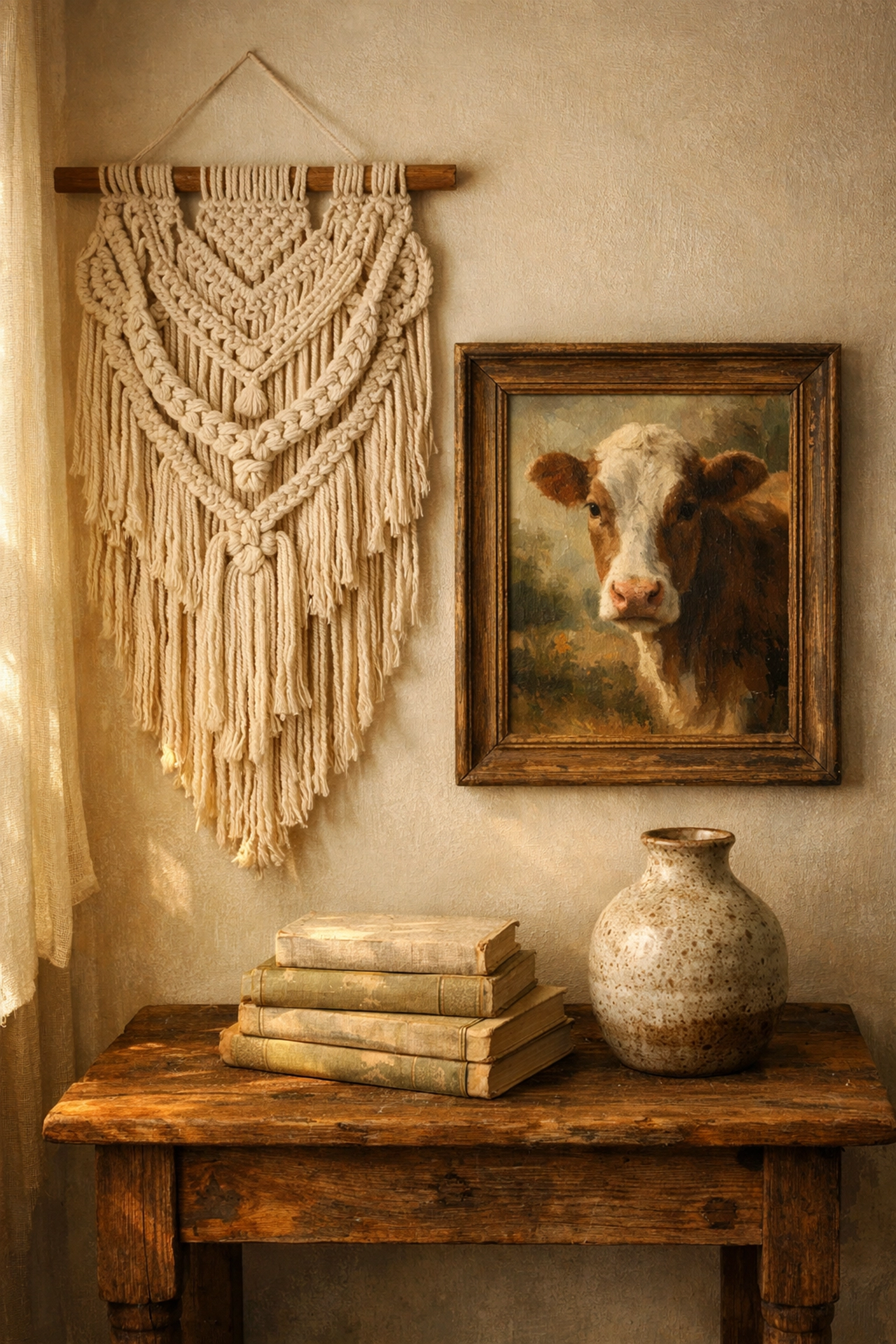
Handcrafted items are uniquely suited for maximalist environments because they naturally possess varied textures, irregular forms, and complex color palettes that complement a high-density decor strategy. The inherent uniqueness of handcrafted home decor ensures that the space remains personal and distinct, preventing the "showroom" effect that often plagues less intentional design approaches. By prioritizing objects that exhibit the "hand of the maker," the homeowner can build a collection that feels lived-in and deeply personal. This lived-in feeling (which is a hallmark of contemporary thoughtful maximalism) is achieved through the repetitive and circular process of evaluating each piece’s contribution to the overall atmosphere of the home.
Differentiating Curated Intentionality from Domestic Clutter
One of the primary challenges in executing a maximalist vision is the fine line between a rich, layered aesthetic and the descent into overwhelming clutter. The distinction lies entirely within the realm of curated intentionality. Clutter is the result of passive accumulation: objects that occupy space without purpose or aesthetic dialogue. In contrast, curated home decor is the result of an active, ongoing dialogue between the inhabitant and their surroundings. To maintain this distinction, one must employ a rigorous standard for entry into the domestic space, often referring back to the specialities of a professional boutique or artisan to ensure the quality of the objects remains high.
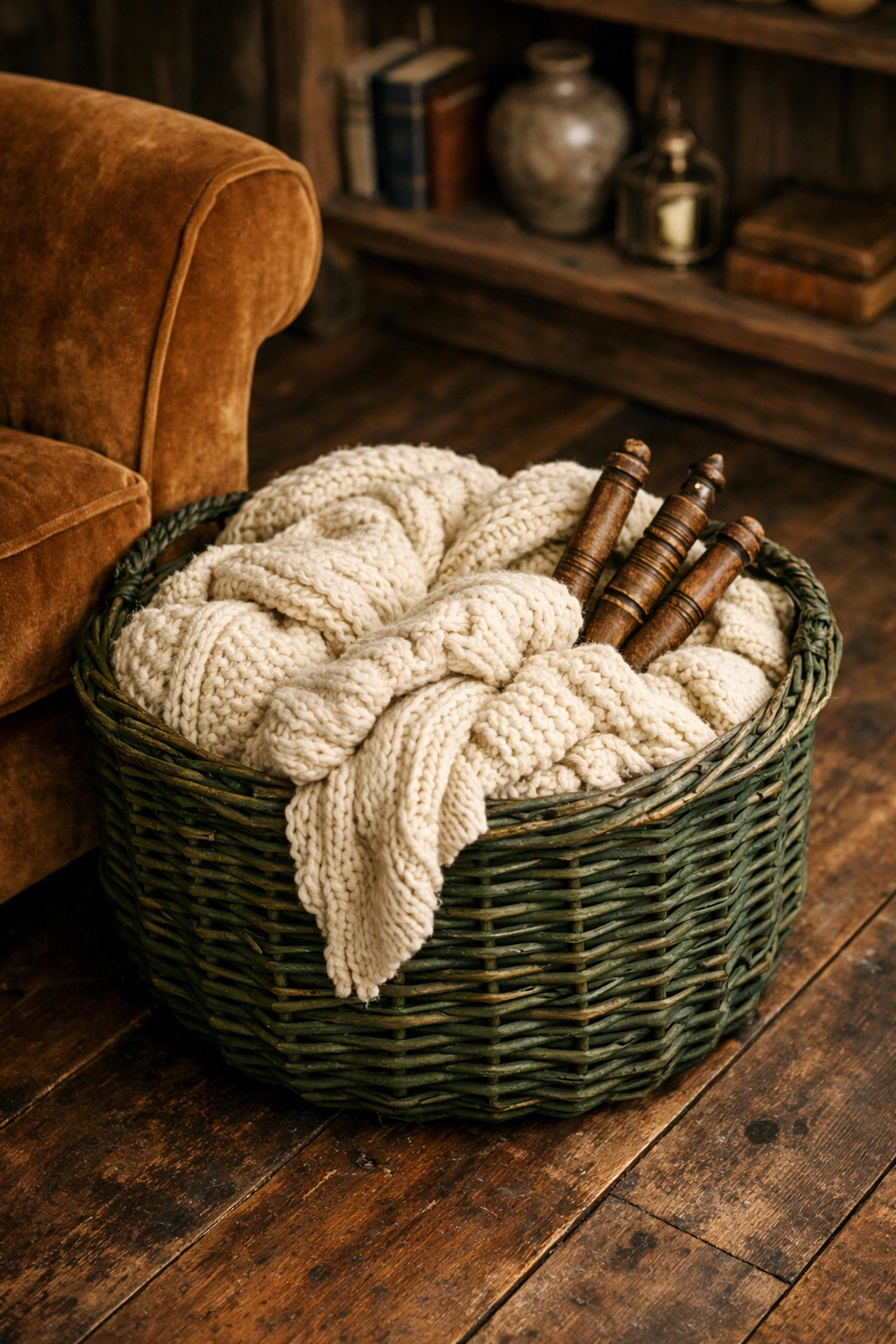
Thoughtful maximalism requires the inhabitant to act as a curator of their own life. Every piece of artisan home decor must earn its place through its ability to harmonize with existing elements or provide a necessary point of contrast. For instance, a green basket large may serve as a functional storage solution, but in a maximalist context, it also serves as a textural element that bridges the gap between different patterns and colors. The repetitive evaluation of these items: asking whether they serve the narrative or merely fill the volume: is what prevents the space from becoming visually fatiguing. It is the intentionality behind the placement that creates a sense of order within the abundance.
The Strategic Layering of Color, Pattern, and Texture
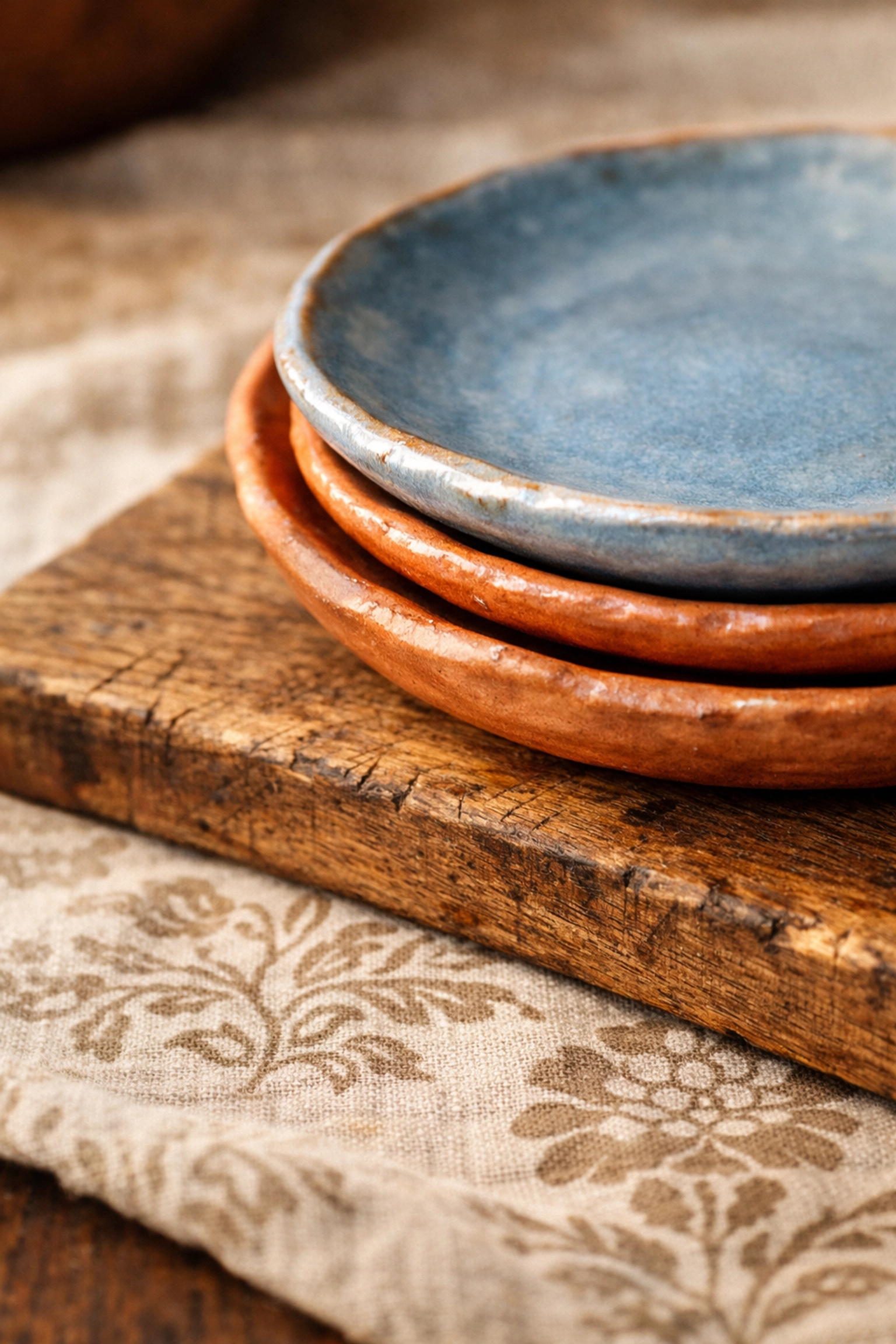
In the pursuit of an integrated maximalist aesthetic, the strategic layering of color, pattern, and texture is paramount. This layering is not a random act but a calculated methodology designed to guide the eye through the space. One might begin with a foundational color palette and then introduce handcrafted home decor that either reinforces or intelligently disrupts that palette. The use of varied textures: such as the rough grain of a family recipe board or the smooth finish of a ceramic dish: adds a tactile dimension that enhances the complexity of the visual field.
Furthermore, the scaling of patterns is a technical skill that distinguishes the expert maximalist. By mixing large-scale motifs with smaller, more intricate designs found in artisan home decor, the designer creates a rhythmic flow that prevents any single element from dominating the viewer's perception. This rhythmic flow is essential for creating a space that feels vibrant yet balanced. It is often helpful to view the home as a "living gallery," a concept that requires constant adjustment and refinement of the objects within it. The integration of various dishes or wall art should always be done with an eye toward how each piece contributes to the larger textural tapestry of the room.
Establishing Visual Rest Points within High-Density Environments
A common critique of maximalism is its potential to cause sensory overload. To mitigate this risk, a thoughtful approach must include the establishment of visual rest points: areas within the room where the eye can pause and recalibrate. These rest points are not necessarily empty spaces; rather, they are areas of lower visual complexity or thematic unity that provide a "landing spot" for the observer. Handcrafted home decor can often serve as these anchor points, particularly when the pieces are of significant scale or possess a calming, monochromatic aesthetic.
The placement of a singular, impactful piece of curated home decor can provide the necessary focus to ground a room filled with diverse patterns and colors. By creating these intentional pauses, the designer ensures that the maximalist environment remains hospitable and intellectually engaging rather than stressful. The goal is to create a space where the abundance of objects serves to enrich the experience of the room rather than distract from it. This balance is achieved through a circular process of addition and subtraction, constantly refining the density of the space to reach an equilibrium that feels both full and functional.
Psychological Intent and the Emotional Resonance of Objects
Beyond the purely aesthetic considerations, the integration of handcrafted home decor into a maximalist framework is deeply rooted in psychological intent. The objects we choose to surround ourselves with are often extensions of our internal world. Thoughtful maximalism allows for the externalization of these internal narratives through the display of meaningful artifacts. Whether it is a gift that commemorates a specific life event or a piece of artisan home decor that reflects a personal passion, these items possess an emotional resonance that mass-produced goods cannot replicate.
Before selecting new items for the home, it is beneficial to consider the emotional atmosphere one wishes to cultivate. Does the space aim to evoke warmth, intellectual curiosity, or creative energy? By defining this emotional intent, the process of selecting items from a shop becomes an act of self-discovery. This psychological approach ensures that the curated environment remains a source of comfort and inspiration. As the inhabitant interacts with their handcrafted home decor on a daily basis, the emotional connection to these objects deepens, reinforcing the sense of home as a sanctuary of personal identity.
Concluding Syntheses on the Integration of Artisan Elements
In conclusion, the integration of thoughtful maximalism with handcrafted home decor is a sophisticated design strategy that prioritizes meaning, quality, and personal narrative over mere accumulation. By adhering to the principles of curated intentionality, strategic layering, and emotional resonance, one can create a domestic environment that is both visually stimulating and deeply restorative. The transition from clutter to curation is marked by a deliberate choice to support artisans and prioritize the unique over the uniform.
Ultimately, the success of a maximalist space depends on the inhabitant’s ability to maintain a dialogue with their surroundings, ensuring that each piece of artisan home decor contributes to the overarching story of the home. This process is not a final destination but a continuous evolution, reflecting the changing experiences and perspectives of those who dwell within. By embracing the complexity and richness of curated home decor, one creates a space that is truly an extension of the self: a vibrant, textured, and deeply personal "living gallery."
- John
🔖Tags: #HandcraftedHomeDecor #ArtisanHomeDecor #CuratedHomeDecor #ThoughtfulMaximalism #CopperAndHazel #InteriorDesignTrends2026 #HomeStyling
Leave a Comment
Your email address will not be published. Required fields are marked *
Comment *
Name * ___________________________
Email * __________________________
Website __________________________
[ Post Comment ]