
The Conceptual Framework of Organic Modernism in 2026
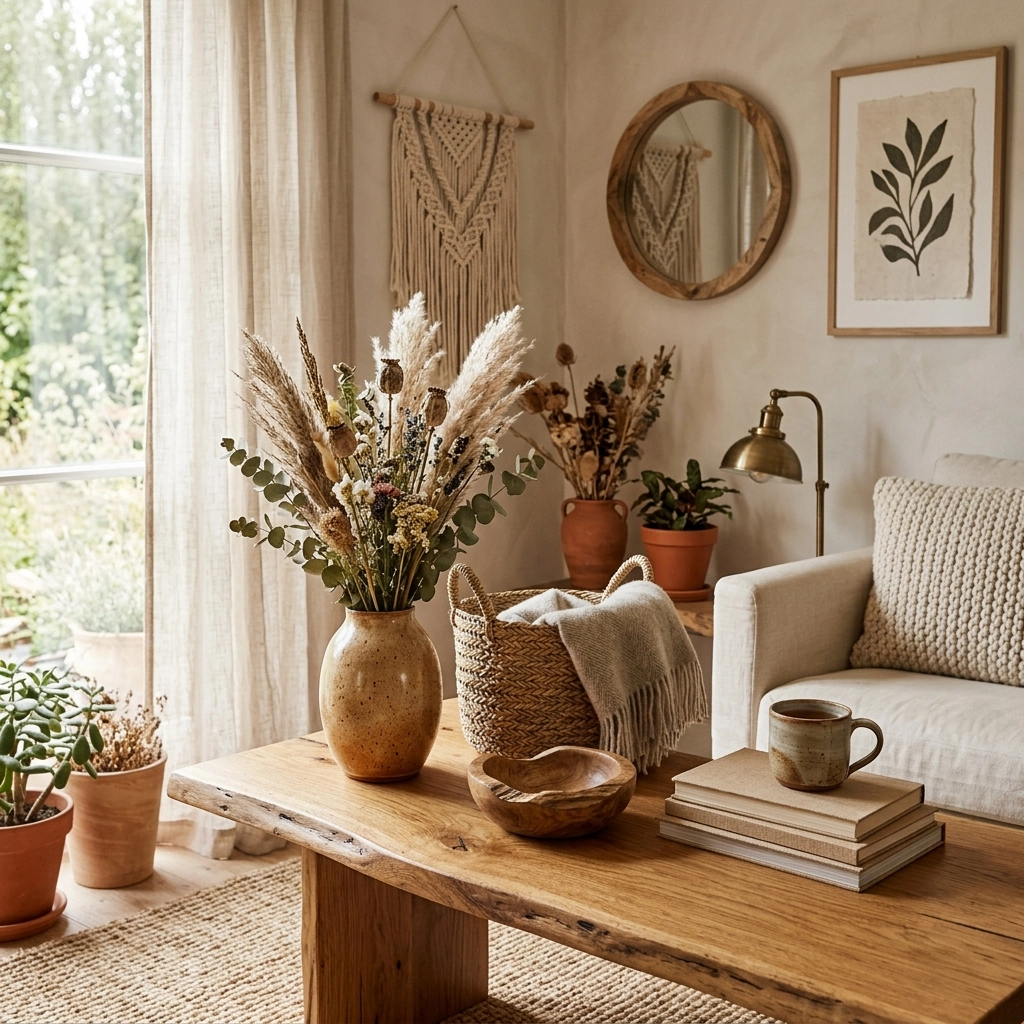
The design landscape of 2026 is characterized by a significant shift toward "Organic Modernism," a movement that prioritizes the intersection of sleek, contemporary structural lines with the raw, unrefined beauty of the natural world. This aesthetic evolution suggests that a home is not merely a shelter but a curated ecosystem where the human-made and the earth-grown coexist in a state of deliberate equilibrium. As we examine the trajectories of interior design, it becomes increasingly evident that the sterile minimalism of previous decades is being replaced by a more textured, soulful approach: one that leans heavily on handcrafted home accessories to provide a sense of historical and biological continuity.
The fundamental principle of Organic Modernism lies in its rejection of mass-produced homogeneity. Instead, it seeks to integrate objects that possess what scholars often refer to as "the thumbprint of the maker." This academic perspective posits that when an object is created by hand, it retains a certain level of artisanal integrity that industrial processes cannot replicate. Consequently, the pursuit of a modern home in 2026 necessitates an understanding of how unique, handcrafted elements can soften the edges of modern architecture, creating a living space that feels both sophisticated and inherently grounded in the physical environment.
1. Artisanal Fiber Art and Textile Sculptures
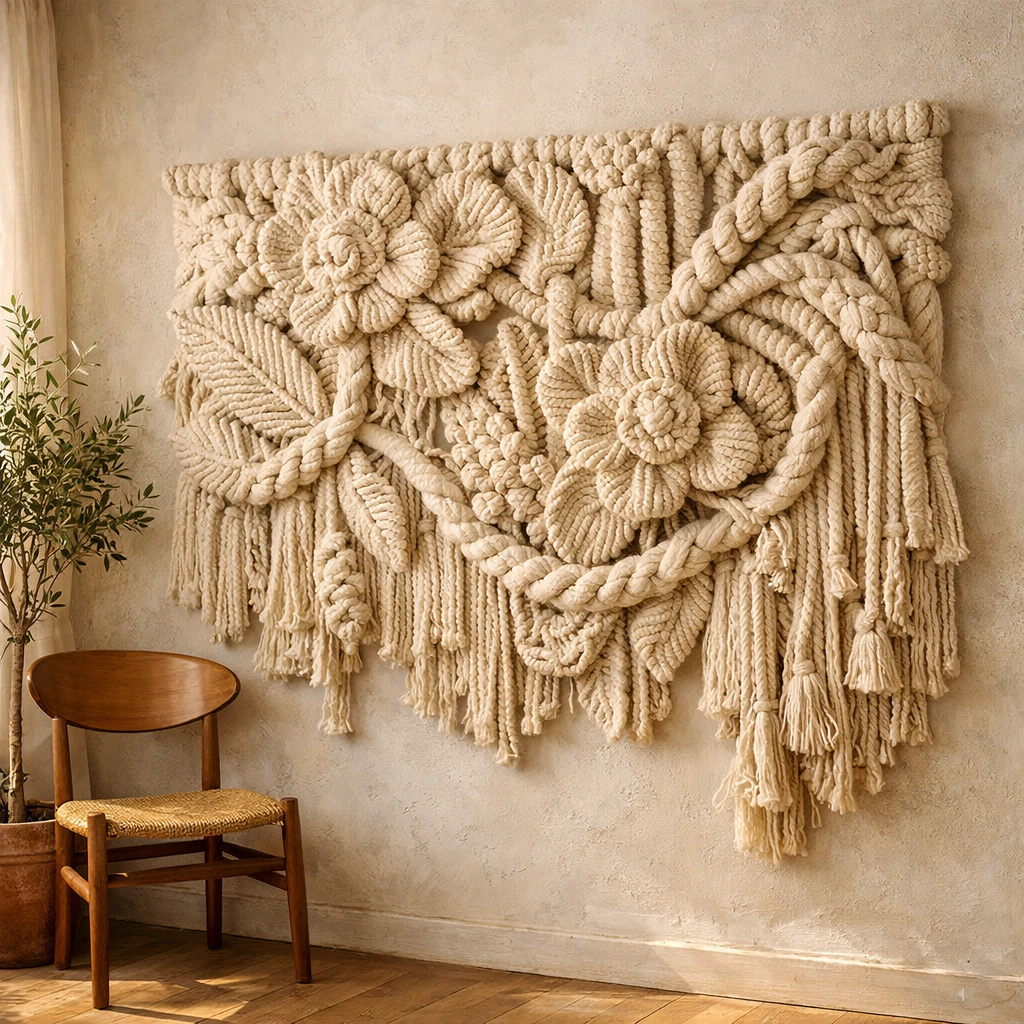
At the forefront of the Organic Modernism trend is the resurgence of fiber art, specifically pieces that emphasize botanical motifs and natural textures. These accessories serve as a vital counterpoint to the hard surfaces: such as glass, steel, and polished stone: that often define modern construction. By introducing a flower wall hanging, a homeowner is able to achieve a "Living Gallery" vibe, wherein the decor mimics the organic growth patterns found in nature.
The use of natural fibers is not merely an aesthetic choice but a tactical one, designed to introduce tactile depth into a space. In a curated environment, the presence of hand-woven textiles provides a sensory experience that visual-only decor lacks. This emphasis on texture is a cornerstone of the 2026 trend, as it reinforces the idea that home decor should be felt as much as it is seen. The integration of such pieces is essential for those seeking to understand how to create a vintage modern home in 5 minutes with one-of-a-kind decor, as the immediate warmth provided by fiber art is unparalleled in its efficiency.
2. Representational Folk Art in Modern Contexts
While modernism often trends toward the abstract, the 2026 iteration of Organic Modernism incorporates representational folk art to establish a sense of place and narrative. A prime example of this is the inclusion of a cow painting within a contemporary setting. Such pieces act as a bridge between pastoral tradition and modern sensibility, grounding the room in a recognizable, comforting imagery while maintaining the high-art standards of a gallery-style home.
Representational art, particularly when it depicts agrarian or natural subjects, serves to remind the inhabitants of the connection between the domestic sphere and the natural world. This connection is vital for maintaining the "organic" component of the Organic Modernism trend. By selecting pieces that are hand-painted rather than digitally printed, the collector ensures that the nuances of brushwork and color layering contribute to a more complex and rewarding visual environment.
3. Textured Woven Storage Vessels
In the realm of functional decor, the transition from plastic or mass-molded containers to handcrafted woven vessels is a defining characteristic of the current era. The use of items such as a green basket small or its larger counterpart, the green basket large, allows for the organization of domestic life without sacrificing aesthetic integrity. These vessels are crafted using techniques that have remained largely unchanged for centuries, providing a sense of historical weight to a modern room.
The importance of these woven elements cannot be overstated, as they provide the "visual clutter" necessary to make a space feel inhabited rather than merely staged. As noted by experts in the field, "The presence of natural textures like rattan and seagrass facilitates a neurological relaxation response, making the home a true sanctuary" - John. This perspective aligns with the broader goals of Organic Modernism, which seeks to optimize the home for both visual beauty and psychological well-being.
4. Patinated Metallic Signage and Earthy Icons
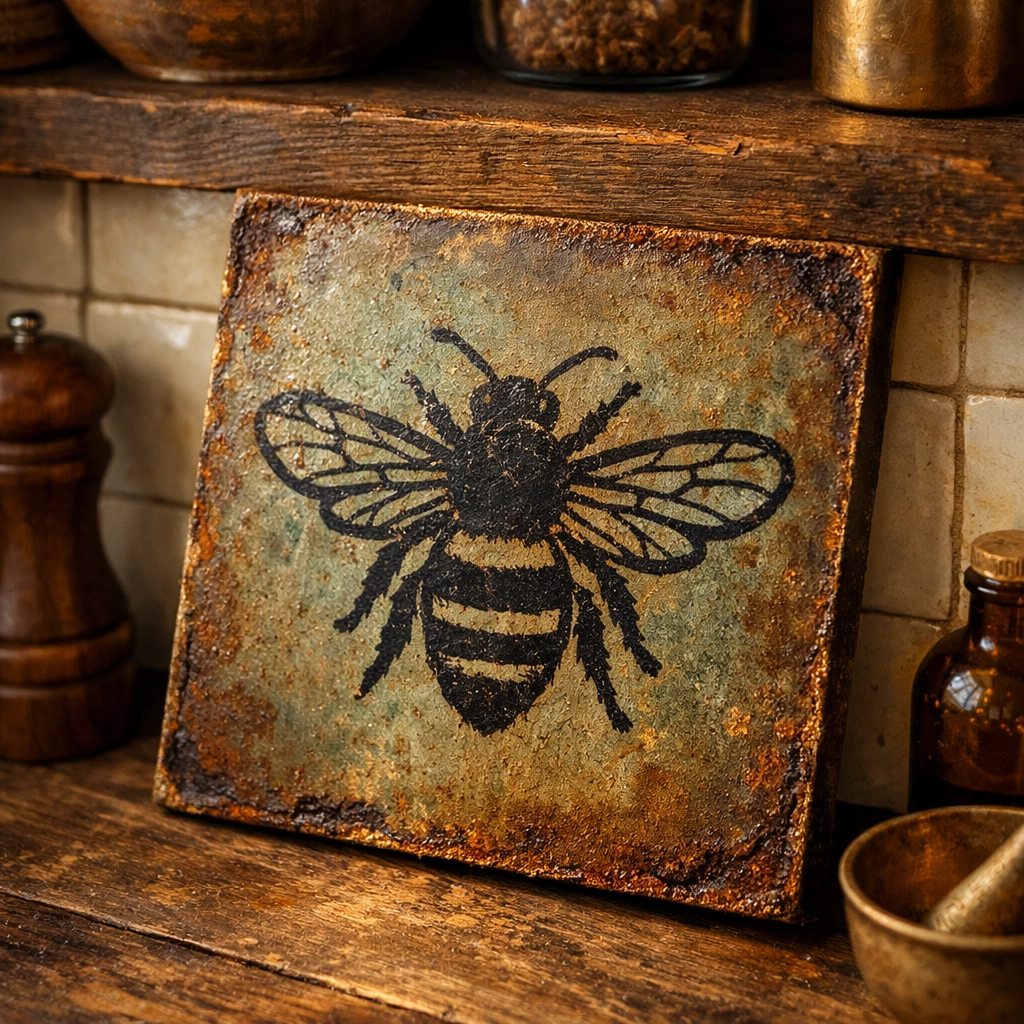
Metalwork, when executed with an artisanal touch, provides a necessary industrial edge to the organic home. However, rather than the gleaming chrome of the late 20th century, 2026 favors patinated, illustrative metal pieces. A bee tin sign or a chicken tin introduces a whimsical yet sophisticated element to kitchens and transition spaces. These pieces utilize the language of vintage advertising and rural life to create a "collected over time" appearance.
The pursuit of a collected look is essential for those moving away from matching furniture sets. The contrast between a sleek, modern countertop and a rustic small chicken tin sign creates a dynamic tension that is central to the Organic Modernist aesthetic. This juxtaposition ensures that the home does not feel like a showroom but rather a curated collection of meaningful objects.
5. Customized Culinary Ephemera
As the home becomes a more centralized hub for social interaction, the kitchen has evolved into a gallery of personal history. The trend of using a family recipe as a piece of wall decor is a testament to the desire for hyper-personalization in 2026. By taking a functional, historical document: a grandmother's handwritten recipe: and presenting it as art, the homeowner creates a focal point that is both visually striking and emotionally resonant.
This approach to decor emphasizes the "Modernism" side of the trend by utilizing clean typography or framing techniques, while the "Organic" side is satisfied by the human element of the handwriting and the historical context of the food. It is a perfect synthesis of the two ideologies, demonstrating that the most modern homes are often those that most deeply respect their origins.
6. Mixed-Media Nature Studies
The integration of biological specimens: real or artistically rendered: is a key tenet of 2026 design. Pieces like the anti-social butterfly display represent a sophisticated take on the traditional "cabinet of curiosities." These mixed-media accessories allow for a detailed examination of nature's geometry, which serves as an inspiration for the clean lines found in modern furniture.
The study of natural forms, or biophilia, suggests that humans have an innate tendency to seek connections with nature. By placing mixed-media nature studies throughout the home, one can satisfy this biological urge while adhering to a modern design palette. For those interested in expanding their knowledge on this topic, reading about the ultimate guide to curating a home that tells your story can provide deeper insights into how these small details contribute to a cohesive whole.
7. Curated Vintage-Inspired Book Sets
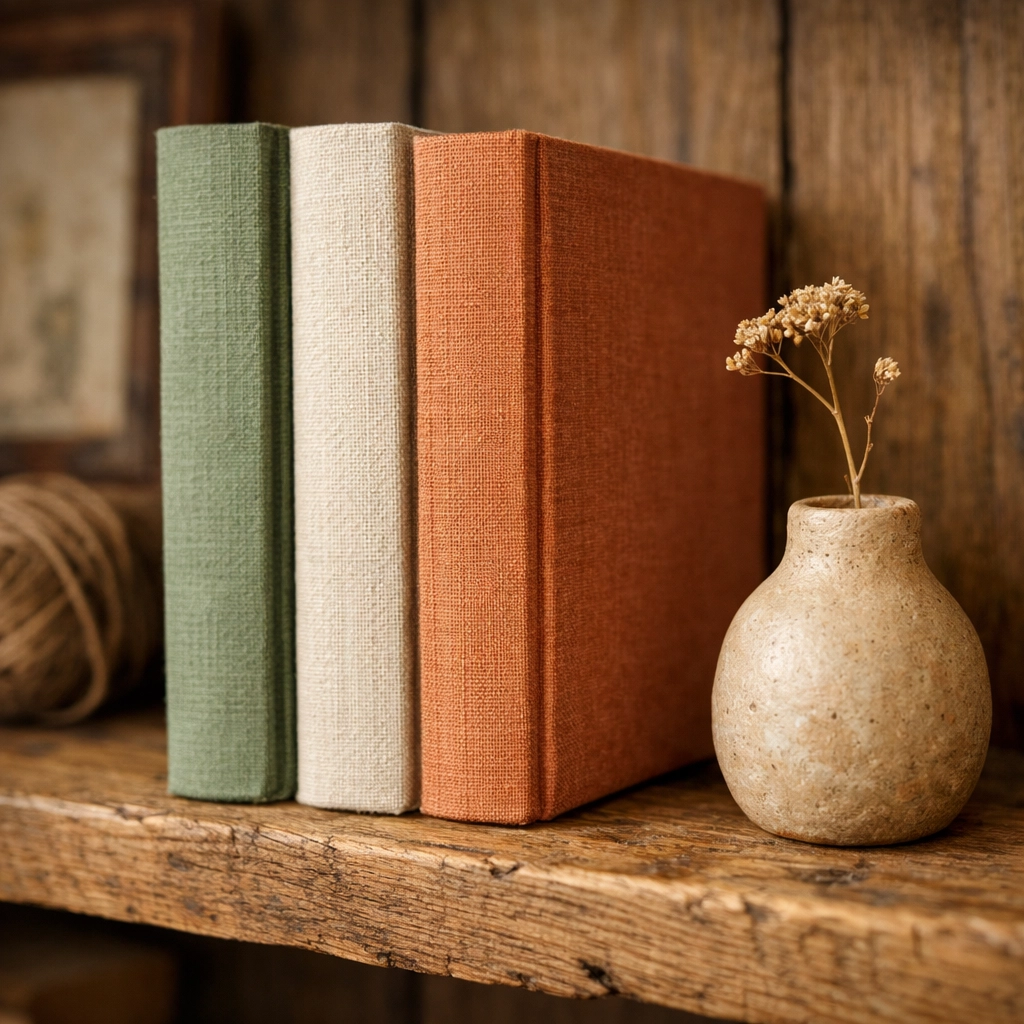
In an increasingly digital age, the physical book has become a potent symbol of intellectual and aesthetic grounding. A set of three books, curated for their spine color and textural quality, provides a vertical element to shelving that feels intentional rather than accidental. These sets are often used to introduce subtle color palettes into a room without the commitment of a painted wall.
The curation of books is a practice in "collected" styling. It suggests a life of inquiry and a respect for the tactile nature of knowledge. In the context of Organic Modernism, books act as a bridge between the rigid structure of the bookshelf and the fluid, organic nature of the ideas contained within them. This duality is a recurring theme in the 2026 trend, where every object is expected to serve both a functional and a philosophical purpose.
8. Biophilic Metallic Accents
While we have discussed the importance of patinated metal, there is also a place for more refined, golden-hued metallic accents that evoke natural processes. The she works hard for the honey motif is a recurring theme in 2026, representing the industry of nature. These accents provide a "pop" of warmth that mimics the way sunlight hits a forest floor, adding a layer of luminosity to the home.
The use of metallic accents must be handled with precision. Overuse can lead to a look that feels overly "glam," which contradicts the earthy, grounded requirements of Organic Modernism. However, when used sparingly, as seen in handcrafted gifts, these pieces provide the necessary highlights to a room's visual composition. For more on the balance of these elements, one might explore bold colors vs. neutral minimalism to determine the appropriate ratio for their specific space.
9. Sculptural Clay and Ceramic Vessels
As identified in recent research, organic ceramics are central to the 2026 trend. Hand-thrown clay vessels, characterized by visible imperfections and earthy glazes, provide a sense of authenticity that is vital for a modern home. These pieces often function as "sculptural light sources" or simple vessels for natural branches, serving as a reminder of the raw materials of the earth.
The rejection of "shiny, glossy, or synthetically polished" finishes is a strict rule within this trend. Instead, the focus is on the matte, the textured, and the porous. This dedication to raw materials ensures that the home feels connected to the lithosphere, providing a literal and figurative foundation for the modern lifestyle.
10. The Philosophy of the One-of-a-Kind Piece
Ultimately, the most important accessory in an Organic Modernist home is the one that cannot be found anywhere else. The move toward artisan craftsmanship is a response to the "mass-produced fatigue" of the early 2020s. Homeowners are increasingly realizing that why everyone is talking about one-of-a-kind artisan pieces is because these objects provide a soul to the structure.
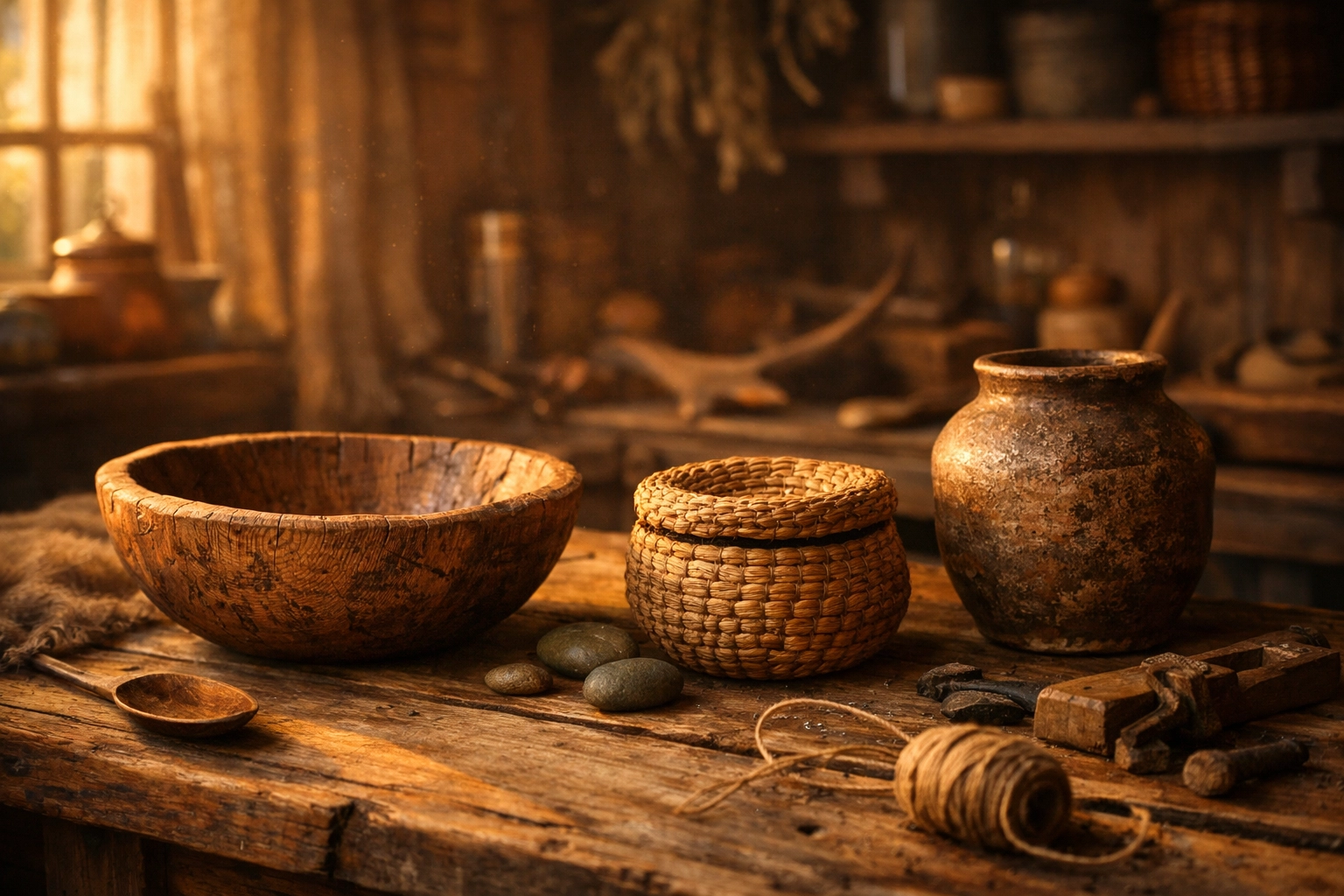
When a home is filled with items that have a story: whether it's a hand-carved wooden bowl or a custom recipe sign: it becomes a reflection of the inhabitants' values. It demonstrates a commitment to sustainability, a support for local economies, and an appreciation for the slow, deliberate process of creation. This is the true essence of Organic Modernism: a home that is as evolved as its owners.
Conclusion: Synthesizing the Organic and the Modern
In conclusion, the 2026 trend of Organic Modernism is a sophisticated response to the complexities of contemporary life. By integrating handcrafted accessories: from fiber art and ceramics to representational folk art and custom culinary ephemera: homeowners can create spaces that are both modern in their efficiency and organic in their soul. The pursuit of this aesthetic requires a discerning eye and a willingness to move away from the convenience of mass production in favor of the integrity of the handmade.
As you continue to curate your space, remember that the most successful "Organic Modern" homes are those that feel collected over time, rather than purchased all at once. By focusing on quality, texture, and narrative, you can ensure that your home remains a timeless sanctuary in an ever-changing world. For further inspiration, consider visiting the Copper & Hazel blog to stay updated on the latest shifts in the artisan gift and decor market.
🔖Tags: #OrganicModernism #HandcraftedHome #InteriorDesign2026 #ArtisanDecor #CopperAndHazel #HomeTrends #SustainableLiving #FiberArt #ModernRustic
Leave a Reply
Your email address will not be published. Required fields are marked *
Comment *
Name * ___________________________
Email * __________________________
Website ___________________________
[ ] Save my name, email, and website in this browser for the next time I comment.
[Post Comment]