
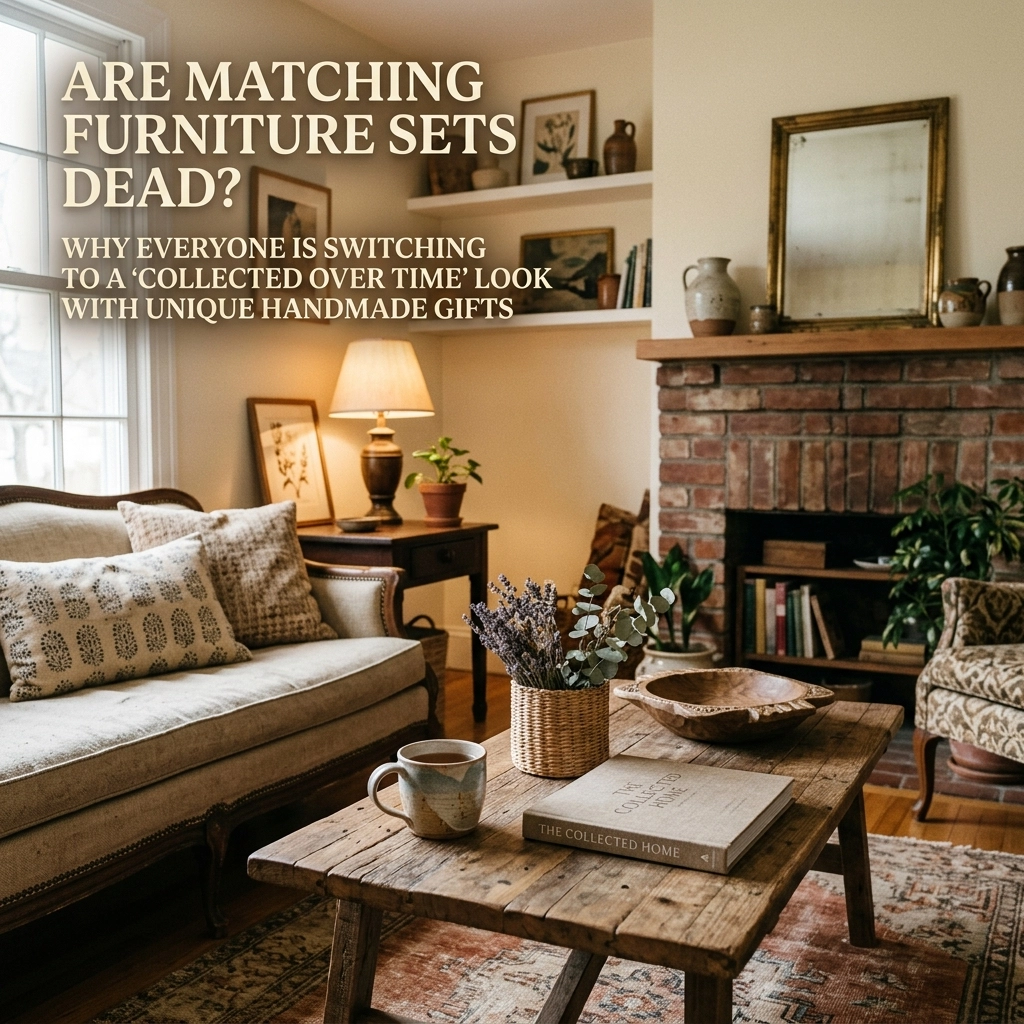

The Paradigm Shift in Contemporary Interior Design
The evolution of interior design paradigms in the twenty-first century has witnessed a significant departure from the rigid, monolithic structures of the mid-to-late twentieth century, specifically concerning the acquisition and arrangement of domestic furniture suites. In previous decades, the prevailing consumer behavior favored the purchase of comprehensive, matching furniture sets: a practice that ensured a basic level of aesthetic cohesion but often resulted in spaces that lacked distinctive personality or a sense of individual narrative. However, contemporary discourse within the design community suggests that matching furniture sets are increasingly viewed as anachronistic. The shift toward a "collected over time" aesthetic represents a move away from mass-produced uniformity toward a more nuanced, eclectic approach that prioritizes the provenance and unique characteristics of individual objects.
This transition is not merely a change in stylistic preference but reflects a deeper psychological and sociological desire for domestic environments that serve as authentic reflections of the inhabitants’ personal histories. When a room is furnished entirely with pieces from a single retail collection, the space becomes "timestamped" to a specific era, effectively freezing the environment in a singular moment of consumer trend. This lack of temporal depth often leads to a room feeling uninspired or, in the parlance of professional decorators, "flat." By contrast, the "collected over time" look relies on the gradual accumulation of items: including vintage finds, heirloom pieces, and unique handmade gifts: to create a layered, multi-dimensional atmosphere that resists the expiration dates of fast-fashion furniture.
The Problem of Aesthetic Stagnation in Uniform Collections
The primary critique of matching furniture sets centers on their inherent inability to foster a dynamic visual dialogue within the home. When every piece of furniture shares the same wood grain, hardware, and silhouette, the visual weight of the room becomes monotonous. This uniformity often masks the architectural potential of a space, as the eye ceases to distinguish between individual elements, perceiving instead a singular, repetitive texture. Furthermore, these sets are frequently criticized for their lack of personal expression; they represent the vision of a corporate design team rather than the lived experience of the homeowner.
Moreover, the "catalogue effect": a term used to describe rooms that appear more like retail showrooms than living spaces: can create a sense of detachment. A home should theoretically function as a curated archive of one’s life, but a pre-packaged furniture suite offers no room for the inclusion of items that possess emotional or historical significance. As design trends evolve with increasing velocity, these sets date quickly, leaving the homeowner with a substantial investment that no longer aligns with the contemporary aesthetic landscape. It is this susceptibility to obsolescence that has driven the modern consumer toward more flexible, individualized decorating strategies.
Defining the "Collected Over Time" Aesthetic
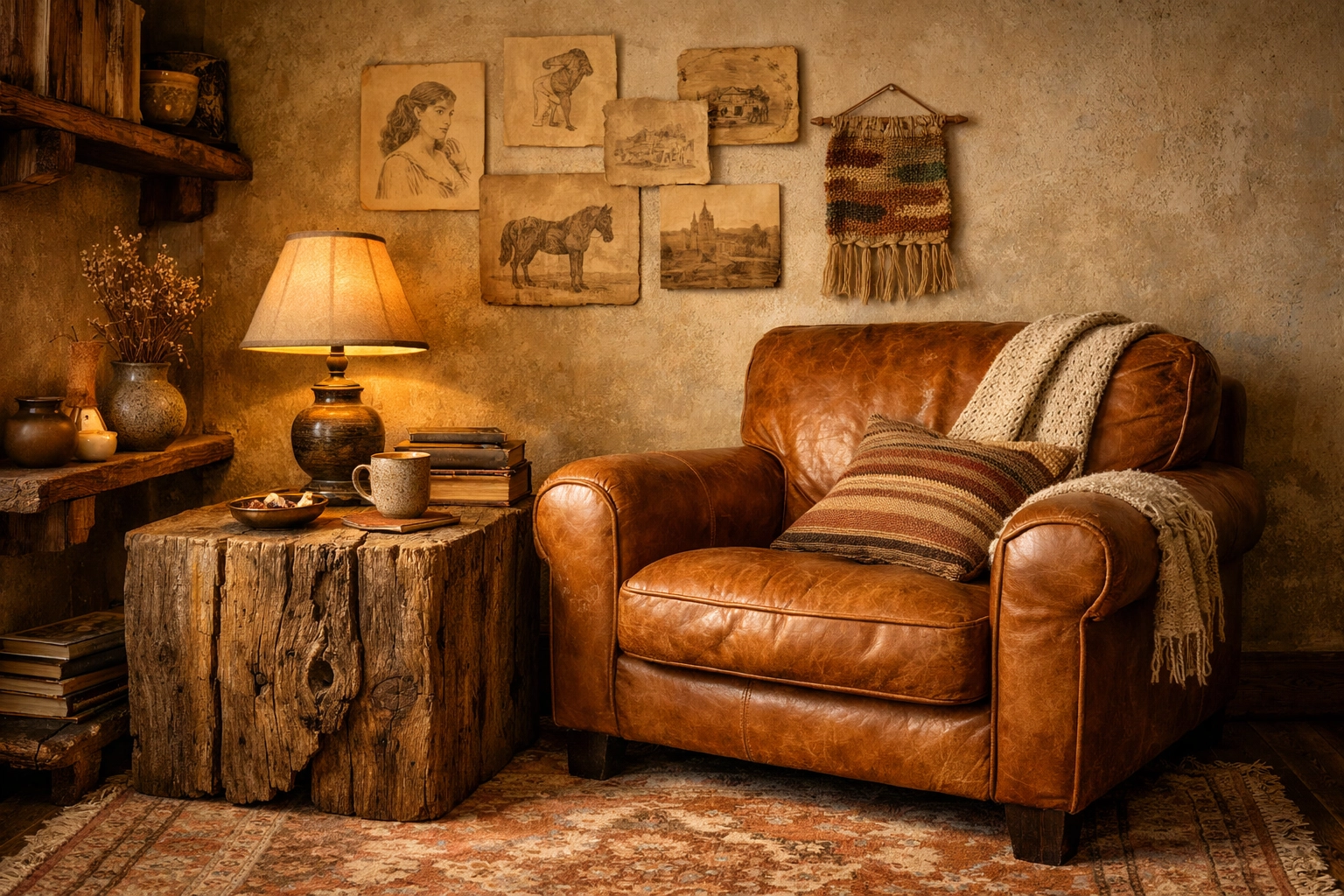
The "collected over time" aesthetic is characterized by a deliberate juxtaposition of disparate styles, materials, and eras. This approach requires a high degree of intentionality, as the goal is to achieve a cohesive environment through the careful selection of objects that share a common thread: be it color, scale, or craftsmanship: without being identical. The objective is to create a space that feels as though it has evolved organically over many years, even if the curation process was relatively brief. This methodology allows for a higher level of creativity and individuality, enabling homeowners to integrate diverse elements such as handcrafted framed art alongside modern silhouettes and antique accents.
Central to this aesthetic is the concept of visual interest and depth. By mixing different styles, such as an industrial metal chair paired with a rustic wooden table, the designer introduces a level of tension that engages the viewer. This tension is essential for preventing a room from feeling uninspired. The "collected" look also facilitates a more sustainable approach to consumption; instead of replacing an entire room’s contents when tastes change, one can simply introduce or remove specific pieces. This incremental evolution ensures that the home remains a living, breathing entity rather than a static display.
- "A room should feel like it was put together over a lifetime, not ordered from a single page in a magazine." - John
The Vital Role of Unique Handmade Gifts and Artisan Decor
In the pursuit of a curated domestic environment, unique handmade gifts and artisan decor serve as critical anchors. Unlike mass-produced items found in big-box retailers, handcrafted pieces possess a distinct "hand" or "soul" that contributes to the authenticity of the space. Items such as those found in the Copper & Hazel specialties collection provide the necessary texture and narrative weight to balance larger, more utilitarian pieces of furniture. Handcrafted items are inherently unique; they carry the marks of their creation and the intent of the artisan, which naturally elevates the perceived quality of the room.
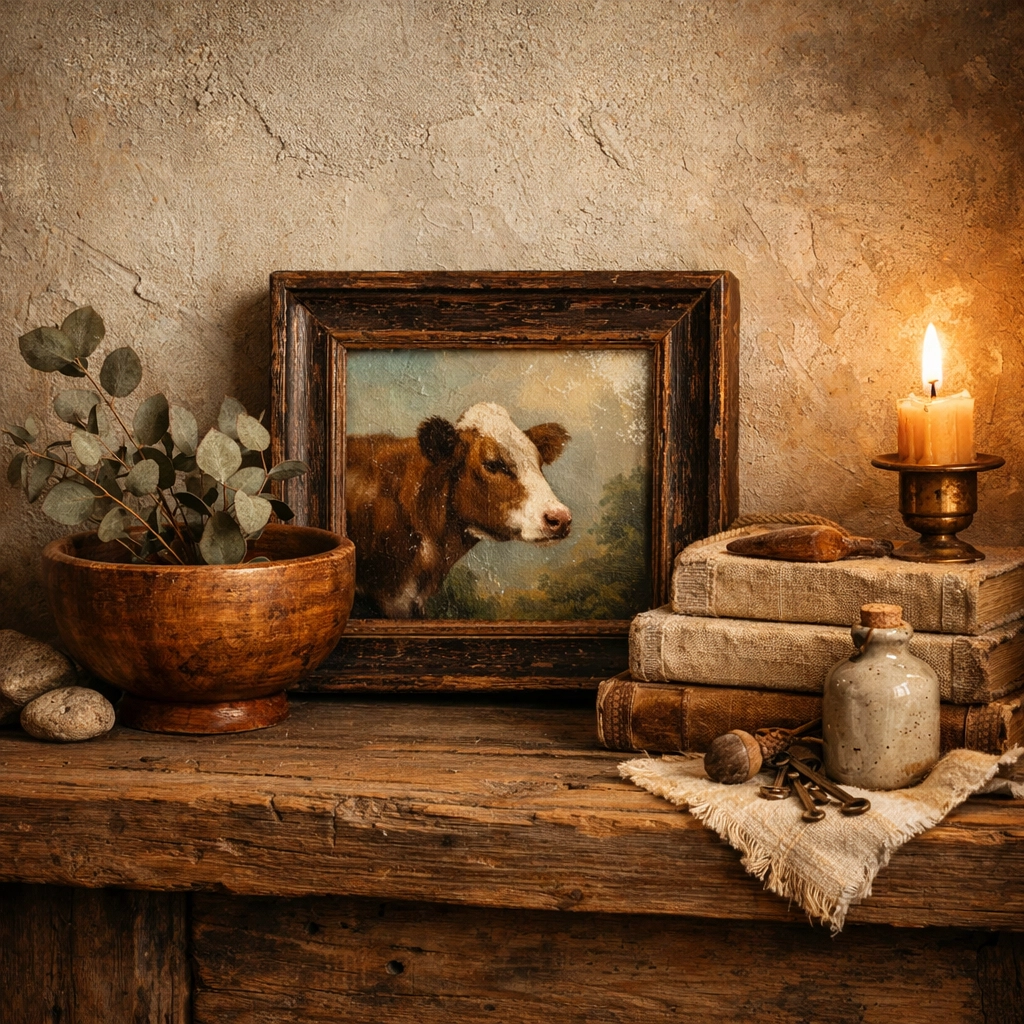
For instance, incorporating a piece like the cow painting or a personalized family recipe plaque introduces a level of specificity that cannot be replicated by factory-produced accessories. These items act as conversational focal points, drawing the eye and providing a sense of "place" within the broader design scheme. The inclusion of artisan decor is a primary strategy for those wishing to transition away from matching sets, as these unique objects provide the character and warmth that uniform furniture lacks. The artisan piece serves as a bridge between different styles, grounding the room in a tradition of craftsmanship.
Technical Execution: Mixing Textures, Materials, and Eras
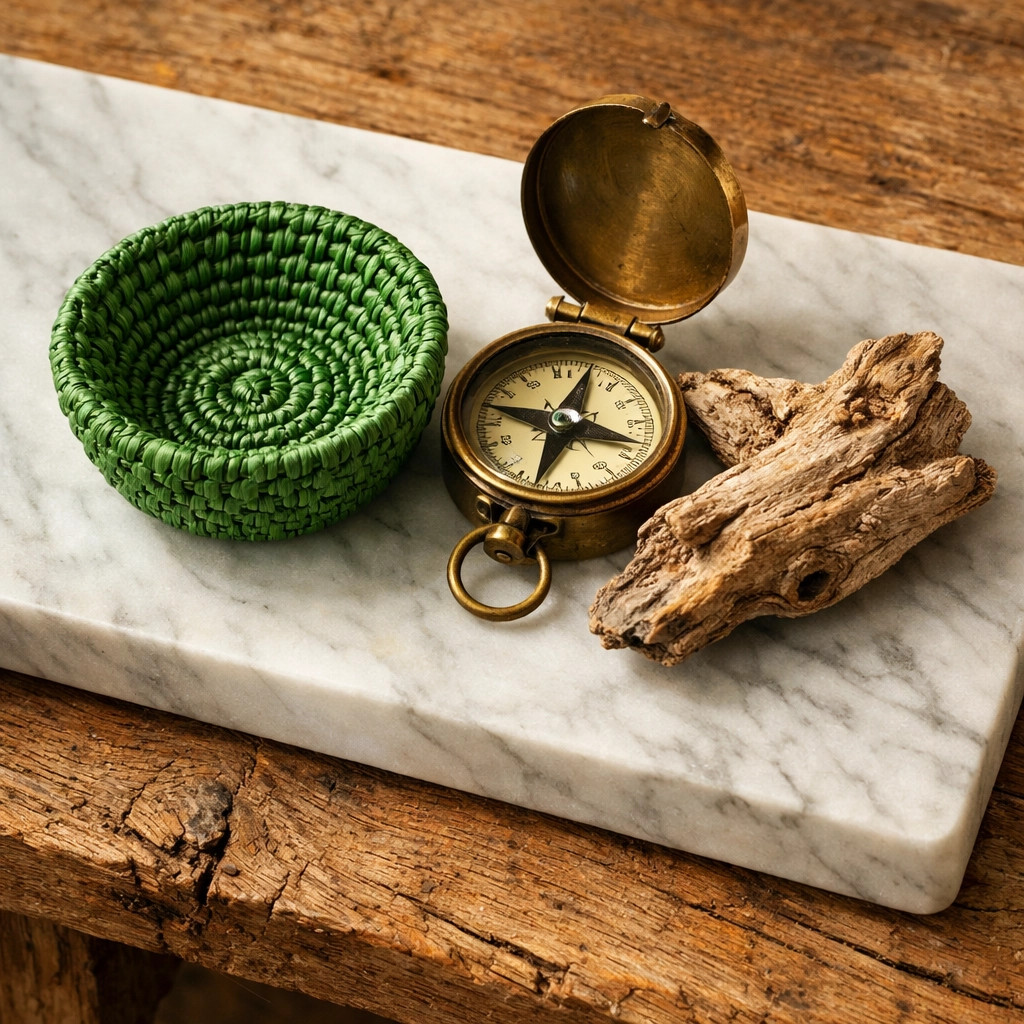
Executing a "collected" look requires a sophisticated understanding of material harmony and spatial balance. It is not enough to simply assemble random objects; rather, one must consider how the tactile qualities of different materials interact. For example, the smoothness of a polished marble surface can be enhanced by the proximity of a green basket large, which introduces a natural, woven texture. This interplay of hard and soft, smooth and rough, is a hallmark of the curated home.
Practical Strategies for Curating a Layered Space:
- Maintain a Consistent Color Palette: While styles and eras may vary, maintaining a disciplined color story: perhaps focusing on earth tones or a specific range of neutrals: can provide the necessary "connective tissue" that binds diverse pieces together.
- Scale and Proportion: Ensure that the physical dimensions of the furniture and decor are compatible. A massive, overstuffed sofa may overwhelm a delicate, handmade end table.
- The Rule of Three: When styling artisan decor or unique gifts, grouping items in odd numbers (specifically threes) often creates a more pleasing and dynamic visual arrangement than even-numbered groupings.
- Incorporate "Anchor" Pieces: Use one or two significant items, such as a large piece of framed art, to establish the tone for the rest of the room.
By following these principles, the homeowner can avoid the pitfalls of a disjointed or cluttered appearance. The goal is to achieve a balanced composition where each item feels essential to the whole. This meticulous approach to curation ensures that the "collected over time" look feels intentional rather than accidental.
The Resilience of Mid-Century Modern and Quality Craftsmanship
It is important to note a significant nuance in the current design landscape: the resurgence of well-designed matching sets within specific historical contexts, notably mid-century modern furniture. Design professionals observe that the issue is often not the act of matching itself, but rather the poor execution and lack of quality inherent in mass-market sets. High-quality mid-century modern suites are often sought after for their clean lines, superior materials, and timeless appeal. In these instances, the matching nature of the set is a deliberate aesthetic choice that honors the design history of the era.
However, even when utilizing a matching mid-century set, modern designers recommend "breaking up" the look with contemporary artisan pieces to avoid the "time-capsule" effect. Integrating a modern handcrafted gift into a vintage setting creates a dialogue between the past and the present, further reinforcing the "collected" narrative. This blend of historical reverence and contemporary innovation represents the pinnacle of modern interior curation.
Sustainability and the Ethical Implications of Artisan Choice
Beyond aesthetic considerations, the shift toward unique handmade gifts and curated decor has profound ethical and environmental implications. Matching furniture sets are frequently the product of industrial manufacturing processes that prioritize speed and cost over longevity and ecological responsibility. Conversely, choosing to support local artisans and boutiques like Copper & Hazel Boutique aligns with a more sustainable consumption model. Handcrafted items are typically built to last, reducing the frequency of replacement and the subsequent waste associated with "disposable" furniture.
Furthermore, the purchase of artisan goods supports local economies and preserves traditional crafting techniques that might otherwise be lost in the age of automation. By selecting unique items, the consumer is investing in the provenance of the object: the story of who made it, where it was made, and the materials used in its construction. This transparency is a key component of the modern "collected" lifestyle, which values the human element behind the products in our homes.
Conclusion: The Future of the Domestic Interior
In summary, the decline of the matching furniture set marks a significant maturation in consumer taste and design philosophy. The move toward a "collected over time" look allows for a more authentic, flexible, and sustainable approach to home decoration. By integrating unique handmade gifts, artisan decor, and a variety of materials and styles, homeowners can create spaces that are truly reflective of their personal identities. Whether through the inclusion of a family recipe on the wall or a carefully selected framed art piece, the focus has shifted from mere accumulation to thoughtful curation.
As we look toward the future of interior design, it is clear that the "living gallery" approach: where the home is a curated collection of meaningful objects: will continue to supersede the rigid uniformity of the past. The home is no longer a static showroom; it is a dynamic, evolving narrative of the people who inhabit it.
🔖Tags: #InteriorDesign #HandmadeDecor #HomeStyling #ArtisanGifts #CopperAndHazel #CuratedHome #DecorTrends2026
Leave a Reply
Your email address will not be published. Required fields are marked *
**Comment ***
[ ]
**Name ***
[ ]
**Email ***
[ ]
Website
[ ]
[ Post Comment ]