
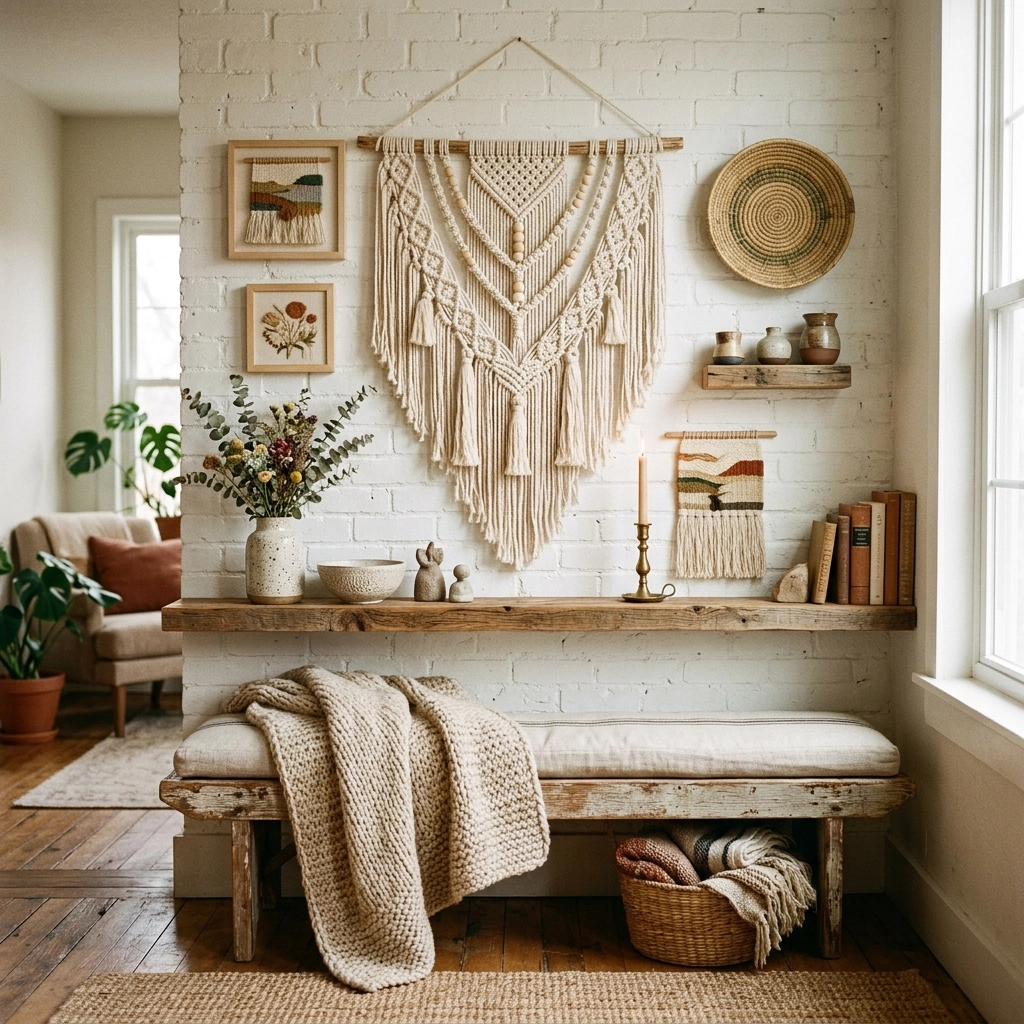

The concept of a "Living Gallery" represents a sophisticated evolution in interior design, moving away from static, showroom-style presentations toward a dynamic, curated environment that reflects a narrative of craftsmanship and individual history. To achieve this aesthetic within a condensed five-minute timeframe requires a foundational understanding of how handcrafted gifts and artisan decor function as semiotic markers of taste and temporal depth. By strategically integrating fiber art and artisanal objects, a homeowner can transform a mundane living space into a multifaceted gallery that feels "collected over time" rather than assembled in a single commercial transaction.
The Theoretical Foundation of the Living Gallery Vibe
A "Living Gallery" is defined by its ability to merge high-art sensibilities with the functional realities of a domestic environment. Unlike a traditional museum gallery, which often prioritizes sterile minimalism to highlight the artwork, a living gallery utilizes the inherent textures and histories of artisan decor to create a layered, lived-in atmosphere. The integration of fiber art is particularly efficacious in this regard, as natural fibers provide a tactile finish that ages gracefully, contributing to a sense of permanence and authenticity.
The pursuit of this aesthetic is rooted in the contemporary shift toward organic modernism, a design movement that favors natural materials and handcrafted imperfections over mass-produced uniformity. When one incorporates a unique piece of fiber art, such as the flower wall hanging, they are not merely adding a decorative element; they are introducing a three-dimensional sculptural component that interacts with the ambient light and shadow of the room. This interaction is central to the gallery experience, where the play of light on varying textures creates a dynamic visual field that evolves throughout the diurnal cycle.
The Role of Fiber Art in Dimensional Interior Styling
Fiber art serves as a pivotal medium within the living gallery due to its unique capacity for adding depth and movement to vertical surfaces. In the context of modern interior curation, fiber art acts as a bridge between the architectural rigidity of the home and the fluid, organic forms found in nature. The utilization of natural fibers: such as cotton, wool, or jute: introduces a biological warmth that is often absent in modern construction materials.
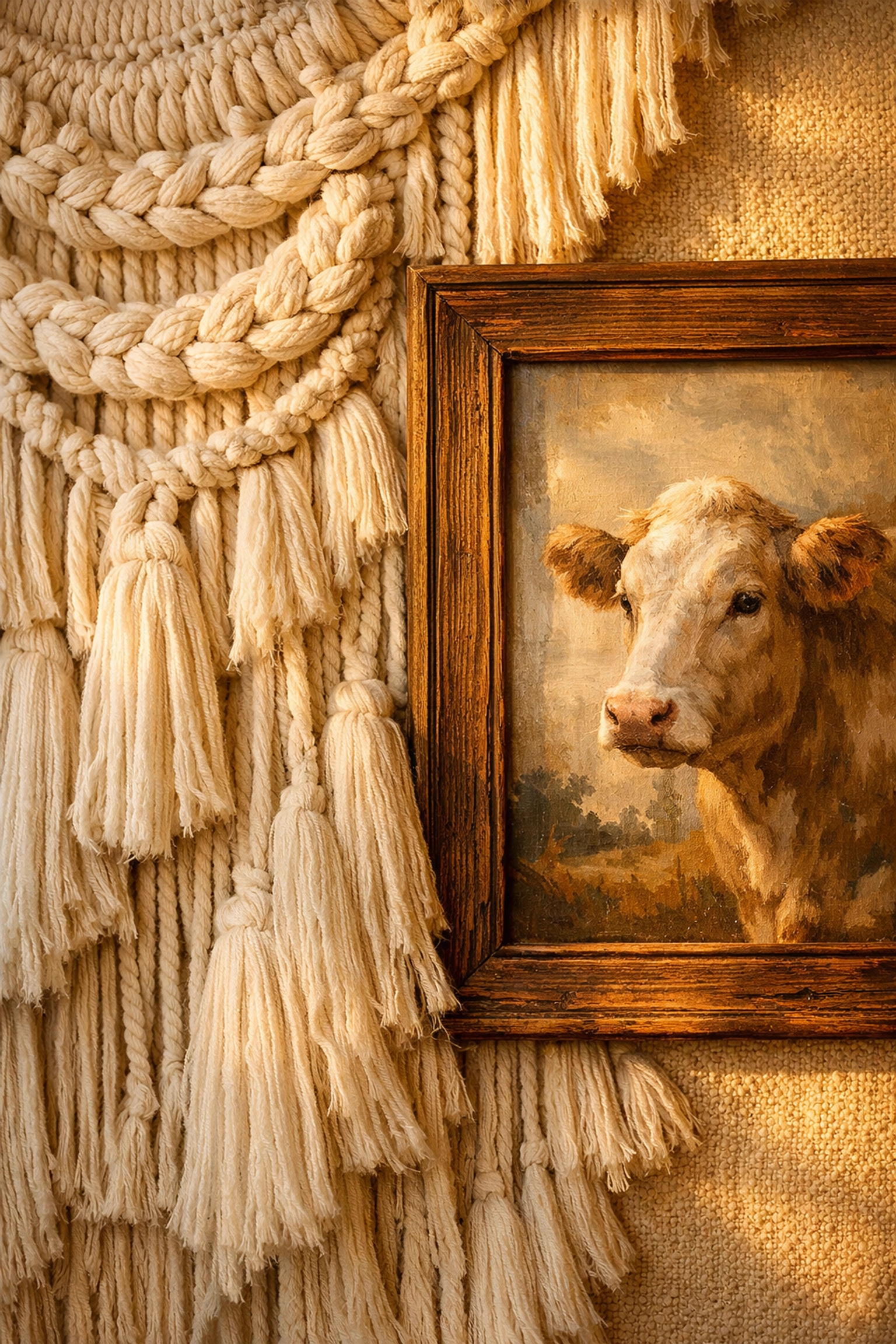
Furthermore, the three-dimensional nature of fiber-based installations allows for a layering effect that is difficult to achieve with two-dimensional paintings alone. By placing a textile piece in close proximity to a more traditional work, such as the cow painting, the curator establishes a dialogue between different artistic mediums. This dialogue is essential for the living gallery, as it suggests a sophisticated understanding of material diversity. The cow painting, which captures a rustic, pastoral essence, finds a complementary partner in the raw, unrefined textures of handcrafted fiber art, thereby reinforcing the "collected" narrative that is so vital to this design philosophy.
Tactical Implementation: The Five-Minute Transformation Strategy
While the creation of a genuine gallery may seem to require months of procurement, the "Five-Minute Living Gallery" strategy focuses on the rapid repositioning and layering of existing or newly acquired artisan pieces to maximize visual impact. This approach relies on the principle of "visual clustering," where disparate objects are grouped together to form a cohesive narrative unit.
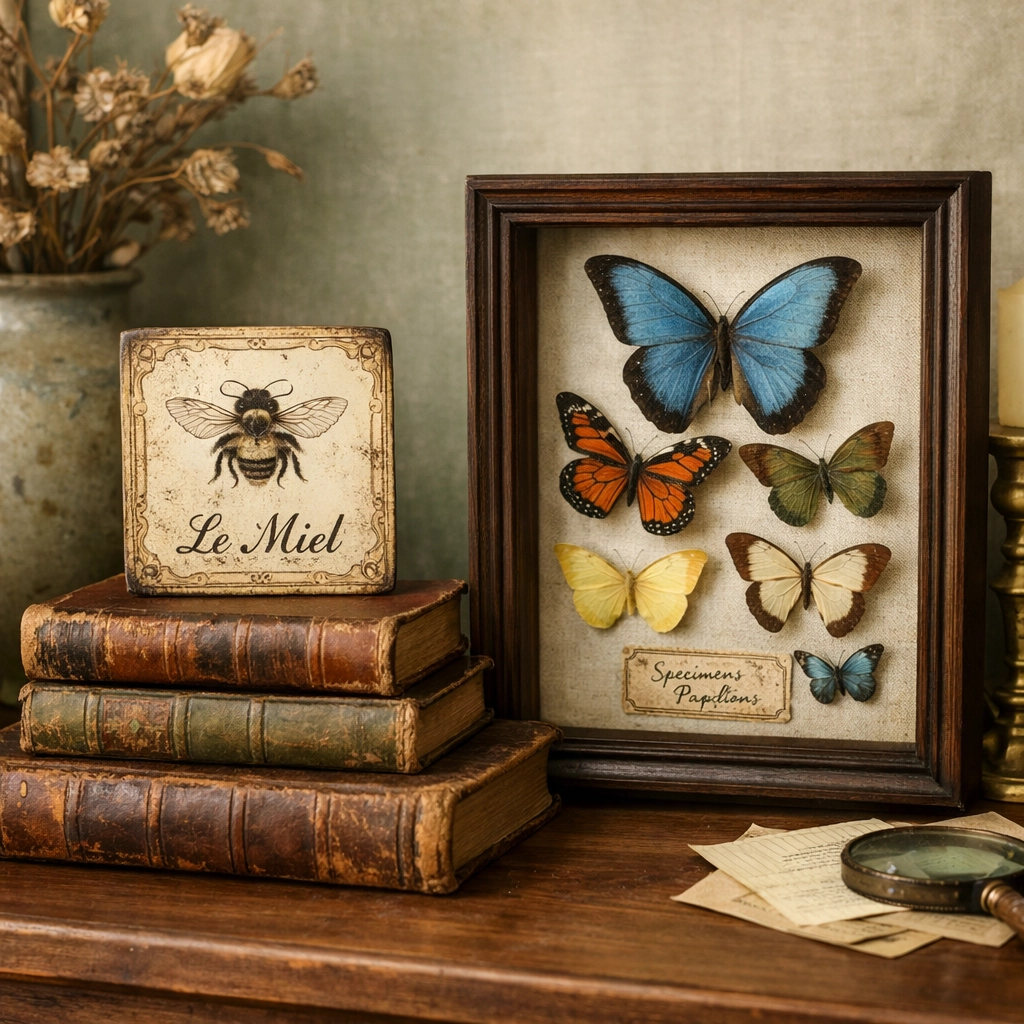
To begin this transformation, one should identify a central focal point, such as a mantle or a prominent wall. The first step involves the placement of a primary anchor piece: ideally a work that possesses significant scale or texture. Once this anchor is established, secondary elements are introduced to create a sense of balance and rhythm. For instance, incorporating a bee tin sign or a small chicken tin sign can add a touch of vintage patina and metalwork to the composition, contrasting with the soft, organic nature of fiber art. The juxtaposition of metal and fiber is a hallmark of curated artisan decor, as it highlights the varied skill sets of the craftsmen involved in creating the pieces.
Integrating Functional Artisan Decor as Art
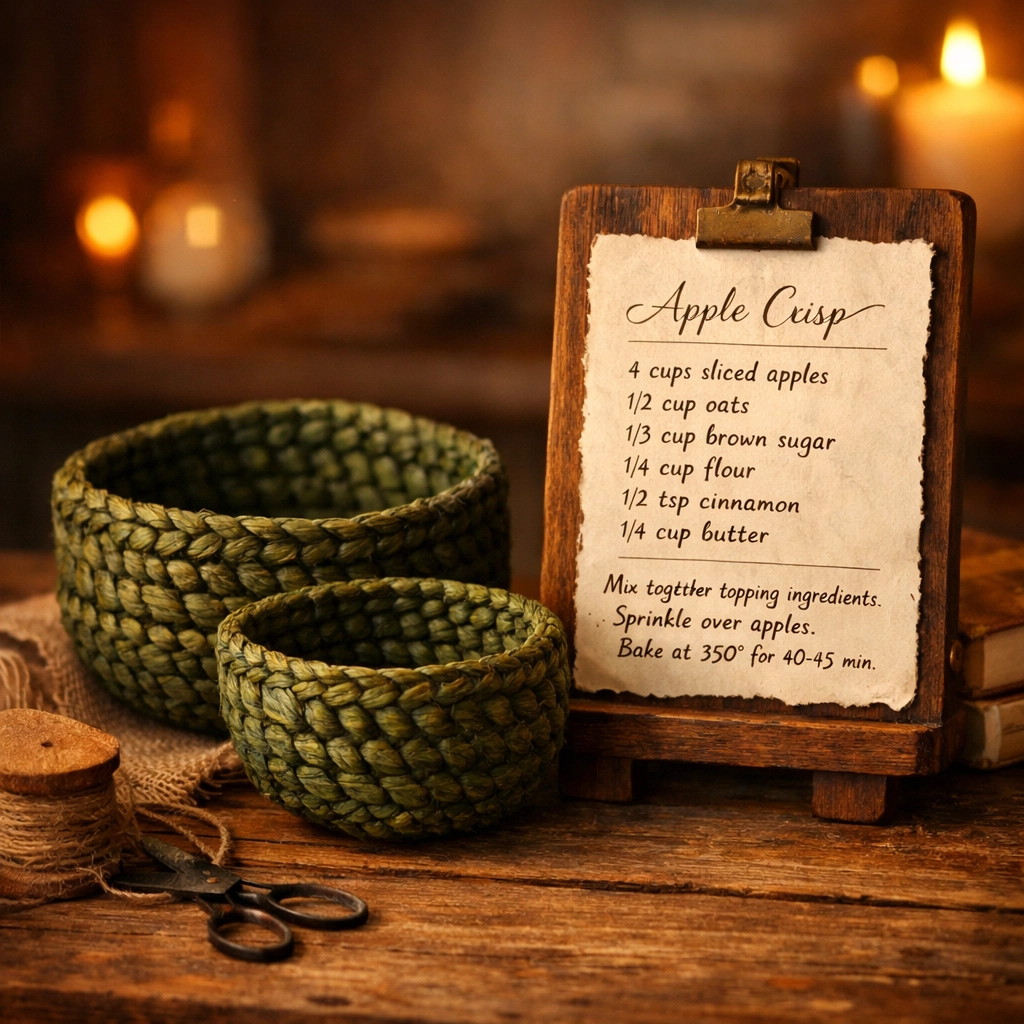
In a living gallery, the distinction between functional objects and purely aesthetic art is frequently blurred. Handcrafted items that serve a utilitarian purpose: such as baskets or recipe displays: are elevated to the status of gallery-grade artifacts when displayed with intentionality. The use of a small green basket or a large green basket can provide both storage and a pop of botanical color, reinforcing the organic modernism theme.
The presence of functional art in a room suggests a space that is both curated and inhabited. For example, a family recipe display serves as more than just a culinary reference; it acts as a biographical document, grounding the gallery in the personal history of the occupants. This layering of personal history with professional craftsmanship is what differentiates a living gallery from a standard interior design project. As noted by industry experts, "The inclusion of personal artifacts alongside artisan decor creates a psychological resonance that mass-market furniture cannot replicate" (- Michael N.).
Curating through Thematic Continuity and Biophilic Design
To maintain the integrity of the living gallery, it is beneficial to adhere to a subtle thematic continuity, often inspired by biophilic design: the practice of connecting occupants more closely to nature. This is achieved through the repetitive use of natural motifs, such as botanical patterns, avian imagery, and natural color palettes. Items like the she works hard for the honey decor or the chicken tin provide a rural, nature-centric focus that aligns with the artisan nature of the boutique's offerings.
Biophilic design is not merely an aesthetic choice but an educational one, as it encourages an appreciation for the natural world through the lens of human artistry. When one views a set of three books displayed alongside a fiber wall hanging, the books act as a foundation: both literal and metaphorical: for the artisan pieces above them. This layering technique, often referred to as "stacking," allows for the efficient use of space while creating a sense of density and richness that is characteristic of high-end galleries.
The Importance of Handcrafted Authenticity
In an era dominated by rapid manufacturing, the presence of handcrafted gifts and decor at Copper & Hazel Boutique serves as a testament to the value of human labor and artisanal skill. Every piece of fiber art carries with it the specific movements and decisions of the maker, resulting in a product that possesses a unique "aura" or spirit. This authenticity is the primary currency of the living gallery.
The use of artisan decor, such as the anti-social butterfly piece, allows the homeowner to express complex aspects of their personality through the medium of craft. By choosing to support local or specialized artisans, the curator of a living gallery also engages in a form of sustainable consumption, as these pieces are typically designed for longevity rather than obsolescence. The enduring nature of these materials ensures that the living gallery will continue to evolve and gain character over time, rather than requiring frequent replacement.
Conclusion: Sustaining the Curated Environment
Creating a living gallery vibe in five minutes is not about achieving a finished product, but about initiating a process of continuous curation. By understanding the interplay between texture, function, and nature-inspired motifs, one can quickly elevate a room using high-quality artisan components. The integration of fiber art, handcrafted tins, and functional baskets creates a multifaceted environment that is both visually stimulating and deeply personal.
The living gallery is a reflection of the transition from a consumer-focused mindset to a curator-focused mindset. By prioritizing unique, handcrafted pieces from sources like the Copper & Hazel shop, individuals can ensure that their living spaces remain a vibrant, evolving testament to the beauty of the handmade world. This commitment to craftsmanship not only enhances the aesthetic value of the home but also fosters a deeper connection to the objects we choose to live with every day.
🔖Tags: #FiberArt #ArtisanDecor #LivingGallery #InteriorDesign2026 #CopperAndHazel #HandcraftedGifts #HomeStyling #OrganicModernism #CuratedHome
Leave a Reply
Your email address will not be published. Required fields are marked *
Comment
**Name ***
**Email ***
Website
[ ] Save my name, email, and website in this browser for the next time I comment.
[ Post Comment ]