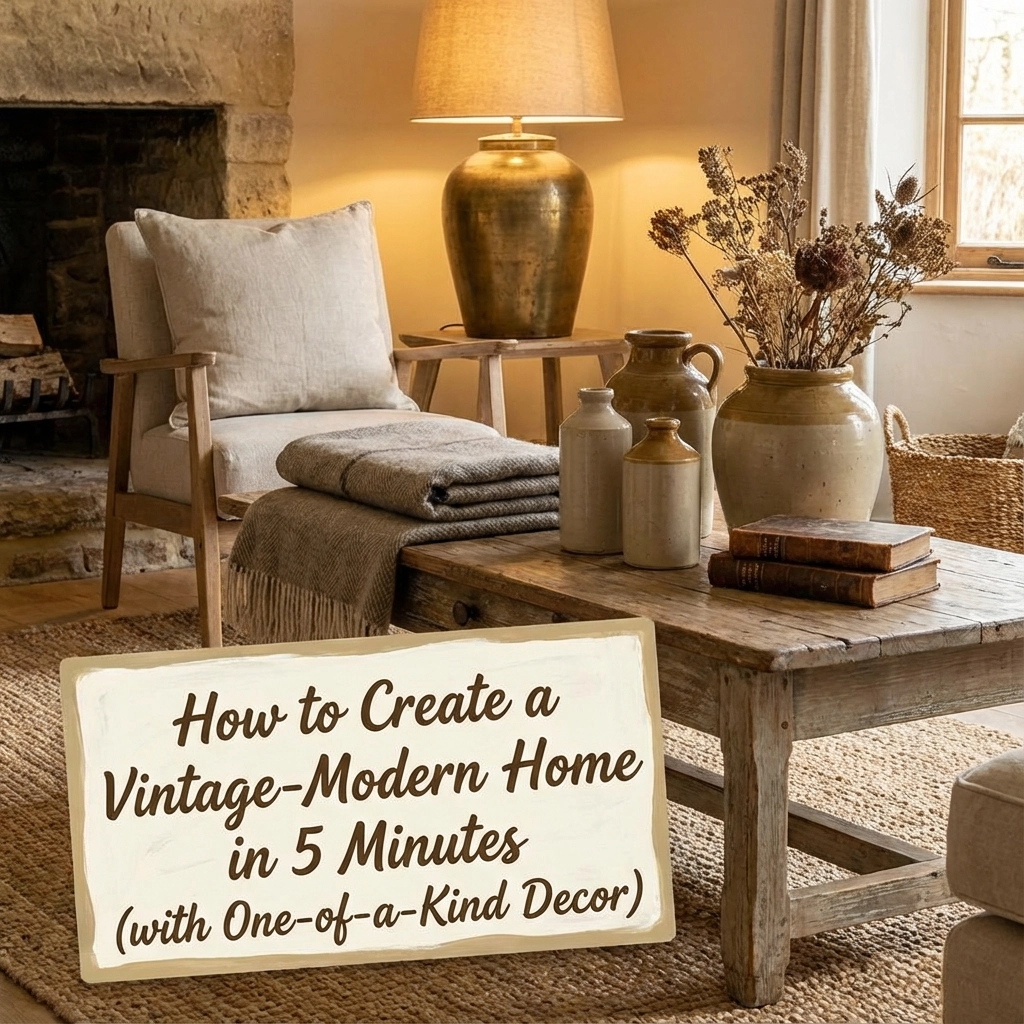

The concept of achieving a complete aesthetic transformation within a five-minute timeframe may initially appear implausible, particularly when considering the intricate balance required between vintage charm and contemporary sophistication. However, the strategic implementation of carefully selected one-of-a-kind decor pieces can indeed produce immediate and dramatic visual impact that fundamentally alters the perceived character of any living space. This rapid transformation methodology relies not upon extensive renovation or wholesale furniture replacement, but rather upon the deliberate placement of statement pieces that serve as visual anchors for the entire room's aesthetic narrative.
The vintage-modern design philosophy represents a sophisticated approach to interior decoration that harmoniously blends elements from different temporal periods, creating spaces that feel both timeless and contemporary. Understanding this design principle requires recognition that successful vintage-modern integration depends heavily upon the careful curation of unique, handcrafted elements that possess sufficient visual weight to establish the desired atmospheric tone throughout the space.
Understanding the Fundamental Principles of Vintage-Modern Aesthetic Integration
The successful creation of vintage-modern interiors necessitates a comprehensive understanding of how contrasting design elements can be strategically combined to produce cohesive visual narratives. This aesthetic approach fundamentally relies upon the principle of intentional juxtaposition, wherein contemporary elements are deliberately paired with vintage pieces to create dynamic visual tension that enhances rather than detracts from the overall design scheme.
Professional interior designers consistently emphasize that the most effective vintage-modern spaces are those that demonstrate clear intentionality in their design choices, rather than appearing as accidental collections of disparate items. The key to achieving this intentionality lies in selecting pieces that share common visual threads: whether through color palette, material composition, or geometric form: while representing distinctly different historical periods.
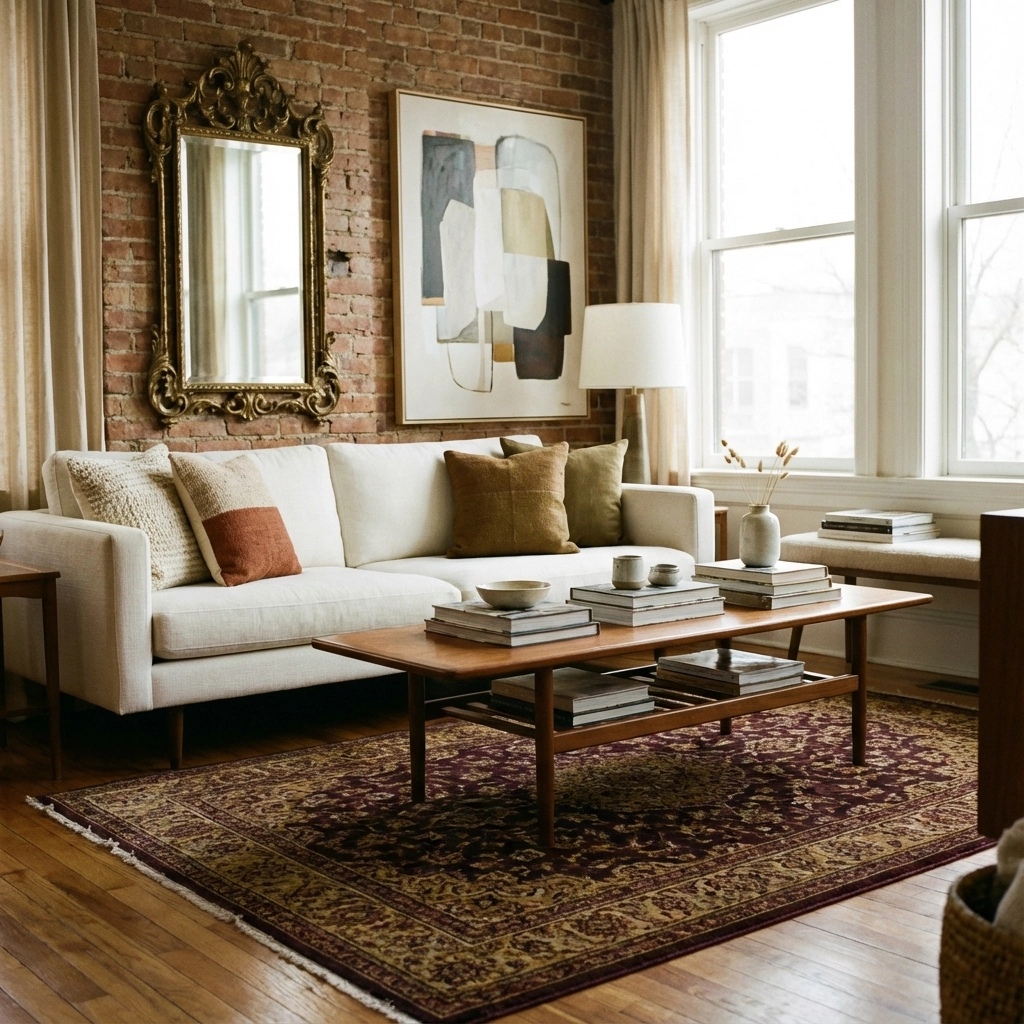
The temporal bridging that characterizes successful vintage-modern design requires careful attention to scale, proportion, and visual weight distribution throughout the space. Contemporary furniture pieces, with their typically clean lines and minimalist profiles, provide an excellent counterpoint to the ornate details and rich textures commonly found in vintage decorative objects. This contrast becomes particularly effective when the vintage elements chosen possess sufficient visual impact to hold their own against the stark simplicity of modern design elements.
The Strategic Five-Minute Transformation Methodology
The rapid transformation of living spaces through strategic decor placement represents a highly effective approach to interior design modification that can be accomplished within extremely compressed timeframes. This methodology depends upon the identification of key visual focal points within existing room layouts and the strategic placement of high-impact decorative elements that immediately shift the perceived aesthetic character of the entire space.
The first critical step in this transformation process involves the selection of a single, visually commanding vintage piece that will serve as the primary focal point for the entire room. This focal piece: whether it takes the form of an ornate vintage mirror, an antique wooden chest, a hand-forged metal chandelier, or a carefully restored mid-century chair: must possess sufficient visual presence to anchor the entire design scheme while providing a clear reference point for all subsequent decorative decisions.
The positioning of this focal piece requires careful consideration of existing room architecture and furniture placement patterns. Professional designers recommend placing such statement pieces in locations where they will receive maximum visual exposure while complementing rather than competing with existing architectural features such as fireplaces, large windows, or built-in cabinetry.
Implementing Quick-Impact Vintage-Modern Integration Techniques
The strategic layering of contemporary artwork above or around vintage furniture pieces represents one of the most effective methods for achieving rapid aesthetic transformation while maintaining design coherence. This technique creates visual bridges between different temporal periods by establishing clear relationships between old and new elements through careful positioning and proportional balance.
Modern abstract paintings, contemporary photography, or minimalist graphic prints positioned above antique dressers, vintage seating arrangements, or restored wooden tables create immediate visual interest while reinforcing the intentional nature of the vintage-modern aesthetic blend. The contrast between the clean lines typically found in contemporary art and the ornate details characteristic of vintage furniture pieces generates dynamic visual tension that enhances the overall sophistication of the space.
The introduction of vintage textiles represents another highly effective rapid transformation technique that can be implemented with minimal effort while producing maximum visual impact. Hand-woven throws, vintage-patterned pillows, antique tapestries, or restored fabric pieces can be strategically draped over modern furniture to immediately soften stark contemporary lines while introducing rich textures and complex patterns that characterize vintage design sensibilities.
Lighting modifications constitute perhaps the most dramatic single change that can be implemented within the five-minute timeframe, particularly when involving the strategic placement of vintage lighting fixtures in modern settings. Antique table lamps positioned on contemporary surfaces, restored pendant lights hung in minimalist spaces, or vintage sconces mounted alongside clean-lined modern furniture create immediate atmospheric changes while establishing clear vintage-modern design intentions.
Selecting and Positioning One-of-a-Kind Decorative Elements
The success of rapid vintage-modern transformation depends heavily upon the careful selection of one-of-a-kind pieces that possess sufficient visual impact to establish the desired aesthetic tone while maintaining compatibility with existing room elements. Handcrafted decorative objects, artisan-created furniture pieces, and unique vintage finds represent ideal choices for this type of rapid transformation project due to their inherent ability to serve as conversation pieces while anchoring the overall design scheme.
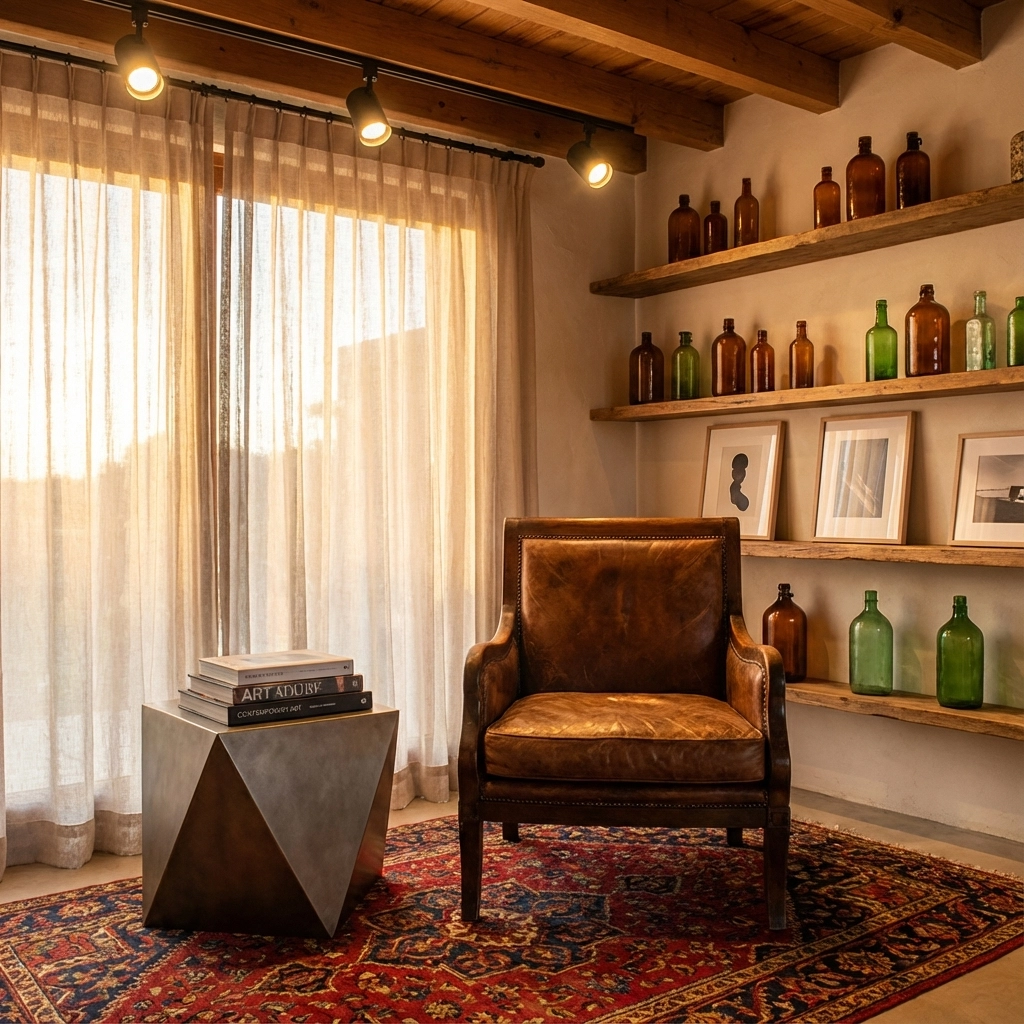
Vintage rugs, particularly those featuring traditional patterns such as Persian, Turkish, or hand-knotted designs, provide excellent foundation elements for vintage-modern spaces due to their ability to unify disparate furniture pieces while introducing rich colors and complex patterns that enhance the overall visual sophistication of the room. The strategic placement of such rugs can immediately transform the perceived character of contemporary spaces while providing clear definition for seating areas and traffic patterns.
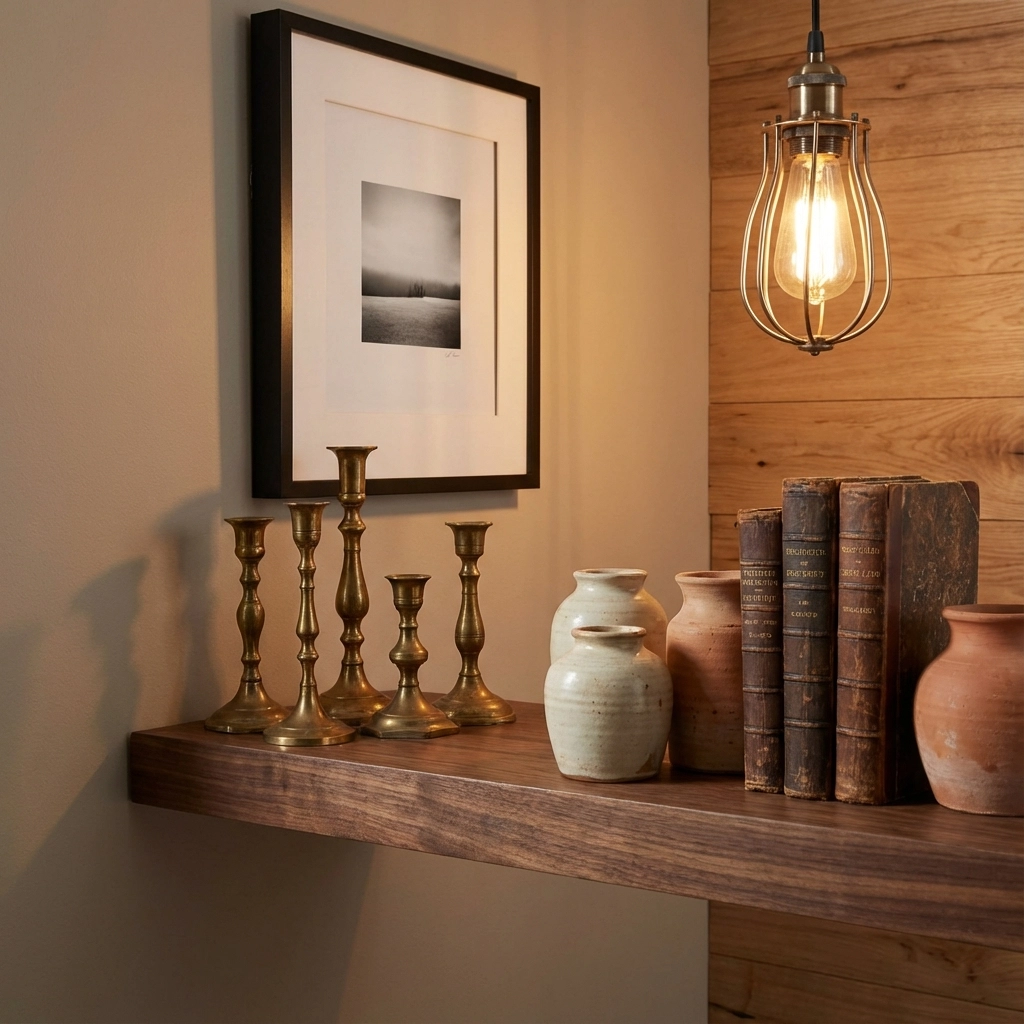
The grouping of similar vintage items represents another effective technique for creating visual cohesion while establishing clear vintage design references throughout the space. Collections of antique books, vintage glassware, restored pottery pieces, or hand-forged metal objects can be strategically arranged on modern shelving systems or contemporary surfaces to create compelling vignettes that reinforce the vintage-modern aesthetic while demonstrating clear curatorial intention.
Professional designers consistently recommend limiting the number of vintage focal pieces within any single room to prevent visual overwhelm while maintaining design coherence. The most successful vintage-modern spaces are those that feature one or two carefully selected statement pieces rather than numerous smaller items that can create visual clutter and diminish the impact of individual elements.
Avoiding Common Implementation Mistakes and Design Pitfalls
The rapid implementation of vintage-modern design principles requires careful attention to common mistakes that can undermine the effectiveness of the overall aesthetic approach. One of the most frequent errors involves the selection of vintage pieces that lack sufficient visual weight to compete effectively with contemporary elements, resulting in spaces that appear unbalanced or accidentally assembled rather than deliberately designed.
Another common pitfall involves the over-accumulation of vintage elements without adequate modern counterpoints, creating spaces that feel more like antique shops than thoughtfully designed living environments. The vintage-modern aesthetic requires careful balance between old and new elements, with each category providing essential contrast that enhances the visual impact of the other.
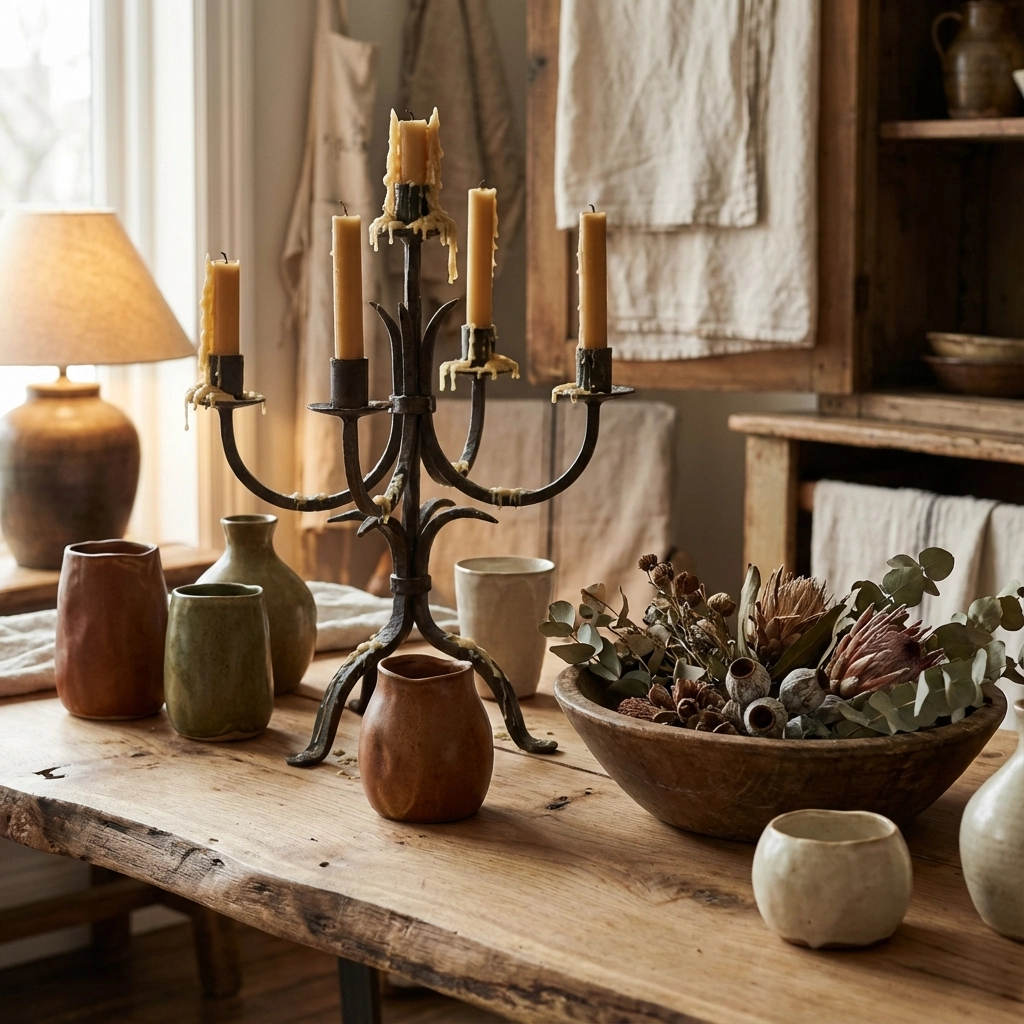
The inappropriate scaling of vintage pieces within contemporary room layouts represents another frequent mistake that can significantly diminish the effectiveness of rapid transformation efforts. Vintage furniture and decorative objects were often designed for different spatial proportions than those typically found in contemporary homes, requiring careful consideration of how such pieces will appear within modern architectural contexts.
Color coordination mistakes can also significantly undermine vintage-modern design efforts, particularly when vintage pieces introduce color palettes that clash dramatically with existing contemporary elements. The most successful rapid transformations are those that identify common color threads between vintage and modern pieces, creating visual harmony that reinforces the intentional nature of the design approach.
Professional Tips for Maximizing Transformation Impact
Interior design professionals consistently emphasize the importance of understanding existing room architecture when implementing rapid vintage-modern transformations. Rooms with strong architectural features such as exposed beams, built-in cabinetry, or distinctive molding provide natural opportunities for vintage piece placement that can enhance rather than compete with existing design elements.
The strategic use of negative space represents another crucial consideration for successful rapid transformation projects. Vintage pieces often possess significant visual presence that requires adequate breathing room to achieve maximum impact. Overcrowding vintage elements or failing to provide appropriate visual separation can diminish their effectiveness while creating cluttered appearances that undermine the sophisticated aesthetic goals of vintage-modern design.
Professional designers also recommend considering the long-term flexibility of rapid transformation choices, selecting vintage pieces that can be easily repositioned or supplemented as design preferences evolve over time. The most successful vintage-modern spaces are those that maintain adaptability while establishing clear aesthetic foundations through carefully chosen statement pieces.
The consideration of natural lighting patterns within existing spaces represents another crucial factor for maximizing the impact of vintage decorative elements. Vintage pieces often feature rich textures and complex details that benefit from adequate natural illumination, while contemporary elements may appear stark or cold without appropriate lighting support.
🔖Tags: vintage-modern decor, handcrafted home decor, unique interior design, one-of-a-kind furniture, artisan home accessories, vintage home styling, modern vintage blend, handmade decor pieces, boutique home furnishings, eclectic interior design
Comments
What do you think about this vintage-modern approach? Have you tried any quick transformation techniques in your own home? Share your experiences below!
Name* (required)
Email* (required)
Website
Comment* (required)