
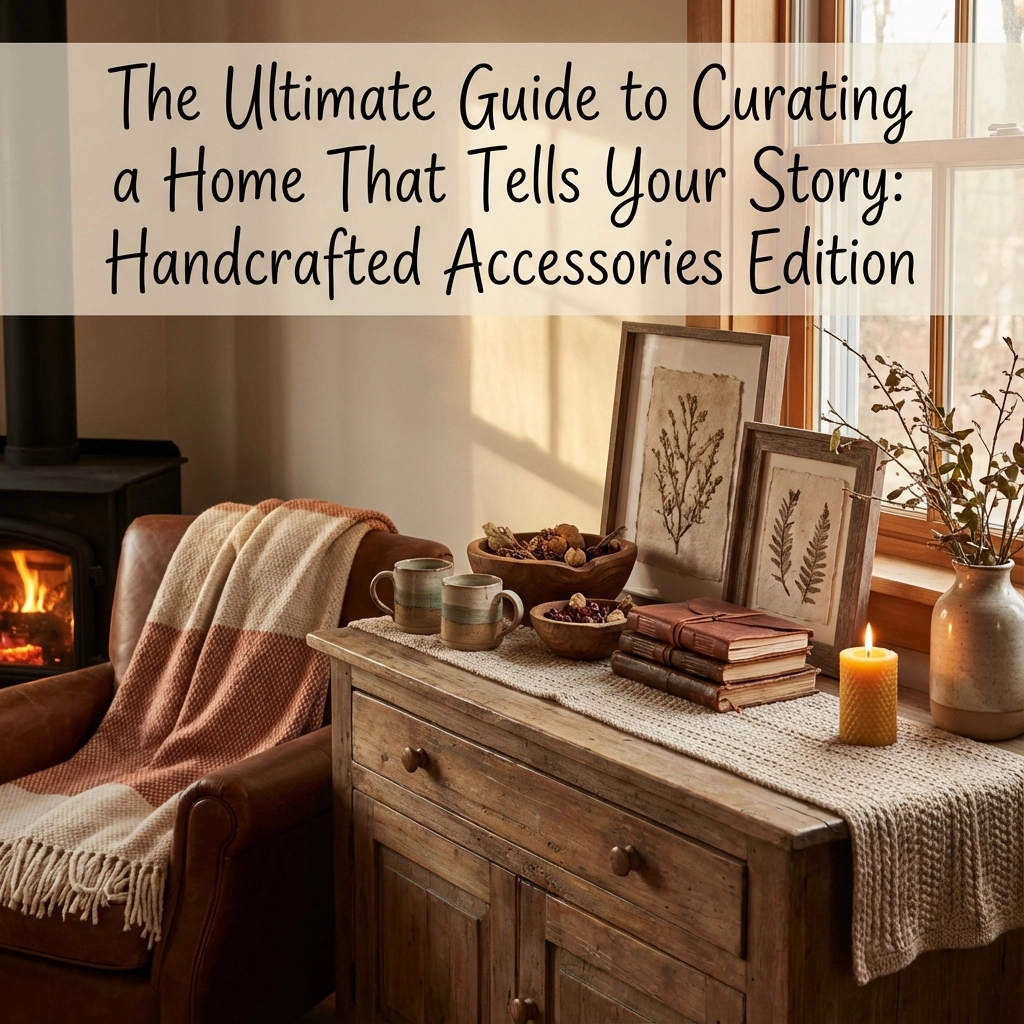

Your home represents more than mere shelter; it functions as a canvas for personal narrative, cultural expression, and artistic appreciation. When approaching interior design through the lens of handcrafted accessories, homeowners unlock the potential to create spaces that communicate authentic stories while supporting artisanal traditions that span generations. The strategic curation of handmade elements transforms generic living spaces into meaningful environments that reflect individual values, aesthetic preferences, and cultural connections.
The distinction between mass-produced décor and handcrafted accessories extends far beyond manufacturing methods. Each handmade piece carries embedded narratives of cultural heritage, artistic technique, and individual craftsmanship that cannot be replicated through industrial processes. These elements serve as conversation catalysts, memory anchors, and visual representations of personal journeys that transform houses into homes with genuine character and depth.
Understanding the Significance of Handcrafted Accessories in Home Storytelling
Handcrafted accessories function as tangible connections to human creativity and cultural preservation. Unlike their mass-produced counterparts, these pieces embody the subtle imperfections and unique characteristics that demonstrate human involvement in their creation. The slight variations in pottery glazes, the individual brushstrokes on painted wooden furniture, and the organic textures of hand-woven textiles all contribute to the authentic atmosphere that defines thoughtfully curated living spaces.
The emotional resonance of handcrafted pieces stems from their ability to connect homeowners with broader human experiences. A hand-thrown ceramic vase represents not only functional beauty but also the potter's skill, cultural traditions, and artistic vision. When displayed prominently within a living space, such pieces communicate the homeowner's appreciation for craftsmanship while creating visual focal points that anchor room designs around meaningful objects rather than temporary trends.
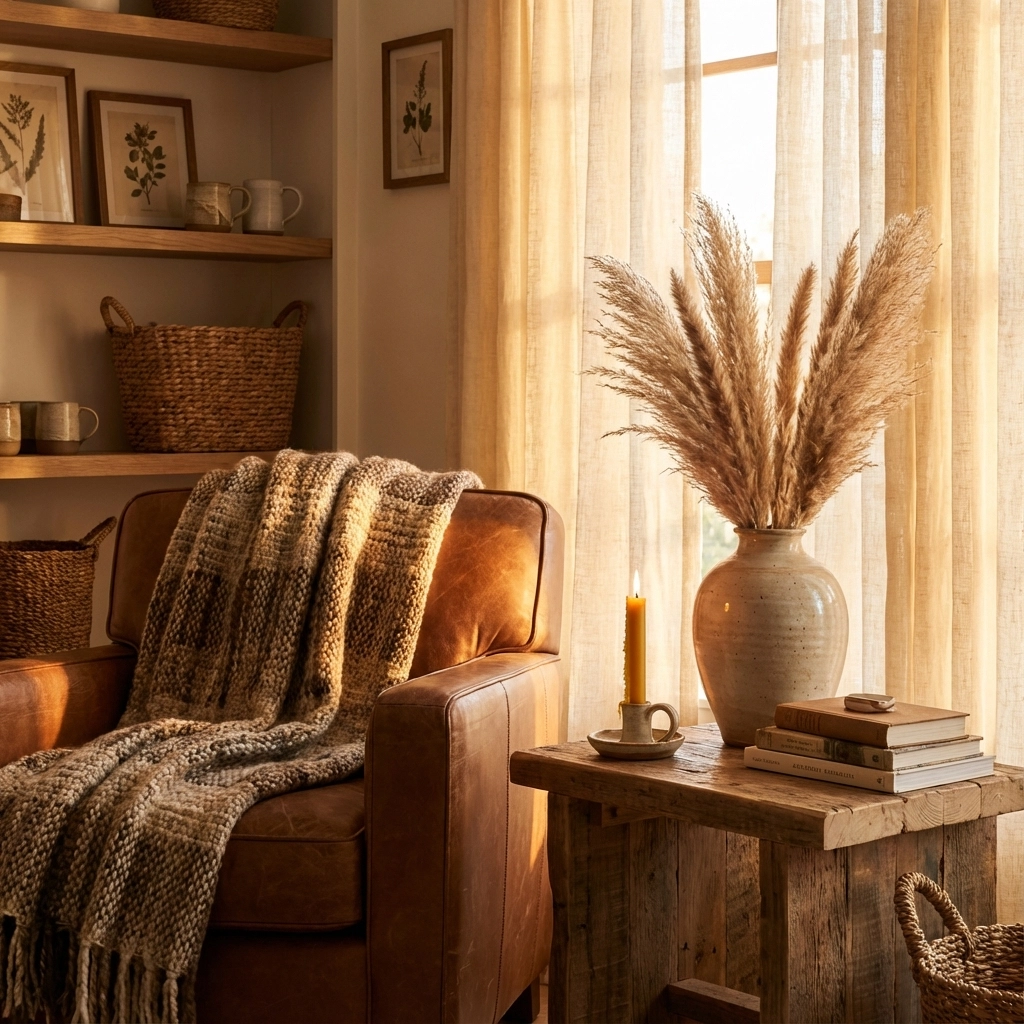
Categorizing Handcrafted Accessories for Effective Home Curation
The world of handcrafted accessories encompasses numerous categories, each offering distinct opportunities for personal expression and narrative development. Understanding these categories enables homeowners to make informed decisions about which pieces best serve their storytelling objectives while maintaining aesthetic cohesion throughout their living spaces.
Textile Arts and Fiber Crafts represent one of the most versatile categories for home storytelling. Hand-woven rugs, embroidered pillows, quilted wall hangings, and artisanal throws introduce texture, color, and cultural significance to any room. These pieces often carry regional traditions and symbolic meanings that add layers of interpretation to home environments. The tactile nature of textile accessories also contributes to the sensory experience of spaces, creating inviting atmospheres that encourage relaxation and contemplation.
Ceramic and Pottery Collections offer opportunities to incorporate both functional and decorative elements that showcase artistic skill and cultural heritage. Hand-thrown bowls, sculptural vases, decorative plates, and artistic lighting fixtures demonstrate the versatility of clay as a medium for personal expression. The organic shapes and unique glazing patterns found in handcrafted ceramics create visual interest while serving practical purposes in daily living routines.
Woodcraft and Carved Elements bring natural warmth and organic textures to interior spaces while showcasing traditional woodworking techniques. Hand-carved furniture pieces, decorative sculptures, artisanal picture frames, and functional storage solutions demonstrate the beauty of natural materials when shaped by skilled craftspeople. The grain patterns, natural coloring, and tactile qualities of handcrafted wood accessories create connections to natural environments while adding rustic or refined elegance depending on finishing techniques.
Metalwork and Forged Accessories introduce industrial aesthetics and cultural traditions associated with blacksmithing and metalcraft. Hand-forged lighting fixtures, decorative wall sculptures, functional hardware, and artistic containers showcase the strength and malleability of various metals while adding visual weight and textural contrast to interior designs.
Strategic Principles for Handcrafted Accessory Integration
Successful integration of handcrafted accessories requires careful consideration of scale, proportion, and thematic consistency. The most effective approach involves treating these pieces as investments in long-term aesthetic development rather than temporary decorative solutions. This perspective encourages thoughtful selection processes that prioritize quality, meaning, and visual impact over impulse purchases or trend-following behaviors.
The principle of intentional placement ensures that handcrafted accessories receive appropriate visual emphasis without overwhelming existing design elements. Large statement pieces, such as hand-woven tapestries or sculptural ceramics, function most effectively when positioned as focal points with adequate surrounding space for visual appreciation. Smaller accessories work best when grouped strategically to create vignettes that tell cohesive stories while maintaining individual piece integrity.
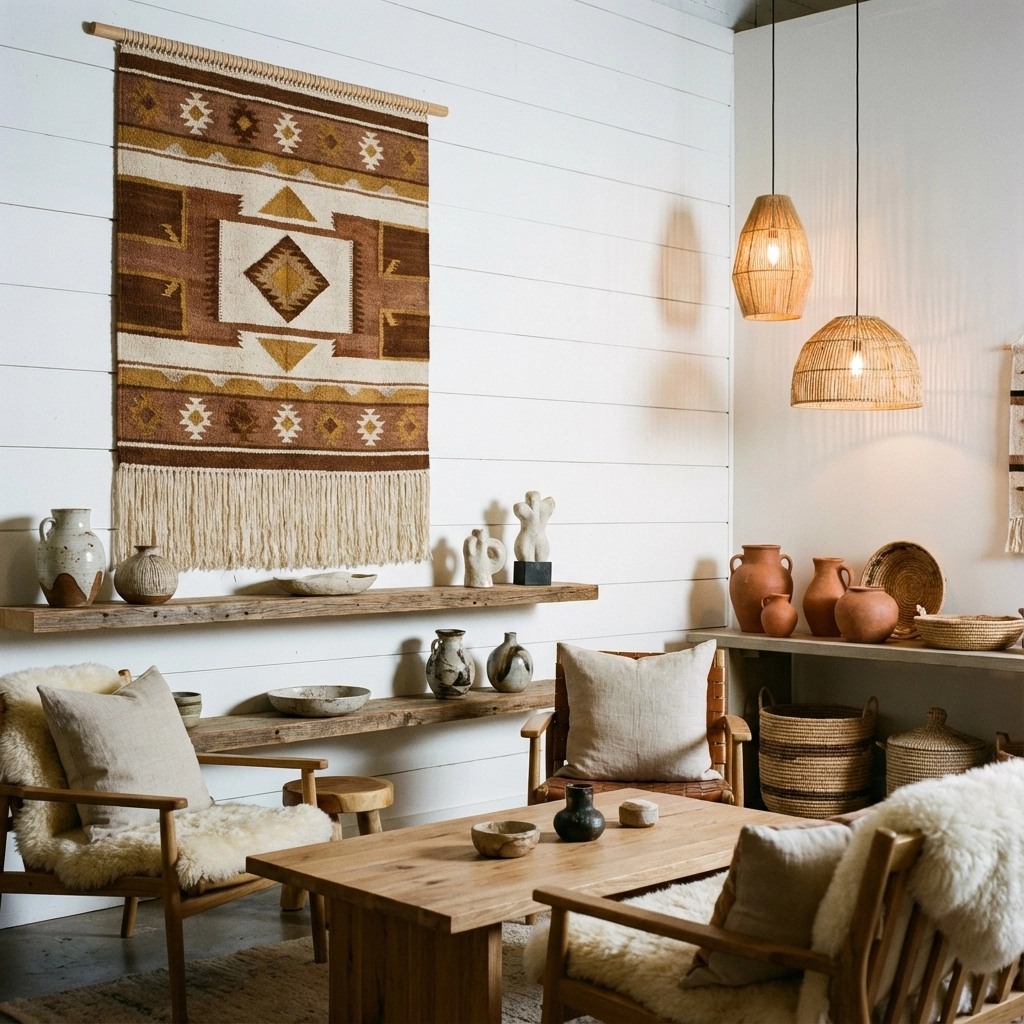
Color coordination and tonal harmony play crucial roles in successful handcrafted accessory integration. While these pieces often feature unique coloring and patina that cannot be exactly matched, selecting accessories within complementary color families creates visual cohesion without sacrificing individual character. The natural variations found in handcrafted pieces often provide more interesting color relationships than perfectly matched manufactured items.
Creating Narrative Cohesion Through Thoughtful Curation
Effective home storytelling through handcrafted accessories requires developing clear narrative themes that guide selection and placement decisions. These themes might reflect cultural heritage, travel experiences, artistic preferences, or philosophical values that resonate with homeowners' personal identities. Establishing narrative frameworks helps prevent random accumulation of beautiful objects that lack connecting threads or meaningful relationships.
The layering technique involves building visual and thematic complexity through carefully orchestrated combinations of handcrafted elements. This approach might combine textiles from similar regional traditions, ceramics from related artistic movements, or woodcraft pieces that showcase complementary techniques. The resulting assemblages create rich visual experiences that reward closer examination while maintaining overall aesthetic unity.
Seasonal rotation strategies allow homeowners to highlight different aspects of their handcrafted collections while preventing visual stagnation. Rotating textile accessories, rearranging ceramic displays, and repositioning sculptural elements creates opportunities for rediscovering beloved pieces while adapting living spaces to changing moods and preferences. This practice also extends the visual life of collections by preventing habituation to static arrangements.
Practical Implementation Strategies for Home Curation
Beginning collectors benefit from establishing clear priorities and budget parameters before embarking on handcrafted accessory acquisition journeys. Quality handmade pieces represent significant investments that appreciate in value while providing lasting aesthetic satisfaction. Focusing on fewer, higher-quality pieces creates more impactful results than accumulating numerous lower-quality items that may lose their appeal over time.
Research and provenance investigation enhance the storytelling potential of handcrafted accessories while ensuring authentic purchases. Understanding the cultural background, artistic techniques, and maker histories associated with potential acquisitions adds depth to their narrative value within home environments. This knowledge also facilitates more engaging conversations with guests who express interest in specific pieces or overall design approaches.
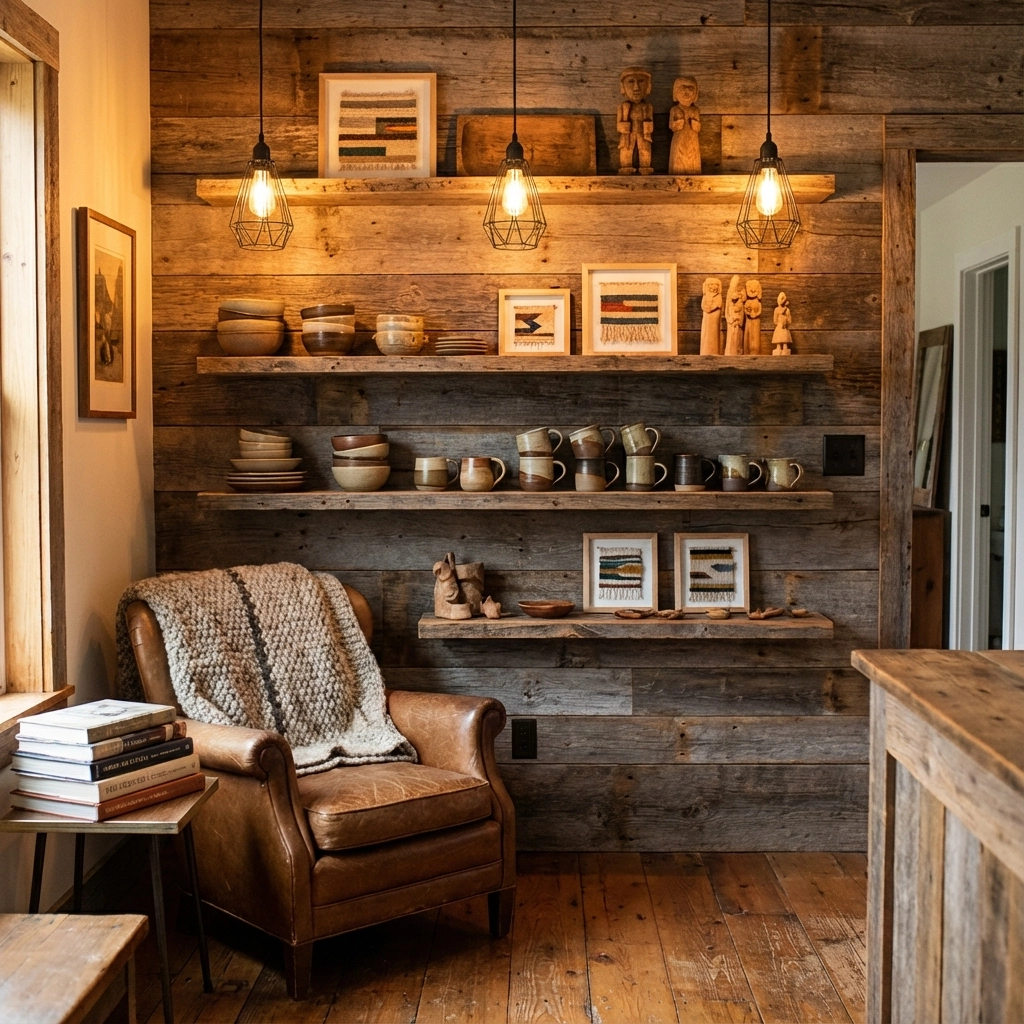
The establishment of dedicated display areas, such as gallery walls, shadow boxes, or illuminated alcoves, creates opportunities for highlighting particularly meaningful or visually striking handcrafted accessories. These presentation strategies elevate everyday objects to art-worthy status while providing flexible frameworks for collection expansion and rearrangement activities.
Building Long-Term Collecting Strategies
Successful handcrafted accessory curation requires developing relationships with reliable sources, including local boutiques, artisan markets, and reputable online retailers. These relationships provide access to new acquisitions while ensuring quality standards and authenticity verification. Building trust with knowledgeable dealers also creates opportunities for educational experiences that enhance appreciation for craftsmanship techniques and cultural traditions.
Documentation practices, including photography, provenance records, and personal reflection notes, preserve the stories associated with handcrafted accessories while creating valuable references for future collecting decisions. These records also facilitate insurance processes and estate planning considerations that protect valuable collections while ensuring their continued appreciation by future generations.
The integration of handcrafted accessories into daily living routines ensures that these pieces fulfill their intended functions while providing ongoing aesthetic satisfaction. Rather than treating collections as museum displays, incorporating handmade items into regular use patterns creates deeper connections between owners and objects while honoring the functional intentions of their original creators.
Maintaining and Preserving Handcrafted Collections
Proper care and maintenance protocols protect handcrafted accessories from damage while preserving their aesthetic and monetary value. Understanding the specific requirements of different materials and techniques ensures that cleaning, storage, and handling practices support long-term preservation goals without compromising daily enjoyment of collected pieces.
Environmental considerations, including humidity control, light exposure management, and temperature stability, play crucial roles in maintaining handcrafted accessories in optimal condition. These factors become particularly important for textile arts, organic materials, and pieces with delicate surface treatments that may deteriorate under adverse conditions.
The thoughtful curation of handcrafted accessories transforms living spaces into personal galleries that celebrate human creativity while reflecting individual aesthetic preferences and cultural values. Through strategic selection, placement, and care practices, homeowners create meaningful environments that tell authentic stories while supporting artisanal traditions that connect contemporary life with historical craftsmanship heritage. This approach to home decoration transcends temporary trends to establish lasting beauty that grows more meaningful with time and continued appreciation.
🔖Tags: handcrafted home decor, artisan accessories, home curation, handmade gifts, interior design, cultural heritage, home storytelling, craftsmanship, authentic decor
Leave a Comment
Your email address will not be published. Required fields are marked *
Comment*
Name*
Email*
Website
☐ Save my name, email, and website in this browser for the next time I comment.