
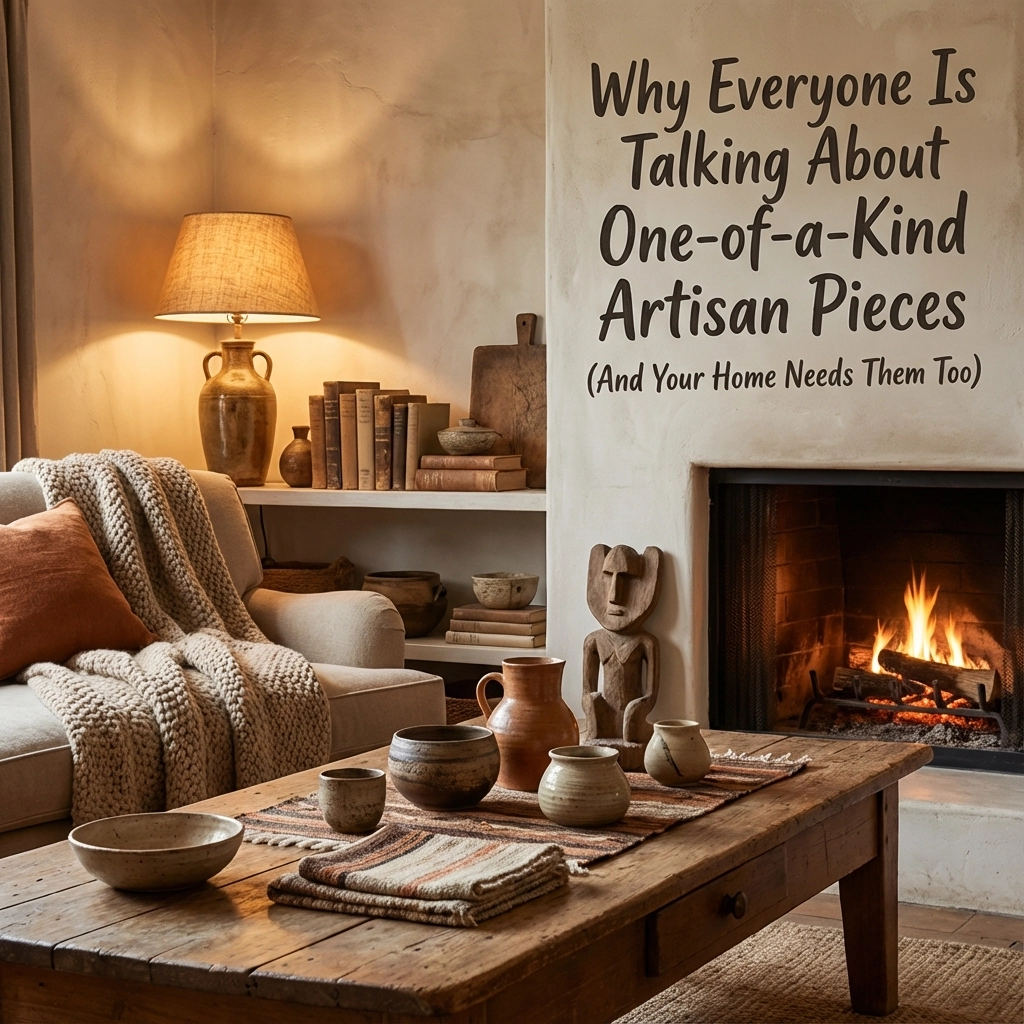

The contemporary home decor landscape is experiencing a profound transformation, one that represents a fundamental shift away from mass-produced, homogeneous furnishings toward authentic, handcrafted pieces that carry both individual character and meaningful narratives. This movement toward one-of-a-kind artisan pieces reflects a deeper cultural awakening: a recognition that our living spaces should embody personal values, environmental consciousness, and genuine craftsmanship rather than simply following transient design trends dictated by large-scale manufacturing operations.
Understanding why this movement has gained such significant momentum requires examining multiple interconnected factors that influence modern consumer behavior, from psychological needs for authenticity and connection to practical considerations regarding quality, sustainability, and long-term value. The growing preference for artisan pieces represents more than aesthetic choice; it constitutes a deliberate rejection of disposable culture and an embrace of meaningful, lasting relationships with the objects that populate our most intimate spaces.
The Psychology Behind the Movement Toward Authentic Craftsmanship
The human desire for authenticity in our immediate environment stems from fundamental psychological needs that mass-produced items simply cannot satisfy, regardless of their visual appeal or functional adequacy. When individuals choose handcrafted pieces for their homes, they are essentially seeking to establish emotional connections with objects that carry tangible evidence of human creativity, skill, and intentional design decisions made by actual artisans rather than corporate committees focused primarily on profit margins and broad market appeal.
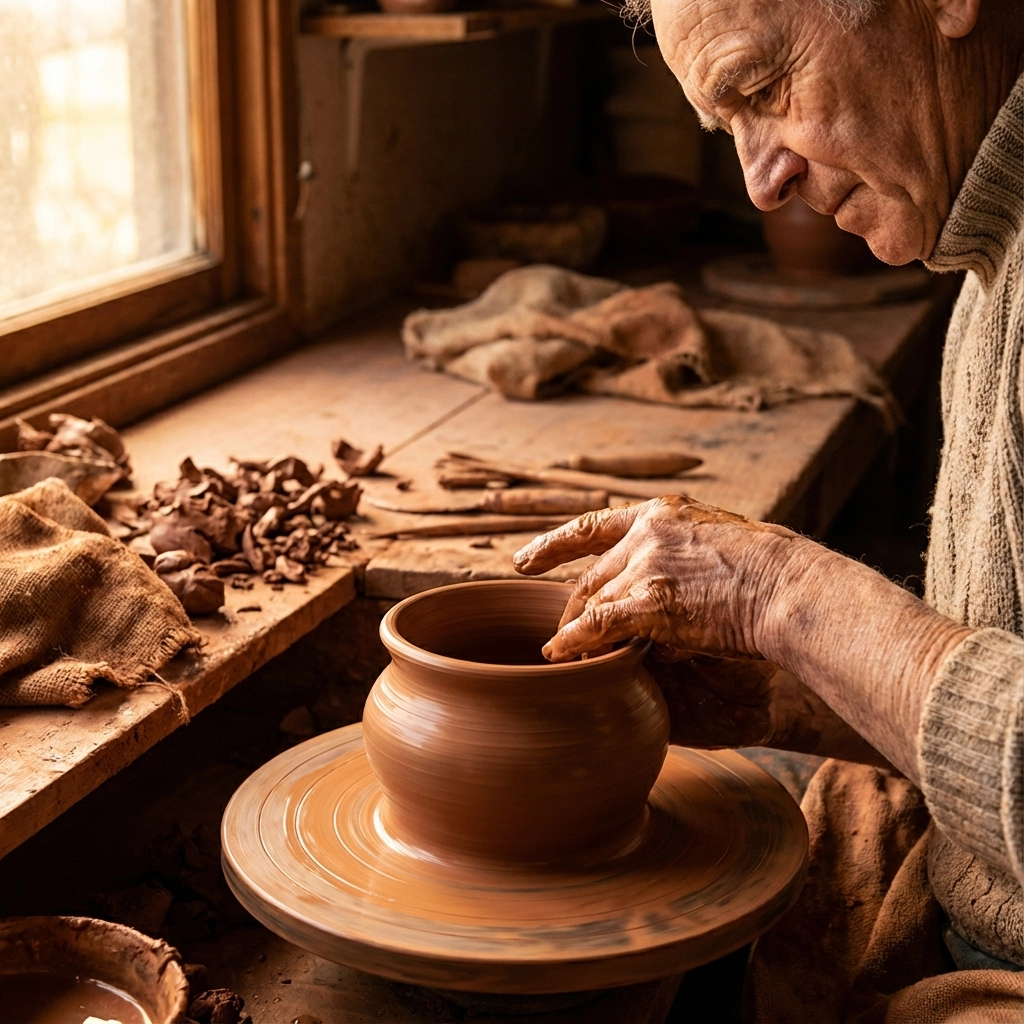
Each artisan piece possesses what scholars in material culture studies refer to as "biographical narrative": the accumulated story of its creation, from the selection of raw materials through the various stages of craftsmanship that resulted in the finished object. This narrative dimension creates psychological satisfaction that transcends mere aesthetic appreciation, providing homeowners with a sense of connection to both the creator and the creative process that brought the piece into existence. The knowledge that no identical item exists anywhere else in the world satisfies our innate human desire for uniqueness and individual expression within our personal spaces.
Furthermore, the slight variations and imperfections inherent in handcrafted work serve as visible reminders of human involvement in the creation process, creating what researchers call "authentic markers" that distinguish genuine craftsmanship from machine precision. These characteristics: whether they manifest as subtle asymmetries in pottery, variations in wood grain patterns, or the distinctive tool marks left by hand carving: contribute to the overall appeal of artisan pieces by providing visual evidence of their authentic origins and the skilled human labor invested in their creation.
Quality That Transcends Time and Trends
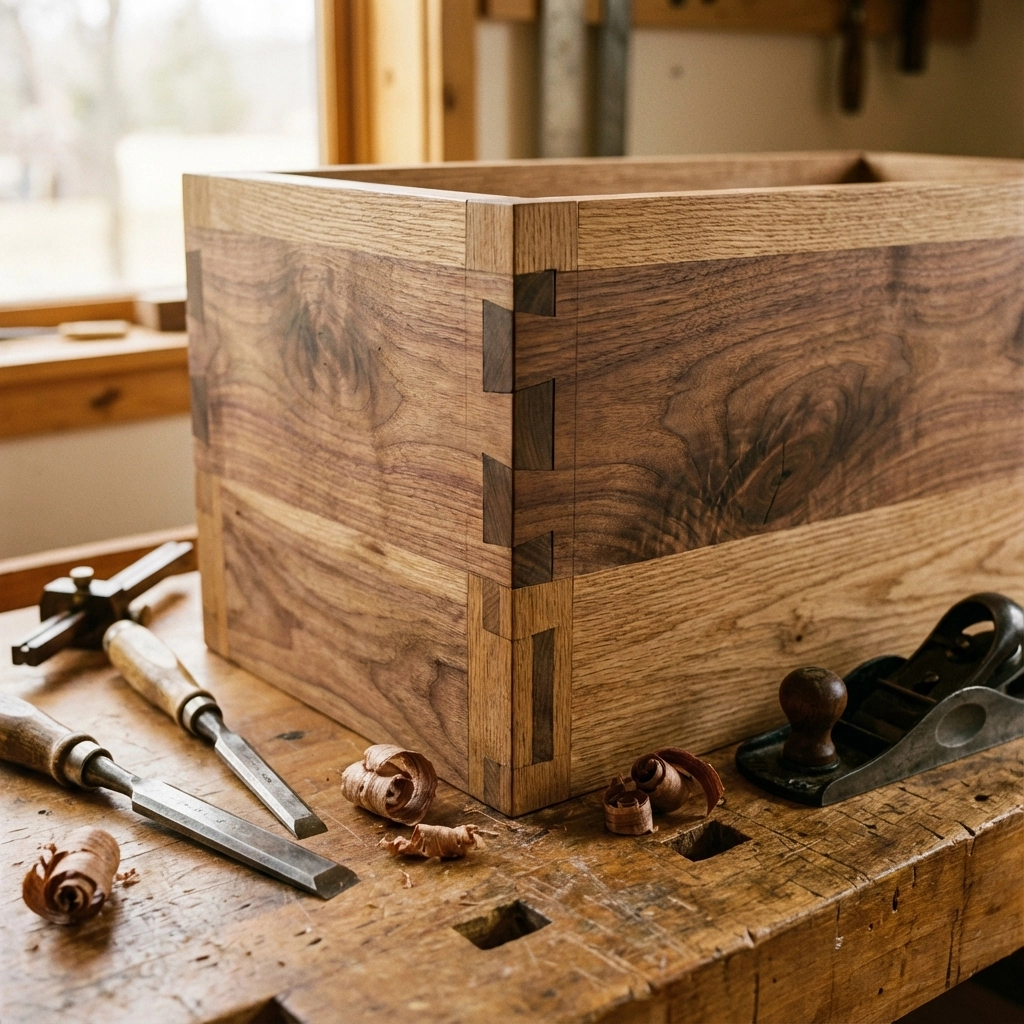
The construction methods employed by skilled artisans represent centuries of accumulated knowledge and technical refinement, resulting in products that demonstrate superior durability and longevity compared to their mass-produced counterparts. Traditional woodworking techniques, for instance, often involve joinery methods such as mortise-and-tenon construction, dovetail joints, and hand-fitted components that create mechanical connections far stronger than the adhesives, screws, and composite materials commonly used in factory furniture production.
This emphasis on structural integrity extends beyond mere durability to encompass what craftspeople refer to as "graceful aging": the ability of well-made pieces to develop character and beauty over time rather than simply deteriorating through use. Solid hardwood furniture develops patina, hand-forged metal develops natural oxidation patterns, and hand-woven textiles acquire the subtle softness that comes only through extended use and careful maintenance. These aging characteristics contribute to the long-term value proposition of artisan pieces, as they often become more beautiful and personally meaningful as they accumulate the gentle wear patterns associated with daily life.
The materials selection process employed by conscientious artisans also contributes significantly to the superior quality of handcrafted items, as skilled craftspeople typically source premium materials and carefully evaluate each component for optimal characteristics such as grain pattern, density, color variation, and structural properties. This selective approach contrasts sharply with mass production methods that prioritize cost efficiency and consistency over individual material excellence, often resulting in products that utilize engineered materials designed to simulate the appearance of premium substances while lacking their inherent durability and aging characteristics.
Environmental and Ethical Considerations in Artisan Production
The environmental impact of choosing artisan pieces over mass-produced alternatives extends far beyond the obvious benefits of supporting smaller-scale production methods, encompassing complex considerations related to material sourcing, manufacturing processes, transportation requirements, and end-of-life disposal or recycling possibilities. Local and regional artisans typically source materials from nearby suppliers when possible, dramatically reducing the transportation-related carbon emissions associated with global supply chains that characterize large-scale manufacturing operations.
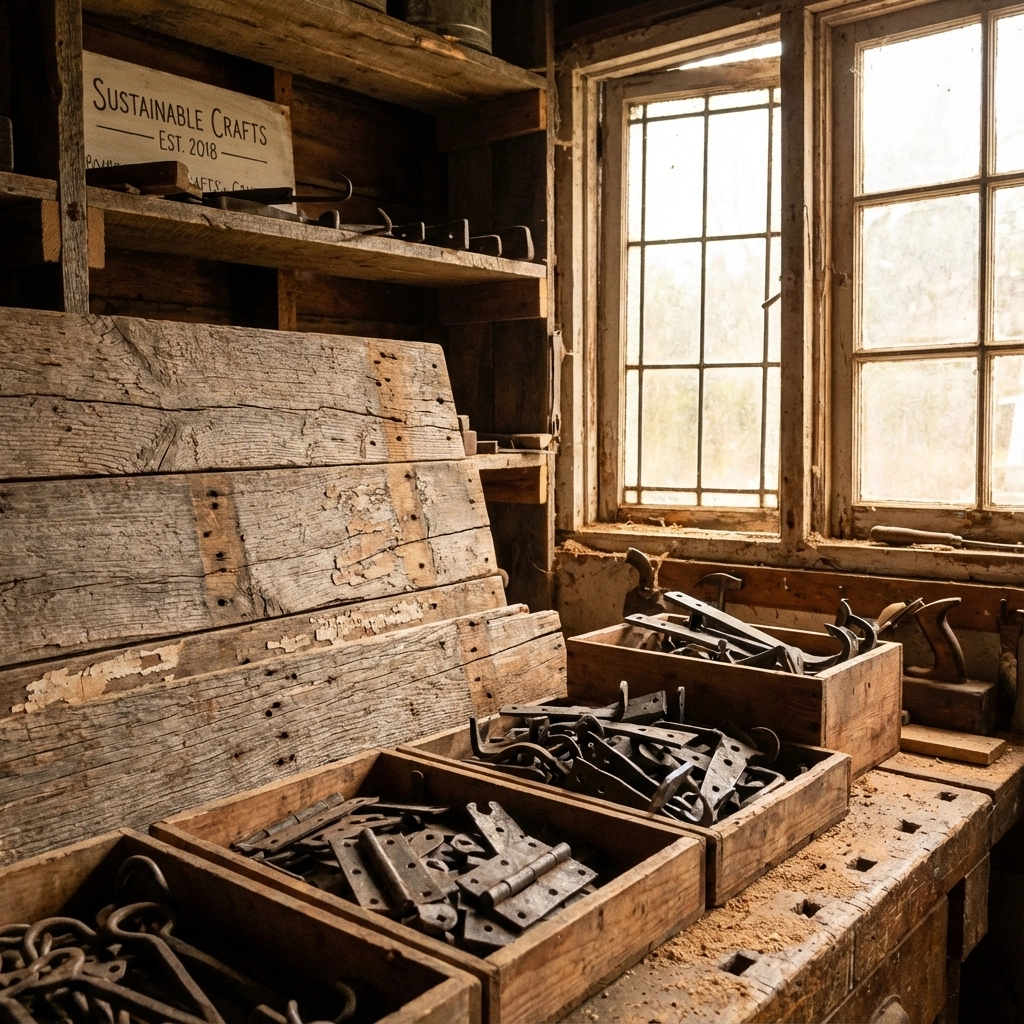
Many contemporary artisans have embraced sustainable material practices that include the use of reclaimed wood, recycled metals, and locally harvested natural materials, creating production cycles that minimize environmental impact while often producing pieces with unique character derived from the history embedded in these repurposed materials. Reclaimed barn wood, for example, carries distinctive weathering patterns and nail holes that cannot be replicated through artificial aging processes, while recycled metals often possess subtle color variations and surface textures that contribute to the overall aesthetic appeal of finished pieces.
The smaller scale of artisan operations also facilitates more environmentally conscious production methods, including the use of non-toxic finishes, minimal packaging materials, and production techniques that generate less waste compared to industrial manufacturing processes. Many artisans maintain direct relationships with their material suppliers, enabling them to verify the sustainable harvesting or ethical sourcing of raw materials: a level of supply chain transparency that remains virtually impossible to achieve within large-scale manufacturing systems that rely on multiple intermediaries and global sourcing networks.
Additionally, the durability inherent in quality craftsmanship contributes to environmental sustainability by reducing the frequency of replacement purchases and minimizing the accumulation of discarded furniture and decorative items in landfills. When artisan pieces do reach the end of their useful lives, their construction from natural materials typically allows for easier recycling or biodegradable disposal compared to composite materials and synthetic components common in mass-produced items.
The Economic Impact of Conscious Consumption Choices
Purchasing decisions that favor artisan pieces over mass-produced alternatives create economic ripple effects that extend far beyond the immediate transaction, contributing to the sustainability of local creative economies and supporting the continuation of traditional craft skills that might otherwise disappear under economic pressure from large-scale manufacturing operations. When consumers choose to invest in handcrafted items, they are directly supporting individual artisans and small businesses that typically reinvest their earnings within local communities rather than transferring profits to distant corporate headquarters or overseas manufacturing facilities.
This economic model, often referred to as "conscious consumption" or "values-based purchasing," recognizes that consumer choices carry broader social and economic implications that extend beyond personal satisfaction with purchased items. The premium prices associated with quality craftsmanship reflect not only the superior materials and skilled labor involved in production but also the true cost of sustainable business practices, fair labor compensation, and environmental responsibility: costs that are often externalized or hidden within mass production systems.
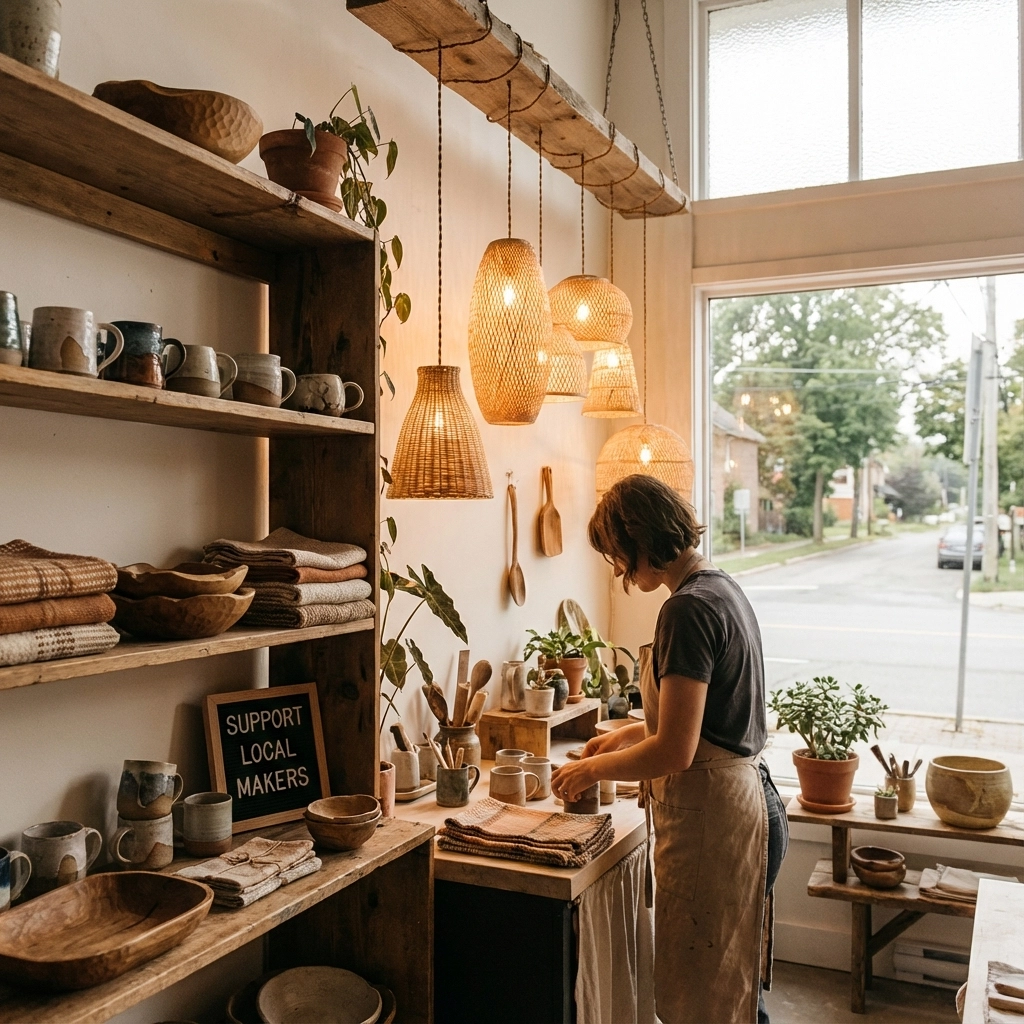
From a personal financial perspective, investing in quality artisan pieces often proves more economical over extended time periods, despite higher initial purchase prices, due to their superior durability and timeless aesthetic appeal that transcends seasonal design trends. Well-crafted furniture and decorative items frequently maintain or increase their value over time, particularly when they represent the work of established artisans whose reputation and skill level command market recognition and collector interest.
How to Incorporate Artisan Pieces in Your Home Environment
Successfully integrating one-of-a-kind artisan pieces into contemporary living spaces requires thoughtful consideration of both aesthetic compatibility and functional requirements, as handcrafted items often possess distinctive characteristics that set them apart from standardized mass-produced furnishings. The unique proportions, materials, and design elements typical of artisan work can serve as focal points within rooms, creating visual interest and conversation opportunities that enhance the overall character of living spaces.
Beginning with smaller decorative items allows homeowners to experience the aesthetic impact of handcrafted pieces while developing appreciation for the subtle variations and authentic characteristics that distinguish quality artisan work from mass-produced alternatives. Items such as handthrown pottery, carved wooden bowls, or hand-forged metal accessories can serve as introduction points for incorporating artisan elements into existing decor schemes without requiring significant furniture rearrangement or major design commitment.
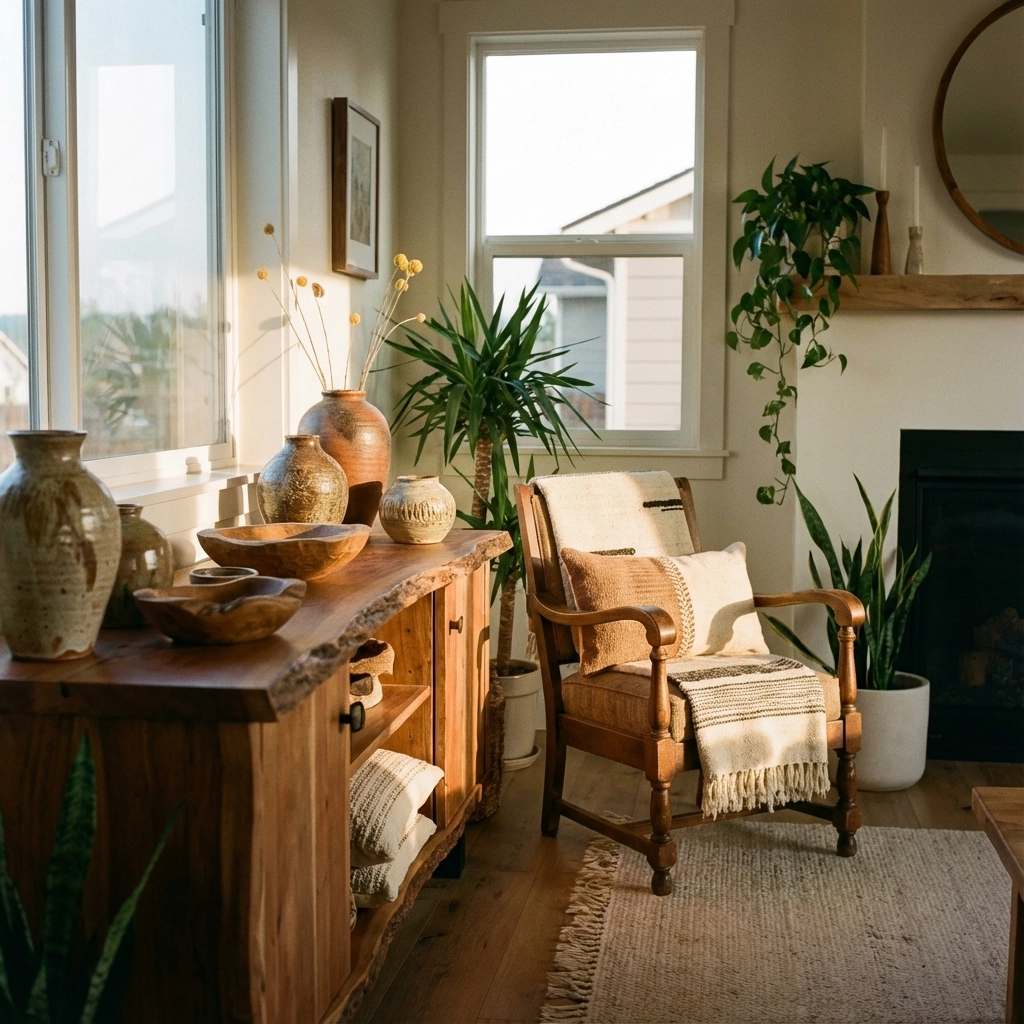
When selecting larger pieces such as furniture or significant decorative elements, consider how the inherent character of handcrafted items can complement rather than compete with existing furnishings. The natural variations in artisan pieces often provide visual relief from the uniformity of mass-produced items, creating dynamic contrast that enhances the overall aesthetic appeal of interior spaces while maintaining functional harmony.
For those interested in exploring the world of artisan craftsmanship, visiting local boutiques such as Copper & Hazel provides opportunities to examine handcrafted pieces in person, allowing for direct appreciation of the quality, character, and unique features that distinguish authentic artisan work from mass-produced alternatives. This hands-on evaluation process helps develop the discerning eye necessary for recognizing quality craftsmanship and understanding the value proposition of investing in one-of-a-kind pieces.
The movement toward artisan pieces represents more than aesthetic preference: it embodies a conscious choice to prioritize quality, authenticity, and meaningful connections with the objects that shape our daily living experiences. As consumers increasingly recognize the long-term benefits of investing in handcrafted items, this trend continues to gain momentum, supporting skilled artisans while creating homes filled with character, beauty, and lasting value.
🔖 Tags: handcrafted home decor, artisan pieces, unique home furnishings, sustainable furniture, quality craftsmanship, handmade gifts, one-of-a-kind decor, local artisans, authentic home design, eco-friendly furniture
Leave a Comment
Your email address will not be published. Required fields are marked *
Name* ________________
Email* ________________
Website ________________
Comment*
☐ Save my name, email, and website in this browser for the next time I comment.
Post Comment