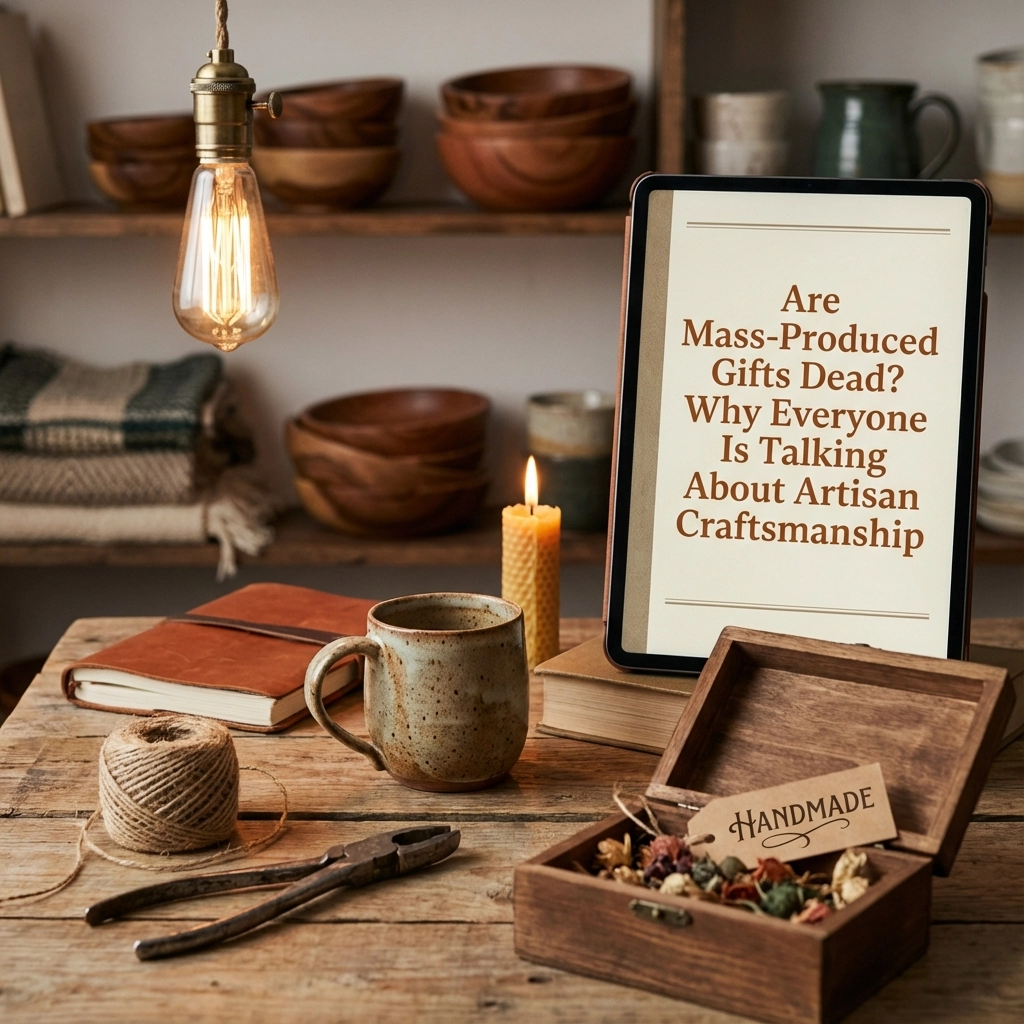

Walk into any big box store during the holiday season, and you'll be greeted by endless aisles of identical gift sets, generic decorative items, and mass-produced trinkets that somehow all look remarkably similar. Yet, despite this abundance of affordable options, there's a growing movement away from these cookie-cutter presents toward something more meaningful and personal. The question on everyone's mind is whether mass-produced gifts are becoming a thing of the past, and why artisan craftsmanship is experiencing such a remarkable renaissance.
The short answer is that mass-produced gifts aren't entirely dead, but they're rapidly losing their appeal as consumers increasingly seek authenticity, personalization, and quality over quantity. This shift represents more than just a trend: it's a fundamental change in how we think about gift-giving, value creation, and the importance of supporting skilled artisans and small businesses.
The Current State of Mass-Produced Gifts
Mass-produced gifts haven't disappeared overnight, but their dominance in the marketplace is being challenged in ways that would have been unimaginable just a decade ago. According to recent market research, personalized gifts now account for over 30% of total sales in the gifts industry, with personalized gift sales increasing by 15% in 2023 alone. This remarkable growth demonstrates that consumers are actively choosing alternatives to generic, mass-produced options.
The traditional mass-production model relied heavily on economies of scale, producing thousands of identical items at the lowest possible cost. While this approach made gifts more accessible to a broader audience, it also stripped away the personal touch and uniqueness that make gifts truly special. Today's consumers, particularly millennials and Gen Z, are increasingly rejecting this one-size-fits-all approach in favor of gifts that tell a story and reflect genuine thought and consideration.
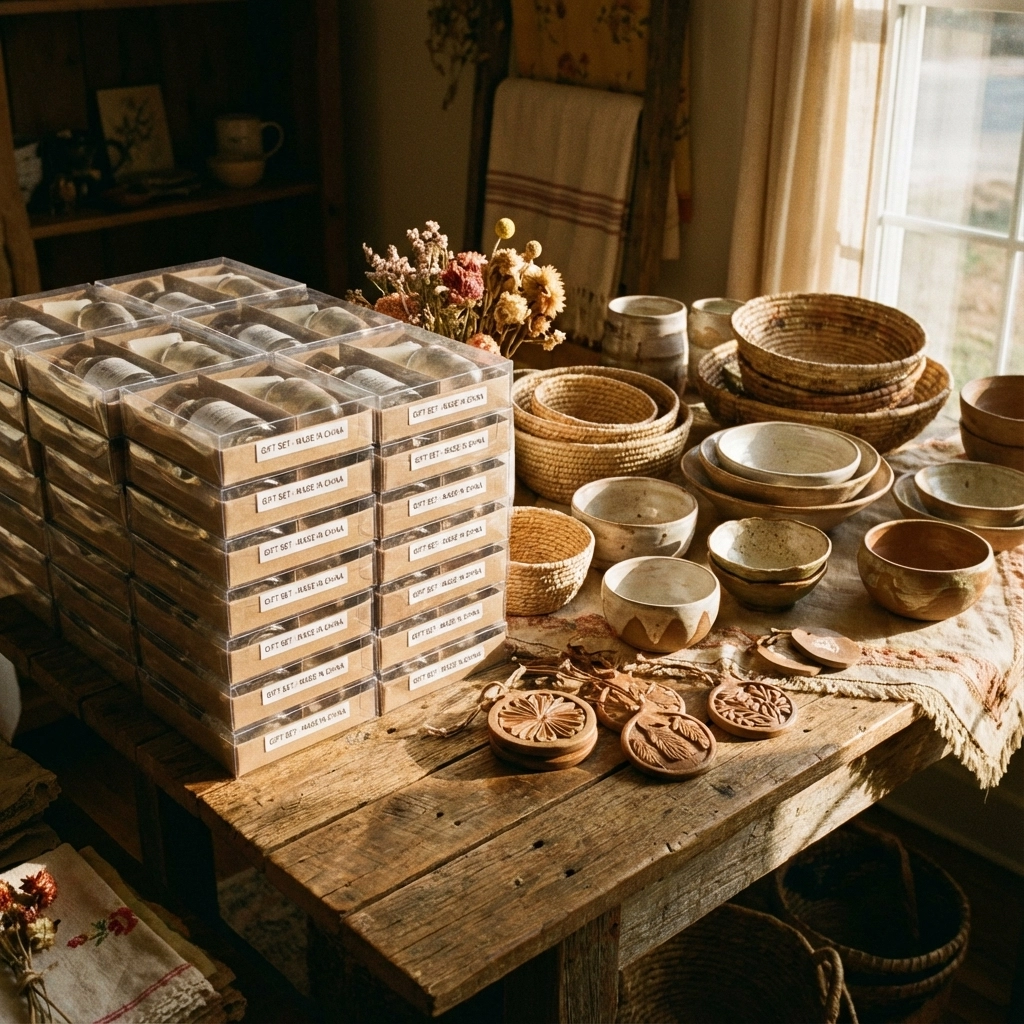
What's particularly interesting is that this shift isn't necessarily about price point. Many consumers are willing to spend the same amount or even more on a handcrafted item than they would on a mass-produced alternative, because they perceive greater value in the uniqueness, quality, and story behind artisan-made products. This change in consumer psychology represents a fundamental transformation in how people view the act of gift-giving itself.
The Rise of Artisan Craftsmanship
The renaissance of artisan craftsmanship can be attributed to several interconnected factors that reflect broader changes in consumer values and priorities. One of the most significant drivers is the growing desire for authenticity in an increasingly digital and automated world. When everything from our daily communications to our entertainment is mediated by technology, there's something deeply appealing about owning and giving items that bear the literal fingerprints of their creators.
Artisan craftsmanship offers something that mass production simply cannot: the guarantee that each piece is unique. Even when artisans create multiple items using the same techniques and materials, subtle variations in texture, color, and form ensure that no two pieces are exactly alike. This uniqueness has become increasingly valuable as consumers seek ways to express their individuality and show recipients that they've put genuine thought into their gift selection.
The movement toward artisan craftsmanship also reflects a growing appreciation for traditional skills and techniques that were nearly lost to industrialization. Many consumers find themselves drawn to the stories behind handcrafted items: learning about the artisan's background, understanding the techniques passed down through generations, and appreciating the time and skill required to create each piece. This narrative element adds layers of meaning to gifts that mass-produced items simply cannot match.
Consumer Behavior and the "Fewer but Better" Philosophy
Modern consumers are increasingly embracing what industry experts call the "fewer but better" philosophy. Rather than purchasing or gifting numerous low-cost items, people are choosing to invest in smaller quantities of higher-quality, more meaningful pieces. This shift reflects a broader cultural movement toward sustainability, mindful consumption, and the rejection of disposable culture.
This philosophy is particularly evident in corporate gifting, where companies are moving away from distributing thousands of generic branded items toward investing in smaller runs of collectible, high-quality pieces designed to last. These premium items, such as handcrafted pottery, artisanal preserved-flower arrangements, or custom woodwork that doubles as functional home décor, are treated as keepsakes rather than disposable promotional materials.
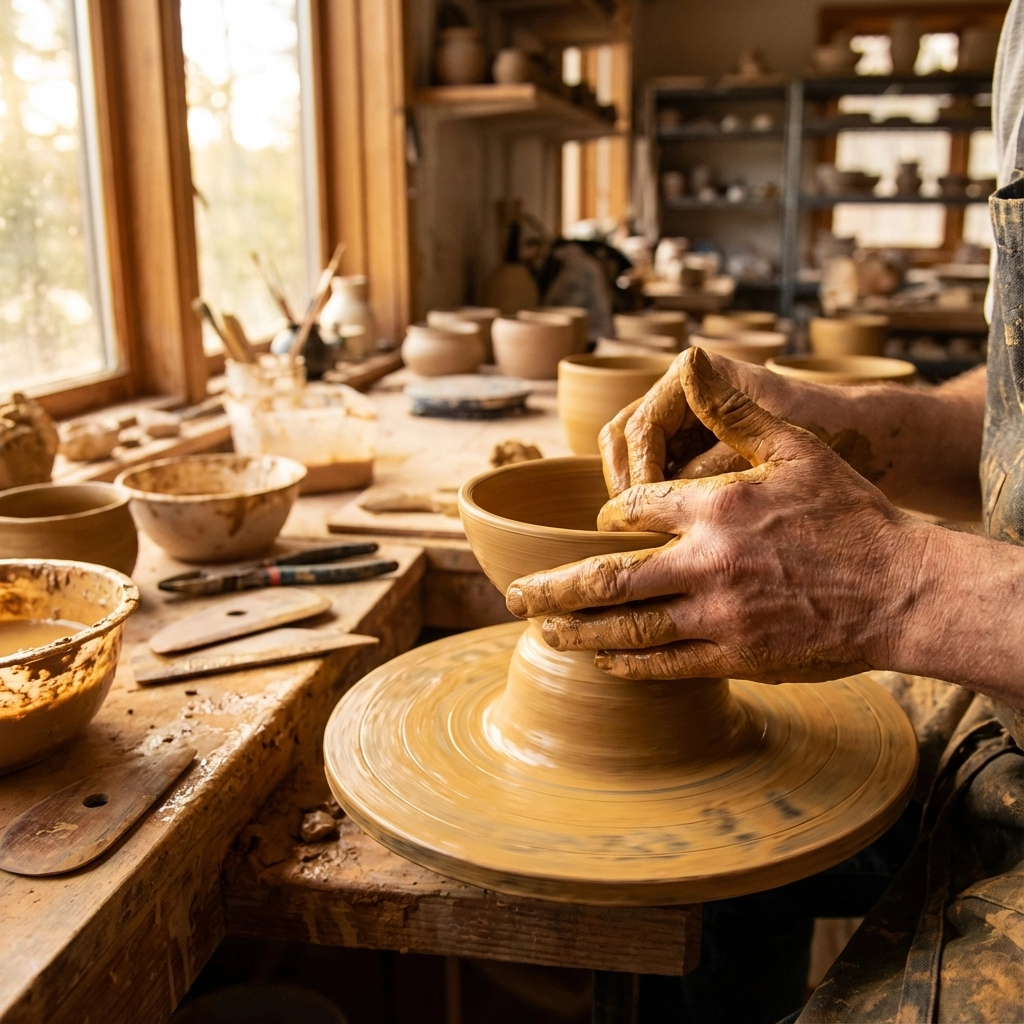
The "fewer but better" approach also aligns with growing environmental consciousness among consumers. Eco-conscious gifting has become the baseline expectation rather than a nice-to-have feature, with consumers preferring durable, reusable items made from sustainable materials over throwaway merchandise. This environmental consideration has further accelerated the shift away from mass-produced gifts, which are often associated with wasteful packaging, questionable manufacturing practices, and short product lifespans.
The Personal Touch in Modern Gift-Giving
Today's gift-giving trends extend far beyond simple name engraving or monogramming. Modern personalization encompasses a comprehensive understanding of the recipient's individual preferences, lifestyle, and values. Successful gift-givers are now tailoring their selections based on recipients' specific interests, achievements, personal aesthetics, and even their home décor preferences.
This level of personalization is where artisan craftsmanship truly shines. Skilled artisans can often accommodate custom requests, modify existing designs, or create entirely bespoke pieces that reflect the recipient's unique personality and preferences. This flexibility and attention to individual needs represents a stark contrast to the rigid specifications and limited options typically associated with mass production.
The desire for meaningful personalization has also driven innovations in how artisans market and sell their work. Many craftspeople now offer consultation services, custom design processes, and collaborative creation experiences that involve the gift recipient in the making process. These approaches transform gift-giving from a simple transaction into a shared experience that creates lasting memories and deeper connections between all parties involved.
Economic Impact and Market Dynamics
The gifts and souvenirs market continues to grow at an impressive rate of 4.6% annually and is projected to maintain this growth through 2029. However, this expansion is being driven primarily by innovation, personalization, and premium offerings rather than traditional mass production methods. This shift represents a fundamental change in market dynamics that favors small-scale artisans and boutique retailers over large-scale manufacturers.
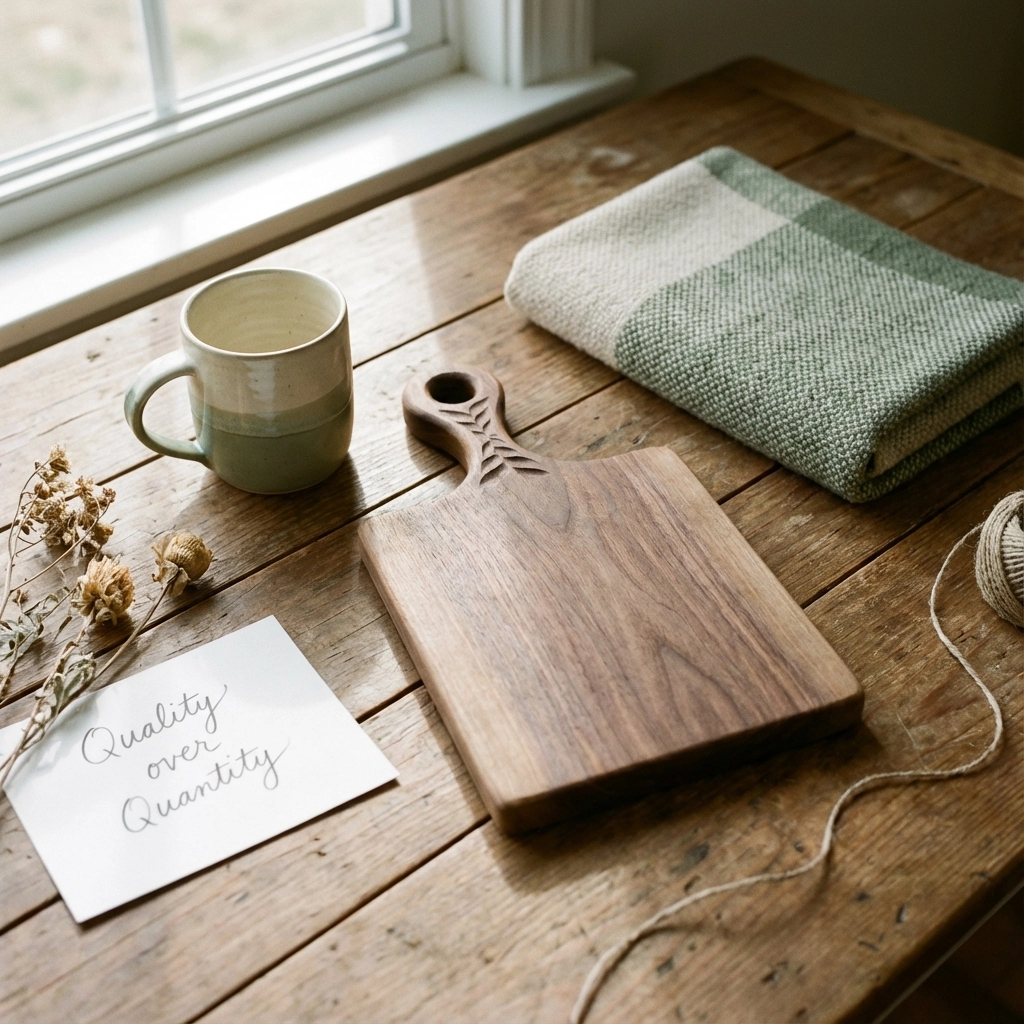
The economic implications of this trend extend beyond individual transactions. As consumers increasingly choose handcrafted items, they're supporting local economies, preserving traditional skills, and contributing to the sustainability of small businesses and independent artisans. This economic impact creates a positive feedback loop that encourages more craftspeople to enter the market and existing artisans to expand their operations and refine their techniques.
Technology's Role in Artisan Success
Interestingly, technology has played a crucial role in enabling the success of artisan craftsmanship. Online marketplaces, social media platforms, and digital marketing tools have made it easier than ever for skilled craftspeople to reach customers who appreciate their work. These technological tools have effectively democratized access to markets that were previously dominated by large retailers and mass manufacturers.
Digital platforms also enable artisans to share the stories behind their work, showcase their creation processes, and build personal relationships with customers. This transparency and direct communication create the authentic connections that modern consumers crave and that mass-produced items cannot provide.
The Future of Gift-Giving
Looking ahead, all indicators suggest that the trend toward artisan craftsmanship and personalized gifts will continue to strengthen. Industry analysis reveals that the movement is shifting from producing 10,000 generic items over three months to creating 100 personalized pieces within two weeks, prioritizing speed, flexibility, and relevance over pure volume.
This evolution doesn't necessarily spell the complete end of mass-produced gifts, but it does indicate that these products will likely occupy a much smaller share of the market. Mass production may continue to serve certain segments where price sensitivity is paramount, but for consumers who view gift-giving as an expression of care, creativity, and personal connection, artisan craftsmanship offers irreplaceable value.
The future of gift-giving appears to be one where quality, authenticity, and personal meaning take precedence over convenience and low cost. This transformation benefits not only gift recipients, who receive more thoughtful and unique items, but also the broader community of artisans, small business owners, and creative professionals who are able to build sustainable livelihoods around their skills and passion.
As we move forward, the most successful gift-givers will be those who understand that the true value of a present lies not in its price tag or brand recognition, but in the thought, care, and personal connection it represents. In this context, handcrafted gifts from skilled artisans offer something that mass production never could: the irreplaceable value of human creativity, individual attention, and authentic craftsmanship.
🔖Tags: artisan craftsmanship, handmade gifts, personalized gifts, sustainable gifting, small business, unique home decor, gift trends