
The Theoretical Foundation of Linear Patterns and Handcrafted Textures
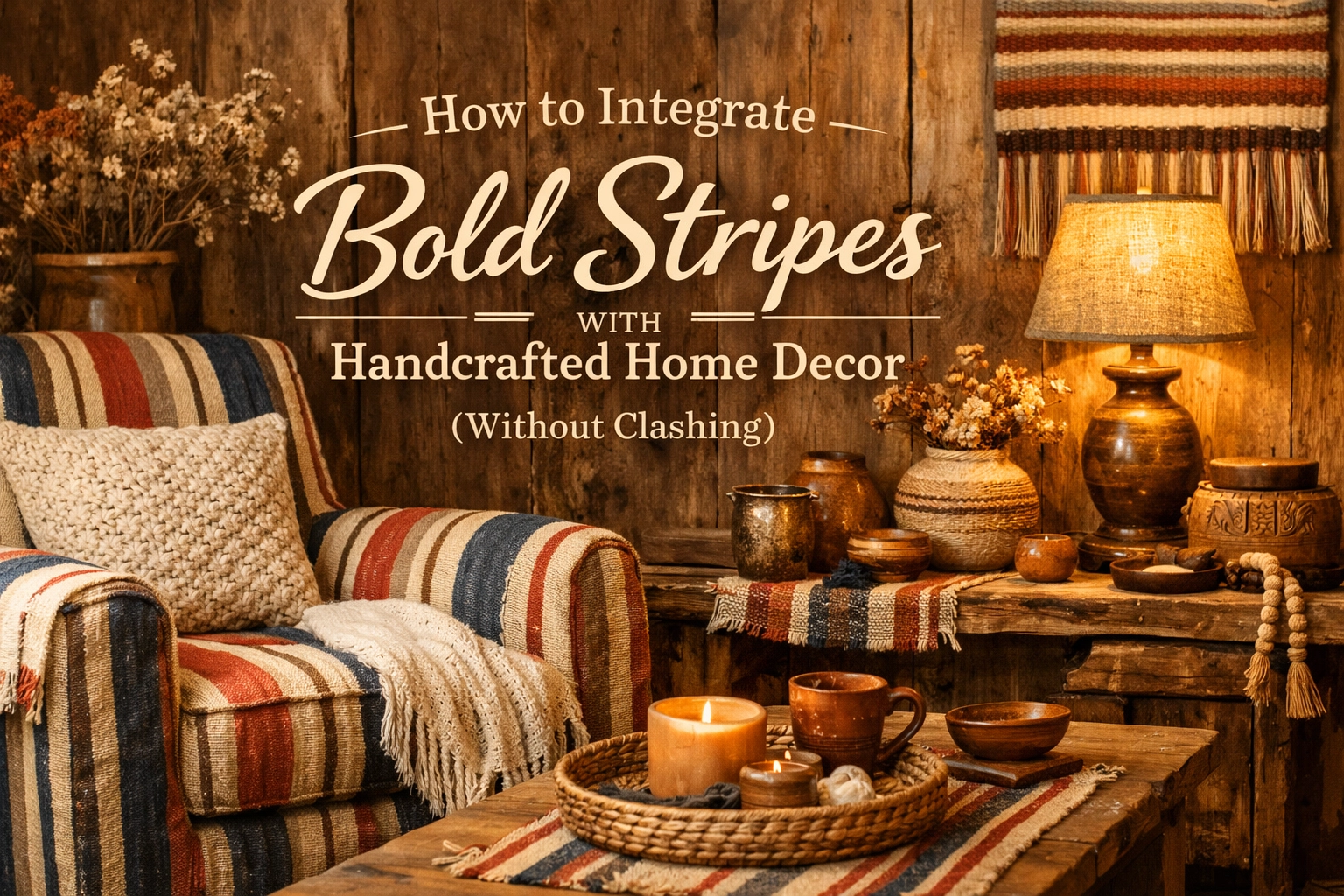
The integration of bold stripes into a residential environment requires a sophisticated understanding of visual weight and aesthetic equilibrium. When one considers the implementation of strong geometric lines alongside the organic irregularities of handcrafted items, one must navigate the inherent tension between mathematical precision and artisanal imperfection. Bold stripes, characterized by their repetitive linear nature, provide a structured framework within a room, whereas handcrafted decor, such as those curated by Copper & Hazel Boutique, offers a counter-narrative through texture and unique craftsmanship. The successful synthesis of these two disparate elements relies heavily on the principle of visual harmony, ensuring that neither the pattern nor the object overwhelms the observer’s sensory perception. To achieve this, a designer must prioritize the methodology of coordination, ensuring that the stripes do not compete for dominance but rather serve as a backdrop for the handcrafted elements.
In the pursuit of a cohesive interior, the practitioner must recognize that bold stripes possess a high degree of visual energy. This energy can be harnessed to direct the eye toward specific artisanal focal points, or it can inadvertently create a chaotic environment if the scale and color are not meticulously managed. The necessity of maintaining a balance between the rigid and the fluid is paramount; therefore, the introduction of handcrafted materials serves to soften the sharp edges of the stripes, creating a more nuanced and layered domestic space. By understanding the relationship between the structured and the organic, one can facilitate a design environment where both elements coexist in a mutually beneficial arrangement, reinforcing the concept that structured patterns and handcrafted textures are not mutually exclusive but are, in fact, complementary components of a sophisticated interior.
The Methodology of Color Synthesis in Pattern Integration
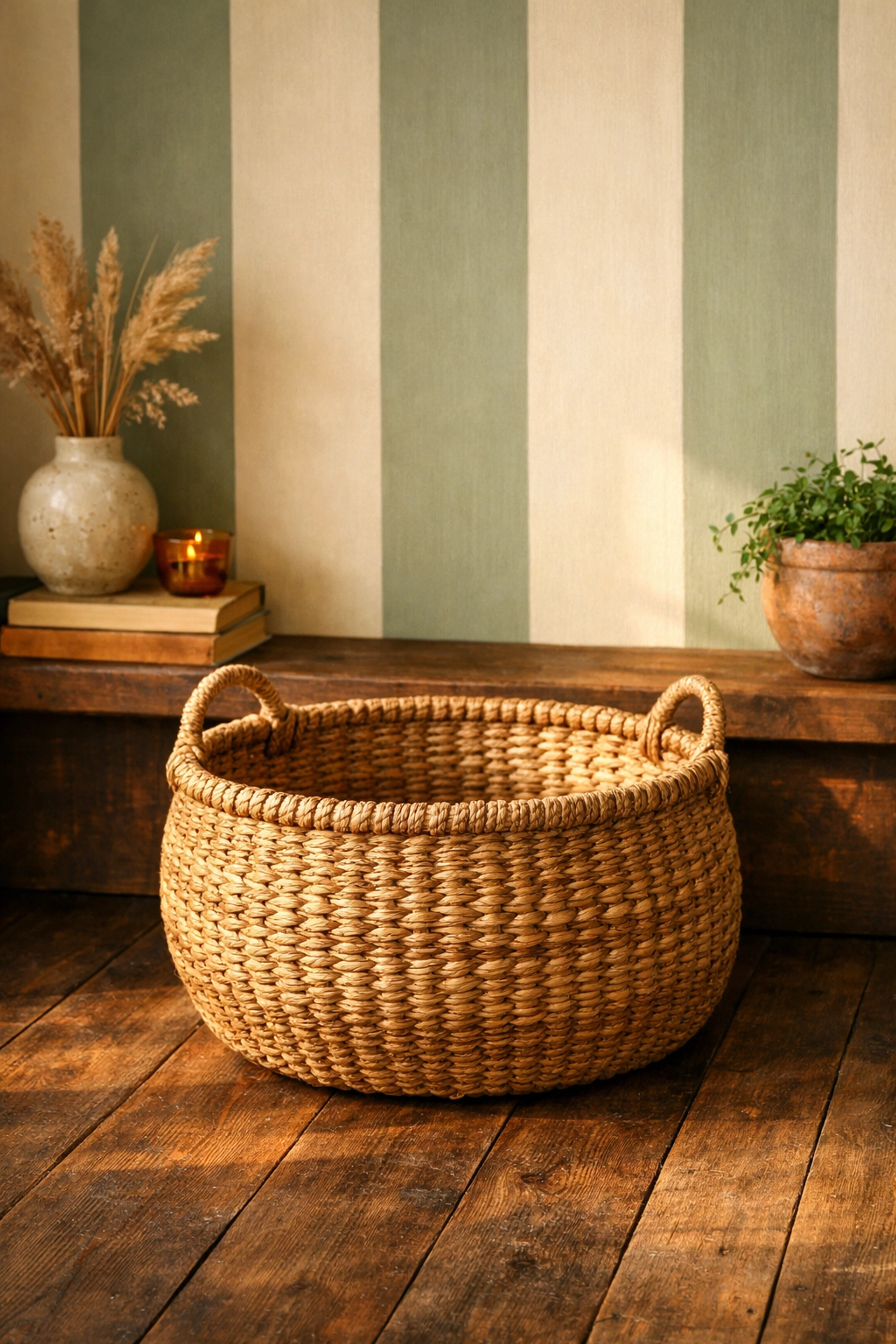
The most fundamental rule regarding the integration of bold stripes with handcrafted home decor is the maintenance of a consistent and deliberate color palette. It is widely understood among design professionals that visual harmony is achieved when at least one primary or secondary color is shared between the patterned elements and the artisanal accessories. For instance, if a room utilizes a bold, striped wallcovering featuring tones of forest green and ivory, it is imperative to include handcrafted pieces that echo these specific hues. The Green Basket Large serves as an ideal specimen for such an application, as its organic color profile anchors the vibrancy of the stripes while providing a textural contrast that is both visually appealing and structurally sound.
Furthermore, the utilization of complementary colors can be employed to create a sophisticated dialogue between the stripes and the decor. When a designer chooses to pair navy and cream stripes with warm-toned handcrafted items, such as artisan pottery or woven textiles, they are creating a balanced environment through the use of color temperature. The warmth of the handcrafted materials mitigates the cool, clinical nature of the stripes, thereby ensuring that the space remains inviting rather than stark. This repetitive use of color throughout the room reinforces the design intent and ensures that the observer’s eye can travel effortlessly across the space without encountering visual friction. The concept of color coordination is, therefore, not merely a suggestion but a critical requirement for the successful integration of bold patterns and unique, handcrafted goods.
The Theoretical Application of Varied Scale and Proportion
In addition to color coordination, the designer must master the dynamics of scale and spatial proportion to prevent visual competition between patterns and objects. Bold stripes are, by definition, large-scale visual elements that command significant attention within a space. To maintain equilibrium, these stripes should be paired with handcrafted items of a varied scale. For example, wide, expansive stripes on an accent wall provide a broad canvas that benefits from the juxtaposition of smaller, intricately detailed handcrafted items. The detail of a Flower Wall Hanging provides a necessary focal point that breaks up the monotony of the linear pattern, allowing the eye to rest on the craftsmanship rather than being lost in the repetition of the stripes.
Conversely, thinner, more frequent stripes require a more minimalist approach to handcrafted decor to avoid creating a sense of visual clutter. The principle of varied scale suggests that when one element is complex or dominant, the accompanying elements should provide a degree of simplicity or contrast. As noted by interior design scholar John, "The relationship between the scale of a pattern and the texture of an object dictates the perceived depth of a room; without variation in scale, the environment remains flat and uninspired" (- John). This perspective underscores the necessity of selecting handcrafted pieces that either match the boldness of the stripes through size or offer a reprieve through detailed, smaller-scale artistry. By carefully calibrating the scale of both the stripes and the handcrafted items, the practitioner ensures that each element is afforded the space to be appreciated individually while contributing to the collective aesthetic of the room.
Strategic Placement and the Concept of the Visual Focal Point
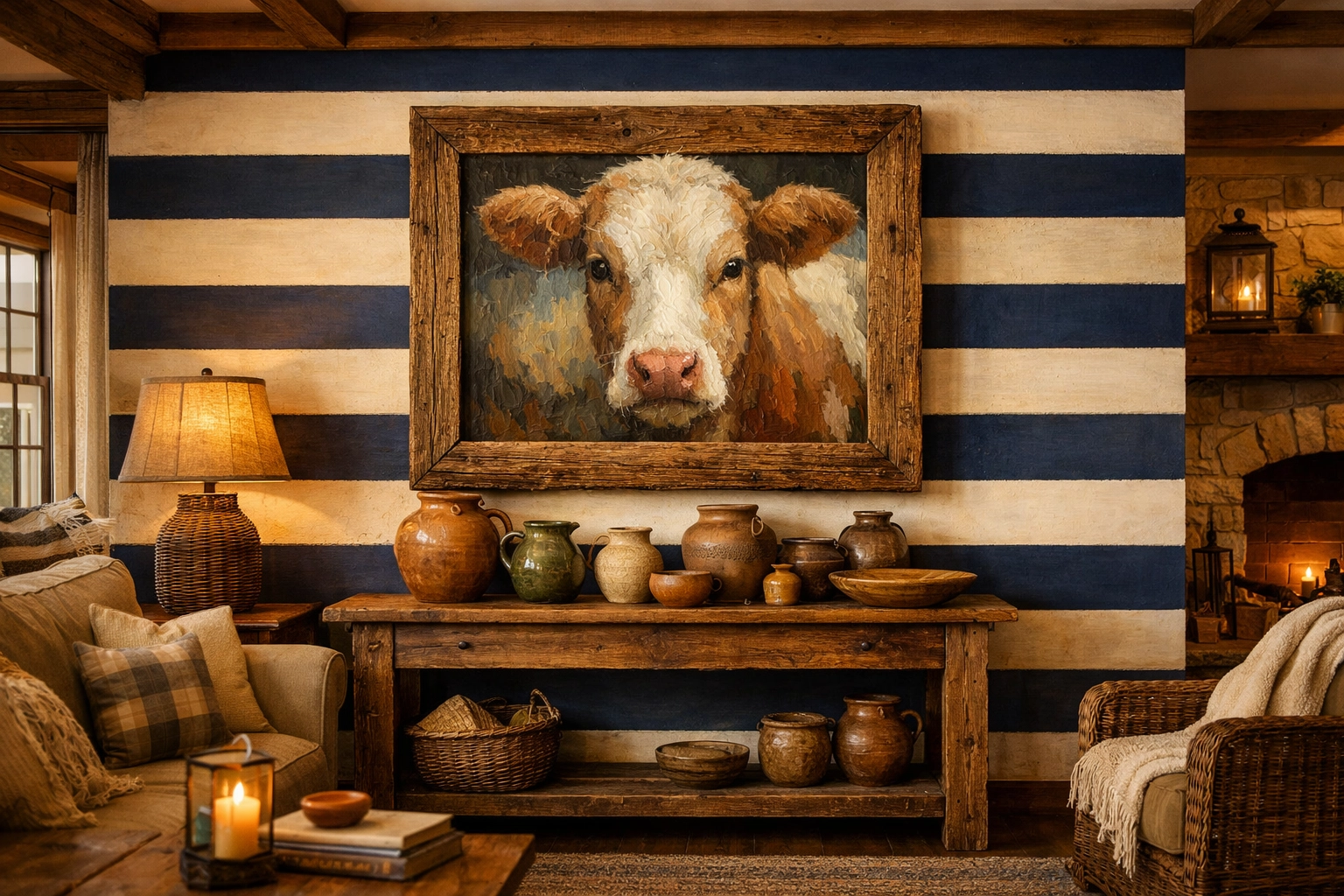
The strategic placement of bold stripes is essential in establishing a framework that supports, rather than detracts from, handcrafted decor. Rather than applying stripes universally across all surfaces, which would lead to an overwhelming sensory experience, the designer should select a primary striped element to serve as the room's architectural anchor. This could manifest as a single accent wall, a large-area rug, or floor-to-ceiling curtains. Once this anchor is established, the handcrafted pieces can be distributed strategically to create a series of visual sub-focal points. For instance, placing a Cow Painting against a striped background creates a compelling contrast between the linear structure of the wall and the fluid, organic subject matter of the art.
This method of strategic placement allows the handcrafted items to provide the necessary "soul" of the room, while the stripes provide the "structure." The stripes act as a guide for the eye, leading it toward the more unique and personal elements of the home. This circular relationship between structure and ornament reinforces the importance of focal points in interior design. When stripes are used strategically, they do not compete with the handcrafted decor; instead, they elevate the artisan pieces by providing a clear and defined context. The inclusion of handcrafted accessories, such as a Bee Tin Sign or other specialized items, further enriches this context by adding layers of historical or personal narrative to the modern geometric backdrop provided by the stripes.
Synthesis of Natural Materials and Handcrafted Artistry
Handcrafted decor often utilizes natural materials such as wood, ceramic, and natural fibers, which possess inherent textures that provide a stark contrast to the smooth, manufactured appearance of many striped wallcoverings or textiles. This contrast is vital for preventing a room from appearing overly clinical or commercial. The integration of a Set of Three Books on a striped shelf, for example, introduces a sense of history and tactile interest that balances the modern aesthetic of the stripes. The organic nature of handcrafted items introduces a degree of "softness" that is essential for a domestic setting, as it counters the rigidity of the bold lines.
By curating a collection that includes diverse materials: ranging from the metallic sheen of a tin sign to the matte finish of hand-painted ceramics: the homeowner can create a space that feels curated rather than merely decorated. Copper & Hazel Boutique offers a variety of these elements, allowing for a personalized approach to pattern integration. The repetitive use of natural textures alongside bold stripes creates a rhythmic quality in the home, where the eye moves from the structure of the lines to the warmth of the materials. This synthesis of natural artistry and geometric pattern is the hallmark of a well-considered interior, providing both visual interest and emotional comfort.

Practical Implementation within the Copper & Hazel Framework
When moving from theory to practical application, one might consider the specific items available within the Copper & Hazel curated collection to facilitate this design synthesis. For those who are hesitant to commit to large-scale striped walls, the integration of stripes can begin through smaller accessories, such as hand-painted cushions or handwoven throws. These smaller interventions allow the homeowner to experiment with the juxtaposition of patterns and handcrafted items like the Small Chicken Tin Sign without a significant architectural commitment. The goal remains the same: to create a balanced environment where the bold stripes and the handcrafted decor exist in a state of aesthetic equilibrium.
Ultimately, the process of integrating bold stripes with handcrafted home decor is one of careful curation and intentionality. It requires an understanding of color, scale, placement, and material. By following these established principles, one can transform a space into a unique reflection of personal style that is both structured and soulful. The boutique’s commitment to providing high-quality, handcrafted gifts and decor ensures that homeowners have access to the necessary components to achieve this sophisticated look. Whether one is a seasoned interior professional or a homeowner looking to refresh their space, the thoughtful combination of bold patterns and artisanal craftsmanship remains a definitive method for achieving a truly distinguished home environment.
🔖Tags: #HomeDecor #InteriorDesign #Handcrafted #CopperAndHazel #BoldStripes #ArtisanStyle #DesignPrinciples
Leave a Reply
Your email address will not be published. Required fields are marked *
**Comment ***
[ ]
**Name ***
[ ]
**Email ***
[ ]
Website
[ ]
[Post Comment]