
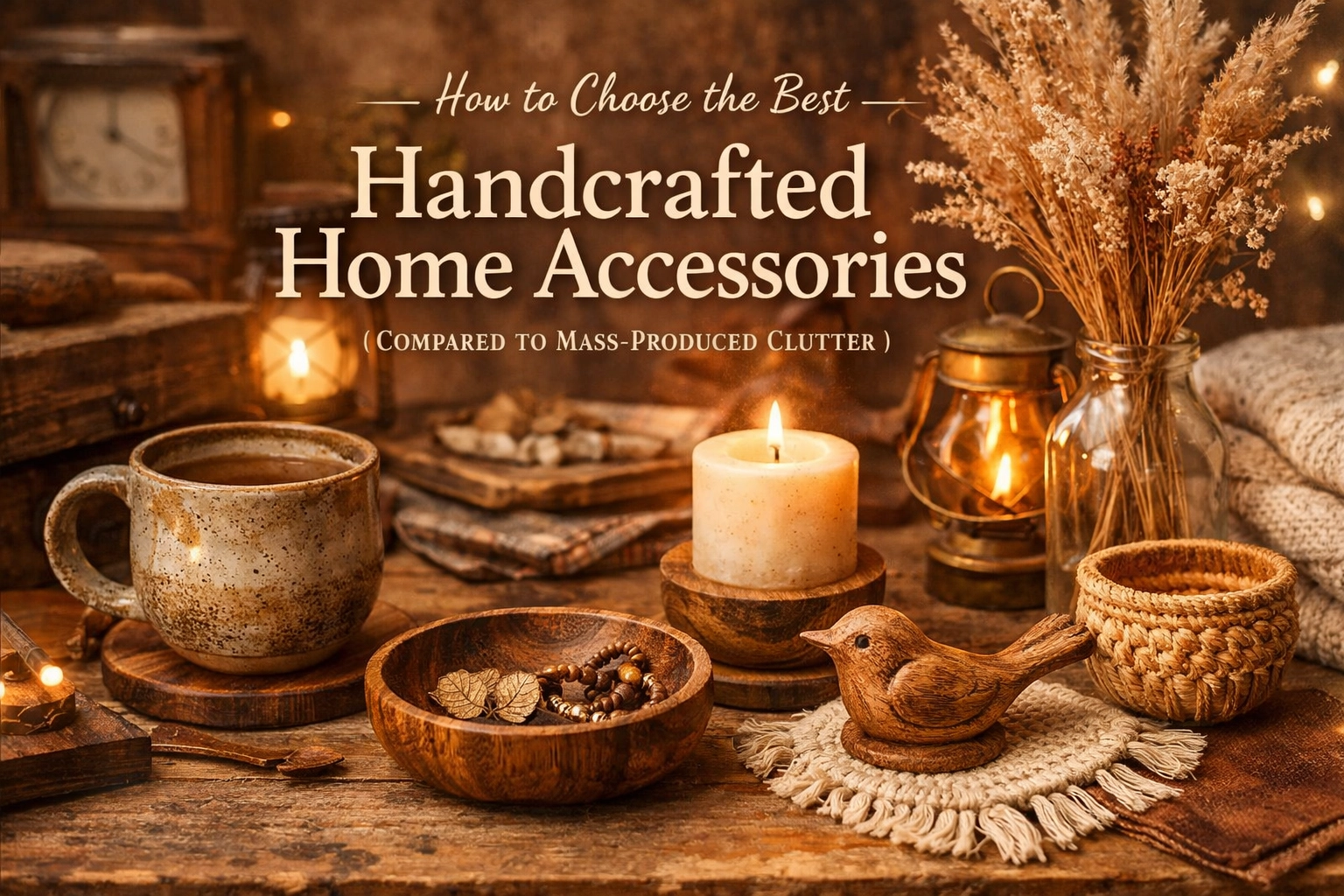

In the contemporary landscape of interior design and domestic curation, the dichotomy between handcrafted home accessories and their mass-produced counterparts has become increasingly pronounced. For the discerning consumer, the challenge lies not merely in the acquisition of objects, but in the identification of quality markers that distinguish a work of genuine craftsmanship from the ubiquitous presence of mass-produced clutter. This guide serves to provide a comprehensive framework for evaluating artisanal integrity, specifically focusing on the material, structural, and philosophical differences that elevate handcrafted items above industrial alternatives.
The Fundamental Distinction: Material Integrity and Authenticity
The primary indicator of a high-quality handcrafted accessory is the inherent integrity of the materials utilized in its construction. Unlike industrial manufacturing processes, which often prioritize cost reduction through the utilization of synthetic composites and veneers, artisanal creation emphasizes the selection of premium, raw components. When examining a piece, such as the Green Basket Large, one should observe the organic variations in texture and hue that characterize natural fibers.
In the realm of handcrafted decor, the selection of materials is a deliberate act of curation. For instance, the use of realistic silk flowers and preserved botanicals in artisanal arrangements offers a depth of realism that plastic substitutes cannot emulate. It is fundamentally understood that the quality of the input directly correlates to the longevity of the output. Authentic handcrafted accessories typically incorporate solid wood, genuine leather, and high-grade metals: materials that develop a desirable patina over time rather than degrading through wear.
Analyzing Craftsmanship and the Nuances of Manual Execution
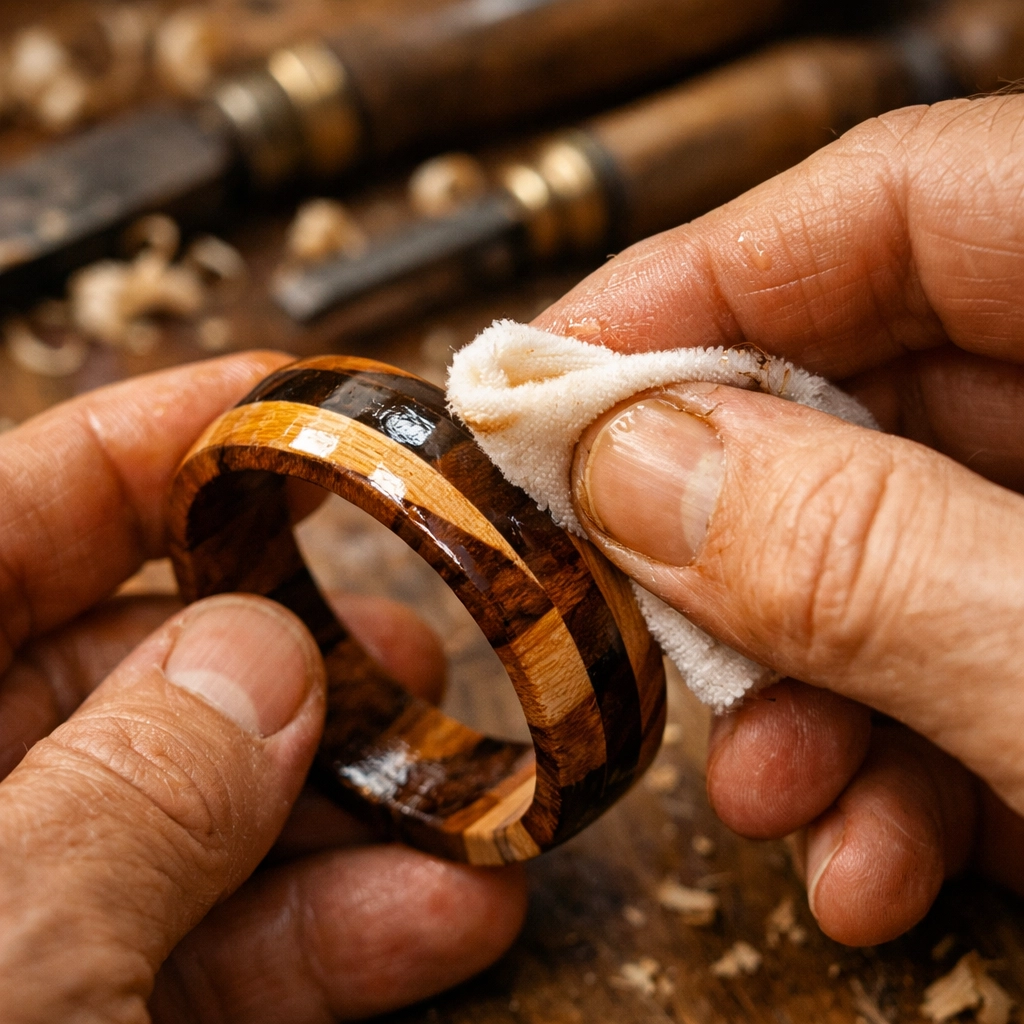
A significant differentiator in the evaluation of home accessories is the level of meticulous attention to detail present in the execution of the piece. Mass-produced items are designed for scalability and uniformity; they are the result of programmed machinery that eliminates the "human error" which, paradoxically, provides handcrafted items with their unique character. To identify a truly handcrafted piece, one should look for subtle indicators of manual labor, such as the brushwork on a Cow Painting or the specific assembly techniques used in a Flower Wall-Hanging.
"The beauty of a handmade object lies in its inherent imperfection: the slight variation that signals a human hand was involved in every stage of its birth." - John
It is important to recognize that while mass-produced items strive for a sterile perfection, handcrafted pieces emphasize intentionality. The artisan deliberates over every junction, every stitch, and every finish. This manual quality control ensures that each item, such as the Bee Tin Sign, is scrutinized at multiple stages of production. In contrast, mass-produced clutter is often subject to statistical sampling in quality control, meaning individual flaws are frequently overlooked in favor of high-volume throughput.
The Economic and Philosophical Value of Longevity
When considering the acquisition of home decor, one must weigh the immediate cost against the long-term value and durability of the item. Handcrafted home accessories represent a superior investment perspective because they are constructed with the intent of longevity. Mass-produced items are frequently designed with "planned obsolescence" in mind: a manufacturing philosophy that encourages frequent replacement by utilizing inferior materials that surrender to environmental stressors within months or a few short years.
Handcrafted pieces, however, are often intended to become heirlooms. The construction quality inherent in artisanal work means these items are designed to be cherished for decades. It is a recurring theme in quality decor that the higher upfront cost of a handcrafted item is mitigated by its extended lifecycle. By choosing a durable, well-made accessory from a reputable source like the Copper & Hazel shop, the consumer reduces the need for repeated purchases, thereby creating a more sustainable and less cluttered domestic environment.
Customization and the Personal Connection to the Maker
One of the most compelling reasons to choose handcrafted accessories over mass-produced alternatives is the capacity for customization and the narrative weight of the object’s origin. Mass-produced decor is designed to appeal to the widest possible demographic, resulting in a generic aesthetic that lacks personal resonance. Conversely, handcrafted items often offer the opportunity for bespoke adjustments. For example, a Family Recipe board allows for a level of personalization that transforms a functional kitchen tool into a sentimental artifact.
At Copper & Hazel Boutique, the personal touch is not merely an addition; it is the core of the business model. Every piece carries an emotion and an origin story. When a customer selects an item, they are not just buying a product; they are participating in the continuation of a craft. This connection between the maker and the user adds a layer of meaning to the home that mass-produced clutter simply cannot provide. The story of a piece: where it was made, who made it, and why: is as much a part of the decor as its physical form.
Environmental Impact and Ethical Sourcing
In the discourse regarding handcrafted versus mass-produced items, the environmental and ethical implications of production cannot be ignored. Mass production often involves complex, global supply chains that prioritize speed and low cost, sometimes at the expense of environmental standards and fair labor practices. Artisanal production, such as that found at Copper & Hazel, tends to be more localized and transparent.
Handcrafted accessories are typically made in smaller batches, which significantly reduces waste. Materials are often ethically sourced, and the shorter supply chain results in a smaller carbon footprint. By prioritizing handcrafted goods, consumers support a more sustainable model of commerce that values the environment and the dignity of the artisan. This ethical dimension is a critical component of what makes an accessory "the best" choice for a modern, conscious home.

Conclusion: Curating a Home of Substance
Choosing the best handcrafted home accessories requires a shift in perspective from passive consumption to active curation. It involves looking beyond the surface-level appeal of a low price point and instead evaluating the material integrity, the skill of execution, the potential for longevity, and the ethical narrative of the piece. While mass-produced clutter may fill a space quickly, handcrafted accessories from the Copper & Hazel collection fill a home with character, quality, and lasting value.
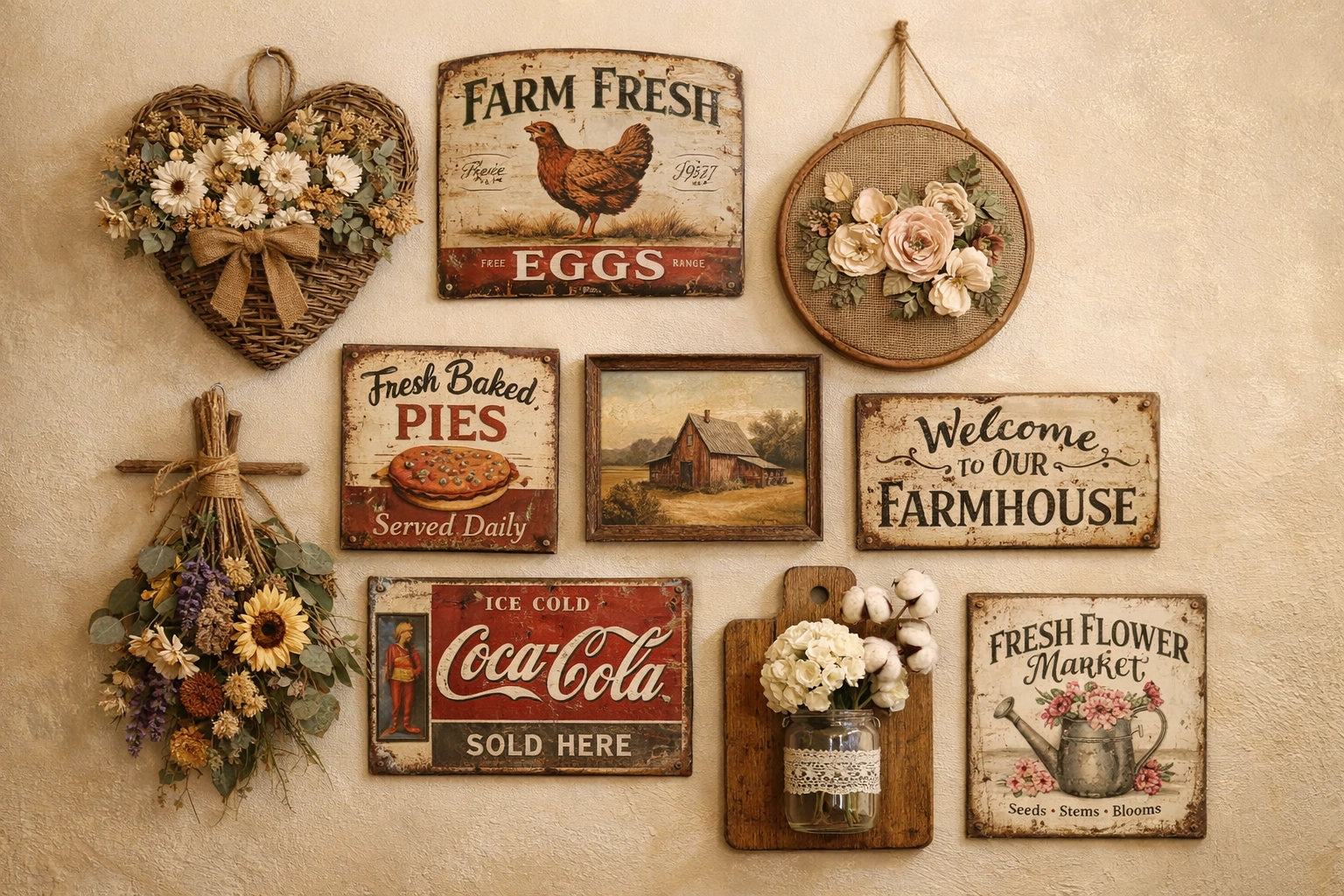
The distinction remains clear: mass production offers uniformity and disposability, while handcrafted artisanship offers uniqueness and endurance. By selecting items like the Set of Three Books or a Small Chicken Tin Sign, the homeowner makes a definitive statement about their values and their commitment to quality. Ultimately, a home filled with carefully chosen, handcrafted pieces is a home that reflects the identity and discernment of its inhabitants.
🔖Tags: #HandcraftedDecor #ArtisanQuality #HomeStyling #CopperAndHazel #SustainableLiving #InteriorDesignTips #QualityOverQuantity
Leave a Reply
Your email address will not be published. Required fields are marked *
**Comment ***
**Name ***
**Email ***
Website
[ ] Save my name, email, and website in this browser for the next time I comment.
[Post Comment]