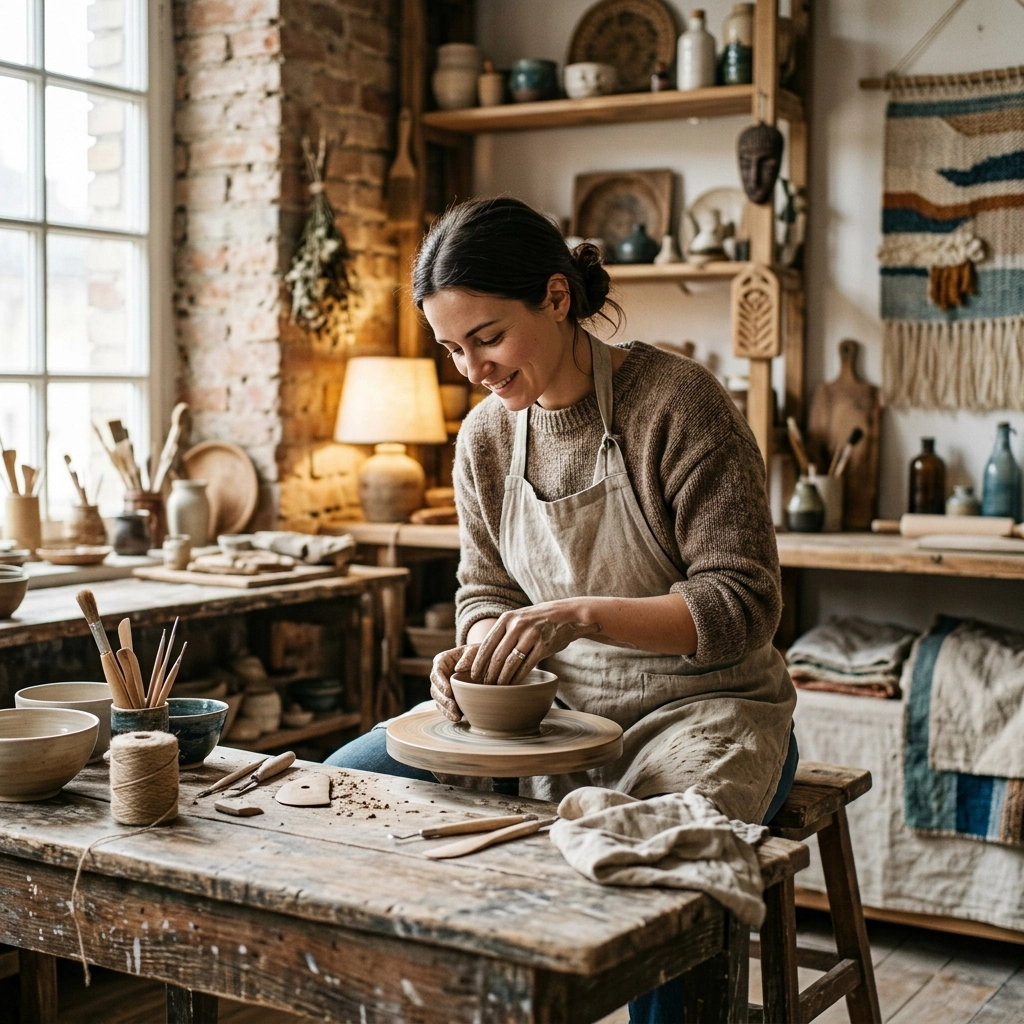

The contemporary cultural landscape of 2026 has been significantly reshaped by a phenomenon known as the ‘Human Craft’ movement, a sociological shift that prioritizes the intrinsic value of handmade objects over the sterile precision of mass-produced goods. This movement, which serves as a collective rejection of industrial uniformity, suggests that the human element: characterized by intentionality and physical labor: is the primary driver of aesthetic and emotional value in the modern home. As we navigate the complexities of a highly digitized society, the demand for handcrafted gifts and decor has transitioned from a niche preference to a dominant market force, reflecting a broader societal need for connection, authenticity, and environmental responsibility.
The Sociological Origins of the Human Craft Movement
To understand why society has become increasingly obsessed with handcrafted items, one must examine the post-pandemic recovery period, which served as a critical catalyst for this behavioral shift. During periods of forced isolation, individuals were compelled to engage with their immediate physical environments more intensely, leading to a profound rediscovery of the value inherent in making things by hand. This era saw a marked increase in the utilization of traditional tools: needles, looms, and woodworking implements: as cognitive and emotional coping mechanisms. Consequently, what began as a temporary survival strategy has evolved into a permanent cultural conviction that handmade objects possess a unique ability to reconnect the human spirit to concepts of time, patience, and tangible reality.
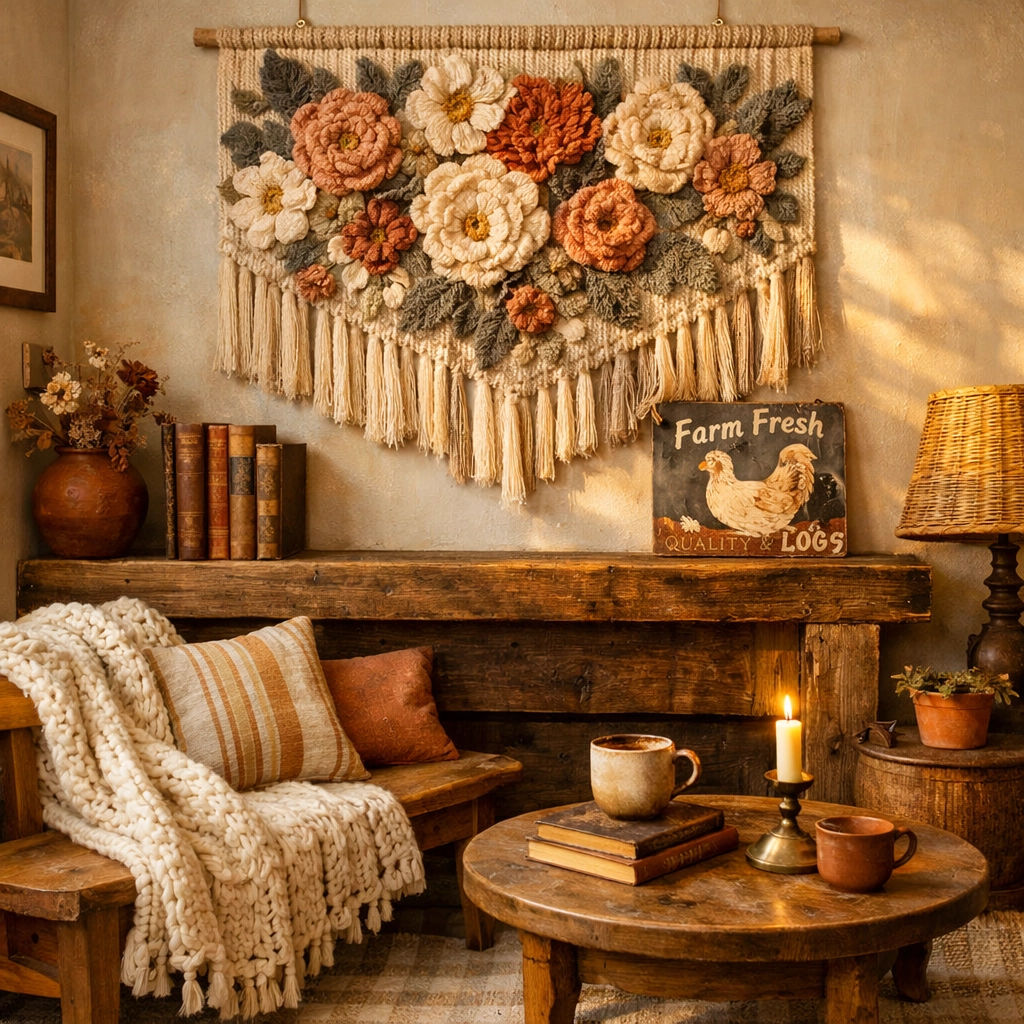
The Human Craft movement is not merely about the production of objects; it is about the preservation of human narratives through material culture. When a consumer selects a piece like the Flower Wall Hanging, they are not simply purchasing a decorative accessory; they are engaging with a physical manifestation of an artisan’s time and skill. This engagement facilitates a deeper emotional resonance than is possible with items manufactured on an assembly line. This resonance is what collectors describe as a "living" quality, where the imperfections of a handcrafted piece are viewed not as flaws, but as evidence of human presence and care.
The Environmental Imperative and Sustainable Artistry
In 2026, the obsession with handcraft is inextricably linked to the global imperative for sustainability. Modern consumers are increasingly analytical regarding the ecological footprint of their purchases, demanding transparency and ethical production methods. The Human Craft movement addresses these concerns by championing the use of repurposed and natural materials, transforming what might otherwise be considered waste into high-value aesthetic assets. This practice of "upcycling" or "renewal" is central to the movement’s philosophy, providing a stark contrast to the environmental costs associated with mass industrial production.
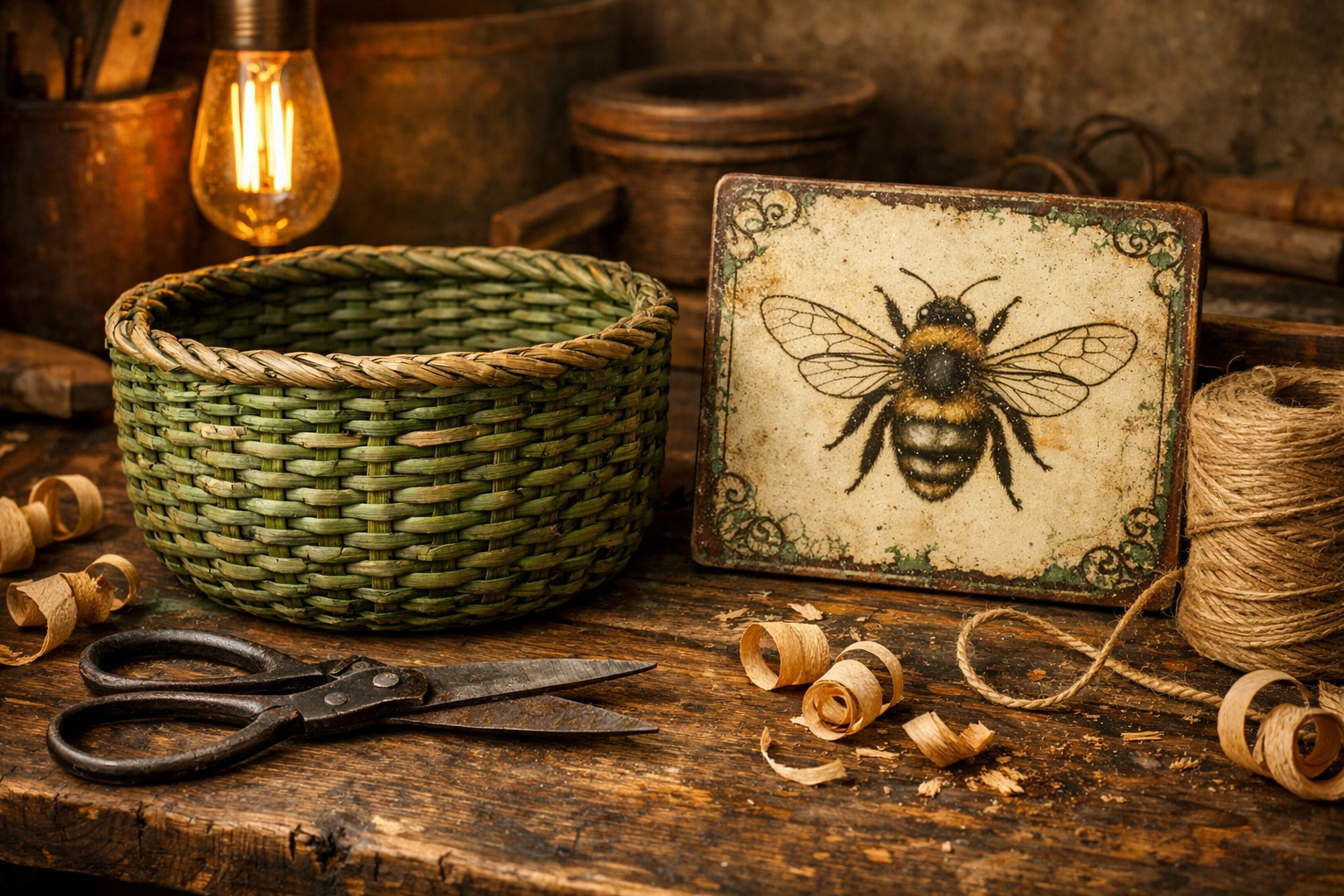
Artisans within this movement frequently utilize salvaged materials, such as vintage metals or reclaimed textiles, to create one-of-a-kind pieces. For instance, the use of tin in items like the Bee Tin Sign or the Small Chicken Tin Sign exemplifies how durable materials can be recontextualized into charming, enduring home decor. These items represent a departure from the "disposable" culture of the past, offering longevity and a narrative of renewal that mass-produced alternatives cannot replicate. By choosing handcrafted home accessories, consumers are effectively voting for a more sustainable future, one where objects are designed to be cherished rather than discarded.
Handcrafted Home Accessories as Semiotic Anchors
In the realm of interior design, the Human Craft movement has introduced the concept of "thoughtful maximalism," where the home is viewed as a gallery of personal history and artisanal skill. Handcrafted accessories serve as semiotic anchors: objects that carry specific meanings and ground the aesthetic of a room. Whether it is a Green Basket Large used for storage or a Cow Painting acting as a focal point, these items provide a layer of texture and visual complexity that defines the "artisan home."
The styling of these unique pieces requires an understanding of how different materials and textures interact within a space. Integrating handcrafted items often involves a deliberate mixing of patterns, such as florals, checks, and stripes, to create a curated rather than a "decorated" look. The Human Craft aesthetic encourages the placement of items that invite touch and conversation, such as a Set of Three Books displayed on a mantle, which suggests a life well-lived and a mind that values the tactile nature of physical objects. This approach to decor prioritizes well-being, as researchers have noted that living with handmade art can improve daily psychological states by providing anchors of stability and human skill in an increasingly uncertain world.
The Stress-Free Nature of Artisan Gifts for Mother’s Day 2026
As we approach Mother’s Day 2026, the Human Craft movement offers a strategic solution to the perennial challenge of finding meaningful gifts. The tradition of gift-giving is often fraught with the stress of commercialism, yet artisan gifts provide a pathway to a more authentic and relaxed celebratory experience. Choosing a handcrafted gift: something truly unique and representative of the recipient’s personality: demonstrates a level of thoughtfulness that exceeds the simple act of purchase. It is a recognition of the recipient's individuality, much like the Anti-Social Butterfly sign might speak to a mother's specific sense of humor and personality.
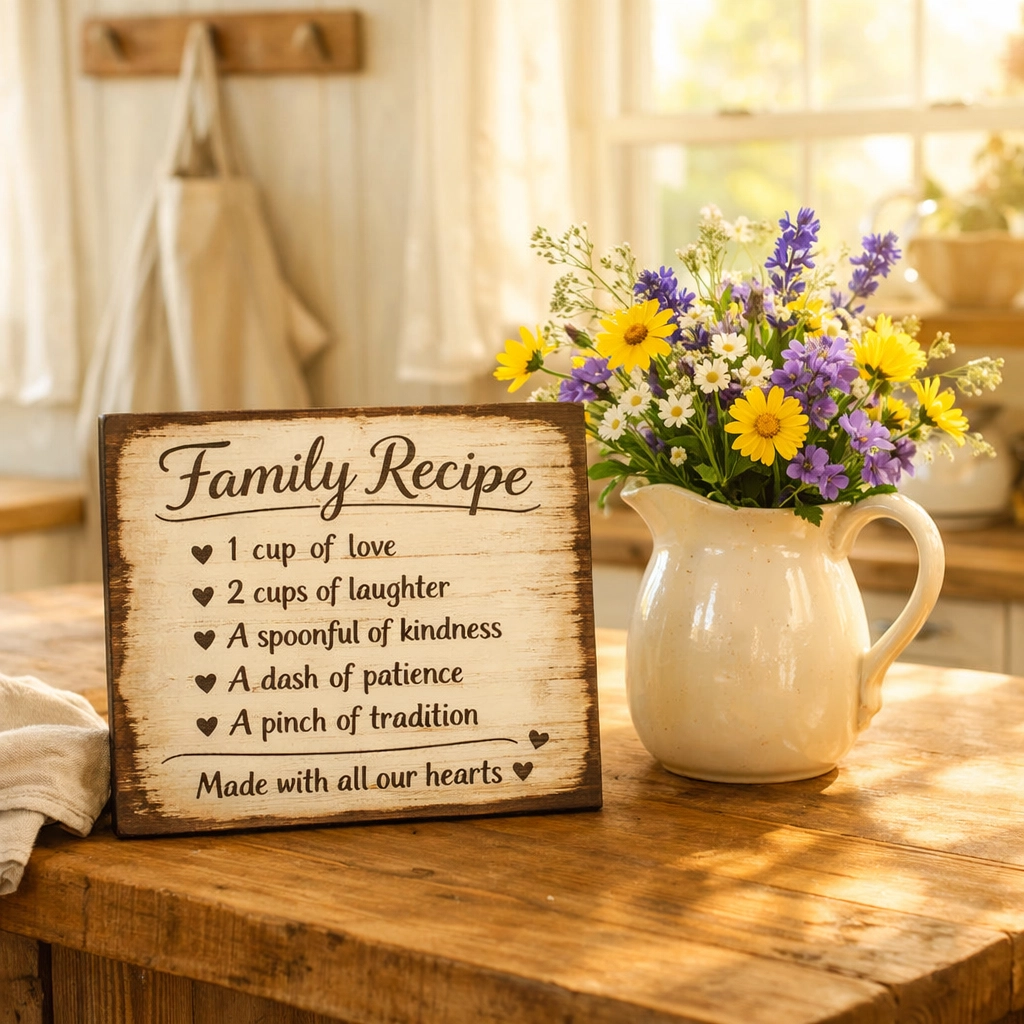
For the mother who cherishes family traditions, a Family Recipe sign serves as a functional and sentimental heirloom, bridging the gap between past and present generations. Similarly, the She Works Hard for the Honey decor piece acknowledges the labor and love inherent in motherhood through the lens of artisanal craftsmanship. These items are not just gifts; they are tokens of appreciation that carry the weight of human effort, making them the secret to a stress-free Mother’s Day. By opting for one-of-a-kind gifts, the giver bypasses the generic nature of retail trends and offers something that will be valued for its craftsmanship and its story for years to come.
Market Dynamics and the 'Handwork 2026' Initiative
The obsession with human craft is supported by empirical evidence and significant economic shifts. In the first quarter of 2026, market analysts reported record-breaking search volumes for "handwoven wall art" and "small-batch decor," indicating that the consumer preference for the handmade is a measurable and sustained trend. This demand is further bolstered by the Handwork 2026 initiative, a national celebration coinciding with the United States' semiquincentennial. This initiative has institutionalized the appreciation of craft through exhibitions and educational programs, reinforcing the idea that handwork is a vital component of the national identity and the local economy.
"The rise of the Human Craft movement reflects a fundamental human desire to see the hand of the maker in the objects we use daily." - John, Lead Researcher at the Institute of Material Culture.
This institutional support, combined with the purchasing power of conscious consumers, has created a robust ecosystem for boutiques like Copper & Hazel. The movement emphasizes the importance of supporting local artisans and small businesses, ensuring that the skills of woodworking, painting, and textile arts are preserved and passed down. As galleries and boutiques continue to see high turnover for sculptural and handcrafted pieces, it becomes clear that the "Human Craft" movement is not a fleeting trend but a foundational shift in how we value labor, art, and the environment.
Conclusion: Embracing the Handcrafted Future
The Human Craft movement of 2026 stands as a testament to the enduring power of human creativity and the physical act of making. By prioritizing handcrafted gifts, unique home accessories, and sustainable practices, society is moving toward a more meaningful and connected way of living. As we celebrate milestones like Mother’s Day 2026, the choice to support artisans and integrate one-of-a-kind pieces into our homes allows us to surround ourselves with objects that tell stories, evoke emotions, and honor the human spirit. The obsession is not merely with the objects themselves, but with the humanity they represent: a humanity that remains essential even in the most advanced of technological eras.
🔖Tags: #HumanCraft #HandcraftedDecor #ArtisanGifts #MothersDay2026 #SustainableLiving #CopperAndHazel #HomeDecorTrends #HandmadeMovement
Leave a Reply
Your email address will not be published. Required fields are marked *
Comment *
Name * ___________________________
Email * __________________________
Website __________________________
[ ] Save my name, email, and website in this browser for the next time I comment.
Post Comment