


The Conceptual Framework of Artisan Authenticity in Contemporary Markets
In the modern era of accelerated consumption, the pursuit of unique handmade gifts has become a significant undertaking for the discerning consumer who values both aesthetic distinction and ethical production. The identification of genuine artisan home decor requires a comprehensive understanding of the methodologies employed in the creation of such items, as well as a rigorous evaluative framework to distinguish them from mass-produced facsimiles. When one navigates a home decor boutique, the objective is often to acquire objects that possess a "Modern Heritage" quality: items that are not merely decorative but are imbued with the narrative of their creation.
To facilitate a deeper understanding of these concepts, it is necessary to examine the specific markers that define handcrafted gifts and the sustainable practices that underpin their existence. The following sections will detail the ten primary indicators that a product is truly sustainable and artisan-made, providing a scholarly approach to the curation of unique gifts for home.
1. Verification of Material Sourcing and Raw Input Origin
A primary indicator of the authenticity of artisan home decor is the transparency regarding the origin of raw materials. Truly handcrafted gifts are typically derived from materials that are sourced through ethical and localized supply chains, ensuring that the ecological footprint remains minimal. In the context of a curated home decor collection, such as those found at Copper & Hazel Boutique, the provenance of wood, textiles, or minerals is often documented with precision.
The sustainability of a product is inextricably linked to the methods by which its materials are extracted and processed. For instance, unique handmade gifts constructed from reclaimed timber or organic fibers demonstrate a commitment to environmental stewardship. When evaluating handcrafted home accessories, one must inquire about the specific origins of the inputs to ensure they align with the principles of ecological preservation and artisan integrity.
2. Evidence of Individualized Production Markers and Irregularities
In the manufacturing of artisan gifts, the presence of subtle irregularities serves as a definitive marker of human intervention. Unlike the sterile uniformity characteristic of industrial production, one-of-a-kind gifts frequently exhibit variations in texture, color, and form. These "imperfections" are, in fact, the signatures of the artisan, indicating that each piece has been subjected to manual manipulation.

When examining unique handmade gifts, the observer should look for variations that suggest a non-automated process. In the realm of handmade home decor, these variations contribute to the "curated" aesthetic, providing a visual contrast to the repetitive nature of mass-market items. It is the repetitive nature of the human hand, rather than the precision of a machine, that yields the most authentic results in handcrafted gifts.
3. Comprehensive Producer Transparency and Narrative Documentation
Authentic artisan home decor is almost always accompanied by a narrative that details the identity and methodology of the creator. A reputable home decor boutique will provide comprehensive information regarding the artisans they represent. This transparency is a fundamental component of the "Artisan-Made" designation, as it allows the consumer to verify the human labor involved in the production of unique gifts for home.
The narrative documentation of a product often includes the history of the craft, the specific techniques utilized, and the socio-economic impact of the purchase. By understanding the story behind handcrafted home accessories, the consumer can make an informed decision that supports sustainable livelihoods. As noted by industry experts, "the value of an artisan gift lies not just in the object itself, but in the verified connection between the maker and the user" (- Michael).
4. Utilization of Traditional and Heritage Craft Techniques
The preservation of traditional techniques is a cornerstone of the artisan movement. When seeking unique handmade gifts, it is essential to identify products that utilize heritage methods: such as hand-looming, wood-turning, or manual forging: that have been passed down through generations. These techniques are often more sustainable than industrial alternatives, as they rely on human skill rather than energy-intensive machinery.
In a well-curated home decor environment, the application of these traditional techniques results in products that possess a timeless quality. The use of heritage methods ensures that the art of the craft is maintained, preventing the loss of cultural knowledge while producing artisan home decor that is both durable and aesthetically significant.
5. Adherence to Small-Batch and Limited Production Cycles
Sustainability in the context of artisan gifts is often characterized by small-batch production. Mass production necessitates large-scale resource extraction and often results in significant waste. Conversely, handcrafted gifts are produced in limited quantities, ensuring that resources are utilized efficiently and that each item receives the requisite attention from the artisan.
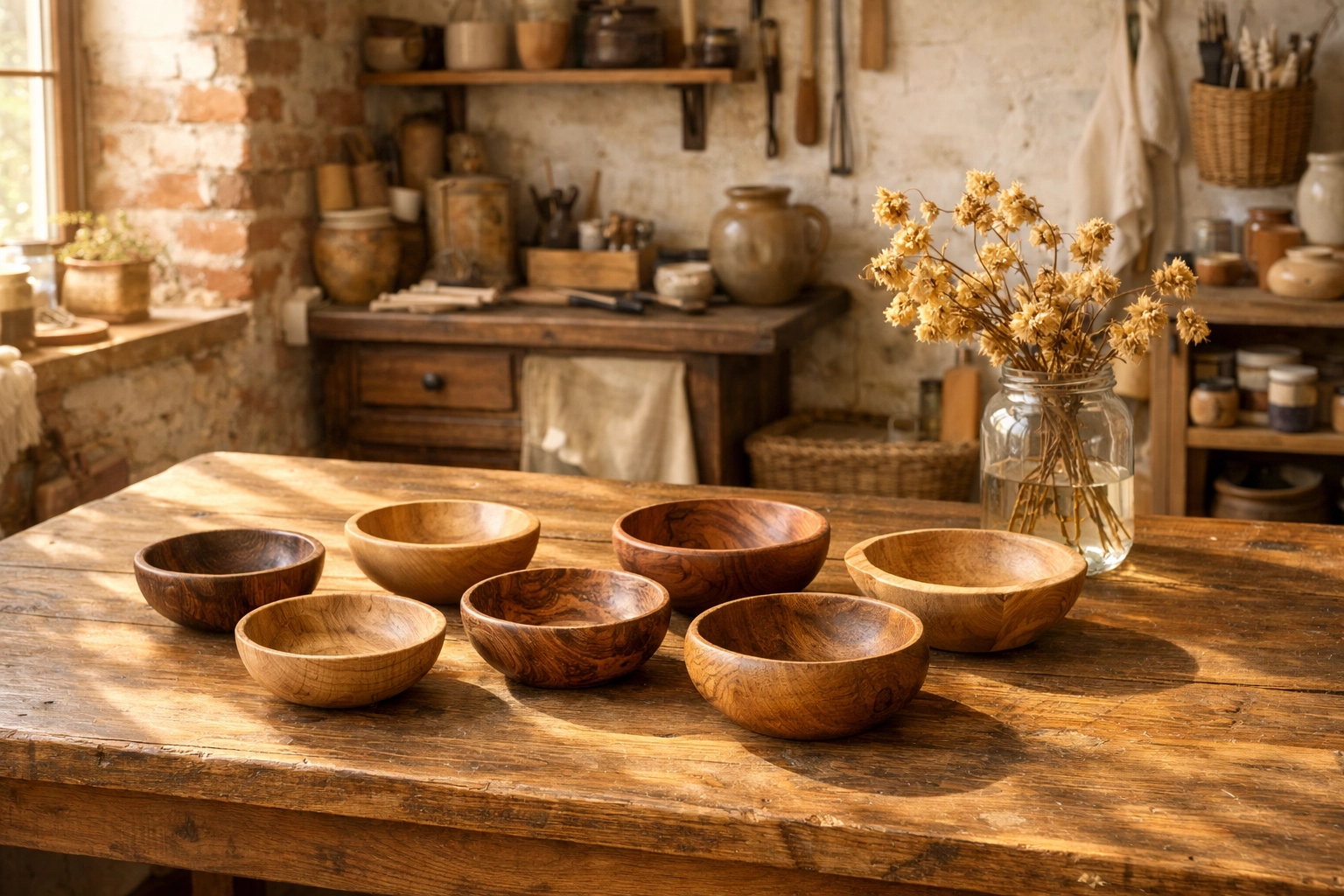
When a home decor boutique offers one-of-a-kind gifts, it is an indication that the production cycle is governed by quality rather than volume. Small-batch production allows for a more sustainable approach to inventory management, reducing the likelihood of unsold goods entering the waste stream. This limited production cycle is a hallmark of the Copper & Hazel shop philosophy, where curation takes precedence over mass availability.
6. Transparency in Pricing and Fair Compensation Models
The financial structure surrounding handcrafted home accessories provides significant insight into their sustainability. Artisan-made products typically command a higher price point than their mass-produced counterparts, reflecting the intensive labor and high-quality materials involved. A truly sustainable brand will be transparent about how their pricing supports fair wages for the artisans involved.
When evaluating unique handmade gifts, one must consider the ethical implications of the price. Fair compensation ensures that the artisan can continue their craft under safe and dignified conditions. In the academic study of artisan economies, the correlation between price transparency and ethical production is well-documented, reinforcing the idea that sustainable artisan gifts are an investment in human capital as much as they are in home aesthetics.
7. Environmental Impact of Finishing Agents and Adhesives
The sustainability of handmade home decor is not limited to the primary materials but extends to the finishing agents utilized. Authentic artisan gifts often employ natural oils, waxes, and plant-based dyes rather than synthetic chemicals and high-VOC finishes. These natural alternatives are safer for both the environment and the end-user, contributing to a healthier domestic environment.

Consumers should investigate the specific types of finishes applied to handcrafted home accessories. Products like the "Anti-Social Butterfly" or "She Works Hard for the Honey" items found at Copper & Hazel often emphasize these natural compositions. By choosing products with environmentally benign finishes, one ensures that their unique gifts for home are truly sustainable from the inside out.
8. Longevity, Durability, and the "Slow Decor" Philosophy
A defining characteristic of artisan home decor is its inherent durability. While mass-produced items are often designed with "planned obsolescence" in mind, handcrafted gifts are built to endure. This longevity is a critical component of sustainability, as it reduces the frequency with which items must be replaced, thereby decreasing overall consumption.
The "Slow Decor" movement emphasizes the acquisition of few, high-quality items over the accumulation of many disposable ones. By investing in artisan home decor, the consumer participates in a more sustainable cycle of consumption. The durability of these items ensures that they can function as "Modern Heritage" pieces, potentially being passed down to future generations as unique handmade gifts of historical value.
9. Verification Through Recognized Certifications and Standards
While the narrative of the artisan is important, formal certifications can provide an additional layer of verification for sustainable practices. Labels such as Fair Trade, GOTS (Global Organic Textile Standard), or B Corp status indicate that a home decor boutique or producer has met rigorous third-party standards for social and environmental performance.

When searching for unique gifts for home, look for these certifications as a benchmark of authenticity. While not all small-scale artisans can afford the administrative costs of formal certification, many reputable boutiques will vet their suppliers against these standards. This scholarly approach to verification ensures that the handcrafted gifts you purchase are genuinely aligned with sustainable principles.
10. Minimalist and Biodegradable Packaging Solutions
The final indicator of a truly sustainable artisan product is the manner in which it is packaged. Artisans who are committed to environmental stewardship will extend that commitment to their shipping and presentation materials. Unique handmade gifts should be accompanied by packaging that is either recycled, recyclable, or biodegradable, avoiding the use of excessive plastics and non-recyclable foams.

Thoughtful packaging is an extension of the curated home decor experience. It demonstrates that the brand considers the entire lifecycle of the product, from creation to delivery. When ordering from an online home decor boutique, the arrival of a product in minimalist, eco-friendly packaging serves as a final confirmation of its sustainable artisan origins.
Summary of Evaluative Criteria for Artisan Acquisitions
In conclusion, the process of identifying unique handmade gifts that are both sustainable and truly artisan-made requires a meticulous attention to detail. By examining material provenance, production markers, producer transparency, and environmental impact, the consumer can navigate the home decor boutique landscape with confidence. The integration of these ten markers into one's purchasing strategy ensures that the resulting collection of artisan home decor is not only aesthetically pleasing but also ethically sound and environmentally responsible.
The pursuit of handcrafted home accessories is ultimately a pursuit of quality and meaning. By adhering to these evaluative standards, one can ensure that their one-of-a-kind gifts serve as a testament to the enduring value of human craftsmanship and sustainable living.
🔖Tags: #HandmadeGifts #SustainableDecor #ArtisanMade #HomeDecorBoutique #CuratedHome #UniqueGifts #ModernHeritage #CopperAndHazel #EcoFriendlyLiving #HandcraftedHome
Leave a Reply
Your email address will not be published. Required fields are marked *
Comment *
Name *
Email *
Website
[ ] Save my name, email, and website in this browser for the next time I comment.
[ Post Comment ]