
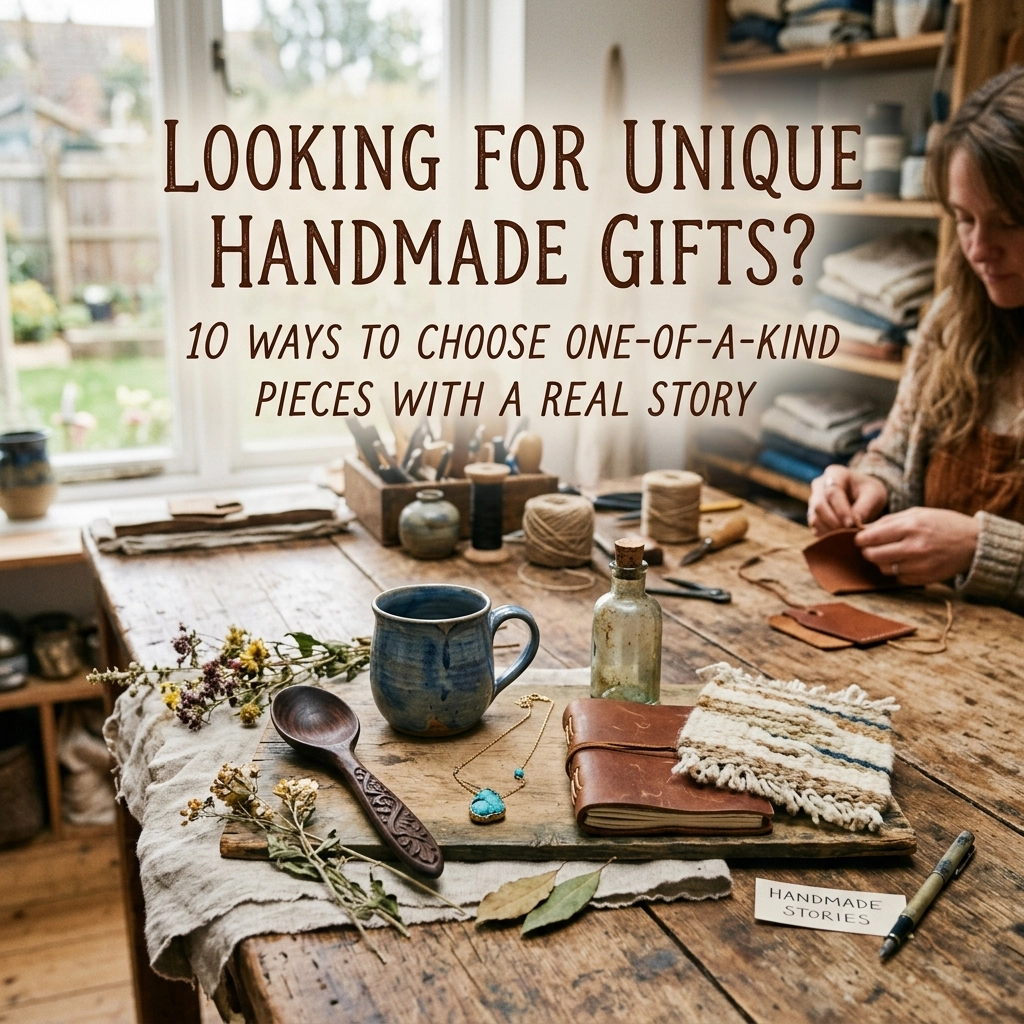

The contemporary marketplace is currently experiencing a significant paradigm shift wherein the discerning consumer is increasingly eschewing the homogenized nature of mass-produced commodities in favor of items that possess a distinct artisanal provenance. When one seeks to acquire a gift that transcends the mere utility of a physical object, the selection of a handcrafted piece becomes a scholarly pursuit of authenticity and narrative depth. At Copper & Hazel Boutique, the ethos of the handcrafted gift is predicated upon the understanding that every object carries with it a silent history, a set of meticulous decisions made by the creator, and a tactile resonance that cannot be replicated by automated manufacturing processes.
To facilitate a comprehensive understanding of how one might navigate the complexities of selecting such items, we have delineated a ten-point framework. This framework is designed to assist the creative individual, the maternal figure, and the grandmother alike in identifying pieces that offer not just aesthetic appeal, but a profound connection to the maker's intent.
1. Evaluating the Provenance and Narrative Context
The primary criterion for selecting a truly unique handmade gift involves an investigation into the narrative context or the "story" behind the piece. A gift is not merely a collection of materials; rather, it is the culmination of a creator’s journey, experience, and inspiration. When a consumer evaluates a piece such as a flower wall hanging, they are not simply looking at botanical representations; they are engaging with the specific artistic choices made by the artisan during the assembly of that particular work. The narrative context provides a bridge between the creator and the recipient, ensuring that the gift is perceived as a vessel of meaning rather than a disposable commodity. This narrative context is essential because, without a story, an object lacks the emotional weight required to be considered a one-of-a-kind heirloom.
2. Discerning the "Perfect Imperfection" of Artisan Handiwork
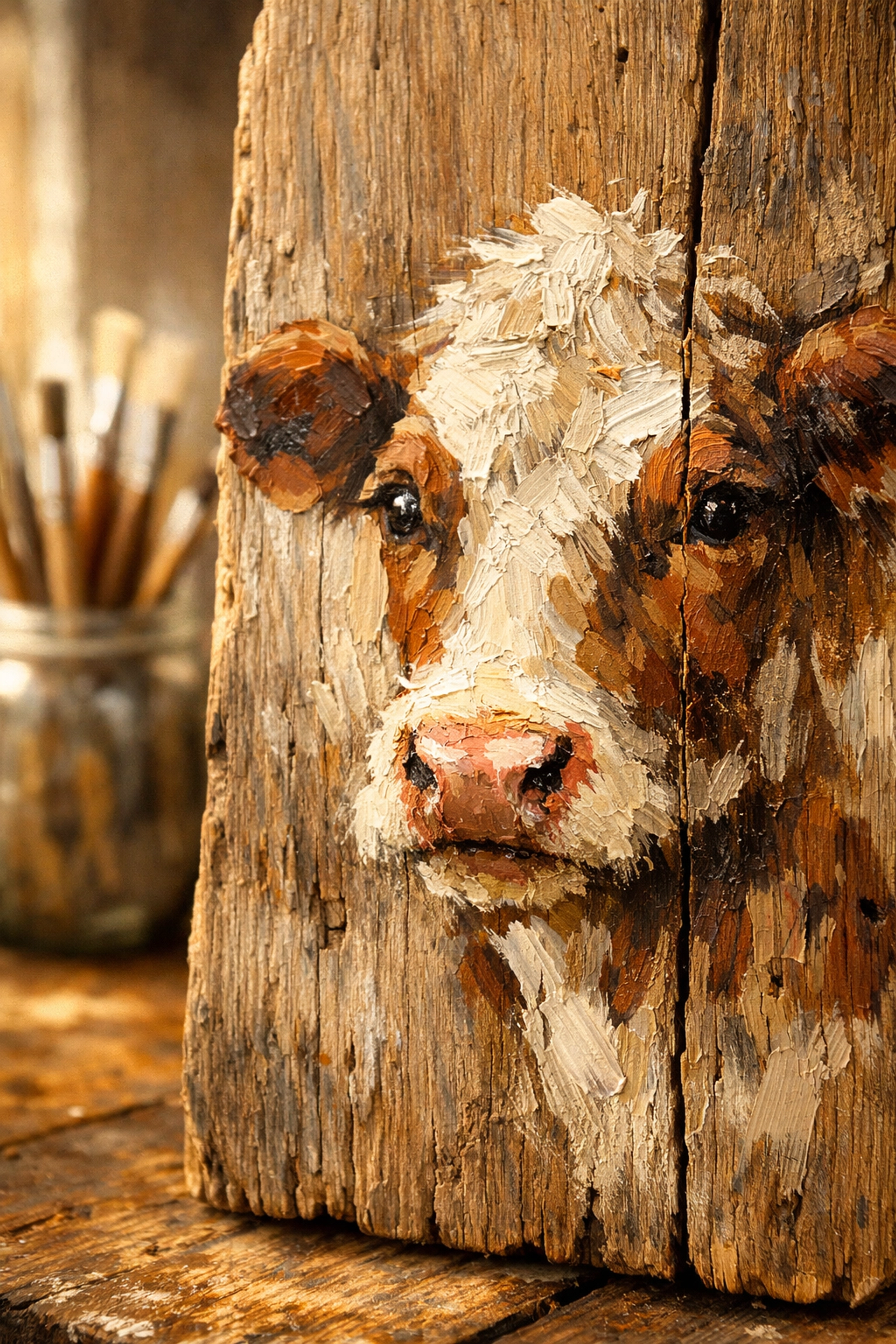
In the realm of artisanal production, the presence of minor variations: frequently referred to as "perfect imperfections": is the hallmark of genuine handcrafting. Unlike factory-made items that strive for absolute uniformity through mechanical precision, handmade items reflect the human touch through subtle nuances in texture, color, and form. When examining a piece like the cow painting, one should look for the brushstrokes and the layering of pigments that indicate a human hand was at work. These variations are not defects; rather, they are the signatures of authenticity. By embracing these imperfections, the gift-giver acknowledges that the item is a singular entity, distinct from all other versions of the same design, thereby reinforcing the unique nature of the gift.
3. Understanding Material Sourcing and Sustainability
A critical component of the value proposition of a handcrafted gift lies in the origin of its constituent materials. Discerning shoppers often seek out items that utilize reclaimed, recycled, or ethically sourced components, as these materials contribute to the overall story of the piece. For instance, the use of tin in items like the chicken tin or the bee tin sign suggests a nod toward rustic, durable materials that evoke a sense of "country living." The scholarly evaluation of a gift should include an assessment of how these materials were sourced and whether their use aligns with a philosophy of environmental stewardship. A gift that incorporates sustainable materials possesses a dual narrative: one of the creator’s skill and one of the material’s previous existence or ethical journey.
4. Assessing the Tactile and Sensory Engagement
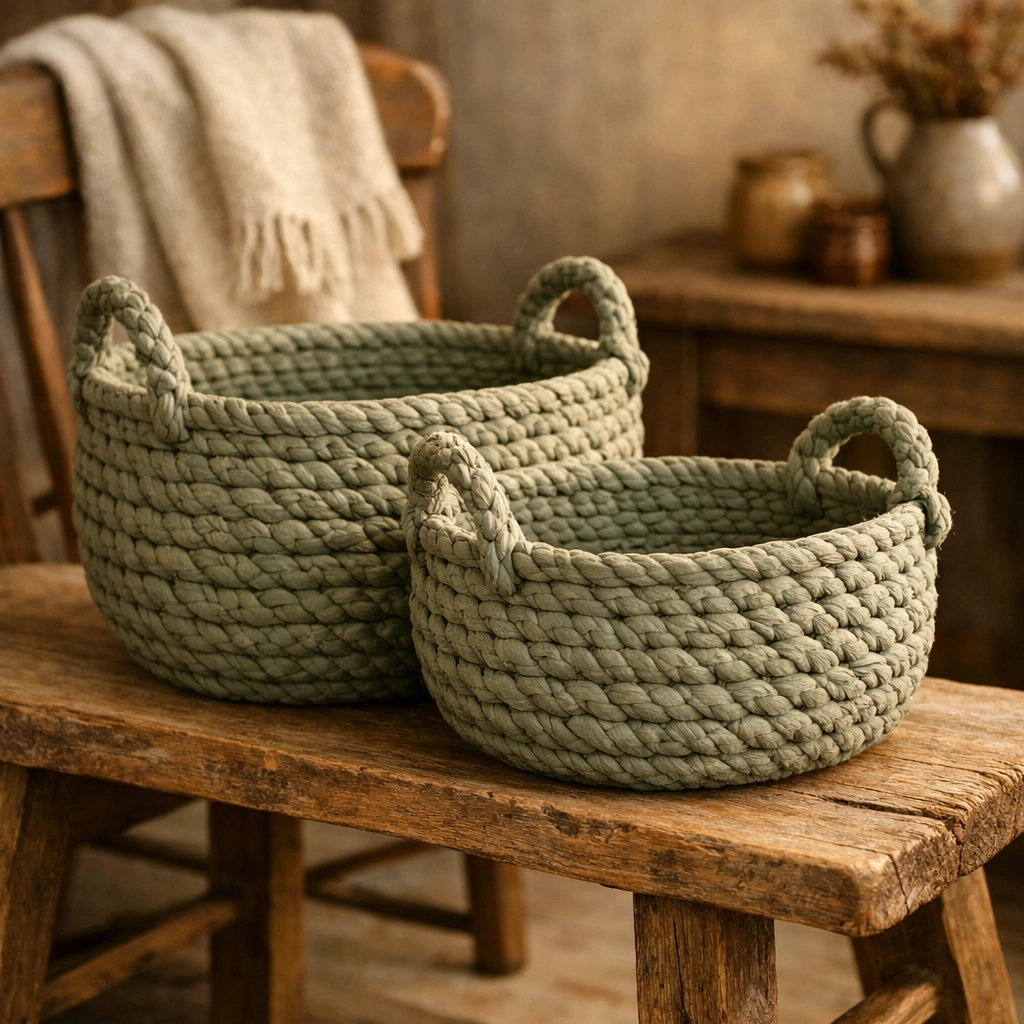
Handmade gifts offer a sensory experience that is often absent in the sterile surfaces of mass-produced goods. When choosing a gift, one must consider the tactile engagement the recipient will have with the object. This involves a careful analysis of the textures, weights, and finishes applied to the piece. For example, a green basket (large) or its smaller counterpart, the green basket (small), provides a tactile experience through the weave of the material and the organic nature of its construction. This sensory engagement is a vital aspect of the "personal touch" that Copper & Hazel Boutique emphasizes, as it fosters a physical connection between the recipient and the gift that persists through repeated use.
5. Identifying the Creator’s Signature Style and Methodology
Every artisan possesses a unique "signature" style: a set of recurring motifs, techniques, or thematic elements that characterize their body of work. To select a one-of-a-kind gift, it is beneficial to recognize the methodology employed by the maker. Whether it is the whimsical design of the anti-social butterfly or the industrious spirit captured in the she works hard for the honey piece, the methodology reveals the artisan's perspective. Understanding this signature style allows the gift-giver to align the personality of the artist with the personality of the recipient, creating a harmonious match that enhances the perceived value and relevance of the gift.
6. The Role of Personalization and Customization
Personalization is a powerful tool in the creation of a unique gift, as it directly integrates the recipient’s history into the object’s narrative. Items that allow for customization, such as a family recipe display, transform a standard kitchen accessory into a profound familial artifact. By incorporating names, dates, or specific sentimental data, the gift-giver ensures that the piece cannot be replicated or replaced. This level of customization represents the pinnacle of the "personal touch," as it bridges the gap between the creator’s craft and the recipient’s personal legacy. The act of personalization effectively "locks" the story of the gift to the recipient, making it an irreplaceable component of their home decor.

7. Longevity and the Potential for Heirloom Status
When choosing a handmade gift, one should evaluate its potential to endure as an heirloom. Heirloom status is not merely a function of durability; it is a function of timelessness and emotional resilience. A well-crafted item, such as a set of three books designed for decor, possesses a classic aesthetic that avoids the fleeting trends of fast fashion. To ensure a gift has heirloom potential, one must examine the quality of construction and the timelessness of the design. A gift that is built to last is a gift that continues to tell its story across generations, thereby increasing its intrinsic and sentimental value over time.
8. Evaluating the Cultural and Aesthetic Significance
Handcrafted items often draw upon specific cultural traditions or aesthetic movements, such as the rustic "country living" vibe curated at Copper & Hazel Boutique. When selecting a piece like the small chicken tin sign, one should consider how the item reflects a particular lifestyle or aesthetic philosophy. The aesthetic significance of a gift contributes to the overall atmosphere of the recipient’s home. By choosing an item that resonates with a specific cultural or aesthetic framework, the gift-giver demonstrates a deep understanding of the recipient’s preferences and the environment in which they choose to live.

9. Supporting the Artisan Economy and Ethical Consumption
The choice to purchase a handmade gift is also an ethical decision to support the artisan economy. By patronizing boutiques that focus on handcrafted goods, such as Copper & Hazel, the consumer contributes to the preservation of traditional skills and the livelihoods of independent creators. This ethical dimension becomes part of the gift’s story. Knowing that a gift was produced under ethical conditions by an artisan who is passionate about their craft adds a layer of moral satisfaction to the act of giving. This support of the artisan economy ensures that the craft continues to thrive, allowing for the future production of unique, one-of-a-kind pieces.
10. The Significance of the "Uncategorized" and Rare Find
Oftentimes, the most unique gifts are those that defy standard categorization: the rare finds that exist in the uncategorized sections of a boutique. These items often represent experimental work or limited-edition runs that are not part of a larger collection. Seeking out these "uncategorized" treasures requires a keen eye and a willingness to explore beyond the obvious choices. These rare finds are frequently the most potent examples of one-of-a-kind artistry, as they may never be produced again in the same format. Finding such a piece is an exercise in discovery, adding a layer of excitement and exclusivity to the gift-giving process.

In conclusion, the selection of a unique handmade gift is a multifaceted process that requires careful consideration of narrative, material, craftsmanship, and ethical impact. By following these ten evaluative steps, one can ensure that the gift chosen is not merely a physical object, but a meaningful contribution to the recipient's life and home. At Copper & Hazel Boutique, our commitment to providing handcrafted gifts and decor ensures that every item in our collection has been vetted for its ability to tell a story and provide that essential personal touch.
- Michael
🔖Tags: #HandmadeGifts #ArtisanDecor #CopperAndHazel #UniqueGifts #HomeDecorTips #SupportSmallBusiness #OneOfAKind #HandcraftedHome
Leave a Reply
Your email address will not be published. Required fields are marked *
Comment *
Name *
Email *
Website
Post Comment