
The Intellectual Framework of Handcrafted Home Accessories in 2026
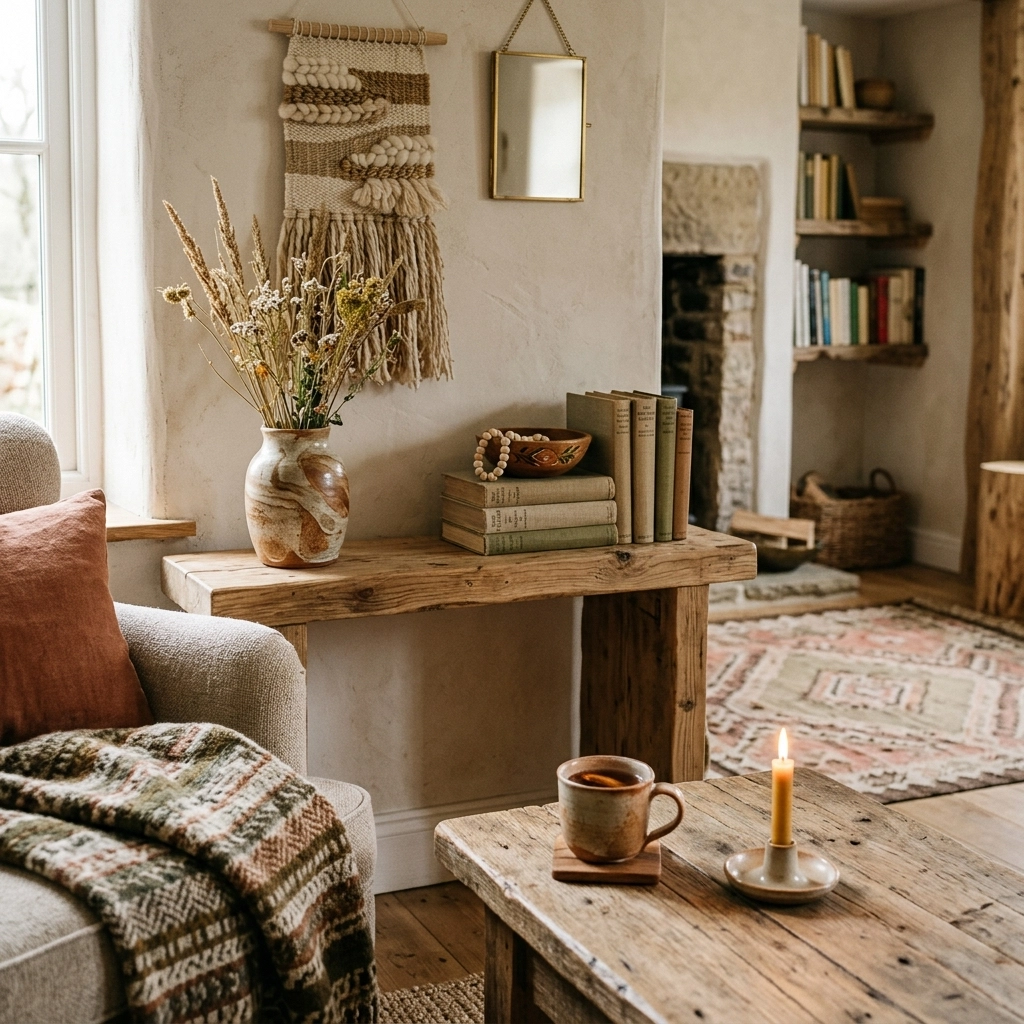
As we approach the significant cultural and retail milestone of Mother's Day 2026, the discourse surrounding interior design has shifted demonstrably toward the "Human Craft" movement. This movement, which prioritizes the visible evidence of manual labor and artisanal skill, suggests that the home is not merely a shelter but a curated repository of human narrative. Handcrafted home accessories serve as the primary medium through which this narrative is expressed. To style these pieces effectively requires a comprehensive understanding of both aesthetic theory and the practical application of tactile elements within a domestic space. The following examination provides an educational overview of how one might integrate unique handmade gifts and artisanal objects into a cohesive living environment.
The pursuit of one-of-a-kind gifts for your favorite home decorator often leads to a deeper appreciation for the nuances of production. When an object is handcrafted, it possesses an inherent variation that mass-produced items lack. This variation (which we might define as "the fingerprint of the maker") is precisely what gives handcrafted home accessories their value. In the context of Copper & Hazel Boutique, the emphasis remains on the convergence of utility and beauty, ensuring that every object placed within the home serves a dual purpose: functional necessity and aesthetic enrichment.
I. The Methodology of Layering Textiles for Sensory and Visual Depth
The first creative strategy involves the deliberate layering of handcrafted textiles to achieve what interior theorists often call "textural resonance." Textiles, such as handmade cushions, woven throws, and block-printed blankets, are foundational to creating an inviting domestic retreat. The layering process is not merely about placement; it is about the interaction between different fibers and weaving techniques.
By layering these items across sofas, chairs, or beds, the decorator introduces a sense of warmth and complexity. For instance, a block-printed pillow (created using traditional manual stamping techniques) provides a visual rhythm that contrasts effectively with a heavy, hand-loomed wool throw. This contrast is essential for preventing a space from feeling one-dimensional. As we look toward Mother's Day 2026, the gift of a handcrafted textile represents a commitment to the recipient’s long-term comfort and the preservation of traditional weaving heritage.
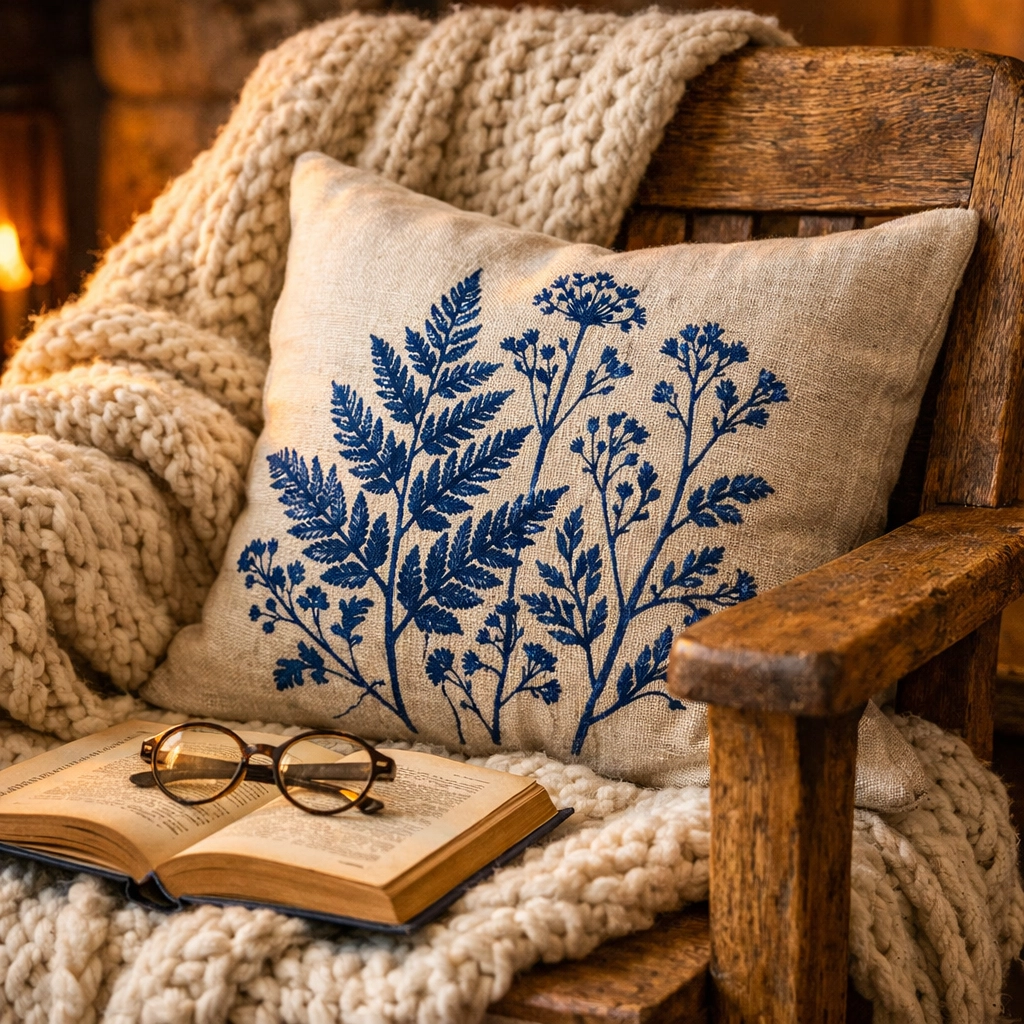
Furthermore, the repetition of textile patterns: such as the deliberate mixing of florals, checks, and stripes: can reinforce a sense of "thoughtful maximalism." This approach requires the decorator to maintain a consistent color palette while varying the scale of the patterns. It is through this rigorous attention to detail that a room moves from a simple collection of furniture to a sophisticated, handcrafted environment. To explore a variety of these artisanal fabrics, one might visit the Copper & Hazel shop, where the selection reflects a dedication to high-quality craftsmanship.
II. The Integration of Functional Art into Utilitarian Spaces
The second strategy concerns the elevation of utilitarian objects to the status of "functional art." This involves the display of handcrafted pottery, ceramics, and wooden implements in areas of the home that are traditionally reserved for labor, such as the kitchen or the dining room. Hand-thrown vases, artisanal bowls, and hand-carved wooden cutting boards should not be hidden in cabinets; rather, they should be showcased as central design elements.
The use of handcrafted ceramics in a dining setting transforms a routine meal into a ceremonial experience. The minor imperfections found in a hand-glazed plate: the slight variations in hue or the subtle irregularity of the rim: serve as a constant reminder of the "human touch." These imperfections (often referred to in scholarly circles as the beauty of the "asymmetric balance") provide a psychological counterpoint to the sterile precision of modern technology.
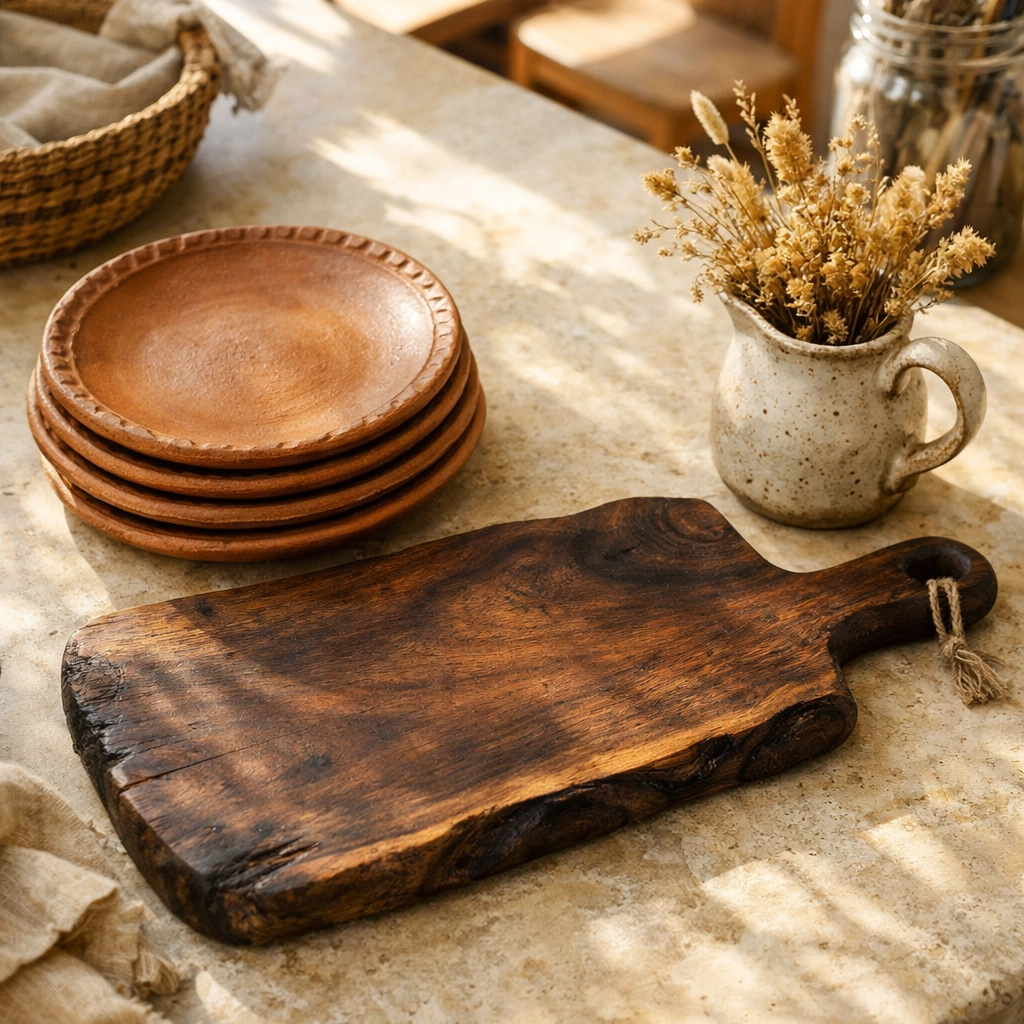
When selecting unique handmade gifts for Mother's Day 2026, one must consider the longevity of the material. Wood and clay are enduring substances that age with grace, acquiring a patina that reflects years of use. This longevity is a cornerstone of sustainable decor practices. By choosing items that are built to last, the consumer participates in a rejection of "disposable culture." For those interested in the specific provenance of such items, the about page provides insight into the boutique’s philosophy regarding artisanal sourcing.
III. Lighting as a Sculptural Element in Interior Composition
The third technique for styling handcrafted home accessories focuses on lighting. Lighting should be viewed not just as a source of illumination, but as a sculptural focal point. Hand-blown glass pendants and handcrafted metal sconces are particularly effective in this regard. These pieces manipulate light in ways that factory-made fixtures cannot, often casting unique shadows and patterns that add a layer of "atmospheric complexity" to a room.
In entryways, kitchens, and hallways, a handcrafted light fixture acts as an immediate visual anchor. The metalwork involved in a handcrafted sconce (which might involve hammering, soldering, or chemical patination) adds a raw, industrial, yet refined quality to the decor. This intersection of the industrial and the artisanal is a recurring theme in the 2026 design landscape.
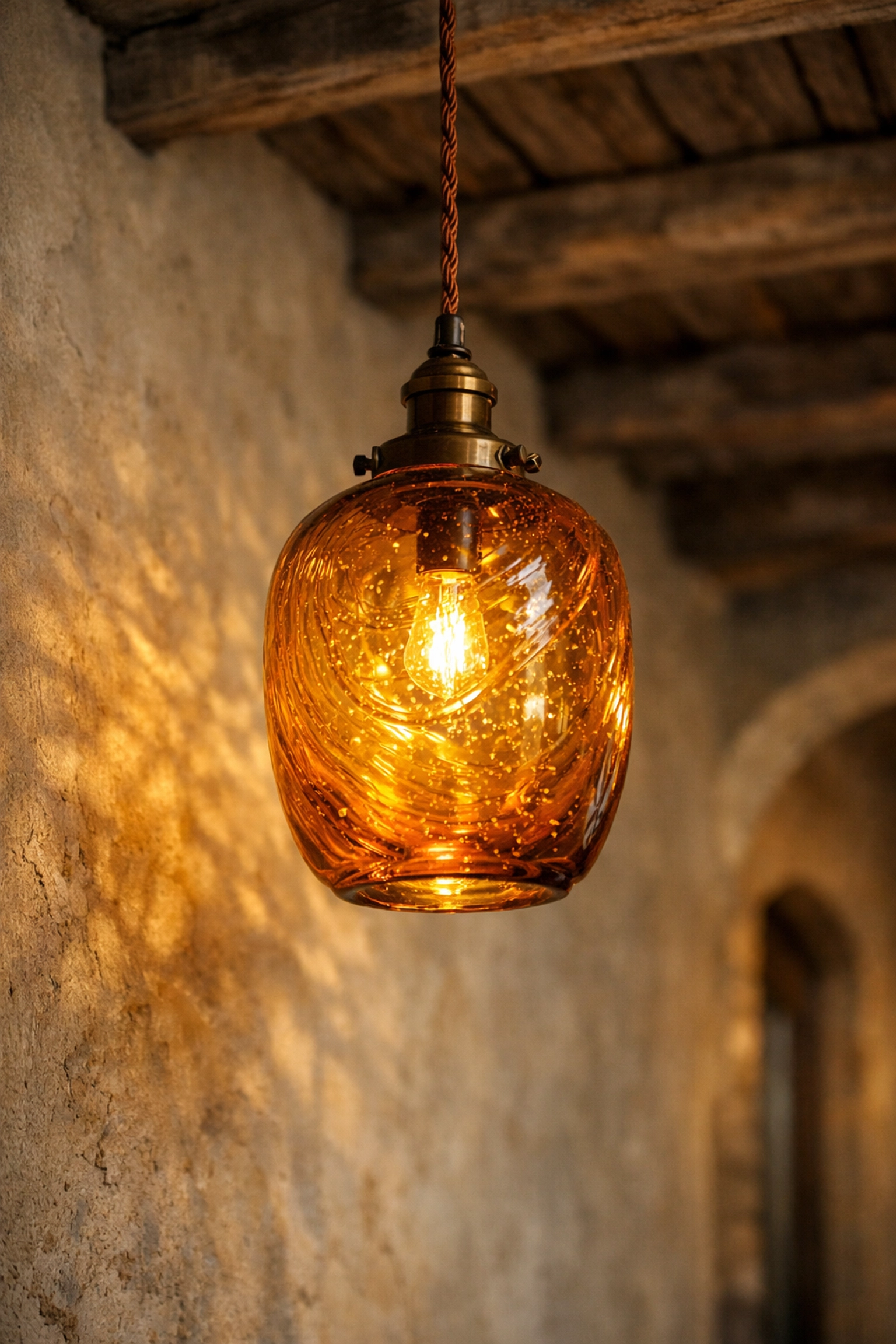
"The light fixture is the jewelry of the room; it provides the final, essential sparkle that ties the entire architectural composition together." - An anonymous perspective on modern curation. To find fixtures that embody this sculptural quality, staying informed about upcoming shows where these artisans exhibit their work is highly recommended.
IV. Synthesizing Wall Decor with Contemporary Frameworks
The fourth creative approach involves the synthesis of artisanal wall decor with contemporary furnishings. This strategy focuses on the "curatorial intent" of the wall space. By combining painted canvases from local artists, handmade wall hangings, and custom murals with modern, minimalist furniture, the decorator creates a dialogue between the old and the new.
Wall accessories function as the "narrative voice" of a room. They tell the story of the inhabitants' tastes, travels, and values. A handmade wall hanging, for instance, introduces a soft, organic texture that can break up the hard lines of a modern gallery wall. This creates a balanced visual interest that invites the viewer to linger and observe the intricate details of the craft.
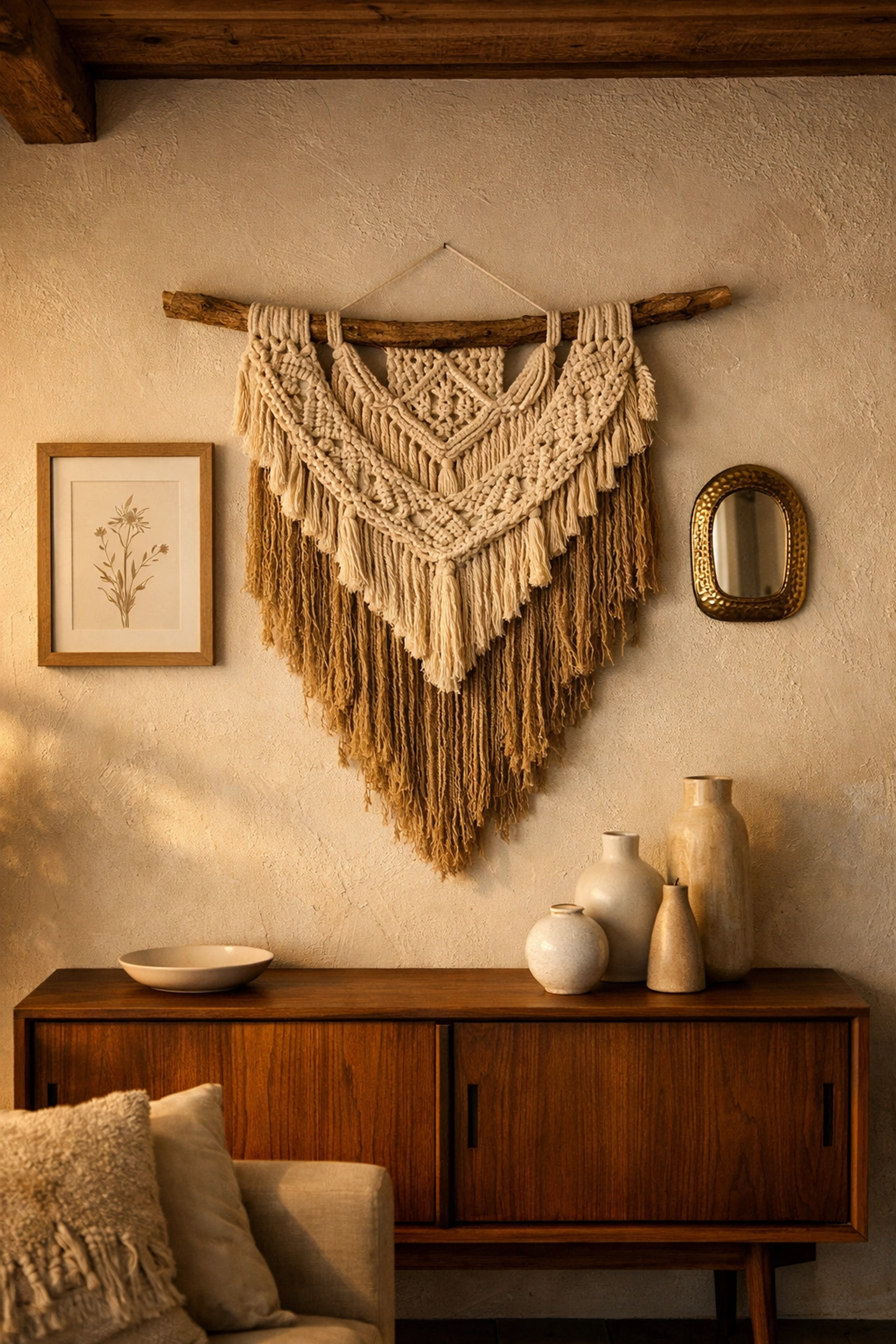
In the context of gifting, wall art is a profoundly personal choice. For Mother's Day 2026, selecting a piece that resonates with the recipient's aesthetic journey is a sophisticated way to show appreciation. Whether it is a framed botanical study or a complex fiber art piece, the goal is to enhance the existing decor while introducing a new point of conversation. For more information on how to contact designers for custom pieces, the contact page is an excellent resource.
V. Structural Cohesion through Hardware and Metallic Accents
The fifth and final strategy for styling is the coordination of hardware and accents by finish. This is perhaps the most subtle, yet impactful, method of styling handcrafted home accessories. By matching handcrafted knobs, pulls, and metal accents with the existing metallic finishes in a room, the decorator achieves a state of "structural cohesion."
For example, if a room features burnished brass mirrors, the introduction of handcrafted brass drawer pulls will reinforce the room's color story and material integrity. Similarly, pairing marble accessories with marble countertops creates a seamless visual transition that speaks to a highly organized and intentional design process. This attention to the "micro-details" of a home is what separates a professionally styled space from a casual one.
The repetition of these finishes (brass with brass, wood with wood) ensures that the space feels unified rather than cluttered. In 2026, the trend of mixing metals has become more disciplined, focusing on a primary finish with one or two complementary accents. This disciplined approach to hardware is a testament to the sophistication of the modern artisan home.
Conclusion: The Future of Handcrafted Living
In conclusion, the styling of handcrafted home accessories is a rigorous intellectual and creative exercise. Whether through the layering of textiles, the display of functional art, the installation of sculptural lighting, the curation of wall decor, or the coordination of hardware, the goal remains the same: to create a space that celebrates the "Human Craft" movement. As Mother's Day 2026 approaches, the value of these one-of-a-kind gifts becomes even more apparent, offering a stress-free alternative to mass-market consumption.
By choosing to support artisans and boutiques like Copper & Hazel, the consumer ensures that the tradition of handcrafting continues to flourish. The home, ultimately, is a reflection of our values. Choosing handcrafted accessories is a choice to value quality, history, and the human spirit.
🔖Tags: #HandcraftedDecor #ArtisanGifts #MothersDay2026 #InteriorStyling #CopperAndHazel #HumanCraftMovement #SustainableDecor
Leave a Reply
Your email address will not be published. Required fields are marked *
Comment *
Name * ___________________________
Email * ___________________________
Website ___________________________
[ ] Save my name, email, and website in this browser for the next time I comment.
[Post Comment]