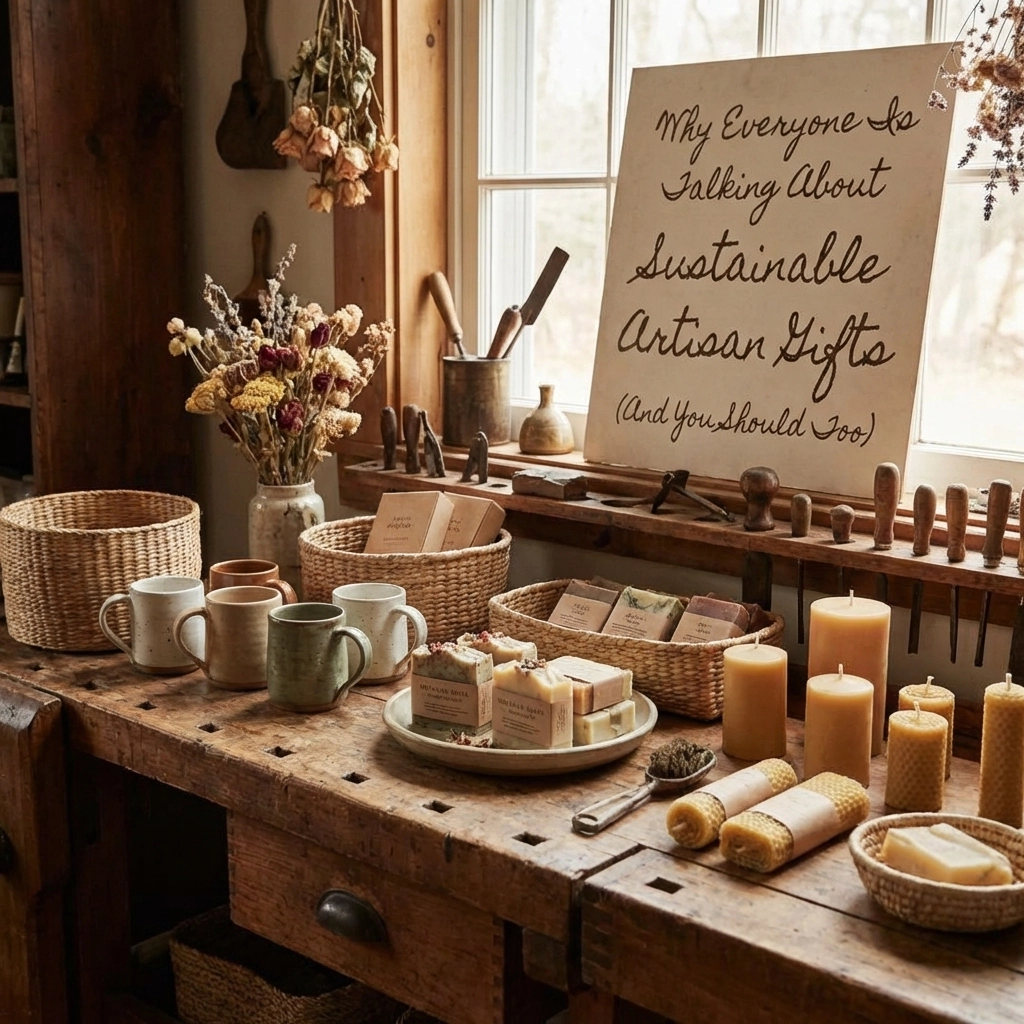

The contemporary landscape of gift-giving has undergone a fundamental transformation, with consumers increasingly gravitating toward sustainable artisan gifts that represent a conscious departure from conventional mass-produced alternatives. This shift toward handcrafted, environmentally responsible gifting reflects a broader cultural awakening that prioritizes meaningful consumption over quantity-driven purchasing behaviors. The conversation surrounding sustainable artisan gifts has gained considerable momentum because these products offer a thoughtful alternative to mass-produced goods while simultaneously addressing pressing environmental concerns, supporting ethical labor practices, and creating more meaningful gift-giving experiences for both givers and recipients.
The Environmental Imperative Behind Sustainable Artisan Gifts
The environmental advantages of sustainable artisan gifts represent one of the most compelling reasons why this movement continues to gain traction among conscious consumers. Traditional mass-produced items require extensive manufacturing processes that consume enormous amounts of energy, water, and raw materials while generating significant waste throughout their production cycles. Large-scale manufacturing facilities typically rely on fossil fuel-powered machinery, synthetic materials, and chemical-intensive processes that contribute substantially to carbon emissions and environmental degradation.
In stark contrast, handcrafted sustainable gifts utilize traditional production methods that maintain minimal environmental footprints while preserving time-honored crafting techniques. Artisan-made products frequently incorporate natural, renewable materials such as organic cotton, reclaimed wood, recycled metals, and plant-based dyes that require significantly less environmental manipulation during processing. These materials often come from local sources, reducing transportation-related carbon emissions and supporting regional ecosystems.
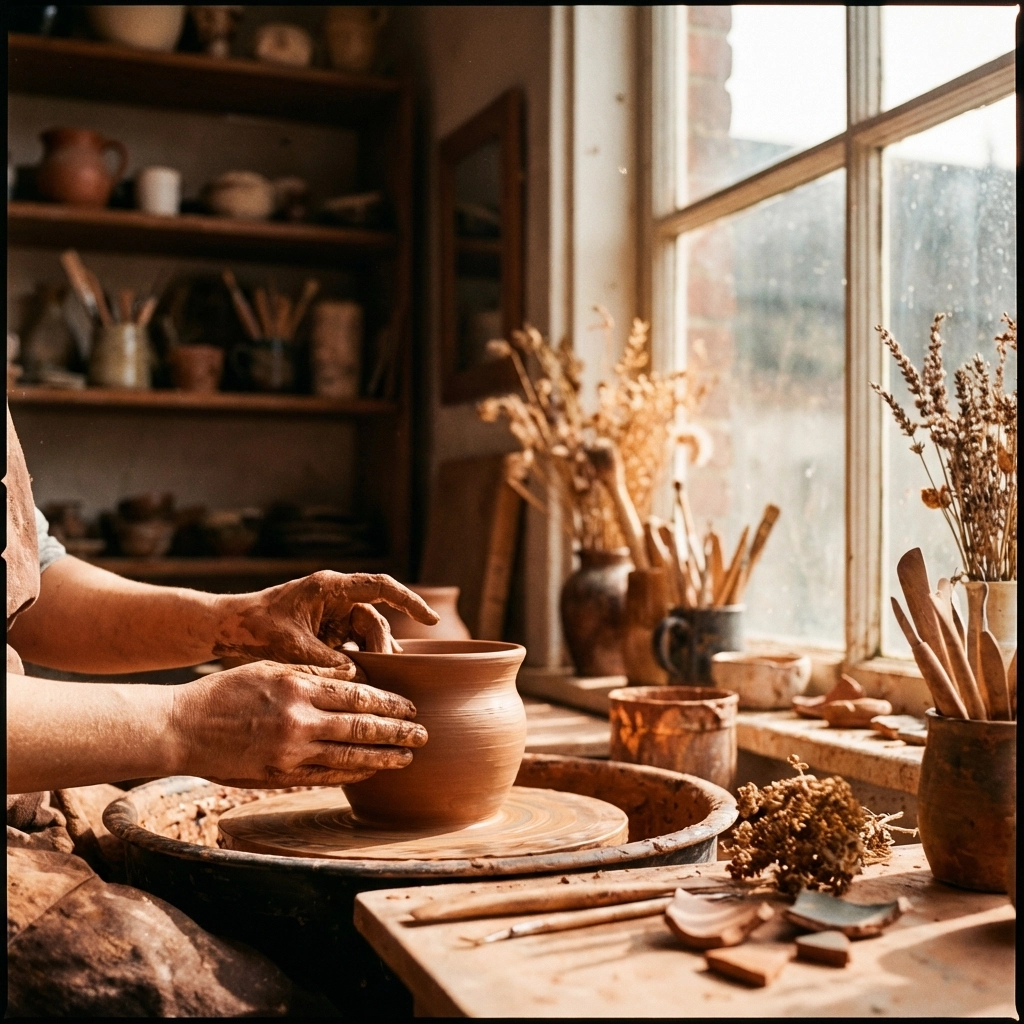
Furthermore, sustainable artisan gifts typically feature minimal packaging requirements, often utilizing recyclable or biodegradable materials rather than the excessive plastic packaging associated with mass-market products. This reduction in packaging waste contributes meaningfully to decreasing the overall environmental impact of gift-giving activities while demonstrating responsible consumption practices that align with contemporary environmental consciousness.
Ethical Labor Practices and Fair Trade Principles
The ethical dimensions of sustainable artisan gifts extend far beyond environmental considerations to encompass fundamental questions about fair labor practices and worker welfare. Mass-produced goods frequently originate from manufacturing facilities where workers may face substandard working conditions, inadequate compensation, and limited opportunities for professional advancement or creative expression. These systemic issues within large-scale manufacturing operations have prompted increasing numbers of consumers to seek alternatives that align with their ethical values and social justice concerns.
Sustainable artisan gifts directly address these ethical concerns by supporting independent craftspeople and small-scale producers who typically receive fair compensation for their skilled labor and creative contributions. When consumers purchase handcrafted items, their investment goes directly to the artisan, enabling these skilled creators to support their families, communities, and cultural traditions while maintaining control over their working conditions and creative processes.
This direct relationship between consumer and creator establishes a more transparent and equitable economic model that bypasses exploitative labor practices often associated with mass production. Additionally, many artisan communities operate according to cooperative principles that ensure equitable distribution of profits and decision-making authority among members, further reinforcing the ethical foundations of sustainable gift-giving practices.
Superior Quality and Exceptional Durability
The quality differential between mass-produced items and sustainable artisan gifts represents another significant factor driving consumer interest in handcrafted alternatives. Mass-manufactured products often prioritize cost reduction and rapid production over durability and craftsmanship, resulting in items designed for relatively short lifespans that contribute to the cycle of constant replacement and disposal that characterizes contemporary consumer culture.
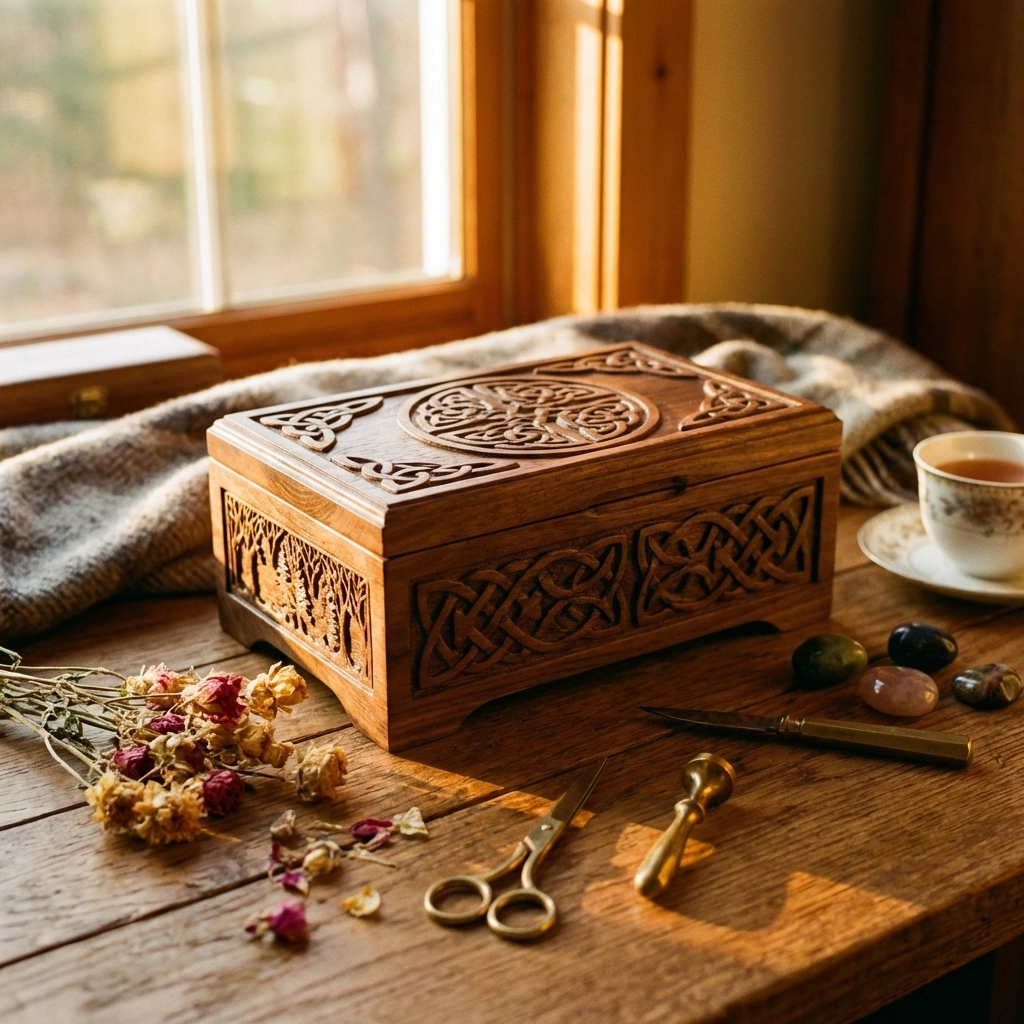
Sustainable artisan gifts, conversely, embody principles of superior craftsmanship and exceptional durability that reflect generations of accumulated knowledge and technical expertise. Skilled artisans invest considerable time and attention in creating products that will withstand regular use while maintaining their aesthetic appeal and functional integrity over extended periods. This commitment to quality construction means that handcrafted gifts often serve their recipients for many years, reducing the need for frequent replacements and contributing to more sustainable consumption patterns.
The durability advantage of artisan-made products extends beyond mere longevity to encompass repairability and maintenance considerations. Unlike mass-produced items that may become obsolete or irreparable when components fail, handcrafted products often feature modular construction or traditional joinery techniques that facilitate maintenance and repair by skilled craftspeople, further extending their useful lifespan.
Uniqueness and Personal Connection
The inherent uniqueness of sustainable artisan gifts creates profound personal connections that distinguish handcrafted items from standardized mass-produced alternatives. Each handmade piece carries individual characteristics that reflect the artisan's personal style, cultural background, and creative interpretation, ensuring that no two items are precisely identical. This uniqueness transforms gift-giving from a transactional exchange into a meaningful sharing of artistic expression and cultural heritage.
The personal stories embedded within handcrafted gifts add layers of meaning that extend far beyond the physical properties of the items themselves. Recipients often develop emotional attachments to artisan-made gifts because they understand the human effort, creativity, and cultural significance invested in their creation. This emotional connection transforms these gifts into cherished possessions that carry sentimental value and personal significance that mass-produced items rarely achieve.
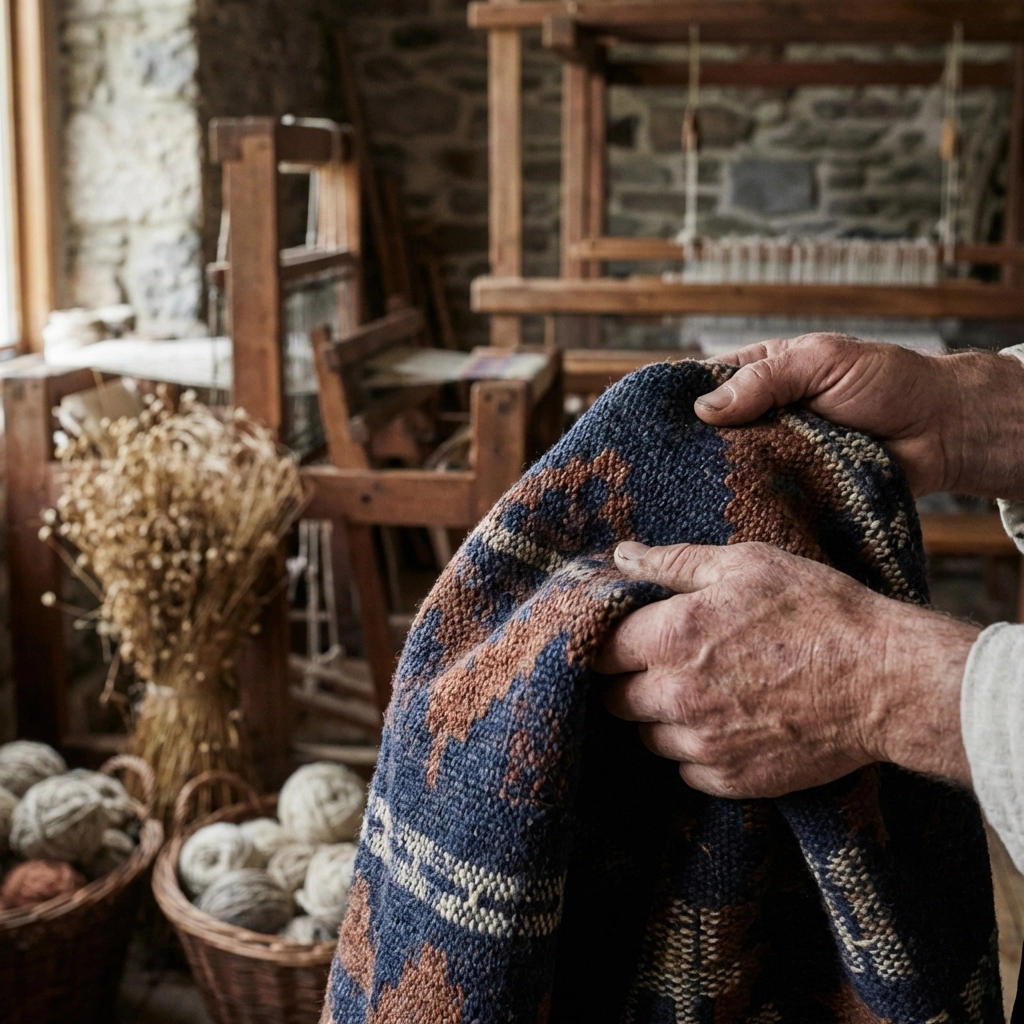
Furthermore, the uniqueness of sustainable artisan gifts reflects the individual preferences and thoughtfulness of the giver, demonstrating genuine care and consideration in the selection process. This personalization aspect enhances the gift-giving experience for both parties while reinforcing the meaningful nature of the exchange.
Supporting Local Communities and Preserving Cultural Heritage
The economic impact of choosing sustainable artisan gifts extends throughout local communities and contributes to the preservation of traditional crafting techniques and cultural identities. Small businesses and independent artisans account for nearly forty-four percent of economic activity within the United States, and consumer support for these enterprises helps maintain economic diversity and resilience within local communities rather than concentrating wealth within large corporate entities.
When consumers choose handcrafted gifts from local artisans, they participate in economic models that keep financial resources circulating within their communities, supporting local employment opportunities and contributing to regional economic stability. This localized economic support helps maintain vibrant communities where traditional skills and cultural practices can continue to flourish alongside contemporary innovations.
Additionally, many traditional crafting techniques represent irreplaceable cultural heritage that faces extinction in the face of mass industrialization and globalization pressures. By supporting artisans who practice these traditional methods, consumers contribute directly to cultural preservation efforts that maintain diversity in human creative expression and technical knowledge for future generations.
The Ripple Effect of Conscious Gifting Practices
The broader implications of choosing sustainable artisan gifts extend beyond individual transactions to create meaningful ripple effects that influence broader cultural attitudes toward consumption and environmental responsibility. When individuals receive thoughtfully chosen handcrafted gifts, they often experience heightened awareness of the environmental and social impacts associated with their own purchasing decisions, potentially inspiring them to adopt more sustainable practices in their future consumption patterns.
This educational aspect of sustainable gift-giving helps spread awareness about environmental issues, ethical labor practices, and the importance of supporting local economies through conscious consumer choices. Recipients of artisan gifts frequently become advocates for sustainable consumption practices within their own social networks, amplifying the positive impacts of individual purchasing decisions.

The cumulative effect of these individual choices contributes to broader market demand for sustainable products, encouraging more artisans to pursue their crafts while demonstrating to larger manufacturers that consumers value environmental responsibility and ethical production practices. This market pressure can influence industry practices and contribute to systemic changes in production methods and business models across various sectors.
At Copper & Hazel Boutique, we recognize the profound impact that conscious gift-giving choices can make on individuals, communities, and the environment. Our carefully curated selection of handcrafted gifts and decor items reflects our commitment to supporting skilled artisans while providing our customers with unique, meaningful alternatives to mass-produced goods. Each piece in our collection tells a story of craftsmanship, creativity, and sustainable practice that transforms the act of giving into an expression of values and care for both recipients and the world we all share.
The conversation surrounding sustainable artisan gifts will undoubtedly continue to evolve as more consumers recognize the interconnected benefits of choosing handcrafted alternatives over mass-produced options. This shift represents more than a temporary trend; it reflects a fundamental reexamination of consumption patterns and values that prioritizes quality, authenticity, and responsibility over convenience and cost alone.
🔖Tags: sustainable gifts, artisan crafts, handmade gifts, eco-friendly gifting, ethical consumption, local artisans, sustainable shopping, conscious consumerism