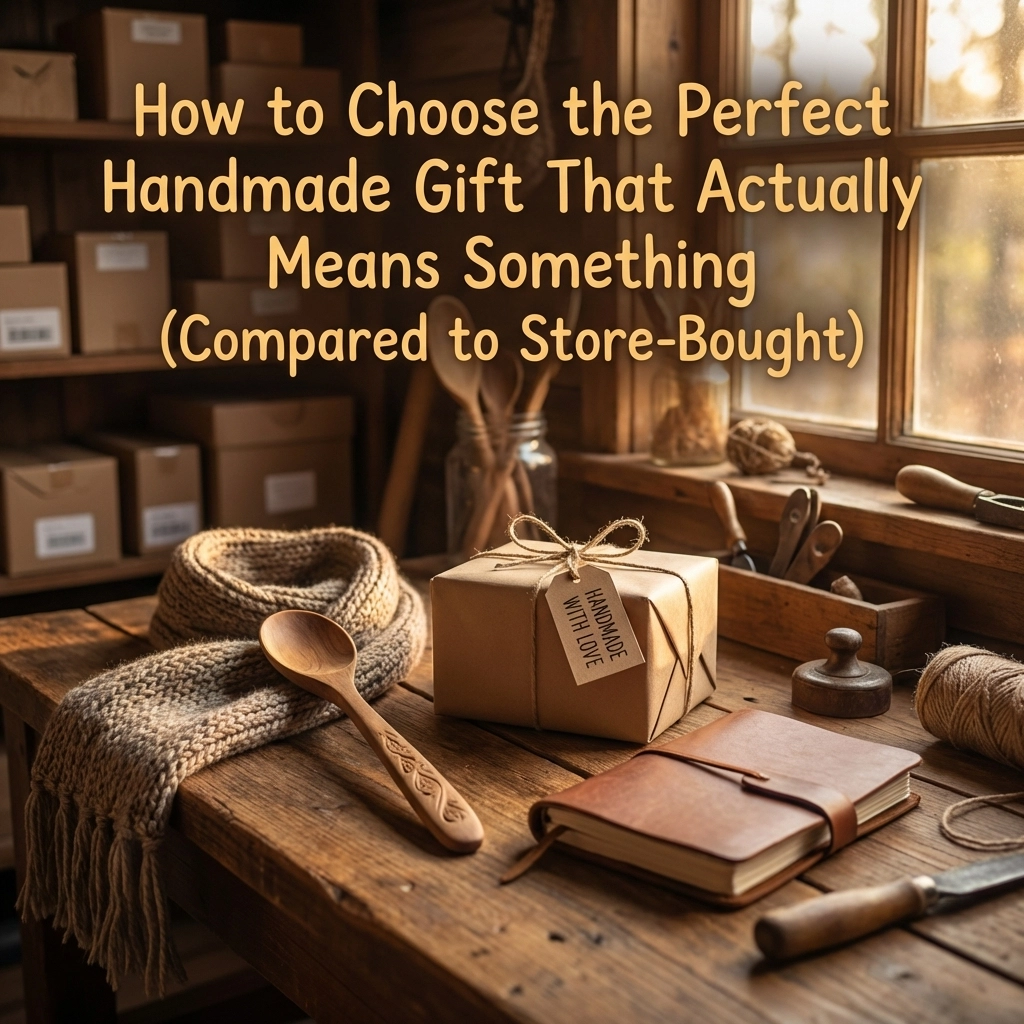

When you walk down the aisles of a mass retail store, you're surrounded by thousands of identical items that will be purchased by countless other shoppers. These mass-produced goods, while convenient and often affordable, lack the fundamental quality that transforms a simple exchange into a meaningful gesture: genuine thoughtfulness and human connection. Handmade gifts, by their very nature, represent something fundamentally different in both creation and intent.
The distinction between handcrafted and store-bought items extends far beyond their point of origin or price tag. Each handmade piece carries within it the time, skill, and creative energy of its maker, resulting in subtle variations that make every item truly one-of-a-kind. This inherent uniqueness, combined with the deliberate choice to seek out something special, communicates a level of care and consideration that mass-produced alternatives simply cannot replicate.
Understanding the Recipient's World
The foundation of selecting a meaningful handmade gift lies in developing a comprehensive understanding of the person who will receive it. This process requires moving beyond surface-level observations to explore their deeper interests, values, and the experiences that bring them joy. Rather than defaulting to generic categories or assumptions, successful gift-giving involves a deliberate investigation into what makes the recipient unique.
Consider their daily routines and the activities that energize them throughout the week. Someone who begins each morning with a carefully prepared cup of coffee might treasure a handcrafted ceramic mug that enhances this ritual, while an individual who finds solace in evening reading sessions could appreciate a hand-forged reading lamp or a custom-made bookmark. The key lies in identifying these meaningful moments and finding handmade items that can become integrated into these cherished practices.
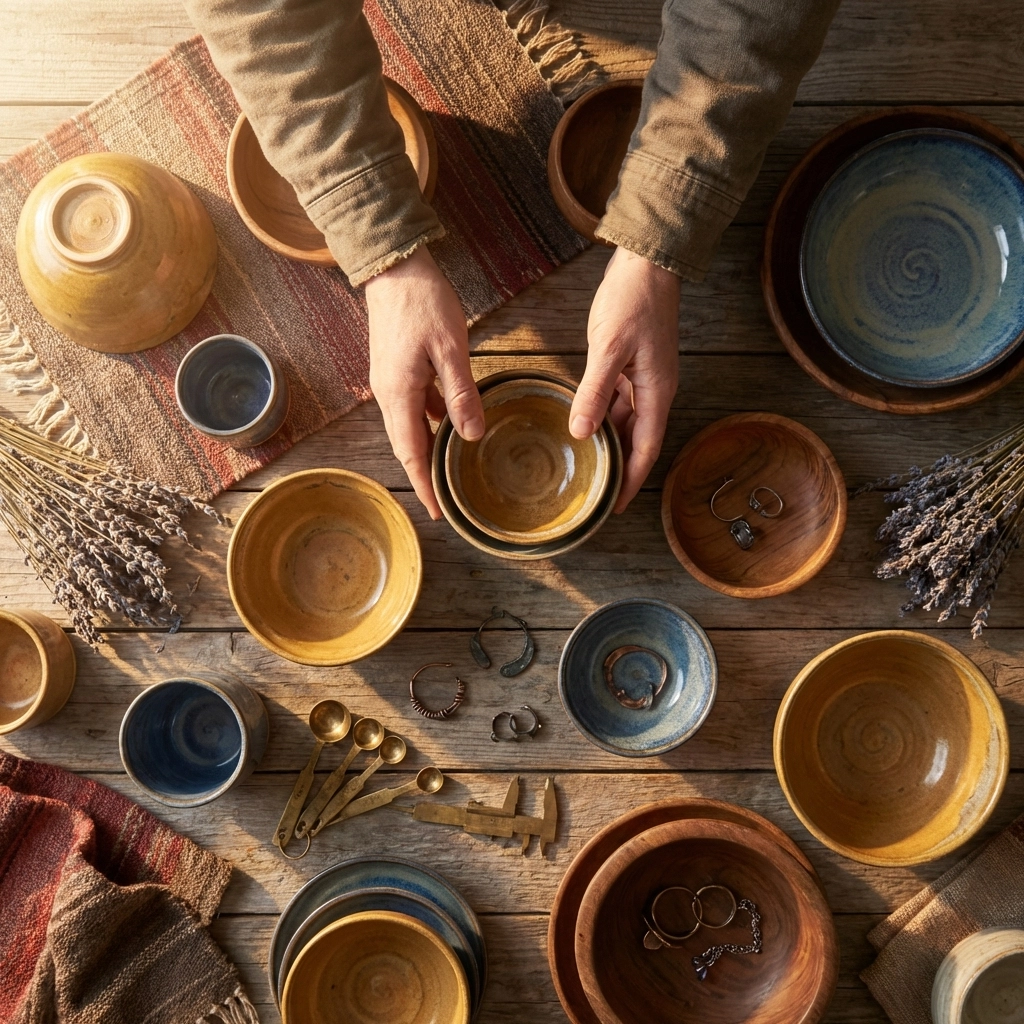
Professional interests and creative pursuits offer another avenue for meaningful gift selection. A colleague who demonstrates passion for sustainable living might appreciate artisan-made items crafted from reclaimed materials, while someone who enjoys hosting dinner parties could benefit from handcrafted serving pieces that become conversation starters during gatherings. These connections between gift and lifestyle create lasting associations that extend the meaning of the present far beyond the initial exchange.
Balancing Function with Emotional Resonance
The most impactful handmade gifts successfully navigate the intersection between practical utility and emotional significance. This balance requires understanding whether the recipient tends to value items they can incorporate into their daily lives or prefers pieces that hold symbolic meaning and decorative appeal. Neither approach is inherently superior; the appropriateness depends entirely on the individual's preferences and current life circumstances.
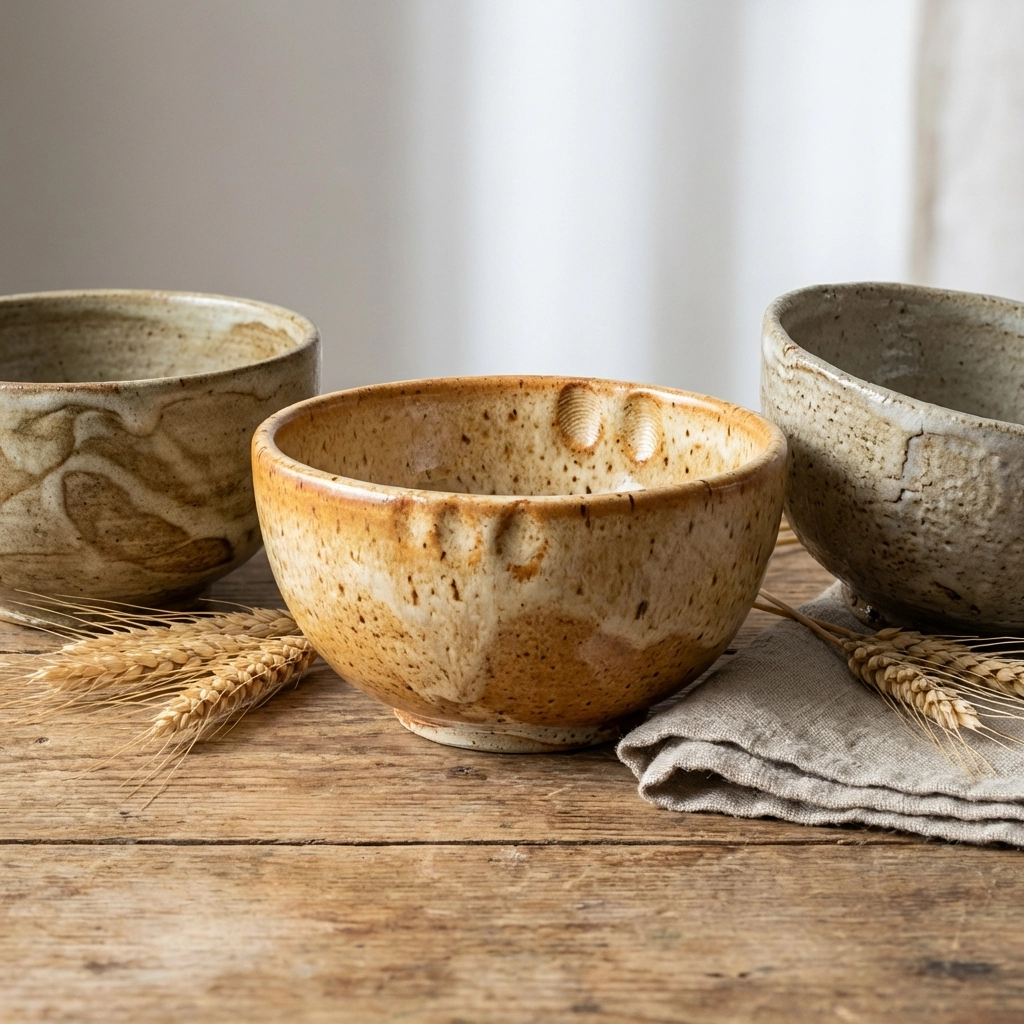
Functional handmade items offer the advantage of repeated use and ongoing reminders of the giver's thoughtfulness. A hand-thrown pottery bowl used for morning cereal, a leather journal that accompanies someone through important life events, or a wooden cutting board that becomes central to family meal preparation all serve this dual purpose of utility and sentiment. These pieces accumulate meaning through consistent use, becoming more valuable over time as they become integrated into the recipient's routine.
Alternatively, decorative or symbolic handmade pieces serve as permanent reminders of relationships and special occasions. A custom wall hanging that reflects shared memories, an artisan-crafted sculpture that represents personal values, or a handwoven textile that adds warmth and personality to a living space can provide emotional comfort and visual beauty for years to come.
Embracing the Power of Uniqueness
Mass production, by definition, eliminates the variations and imperfections that give handmade items their character and authenticity. When you choose a handcrafted gift, you're selecting something that cannot be replicated exactly, even by the same artisan. These subtle differences in color gradation, texture patterns, or dimensional proportions transform each piece into a singular creation that exists nowhere else in the world.
This uniqueness extends beyond the physical characteristics of the item to encompass the story of its creation. Unlike factory-produced goods that emerge from automated processes, handmade items carry the narrative of their maker's journey, the specific techniques employed, and the cultural or artistic traditions that influenced their design. When you gift something handcrafted, you're sharing not just an object but an entire creative legacy.
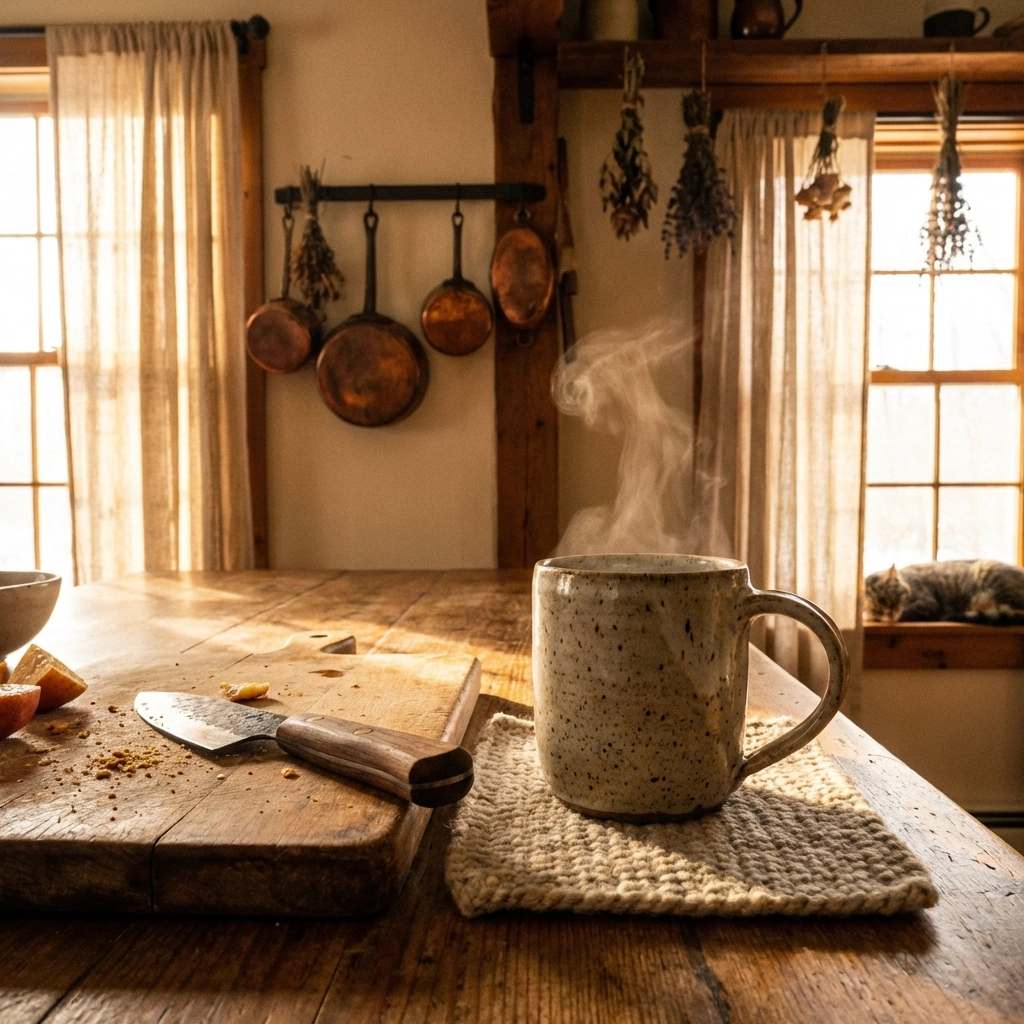
The variations inherent in handmade items should be celebrated rather than viewed as flaws or inconsistencies. The slight asymmetry in a hand-thrown ceramic vase, the individual grain patterns in a piece of woodworked furniture, or the subtle color variations in hand-dyed fabric all contribute to the piece's personality and distinguish it from mass-produced alternatives that prioritize uniformity above character.
Personalizing Through Customization
Many artisans and craftspeople offer customization options that allow you to transform a beautiful handmade item into something specifically meaningful for your recipient. These personalization opportunities range from simple additions like names or dates to more complex modifications that reflect specific interests, color preferences, or functional requirements.
Engraving services can add names, meaningful quotes, or important dates to jewelry, wooden items, or metal pieces, creating permanent reminders of special moments or relationships. Custom color selections allow you to match the recipient's home decor or personal style preferences, while size modifications can ensure the piece fits perfectly within their intended space or usage requirements.
The process of working with an artisan to create customized elements adds another layer of thoughtfulness to your gift. This collaboration demonstrates that you've invested not just money but time and creative energy into making the present as meaningful as possible. The recipient receives not only the finished item but also the knowledge that you engaged in this creative process specifically for them.
Presentation as an Extension of Thoughtfulness
The manner in which you present a handmade gift serves as an extension of the care you've put into selecting it. Unlike store-bought items that often come in standardized packaging, handcrafted gifts benefit from presentation approaches that reflect the same attention to detail and personal touch that characterizes the item itself.
Consider packaging materials that complement the handmade nature of your gift, such as kraft paper, natural twine, or reusable fabric bags. These choices create visual consistency between the wrapping and the contents while avoiding the artificial appearance of mass-produced packaging materials. Hand-written notes explaining why you chose this particular piece or how you envision it fitting into the recipient's life add personal context that enhances the gift's emotional impact.
The presentation process also offers an opportunity to share the story behind your gift. Information about the artisan who created it, the techniques used in its construction, or the materials from which it was made can increase the recipient's appreciation for both the item and your selection process. This educational component transforms the gift-giving experience into a moment of cultural or artistic discovery.
Considering Environmental and Ethical Values
For recipients who prioritize environmental sustainability and ethical consumption, handmade gifts offer advantages that align with these values. Many artisans emphasize the use of sustainably sourced materials, traditional techniques that minimize environmental impact, or the repurposing of existing materials into new creations. These practices result in gifts that reflect the recipient's values while supporting makers who share their commitment to responsible production.
The local and small-scale nature of most handcraft operations also means that your purchase directly supports individual artists and craftspeople rather than large corporations. This economic impact creates a connection between your gift and broader community support, adding social significance to the personal meaning of the present.
When you choose handmade items, you're often selecting pieces that were created in small batches or as individual works, reducing the environmental impact associated with mass production, packaging, and global distribution networks. This consideration becomes part of the gift's meaning for recipients who value sustainable consumption practices.
The process of selecting a meaningful handmade gift requires time, thought, and genuine consideration for the recipient as an individual. Unlike the convenience of grabbing something readily available from store shelves, choosing handcrafted items involves research, comparison, and often direct communication with makers. This investment of effort becomes part of the gift itself, demonstrating the depth of your care and the value you place on the relationship.
Through careful attention to the recipient's interests, lifestyle, and values, combined with an appreciation for the uniqueness and story behind handmade items, you can select gifts that transcend mere objects to become lasting symbols of thoughtfulness and connection. In a world increasingly dominated by mass production and digital interactions, these tangible expressions of human creativity and personal consideration become even more precious and meaningful.
🔖Tags: handmade gifts, thoughtful gifting, artisan crafts, personalized presents, sustainable gifts