

The pursuit of perfect decor has become something of a modern obsession, fueled by carefully curated social media feeds and showroom displays that present an idealized version of domestic life. Yet, the fundamental question remains: does your home truly require this level of manufactured perfection to be beautiful, functional, and meaningful? The answer, as it turns out, is considerably more nuanced than the home decor industry might have you believe.
Handmade home decor presents an alternative philosophy: one that embraces individuality, celebrates imperfection, and prioritizes authenticity over uniformity. This approach to decorating represents not merely a stylistic choice, but rather a fundamental shift in how we conceptualize the relationship between our living spaces and our personal identities.
The Myth of Perfection in Home Decor
The contemporary obsession with perfect decor stems largely from the mass-production model that has dominated consumer goods for the better part of a century. Factory-made items offer consistency, predictability, and a certain sterile uniformity that some homeowners find appealing. Every lamp matches every other lamp of its kind; every throw pillow is identical to thousands of others rolling off the same production line.
However, this uniformity comes at a significant cost: one that extends beyond mere aesthetics into the realm of environmental impact, economic ethics, and personal expression. When your home could be mistaken for a dozen others featuring identical mass-produced items, something essential has been lost in the pursuit of that elusive "perfect" look.
Understanding the Value of Imperfection
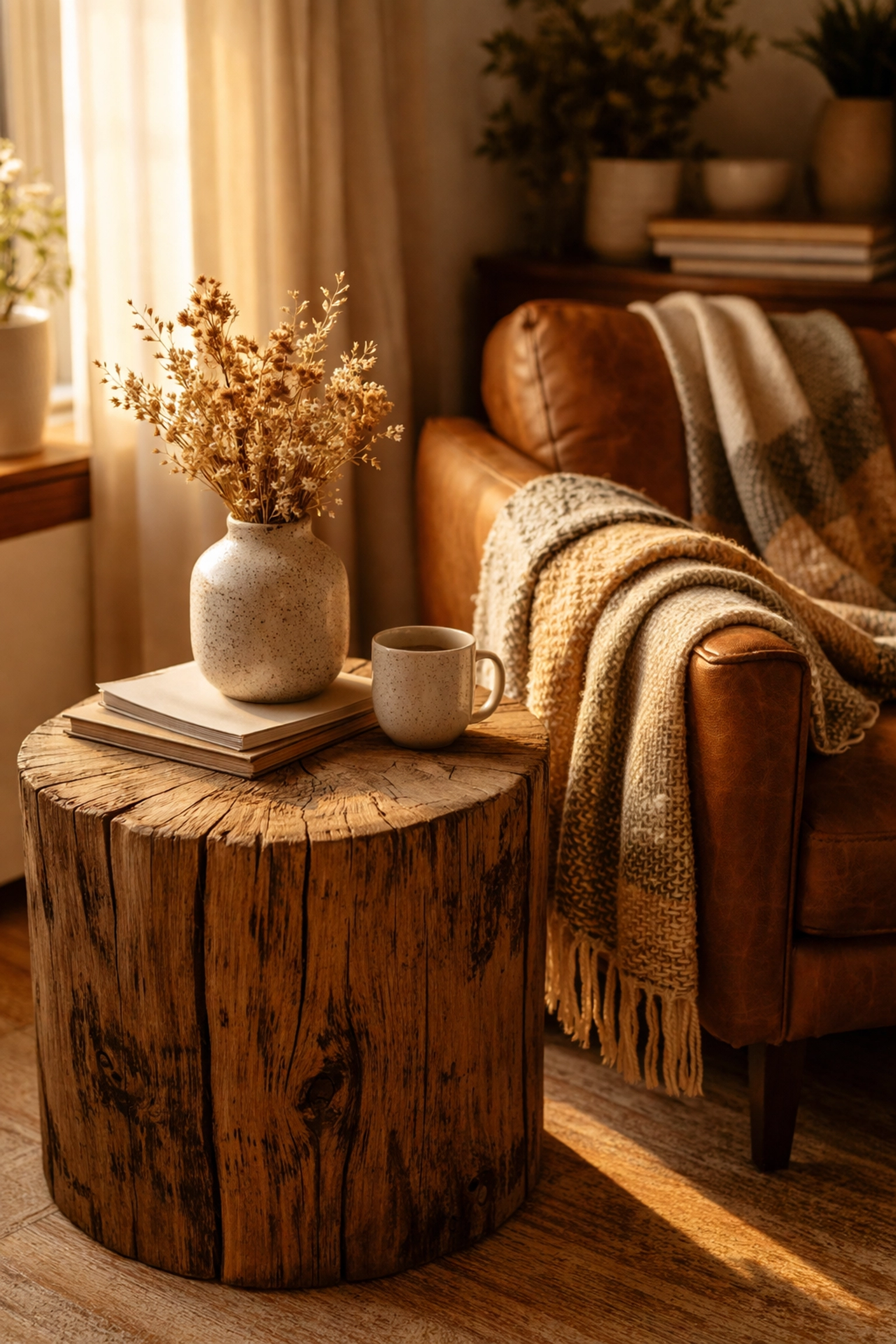
The Japanese aesthetic concept of wabi-sabi offers a useful framework for understanding the inherent value of imperfection in decorative objects. This philosophy embraces the beauty found in asymmetry, roughness, and the natural variations that occur when human hands create objects rather than machines. Variations in wood grain, hand-carved details, and subtle differences in craftsmanship create one-of-a-kind pieces that cannot be replicated.
These imperfections, rather than detracting from an object's value, actually enhance it considerably. They serve as evidence of human involvement, of skill and intention, of the countless small decisions that an artisan makes throughout the creation process. In this context, imperfection becomes a marker of authenticity rather than a flaw to be corrected.
The Substantive Benefits of Handmade Home Decor
Uniqueness and Personal Expression
Perhaps the most immediately apparent benefit of handmade decor lies in its inherent uniqueness. No two handmade items are exactly alike, which means that incorporating such pieces into your home ensures that your space will not resemble countless others featuring identical factory-made alternatives. This uniqueness extends beyond mere appearance to encompass the entire experience of living with and appreciating these objects.
"Your home should tell your story, not a manufacturer's story," as one interior design principle suggests. Handmade pieces allow for this personal narrative to emerge naturally, as each item you select reflects your individual taste, values, and aesthetic sensibilities rather than the lowest common denominator of mass-market appeal.
Durability and Long-Term Value
The economic argument for handmade decor becomes particularly compelling when one considers the longevity of well-crafted pieces. Artisans typically use high-quality, often locally sourced materials and employ traditional techniques that have been refined over generations. The result is decor that is built to last: not for years, but for decades or even generations.
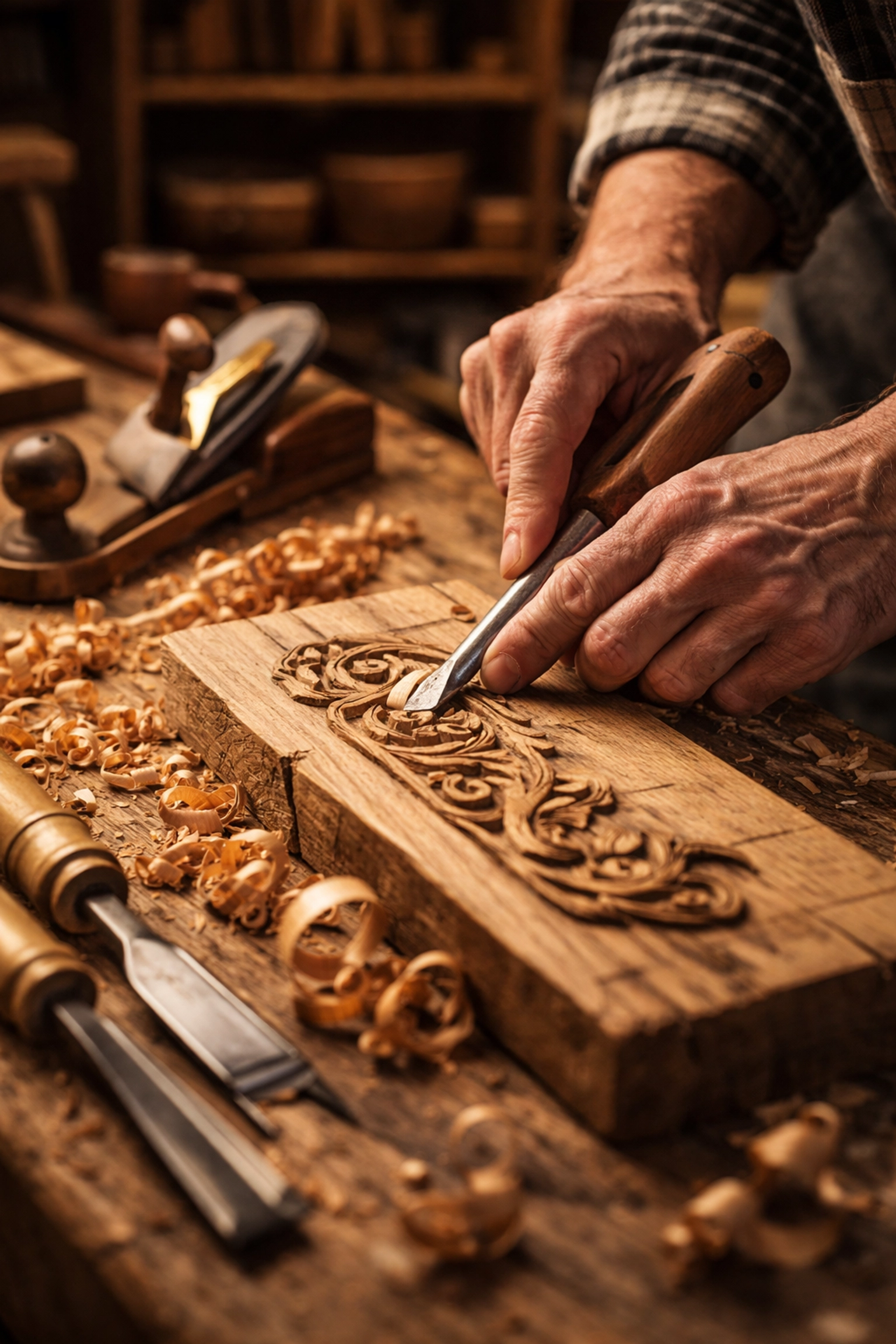
This durability stands in stark contrast to what industry observers sometimes refer to as "fast furniture": cheaply made items designed for temporary use and eventual disposal. While the initial purchase price of handmade pieces may exceed that of their mass-produced counterparts, the cost-per-year of ownership often proves significantly lower when one accounts for the reduced need for replacement.
Furthermore, handmade items frequently maintain or even increase in value over time, transforming what might otherwise be a simple purchase into a genuine investment. This appreciation in value reflects both the growing scarcity of skilled artisanship and the increasing consumer awareness of the distinction between handmade and machine-made goods.
Emotional Connection and Storytelling
Every handmade piece carries within it a story: the story of its maker, the traditions that informed its creation, and the cultural heritage embedded in the work. When you bring such pieces into your home, you are not merely acquiring objects; you are participating in a broader narrative that connects you to artisans, communities, and traditions that extend far beyond your immediate surroundings.
This emotional dimension of handmade decor transforms your living space from a mere collection of objects into a meaningful environment that reflects your values and the artisans you have chosen to support. The result is a home that feels authentically yours in a way that no amount of perfectly matched, factory-made furniture can replicate.
As noted in our guide on curating a home that tells your story, the pieces you choose to surround yourself with communicate something essential about who you are and what you value.
The Environmental and Ethical Dimensions
Sustainability in Practice
The environmental case for handmade decor merits serious consideration in an era of growing ecological awareness. Handcrafted items are typically made with sustainability in mind, utilizing naturally biodegradable materials, locally sourced wood, and eco-friendly finishes that minimize environmental impact. The production process itself generates minimal waste compared to industrial manufacturing operations.
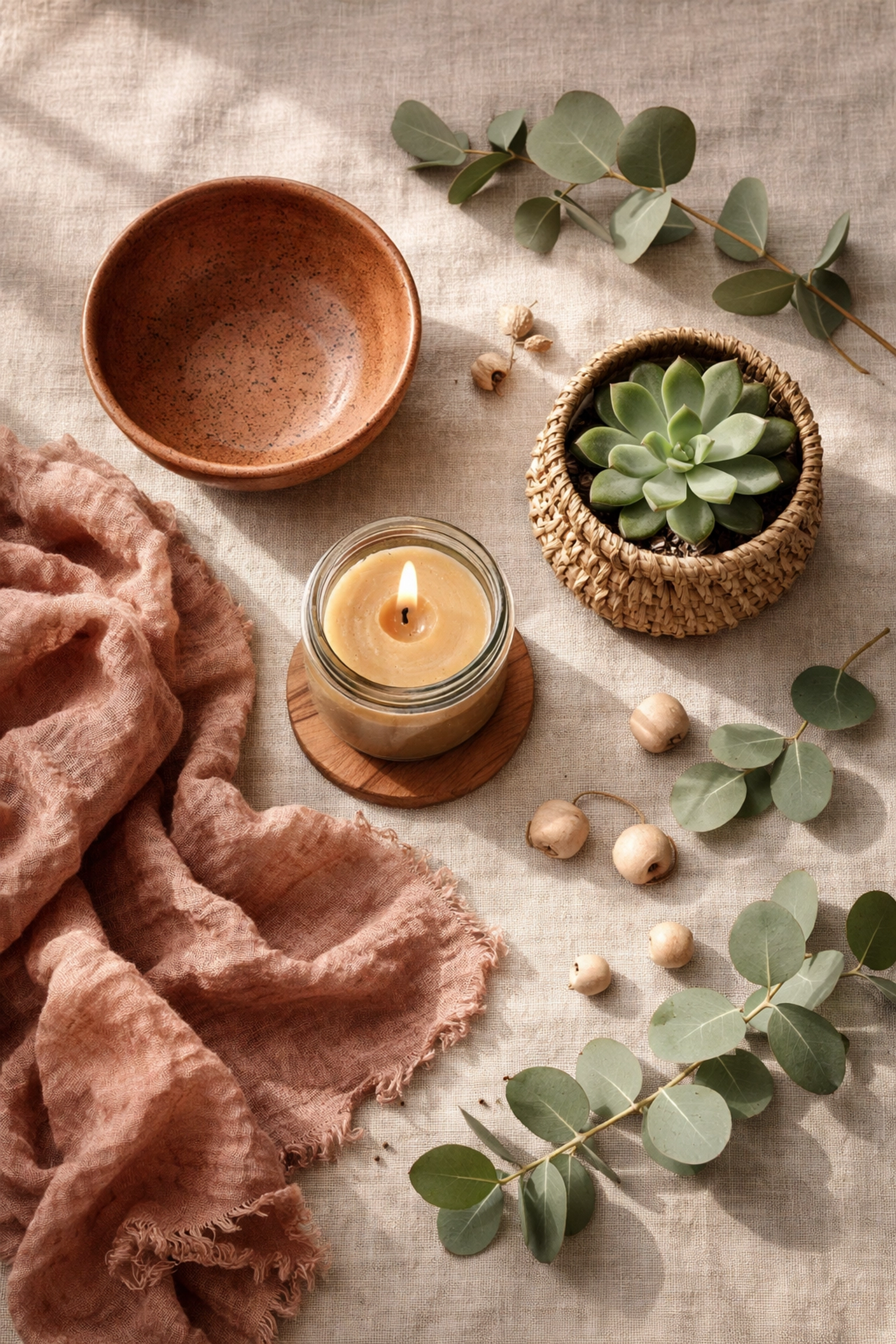
When you purchase handmade pieces, you are effectively voting with your dollars for a more sustainable approach to consumer goods: one that prioritizes quality over quantity and longevity over disposability. This choice carries implications that extend far beyond your immediate living space to encompass broader questions of environmental stewardship and resource conservation.
Supporting Artisan Communities
The ethical dimension of choosing handmade extends to the economic impact of such purchases on artisan communities. When you buy from independent craftspeople and small boutiques, you are supporting small businesses, local artisans, and responsible practices rather than contributing to the profits of large corporations that may employ questionable labor practices or contribute to factory pollution.
This support helps to preserve traditional craftsmanship that might otherwise disappear in the face of competition from mass-produced alternatives. In this sense, every purchase of handmade decor represents a small but meaningful contribution to the preservation of cultural heritage and artisanal knowledge.
Practical Considerations for Incorporating Handmade Decor
For those interested in transitioning toward a more handmade-focused approach to home decor, the process need not be overwhelming or expensive. Begin by identifying areas of your home where a single, well-chosen handmade piece might serve as a focal point or conversation starter. Understanding what to look for when shopping local boutiques can help streamline this process considerably.
Consider also the possibility of gradually replacing mass-produced items as they wear out or no longer serve your needs. This incremental approach allows you to build a collection of meaningful pieces over time without requiring a significant upfront investment.
Conclusion: Embracing Authentic Beauty
The truth about handmade home decor is ultimately quite simple: intentional, meaningful decor created by skilled artisans offers far more value than perfectly uniform, mass-produced alternatives. This value manifests in durability, uniqueness, environmental responsibility, and the emotional connection that comes from surrounding yourself with objects that carry genuine meaning and history.
Perfect decor, in the sense of flawless uniformity and manufactured consistency, is neither necessary nor particularly desirable. What matters far more is creating a space that reflects your authentic self: a space filled with objects that tell stories, connect you to broader communities, and bring genuine beauty into your daily life.
- John, Interior Design Consultant
🔖 Tags: handmade home decor, artisan craftsmanship, sustainable living, home decorating tips, unique home accessories, imperfect beauty, ethical shopping
Leave a Comment
Your email address will not be published. Required fields are marked *
Name *
Email *
Comment *