

The contemporary home decor market presents consumers with an overwhelming array of choices, ranging from budget-friendly mass-produced items to high-end designer pieces that command premium prices. Many homeowners operate under the assumption that expensive decor automatically equates to superior quality and style, yet this premise warrants careful examination. The reality, as we shall explore in considerable detail throughout this discussion, is that handmade home decor consistently outperforms expensive mass-produced alternatives across multiple dimensions: including quality, emotional resonance, sustainability, and long-term value.
Understanding the distinction between price and value becomes essential when making informed decisions about home decor investments. While expensive items certainly exist in abundance, the correlation between cost and genuine worth is far less straightforward than many consumers initially presume.
The Quality and Longevity Argument
When evaluating home decor purchases, the question of durability emerges as a primary consideration that merits substantial attention. Handmade home decor, crafted by skilled artisans who dedicate significant time and expertise to each piece, demonstrates remarkable superiority in terms of longevity when compared to factory-produced alternatives. This superiority stems from the fundamental differences in production methodology and material selection that characterize artisan craftsmanship.
Artisans who create handmade decor consistently employ high-quality materials and meticulous construction techniques that ensure their pieces withstand decades of regular use. A solid handmade furniture piece or decorative item, when properly cared for, can genuinely last a lifetime: a claim that mass-produced items, despite their often substantial price tags, simply cannot support with the same confidence. Factory-made decor frequently requires replacement within years rather than decades, primarily due to the shortcuts and inferior materials that characterize high-volume production.
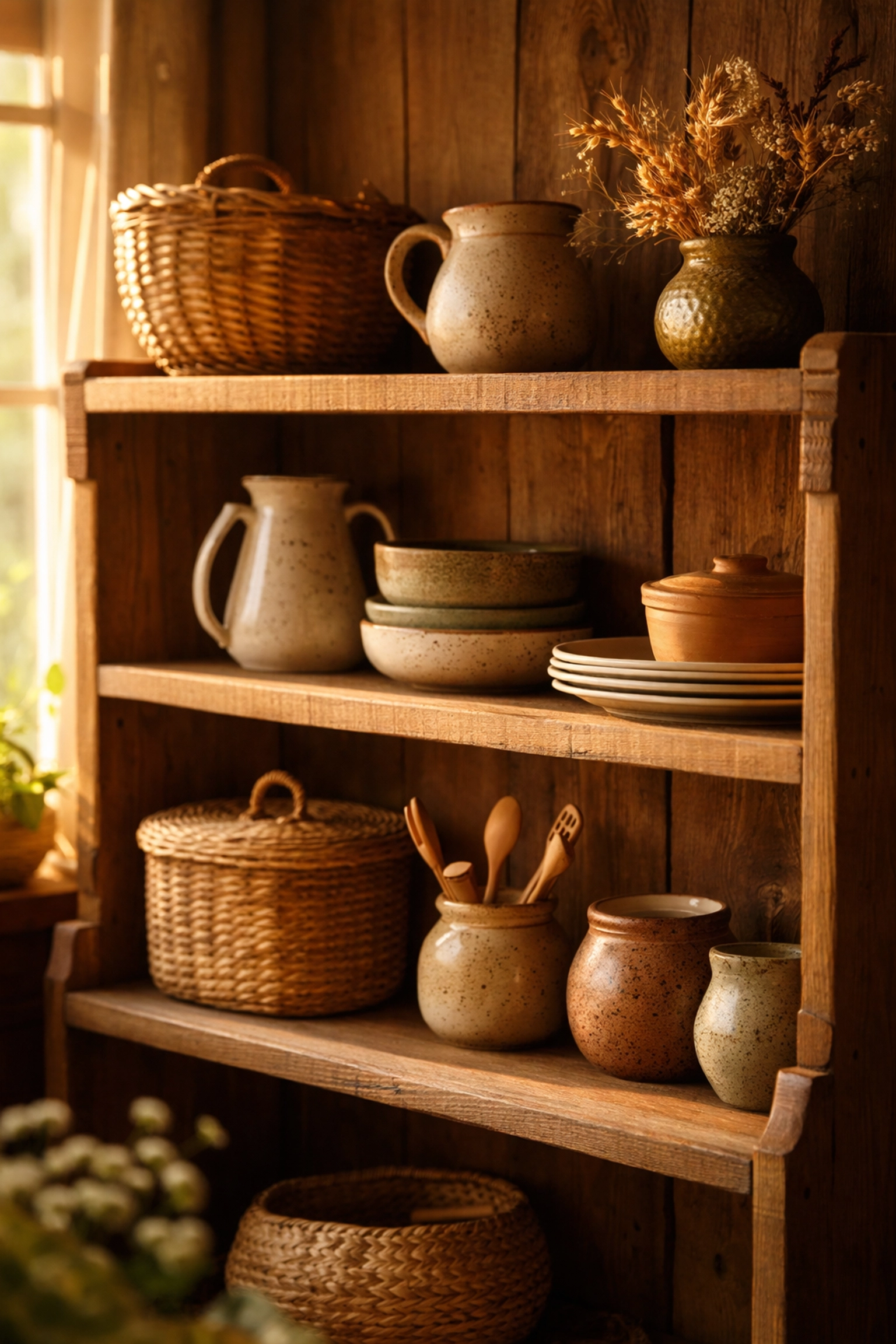
"I purchased a handcrafted wooden shelf fifteen years ago, and it still looks as beautiful as the day I bought it. Meanwhile, I've replaced three mass-produced shelves in my office during that same period." - Sarah M.
This observation, which reflects the experience of countless consumers who have made similar comparisons, illustrates a crucial economic reality: when calculating the true cost of ownership (including replacement cycles and repair expenses), handcrafted pieces emerge as the more economical choice over time. The initial investment, while potentially higher, distributes across many more years of functional use.
Understanding the Price-Value Distinction
The higher upfront cost associated with handmade home decor reflects genuine value rather than arbitrary pricing. Hand-creation requires significant skill development, sustained attention to detail, and considerable time investment: factors that naturally and appropriately influence the final price. Mass-produced items, conversely, achieve lower prices through automation, material cost-cutting, and production efficiencies that inevitably compromise quality.
Custom handmade pieces frequently retain their value over time, and in some cases, actually appreciate in worth due to their superior construction techniques and materials. This value retention stands in stark contrast to mass-produced decor, which typically depreciates rapidly regardless of its original purchase price. Some handmade items that individuals commissioned years or even decades ago remain in active use today, with certain pieces having been passed down to family members as cherished heirlooms.
The distinction between expensive and valuable deserves particular emphasis in this context. An item may carry a high price tag while delivering minimal lasting value, whereas a thoughtfully crafted handmade piece may represent exceptional value despite (or perhaps because of) its artisan origins. Consumers who recognize this distinction position themselves to make substantially wiser purchasing decisions.
The Emotional and Psychological Dimensions
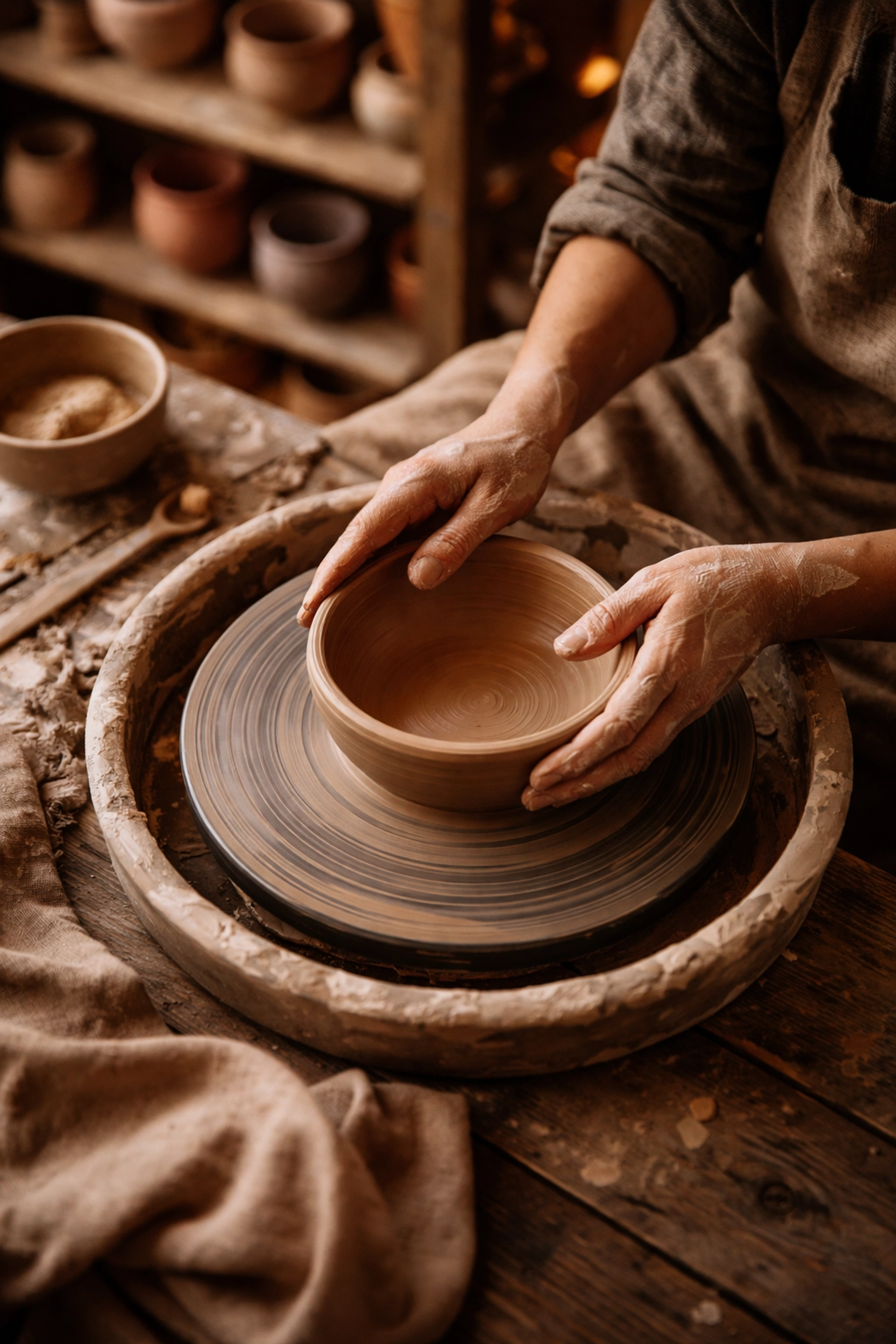
Research into consumer behavior and material psychology reveals that handmade items create stronger emotional connections than expensive mass-produced alternatives, regardless of objective quality measurements. People perceive handmade goods as signals of care, authenticity, and human effort: qualities that imbue these items with meaning that transcends their functional purpose.
In both gifting contexts and personal home decoration, this emotional dimension carries significant weight. A handmade decorative piece tells a story: the story of the artisan who created it, the techniques employed, the materials selected, and the intention behind its design. Mass-produced items, however expensive, cannot replicate this narrative quality because their origin lies in automation rather than human creativity and skill.
Studies have demonstrated that consumers willingly pay substantially more for handmade options when they understand and appreciate the personal investment behind them. This willingness reflects an intuitive understanding that value encompasses more than material costs and functional utility: it includes the meaning and connection that objects bring into our living spaces.
Uniqueness and the Expression of Personal Style
Handmade decor is inherently unique, with each piece reflecting individual artistry and the specific creative decisions of its maker. This uniqueness allows for extensive customization and ensures that your living space expresses genuine personal style rather than conforming to mass-market trends that thousands of other homes simultaneously display.
The concept of luxury in home decor, properly understood, is not fundamentally about price: it is about acquiring pieces with character, story, and origin that mass production simply cannot replicate. A handcrafted ceramic vase, a hand-woven textile, or a custom wooden accent piece carries an authenticity that no amount of marketing can manufacture for factory-produced items.
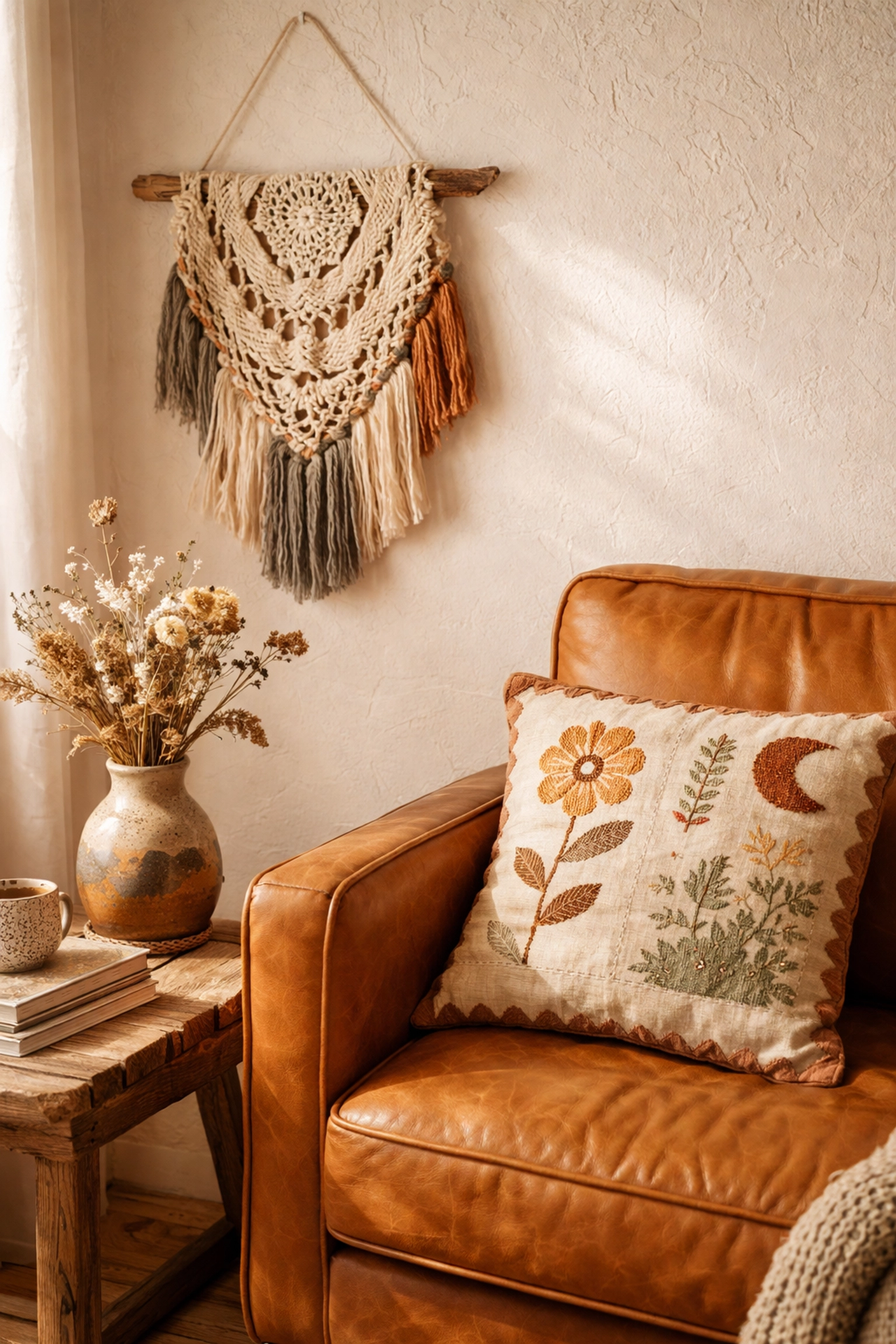
When you incorporate handmade pieces into your home, you create an environment that reflects your individual taste and values rather than the homogenized aesthetic preferences of corporate design committees. This personalization transforms a house into a home that genuinely feels like yours: a psychological benefit that should not be underestimated when evaluating decor investments.
For those interested in exploring how handmade pieces can transform living spaces, our guide to curating a home that tells your story provides additional insights and practical suggestions.
Environmental and Sustainability Considerations
The sustainability argument for handmade home decor deserves serious consideration in an era of increasing environmental awareness. Handcrafted items typically demonstrate lower environmental impact across multiple dimensions when compared to mass-produced alternatives.
Artisans frequently utilize eco-friendly materials, including reclaimed wood, recycled metals, and non-toxic finishes that minimize harmful chemical exposure in home environments. The production process itself consumes substantially less energy than factory manufacturing, and the extended lifespan of handmade pieces means fewer items ultimately enter landfills.
Mass production, by contrast, generates excessive waste through cheap materials designed for obsolescence and the frequent replacement cycles that inevitably result. The environmental cost of this production-consumption-disposal pattern extends far beyond what individual consumers see at the point of purchase.
Choosing handmade decor, therefore, represents not merely a personal aesthetic preference but an environmentally responsible decision that contributes to broader sustainability goals. This consideration adds yet another dimension to the value proposition of artisan-crafted items.
Making Informed Decor Decisions
The evidence presented throughout this discussion points toward a clear conclusion: expensive decor is not strictly necessary for creating a stylish, meaningful home environment. Handmade pieces offer distinct advantages in quality, durability, emotional value, uniqueness, and environmental responsibility that mass-produced alternatives: regardless of their price points: consistently fail to match.
When evaluating your next home decor purchase, consider looking beyond the price tag to assess the true value being offered. Ask questions about materials, construction methods, and origin. Seek out artisans and boutiques that prioritize craftsmanship over volume. Recognize that the initial investment in quality handmade pieces pays dividends over time through extended durability and lasting emotional satisfaction.
For those beginning their journey into handmade home decor, exploring common mistakes and how to avoid them can provide valuable guidance for making wise selections.
The question posed in this article's title: "Do you really need expensive decor?": ultimately resolves into a more nuanced understanding: what you need is not expensive decor, but valuable decor. And handmade pieces, crafted with skill, intention, and quality materials, consistently deliver that value in ways that mass production cannot replicate.
🔖 Tags: handmade home decor, artisan craftsmanship, sustainable decor, home styling tips, quality vs price, handcrafted gifts
Leave a Comment
Your email address will not be published. Required fields are marked *
Name *
Email *
Comment *