


The notion that a home should reflect the personality of its inhabitants is, of course, not a particularly novel concept. Interior designers and home decorating enthusiasts have long understood that the spaces we occupy serve as extensions of our individual identities, our values, and our aesthetic sensibilities. What remains less commonly understood, however, is the precise methodology through which one might achieve this personalization without undertaking extensive renovations or committing substantial financial resources to the endeavor. The following five strategies represent practical, accessible approaches to infusing your living spaces with distinctive character and authentic personality.
It bears noting that the contemporary home decor landscape has shifted considerably in recent years. The mass-produced, catalog-perfect aesthetic that dominated much of the early 2000s has given way to a more eclectic, personalized approach: one that values uniqueness, craftsmanship, and individual expression above uniformity and trend-following. This shift represents not merely a change in aesthetic preferences but a fundamental reconsideration of what domestic spaces should communicate about their occupants.
Understanding the Foundation of Personalized Decor
Before examining specific decorating strategies, it is essential to establish a foundational understanding of what distinguishes truly personalized decor from its generic counterparts. Personalized decor, in its most meaningful sense, refers to those elements within a space that communicate something specific about the individuals who inhabit it: their histories, their interests, their values, and their aesthetic preferences. This personalization cannot be achieved through the simple acquisition of trendy items; rather, it requires thoughtful curation and intentional selection.
The distinction between a house and a home, as many interior design professionals have observed, lies precisely in this quality of personalization. A house may contain furniture and decorative objects, but a home contains meaning. The strategies outlined below are designed to help you cultivate this sense of meaning within your own living spaces.
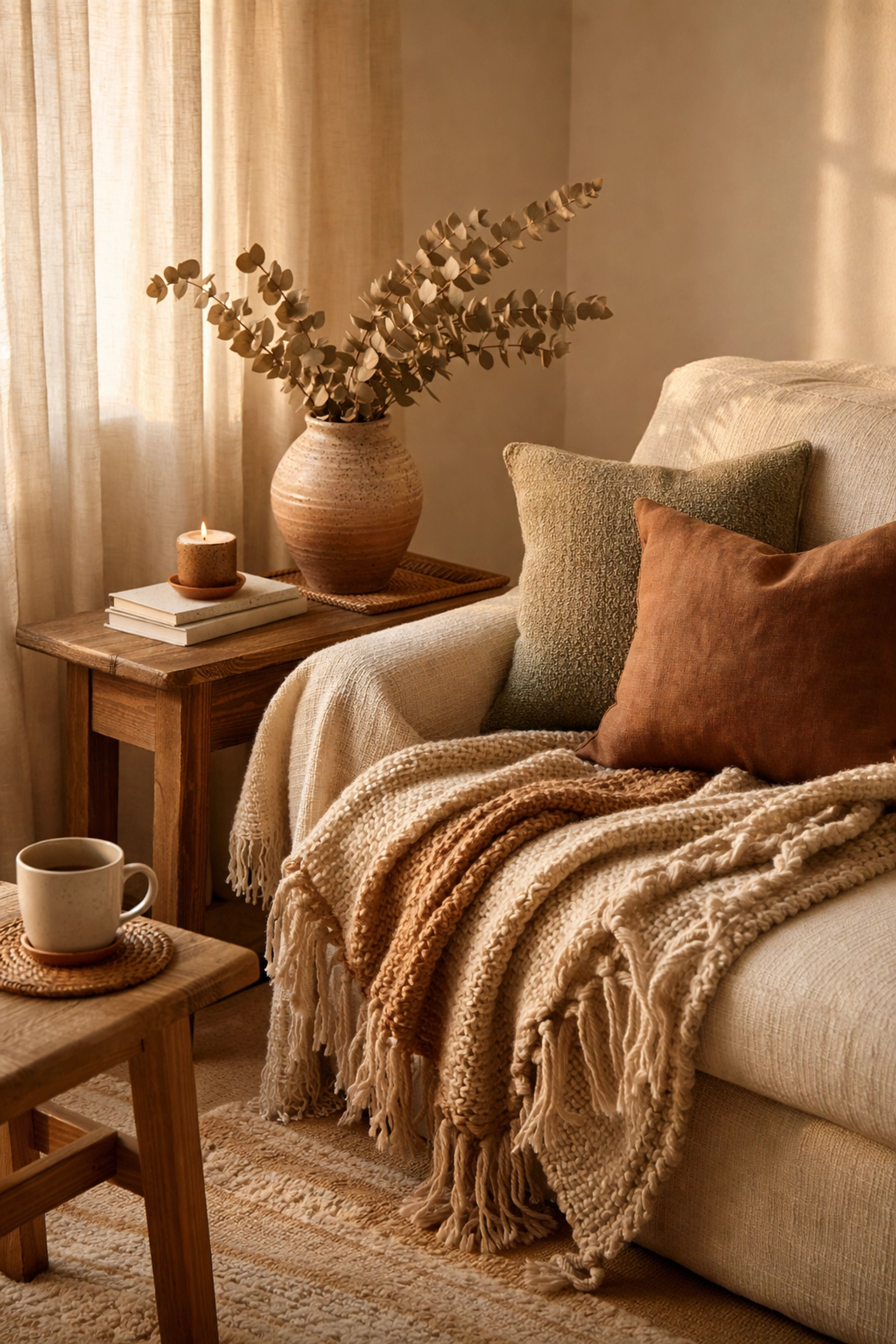
1. Incorporate Statement Trims and Artisanal Details
The first strategy for enhancing your home's personality involves the strategic incorporation of statement trims and handcrafted details. Fringe, contrast piping, decorative borders, and other embellishments are experiencing a significant resurgence in contemporary interior design, and for good reason. These details possess the capacity to transform otherwise ordinary furnishings into distinctive focal points that capture attention and invite closer examination.
The application of such details extends across a wide range of furniture types and soft furnishings. Chaises, accent chairs, ottomans, and sofas all benefit from the addition of unexpected textural elements. The key principle to understand here is that these embellishments need not be applied universally throughout a space; rather, their strategic placement on select pieces creates visual interest without overwhelming the overall composition.
"The smallest details often make the largest impression," as one experienced craftsperson recently noted. "A hand-sewn trim or a carefully selected fringe can communicate care and intentionality in ways that larger design choices sometimes cannot."
When selecting pieces with these artisanal details, consider how they might complement your existing furnishings while simultaneously introducing an element of surprise or visual intrigue. The goal is not uniformity but rather a thoughtful juxtaposition of textures and styles.
2. Embrace Richly Patterned Textiles and Tapestries
The second strategy involves the deliberate incorporation of richly patterned textiles, particularly those inspired by vintage tapestry designs. These deeply patterned fabrics create substantial visual interest while avoiding the potentially overwhelming effect that might result from more dramatic design interventions. The key to successful implementation lies in understanding the proper scale and placement of such patterns within your space.
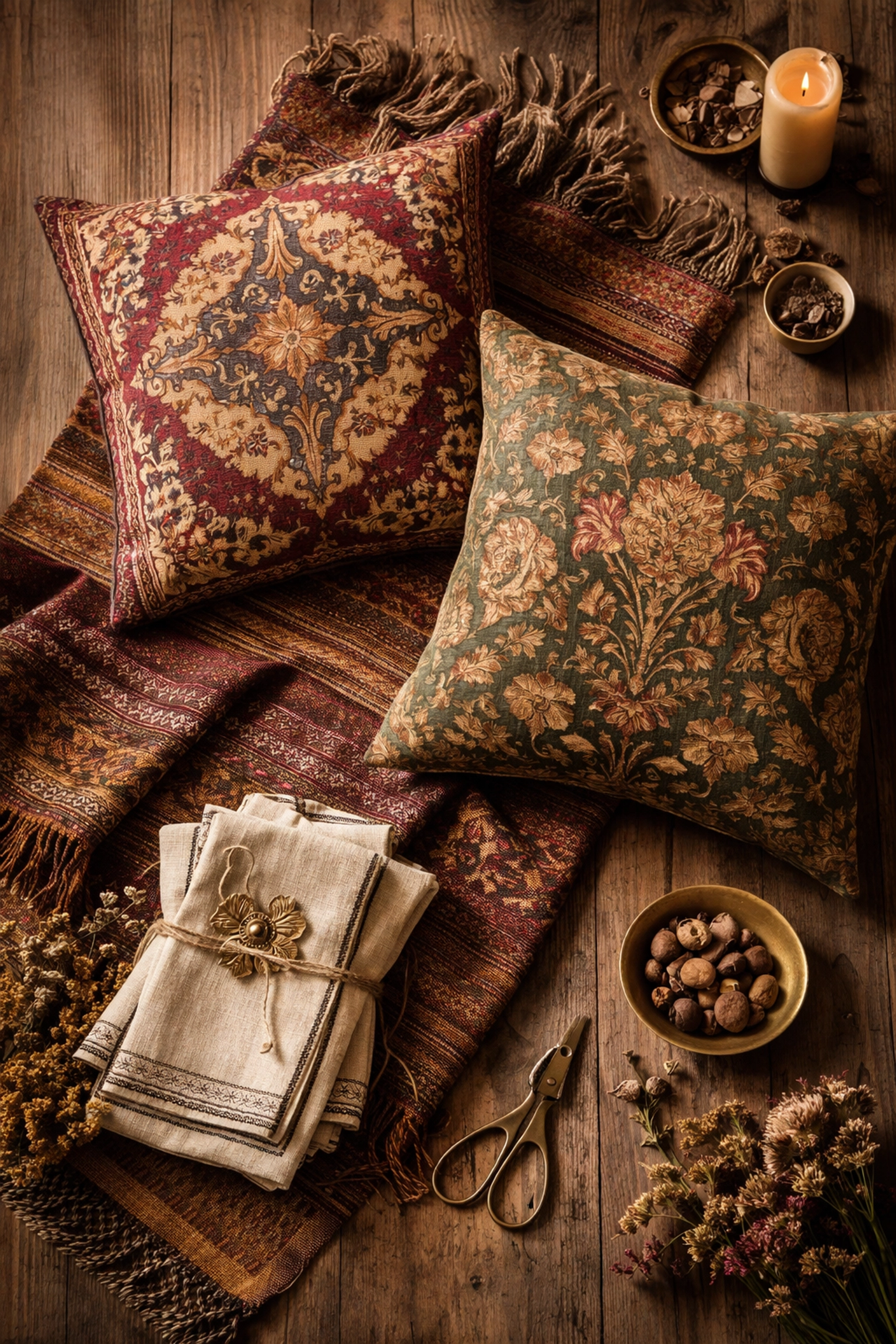
Tapestry-inspired prints work most effectively when applied to accent pieces rather than dominant furniture items. Throw pillows, ottomans, and accent chairs serve as ideal vehicles for these patterns, allowing them to contribute character without dominating the visual landscape of a room. This approach to layering patterns represents a departure from minimalist design philosophies, offering something distinctly more characterful and personally expressive.
The selection of these textiles should be guided by several considerations: the existing color palette of your space, the scale of the patterns relative to the size of the room, and the overall aesthetic direction you wish to pursue. Handcrafted textiles, in particular, offer an additional dimension of uniqueness that mass-produced alternatives simply cannot replicate.
3. Introduce Curved Furniture Elements
The third strategy concerns the introduction of curved furniture elements into spaces that may otherwise be dominated by angular, geometric forms. Soft, rounded silhouettes in sofas, chairs, and side tables create an immediate sense of warmth and visual movement that angular furniture typically cannot achieve. This warmth translates directly into a more welcoming, more personalized atmosphere.
The psychological impact of curved versus angular forms has been documented extensively in design research. Curved elements tend to be perceived as more approachable, more organic, and more comfortable than their angular counterparts. By introducing such elements into your living spaces, you are effectively communicating a particular set of values: comfort, welcome, and ease: through your furniture selections.
For those who find larger curved pieces intimidating or impractical, smaller items such as round side tables or oval mirrors provide an accessible entry point into this design approach. These smaller pieces can introduce the softening effect of curves without requiring a complete reconsideration of existing furniture arrangements.
4. Transform Your Ceiling with Color Capping
The fourth strategy represents a somewhat more adventurous approach to personalization: the transformation of your ceiling through a technique known as color capping. This technique involves applying varying tones from the same color family to create a layered gradient effect on what designers often refer to as the "fifth wall" of a room.
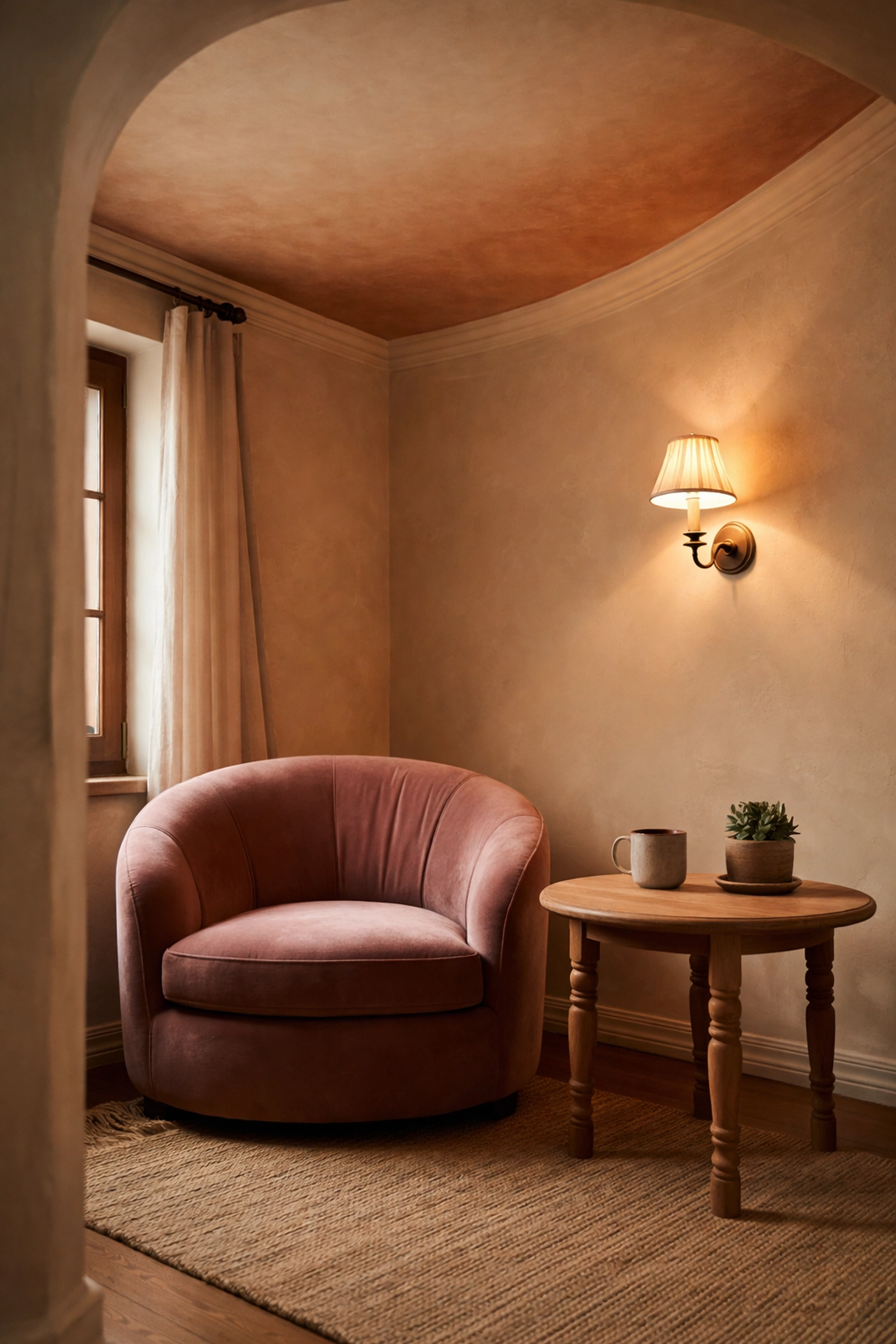
The ceiling remains one of the most frequently overlooked surfaces in residential interior design. By directing attention upward through the strategic application of color, you can fundamentally alter the perceived dimensions and atmosphere of a space. The color capping technique adds dimension and sophistication without introducing visual clutter or competing with other design elements within the room.
Implementation of this strategy requires careful consideration of color selection and application technique. The gradient effect should appear subtle and intentional rather than accidental or haphazard. When executed properly, color capping creates a sense of envelopment and intimacy that white or neutral ceilings simply cannot provide.
5. Layer Collected and Vintage Pieces
The fifth and final strategy involves the deliberate layering of collected pieces, vintage finds, and handcrafted items in preference to matching furniture sets. This curated approach to furnishing creates what designers describe as a "collected aesthetic": a visual narrative that suggests the space has evolved over time through thoughtful acquisition rather than single-occasion purchasing.
The advantages of this approach extend beyond mere aesthetics. By incorporating inherited pieces, thrifted finds, and artisan-crafted furniture, you are simultaneously practicing sustainable decorating while creating a space that feels authentically lived-in and uniquely personal. The environmental and ethical implications of this approach should not be underestimated in an era of increasing awareness regarding consumption patterns.
The practical implementation of this strategy requires patience and a willingness to wait for the right pieces rather than settling for immediately available alternatives. Building a collection of meaningful objects takes time, but the resulting space will possess a depth of character that hastily assembled rooms cannot achieve. Consider exploring our collection of handcrafted pieces that can serve as foundational elements in your own curated space.
Concluding Observations
The five strategies outlined above represent accessible, practical approaches to enhancing your home's personality without requiring extensive renovations or substantial financial investment. Each strategy operates on the principle that thoughtful selection and intentional placement of distinctive elements can communicate far more about the inhabitants of a space than larger, more expensive interventions.
For additional guidance on creating spaces that reflect your unique personality, we encourage you to explore our comprehensive guide to curating a home that tells your story.
🔖 Tags: home decor tips, personalized decorating, handcrafted home accessories, interior design, one-of-a-kind decor, vintage styling, artisan pieces
Leave a Comment
Your email address will not be published. Required fields are marked *
Name* _______________
Email* _______________
Comment* _______________