


The transition between seasons presents an ideal opportunity to reassess and revitalize your living spaces, and yet many homeowners find themselves overwhelmed by the prospect of making meaningful changes without undertaking a complete renovation. The truth of the matter is that a successful seasonal refresh does not require replacing furniture or repainting walls: rather, it demands a strategic approach that leverages curated home decor and thoughtfully selected handcrafted gifts to transform the atmosphere of any room. This guide will walk you through the essential first steps that decorating professionals employ when approaching seasonal transitions, ensuring that your efforts yield maximum visual impact with minimal disruption to your daily life.
The Foundation Principle: Why Your Neutral Base Matters Most
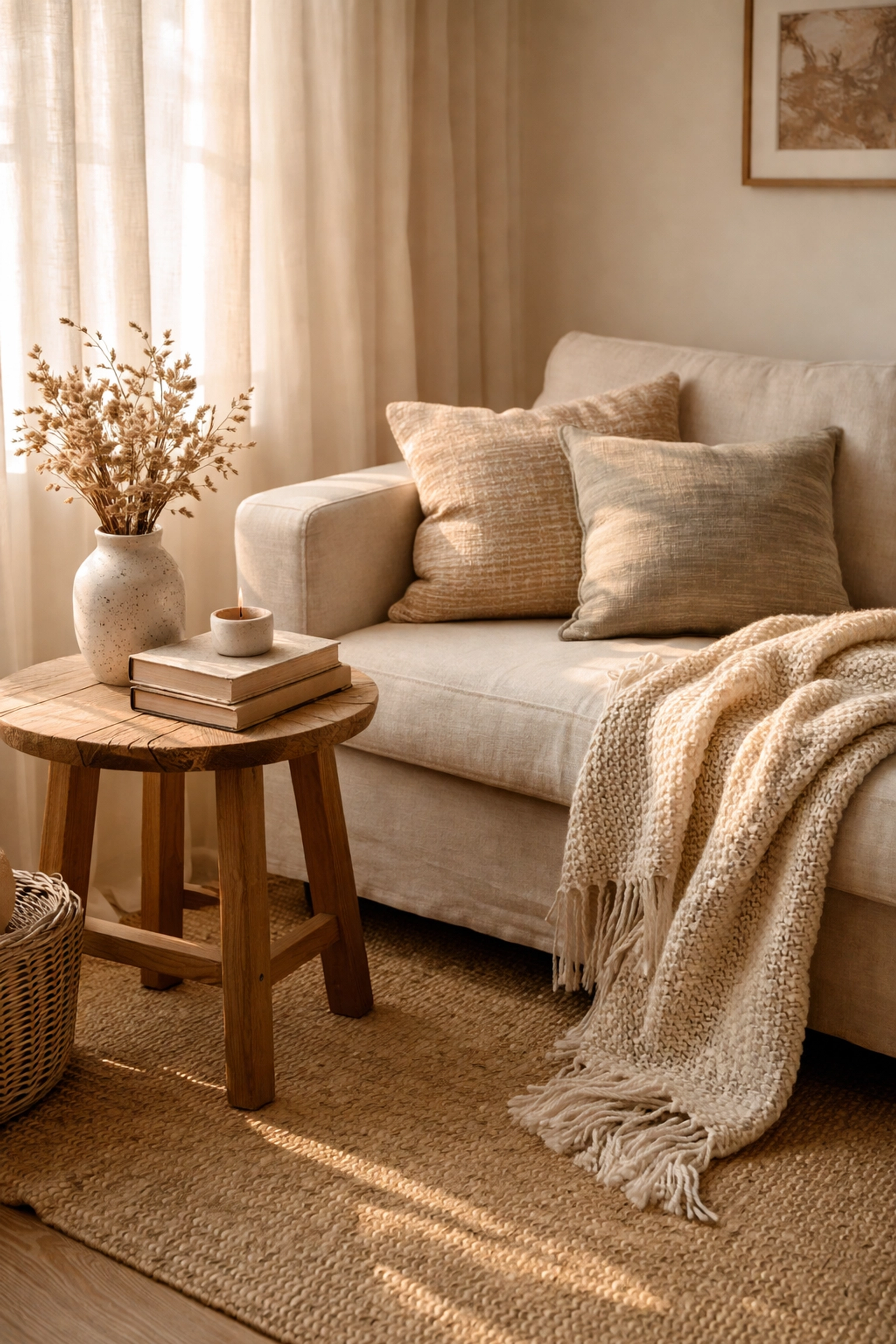
Before adding a single seasonal accent to your home, it is imperative to understand and evaluate what decorating experts refer to as your "neutral foundation." This foundation encompasses your permanent or semi-permanent elements: furniture pieces, wall colors, large rugs, and substantial decor items that remain constant throughout the year. The strategic importance of maintaining a neutral base cannot be overstated, as it serves as the canvas upon which all seasonal accents will ultimately be displayed.
A strong neutral foundation, characterized by tones such as warm whites, soft grays, natural wood finishes, and earthy beiges, eliminates the necessity of swapping major items each time the calendar changes. This approach, which prioritizes versatility over trend-chasing, allows homeowners to focus their effort and budget on high-impact, smaller changes that deliver considerable visual returns. In essence, your neutral base provides the flexibility required for seasonal accents to truly shine without requiring a complete overhaul of your living spaces.
Step One: Conduct a Thorough Assessment of Your Existing Pieces
The first actionable step in any seasonal refresh involves taking careful inventory of what you already possess. Walk through each room with fresh eyes and evaluate your existing furniture, wall treatments, and large decor pieces. Ask yourself whether these foundational elements maintain sufficiently neutral tones to accommodate various seasonal palettes throughout the year.
During this assessment phase, you may discover that certain pieces you already own: perhaps handcrafted items or artisan accessories purchased from previous seasons: can be repositioned or repurposed rather than replaced. A set of decorative books that served as a coffee table accent in winter, for instance, might find new life on a bedroom nightstand during spring. This practice of thoughtful rotation extends the utility of your curated home decor while maintaining visual freshness throughout the year.
Step Two: Prioritize Small Accents for Maximum Impact
Once your neutral foundation has been evaluated and confirmed, the subsequent step involves making targeted changes to items that deliver substantial visual impact without the cost or effort associated with replacing furniture. Small accents, when selected with intention and arranged with care, possess the remarkable ability to transform the entire character of a room.
The following categories of items should receive your primary attention during any seasonal refresh:
Textiles and Soft Goods: Throw pillows, blankets, and table linens represent perhaps the most straightforward method of introducing seasonal colors and textures. Heavier fabrics such as velvet and wool signal autumn and winter, while lighter linens and cottons evoke the airiness of spring and summer months.
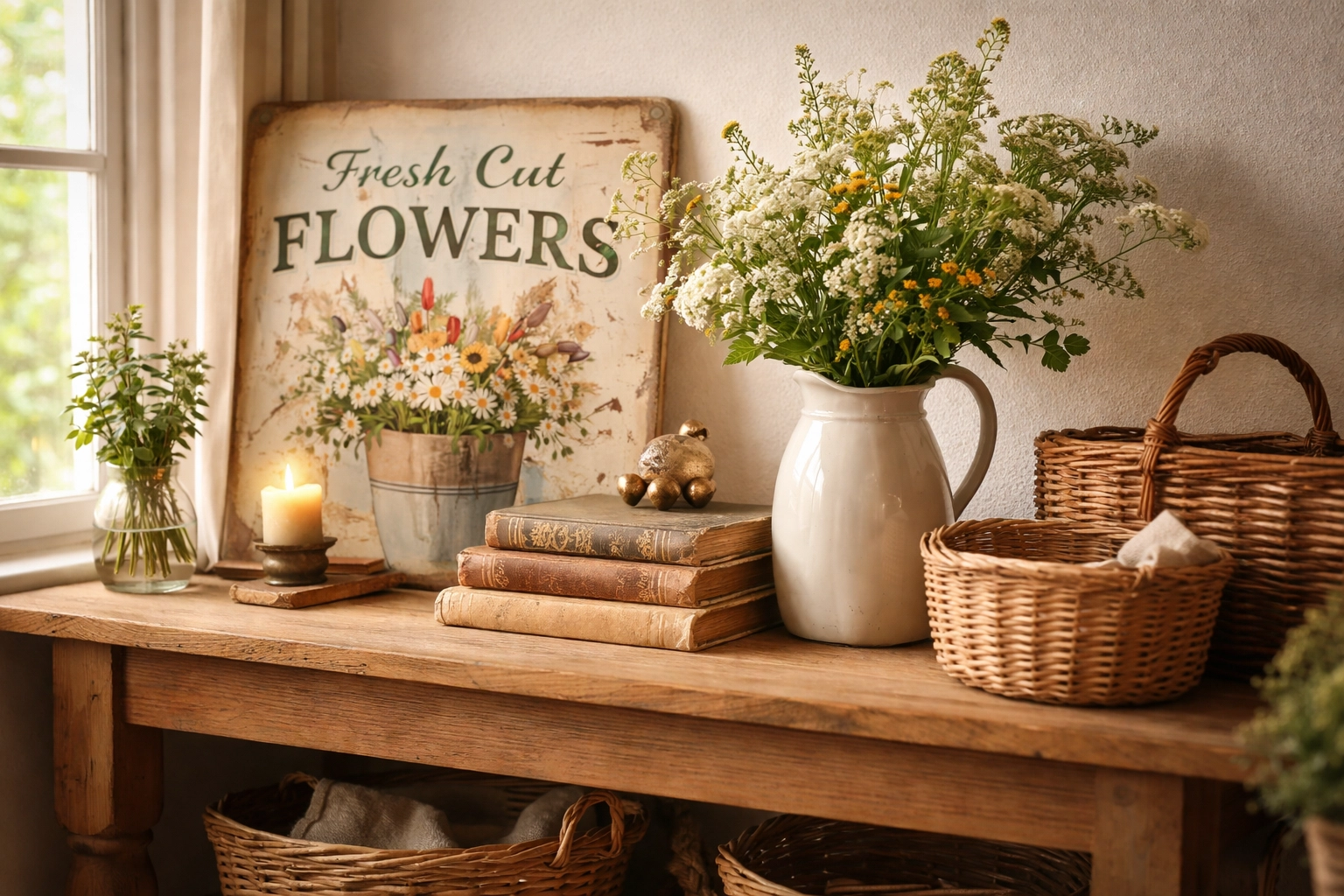
Tabletop Decor and Sculptural Objects: Items such as decorative bowls, vases, and artisan-crafted accessories serve as focal points that draw the eye and establish seasonal mood. A piece like the Flower Wall Hanging can serve as a year-round anchor while complementary tabletop pieces rotate with the seasons.
Decorative Stems and Botanical Elements: Florals remain one of the easiest and most effective methods of signaling a seasonal change. Fresh flowers certainly accomplish this goal, though high-quality silk arrangements offer the advantage of longevity and can be stored for use in subsequent years.

Step Three: Leverage Seasonal Color and Texture Strategically
Understanding the color palettes and textures traditionally associated with each season allows you to make informed selections when shopping for new pieces or rotating existing ones. This knowledge, when applied consistently, creates cohesive spaces that feel intentionally designed rather than haphazardly assembled.
Spring calls for pale blush tones, mossy greens, and soft yellows paired with airy linen textures and delicate botanical motifs. This season invites lightness and the suggestion of renewal into your spaces.
Summer embraces sunny yellows, sky blues, and crisp whites, often incorporating nautical patterns or tropical elements depending upon regional preferences. Textures trend toward natural fibers such as jute, rattan, and lightweight cotton.
Fall welcomes deeper, warmer tones including burnt oranges, deep reds, mustard yellows, and rich browns. Velvet accents, chunky knit throws, and items featuring harvest imagery: such as the charming She Works Hard for the Honey piece: establish the cozy atmosphere this season demands.
Winter tends toward icy grays, pine greens, and warm metallics, with textures emphasizing warmth through faux furs, heavy knits, and plush fabrics. The addition of candlelight and warm-toned lighting further enhances the winter aesthetic.
Step Four: Consider the Role of Handcrafted Gifts in Your Seasonal Rotation
One often-overlooked aspect of seasonal refreshing involves the strategic display of handcrafted gifts and artisan pieces that may have been received or purchased throughout the year. These items, by virtue of their unique character and often personal significance, deserve prominent placement during appropriate seasons.
The Green Basket collection, for example, brings organic texture and earthy tones that translate beautifully across spring, summer, and fall displays. Similarly, vintage-inspired tin signs like the Bee Tin Sign or Chicken Tin add character to kitchen and dining spaces while nodding to farmhouse aesthetics that remain perpetually popular.
The advantage of incorporating handcrafted gifts into your seasonal rotation lies in their inherent uniqueness: no two pieces are precisely identical, which means your curated home decor maintains an authenticity that mass-produced items simply cannot replicate.
Step Five: Adjust Lighting to Complete the Transformation
Lighting represents the final and frequently underestimated element of any successful seasonal refresh. The manner in which a space is illuminated fundamentally shifts how that space feels, and thoughtful lighting adjustments can complete your seasonal mood without requiring additional physical decor changes.
During brighter seasons, maximize natural light by ensuring window treatments remain light and unobstructive. As autumn approaches and daylight hours diminish, introduce additional ambient lighting through table lamps, string lights, or candles. Winter months, in particular, benefit from the warm glow of multiple light sources positioned at varying heights throughout a room.
The Storage System That Simplifies Future Refreshes
"Organization is the key to enjoying seasonal decorating rather than dreading it." - Sarah, Interior Stylist
Establishing a systematic approach to storing seasonal decor ensures that future transitions proceed smoothly and efficiently. Label storage containers by both season and room designation, allowing you to locate specific items without sorting through multiple boxes. This organizational method, though requiring initial effort to establish, pays dividends in time saved during subsequent seasonal changes.
Additionally, maintaining an inventory list of your seasonal decor: either digitally or on paper: prevents duplicate purchases and helps identify gaps in your collection that might be addressed through strategic shopping at boutiques like Copper & Hazel.
Beginning Your Seasonal Journey
The process of refreshing your home seasonally need not be overwhelming or expensive when approached with intention and strategy. By maintaining a versatile neutral foundation, prioritizing high-impact small accents, understanding seasonal color palettes, incorporating meaningful handcrafted gifts, and adjusting lighting appropriately, any homeowner can achieve professional-level results. The key lies not in acquiring more items, but rather in curating and rotating existing pieces with thoughtfulness and care.
Your living spaces deserve to evolve alongside the natural rhythms of the year, and with this quick-start guide as your reference, you possess the knowledge required to make that evolution both beautiful and manageable.
🔖 Tags: curated home decor, handcrafted gifts, seasonal decorating, home refresh, artisan decor, interior styling
Leave a Comment
We would love to hear about your seasonal decorating traditions and favorite refresh tips!
Name (required)
Email (required, will not be published)
Comment