
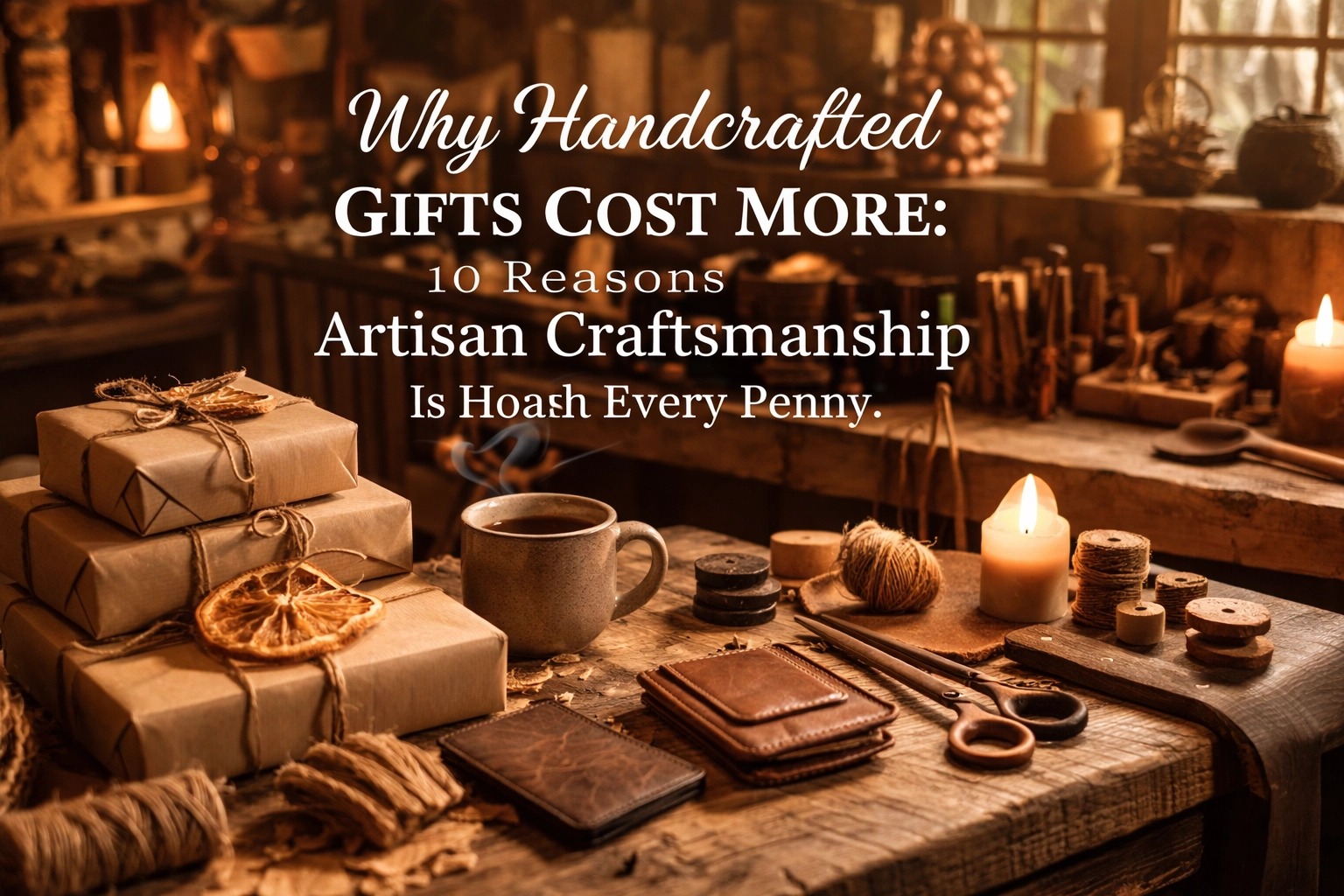

When browsing for gifts or home décor, many consumers find themselves confronted with a notable price disparity between mass-produced items and their handcrafted counterparts. This price difference, which can sometimes be substantial, often leads individuals to question whether artisan-made products truly justify their higher cost. The answer, as this comprehensive examination will demonstrate, is an unequivocal affirmation of the value inherent in handcrafted goods.
Understanding the factors that contribute to the pricing of handmade items requires an appreciation of the multifaceted nature of artisan craftsmanship. Unlike factory-produced merchandise, which prioritizes efficiency and volume above all other considerations, handcrafted gifts represent a convergence of skill, time, quality materials, and meaningful human connection that simply cannot be replicated through industrial manufacturing processes.
The Foundation of Artisan Value
Before examining the specific reasons that handcrafted gifts command premium pricing, it is essential to establish a fundamental understanding of what distinguishes artisan work from mass production. Handcrafted items are, by their very definition, created through the direct application of human skill and attention rather than automated machinery. This distinction serves as the foundation upon which all other value considerations rest.
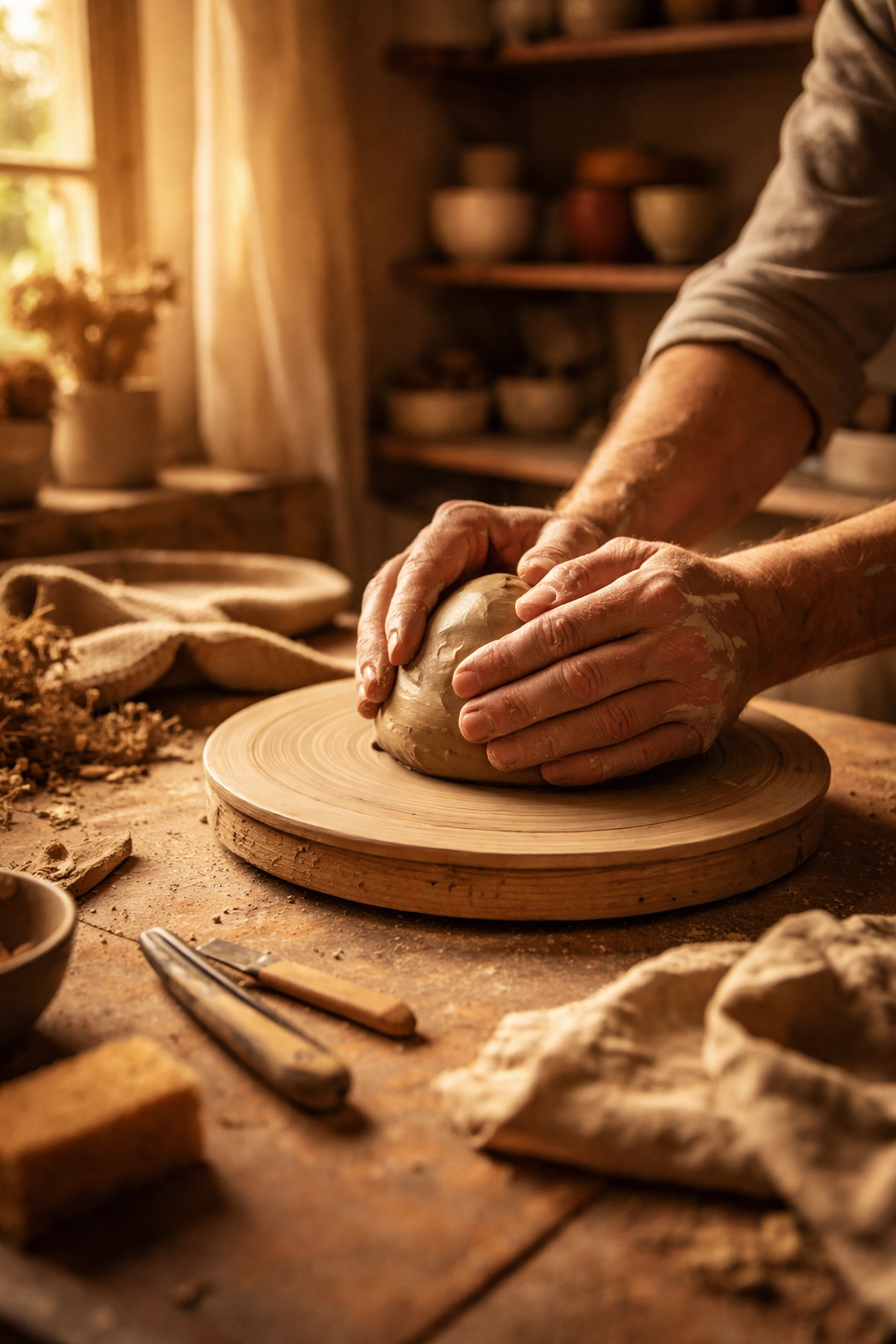
Research indicates that an impressive 93% of consumers in global surveys report a preference for handmade products due to their uniqueness and authenticity. This overwhelming consumer sentiment reflects a growing recognition that the value of an object extends far beyond its mere functional utility.
10 Reasons Artisan Craftsmanship Commands Premium Pricing
1. Years of Developed Skill and Expertise
The creation of high-quality handcrafted items necessitates years of dedicated practice and technique refinement. Artisans invest considerable portions of their lives developing mastery over their chosen craft, whether that craft involves woodworking, metalsmithing, ceramics, or textile arts. This accumulated expertise, which cannot be instantaneously acquired or easily replicated, represents a significant component of the value embedded within each handmade piece.
"The hands that create these pieces have spent years, sometimes decades, perfecting their technique. That expertise is part of what you're paying for." - Maria, Textile Artisan
2. Meticulous Attention to Detail
Each handmade piece receives careful, individualized attention throughout every stage of its creation. Unlike assembly-line production, where items pass rapidly through standardized processes, handcrafted goods benefit from the artisan's personal oversight and quality control. This meticulous approach to detail ensures precision and care that automated manufacturing fundamentally cannot achieve, resulting in products that exhibit superior finish and craftsmanship.
3. Premium Materials and Ethical Sourcing Practices
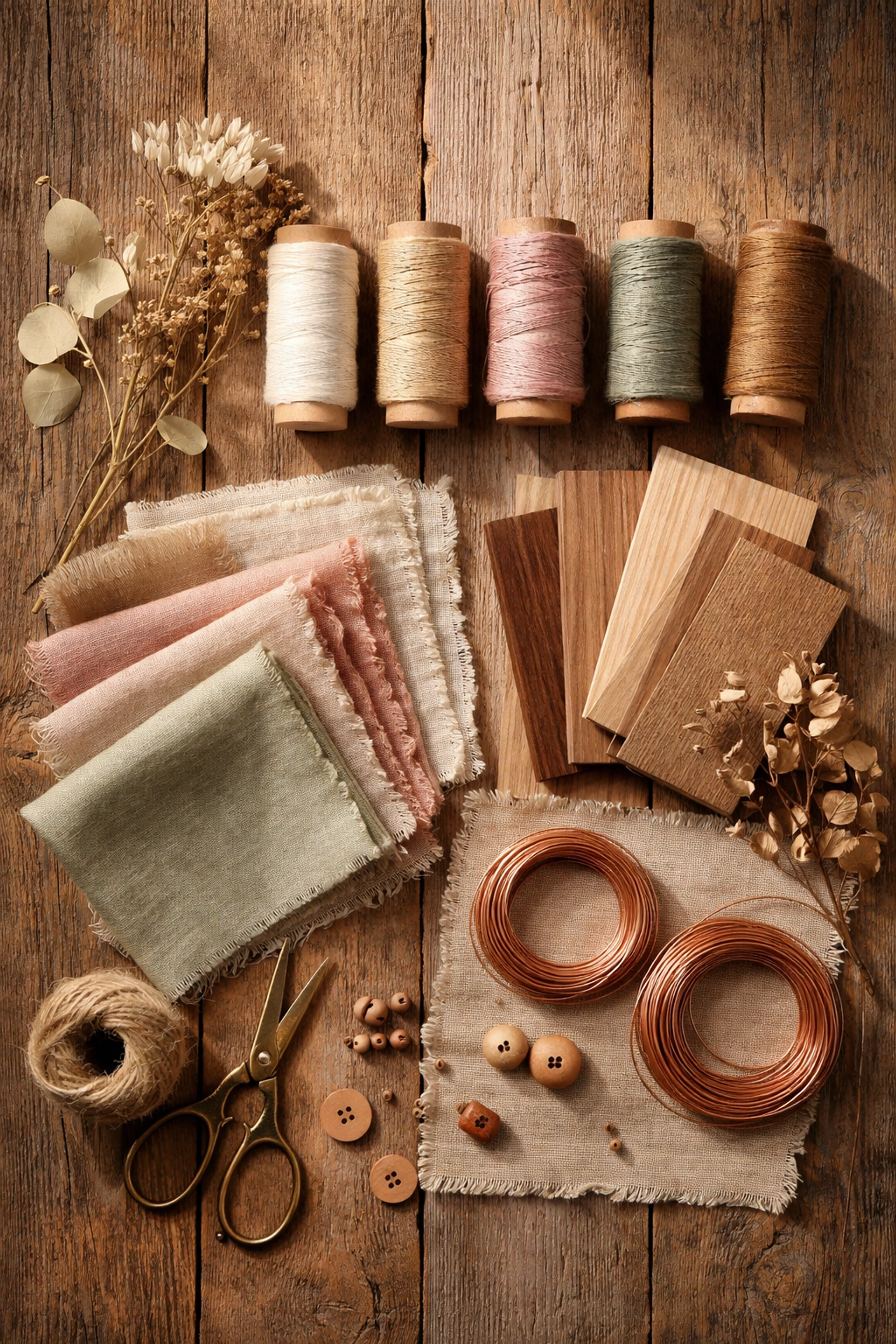
Artisans typically demonstrate a commitment to sourcing high-quality, sustainable materials rather than opting for cheaper synthetic alternatives. Handcrafted items frequently incorporate locally sourced natural fibers, sustainably harvested wood, organic cotton, and other premium components. Furthermore, ethical sourcing practices, including the use of fair-trade fabrics and eco-friendly dyes, contribute additional costs to production while simultaneously creating long-term environmental and social value.
4. Intensive Time and Labor Investment
Handcraft is, by its inherent nature, a time-consuming endeavor. The creation of a single item may involve multiple steps progressing from initial design through various stages of fabrication to final finishing, a process that can require hours or even days of dedicated work. Without the benefit of machinery or economies of scale that characterize industrial production, artisans must invest significant skilled labor in each individual piece they create.
5. Limited Supply and Inherent Exclusivity
Artisans characteristically create items in small batches or as singular, one-of-a-kind pieces, which renders their work inherently rare and consequently more highly valued. This scarcity, combined with the individuality that distinguishes each handmade item, represents something that mass-produced goods simply cannot offer. The exclusivity of owning a piece that exists in limited quantities (or as a unique creation) justifies premium pricing in the marketplace.
6. Customization and Personalization Opportunities
Many consumers actively seek custom orders, personalized engravings, or bespoke designs that imbue their purchases with enhanced sentimental value. The ability to request specific modifications, select particular colors or materials, or incorporate meaningful personalization represents a service that mass manufacturers are largely incapable of providing. This customizability, while contributing to price increases, creates items of irreplaceable personal significance.

7. Authenticity and Meaningful Emotional Connection
Handcrafted gifts carry within them a personal story and human touch that creates emotional resonance transcending mere material value. When you purchase an artisan-made item, you acquire not simply an object but a tangible manifestation of human creativity and intention. These pieces represent thoughtful giving rather than impersonal materialism, offering authenticity and craftsmanship that, as many observers have noted, money alone cannot truly purchase.
8. Superior Longevity and Durability
Handmade products are typically designed and constructed with durability as a primary consideration, standing in marked contrast to disposable mass-produced items engineered for planned obsolescence. The superior quality of materials and construction methods employed by skilled artisans results in pieces that maintain their integrity and beauty for years or even generations. Many consumers have recognized that paying more initially for quality craftsmanship ultimately proves economically advantageous, as fewer replacement purchases become necessary over time.
9. Direct Support for Artisans and Their Communities
Purchasing handcrafted items provides direct financial support to individual artisans and small businesses, thereby preserving traditional crafts and encouraging the continuation of cottage industries. This economic impact extends to local communities in ways that are significantly more meaningful than purchases of mass-produced merchandise. When you shop with artisan businesses, you participate in sustaining a network of skilled creators and their families.
10. Sustainable and Ethical Production Methods
The environmental impact of handcrafted goods typically proves substantially lower than that of mass-manufactured alternatives. Artisan production generally involves minimal industrial machinery, reduced transportation requirements (particularly when materials are locally sourced), and a conscious approach to waste reduction. For consumers who prioritize environmental responsibility, the slightly higher cost of handmade items represents an investment in more sustainable consumption patterns.
The True Cost of Mass Production
When evaluating the price of handcrafted goods, it proves instructive to consider what mass production actually costs, not merely in monetary terms, but in broader human and environmental dimensions. Factory manufacturing frequently relies upon labor practices that do not adequately compensate workers, utilizes materials of questionable quality and origin, and generates significant environmental degradation through industrial processes and global shipping networks.
The lower price tags attached to mass-produced items often obscure these hidden costs, creating an illusion of value that does not withstand careful scrutiny. Handcrafted goods, by contrast, reflect a more honest accounting of the true costs involved in bringing a quality item into existence.
Making the Investment in Artisan Craftsmanship
For those seeking meaningful gifts or distinctive home décor, the decision to invest in handcrafted items represents a choice that extends beyond mere aesthetic preference. It constitutes an affirmation of values, a statement that quality, sustainability, human creativity, and community support matter more than obtaining the lowest possible price.
At Copper & Hazel Boutique, we curate a collection of handcrafted gifts and décor that embodies these principles. Each piece in our shop has been selected for its craftsmanship, quality, and the story it carries within it. We invite you to explore our offerings and discover for yourself why artisan craftsmanship is genuinely worth every penny.
🔖 Tags: handcrafted gifts, artisan craftsmanship, handmade value, sustainable shopping, quality gifts, small business support
Leave a Comment
We would appreciate hearing your thoughts on handcrafted goods and artisan craftsmanship. Please share your experiences in the comments section below.
Name (required)
Email (required, will not be published)
Comment (required)