
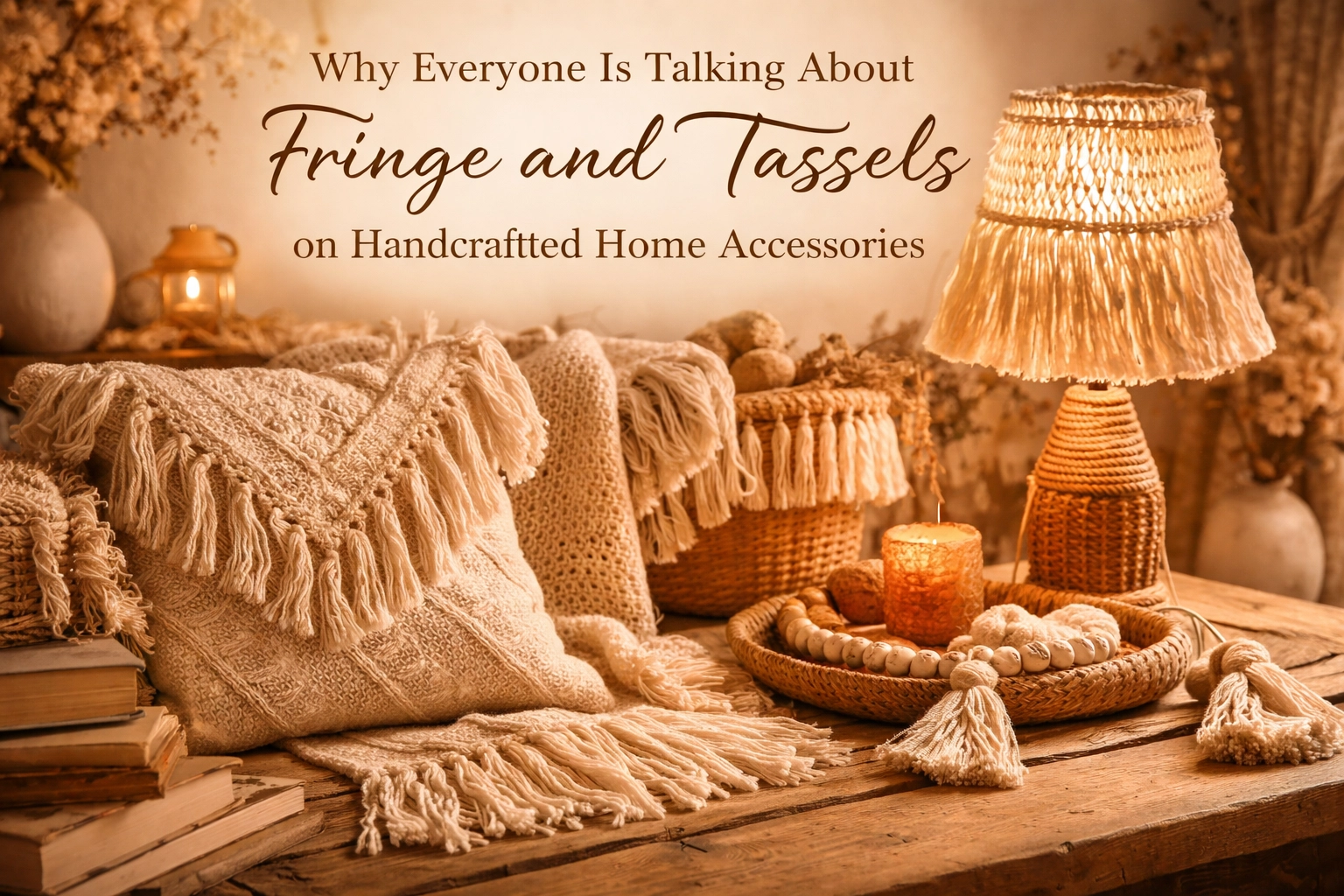

The decorative arts have always experienced cyclical returns to particular embellishments, and in 2026, the conversation among designers, artisans, and homeowners has turned decidedly toward fringe and tassels. These textile adornments, which have roots stretching back centuries in passementerie traditions, are experiencing what can only be described as a significant resurgence in handcrafted home accessories. The renewed interest in these decorative elements reflects a broader cultural shift away from the stark minimalism that dominated interior design for nearly a decade, signaling instead a collective desire for tactility, personality, and craftsmanship-driven design in domestic spaces.
The phenomenon is not merely a fleeting aesthetic preference but rather represents a fundamental reconsideration of what makes a home feel complete, considered, and genuinely lived-in. As we explore this trend in greater detail, it becomes apparent that fringe and tassels serve functions far beyond mere decoration: they act as unifying elements, textural counterpoints, and expressions of artisanal skill that machine-made alternatives simply cannot replicate.
The Historical Significance of Passementerie in Home Design
To understand the current enthusiasm for fringe and tassels, one must first appreciate the historical context from which these embellishments emerged. Passementerie, the French term encompassing all manner of decorative trimmings including tassels, fringe, braids, and cords, has been a hallmark of fine interior design since the Renaissance period. These elements were traditionally handcrafted by specialized artisans who devoted years to mastering the intricate techniques required to produce such adornments.
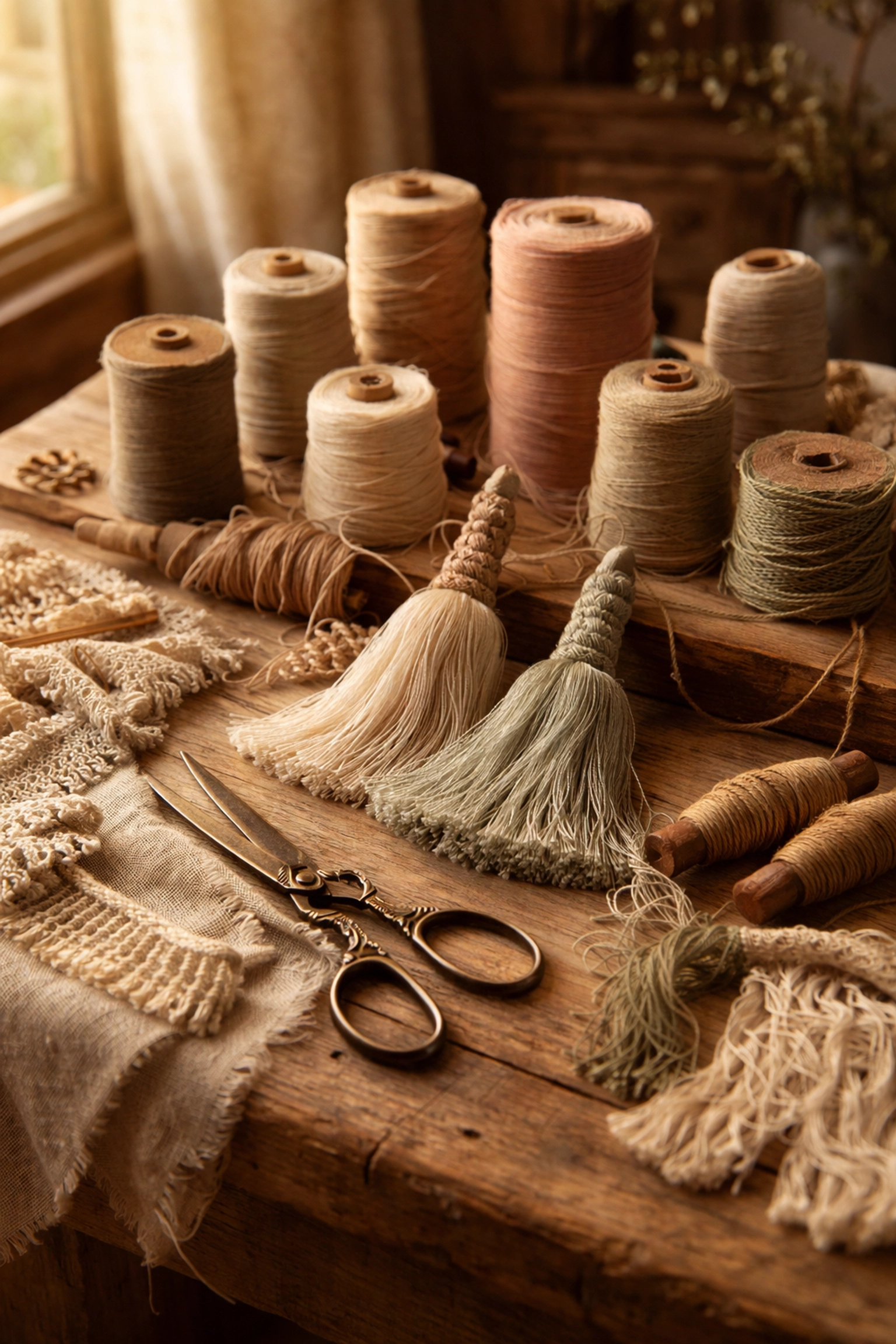
The significance of these decorative elements in historical contexts cannot be overstated, as they served to indicate wealth, taste, and an appreciation for the finer aspects of craftsmanship. In contemporary applications, fringe and tassels on handcrafted home accessories carry forward this legacy while simultaneously adapting to modern sensibilities and design requirements. The connection between historical craftsmanship and present-day artisan work creates a continuity that many homeowners find deeply appealing, particularly in an era when mass-produced goods dominate the marketplace.
Why Minimalism Created a Void That Fringe and Tassels Now Fill
The prolonged dominance of minimalist interior design, while certainly possessing its own merits in terms of simplicity and visual clarity, inadvertently created what many designers now recognize as a tactile and emotional void in domestic spaces. When decorative detail work "took a backseat" (as industry observers have noted), homes began to feel somewhat sterile, lacking the warmth and personality that distinguish a house from a home.
The resurgence of fringe and tassels represents a direct response to this perceived deficiency. These embellishments offer homeowners a mechanism through which they can inject personality into their spaces without resorting to overwhelming patterns or dramatic color schemes. The beauty of handcrafted accessories featuring these elements lies in their ability to add visual interest and textural complexity while maintaining a sense of restraint and intentionality.
"The finishing touches that make something feel considered," as design professionals describe them, are precisely what fringe and tassels provide. They represent the difference between a room that appears decorated and one that feels genuinely curated with care and attention to detail.
The Functional Versatility of Fringed and Tasseled Accessories
Beyond their aesthetic appeal, fringe and tassels serve remarkably practical functions within interior design schemes. One of the most notable attributes of these embellishments is their capacity to unify disparate elements within a room's color palette. A carefully chosen tassel on a throw pillow or a fringed trim on a lampshade can draw together various hues present throughout a space, creating visual cohesion where none existed previously.
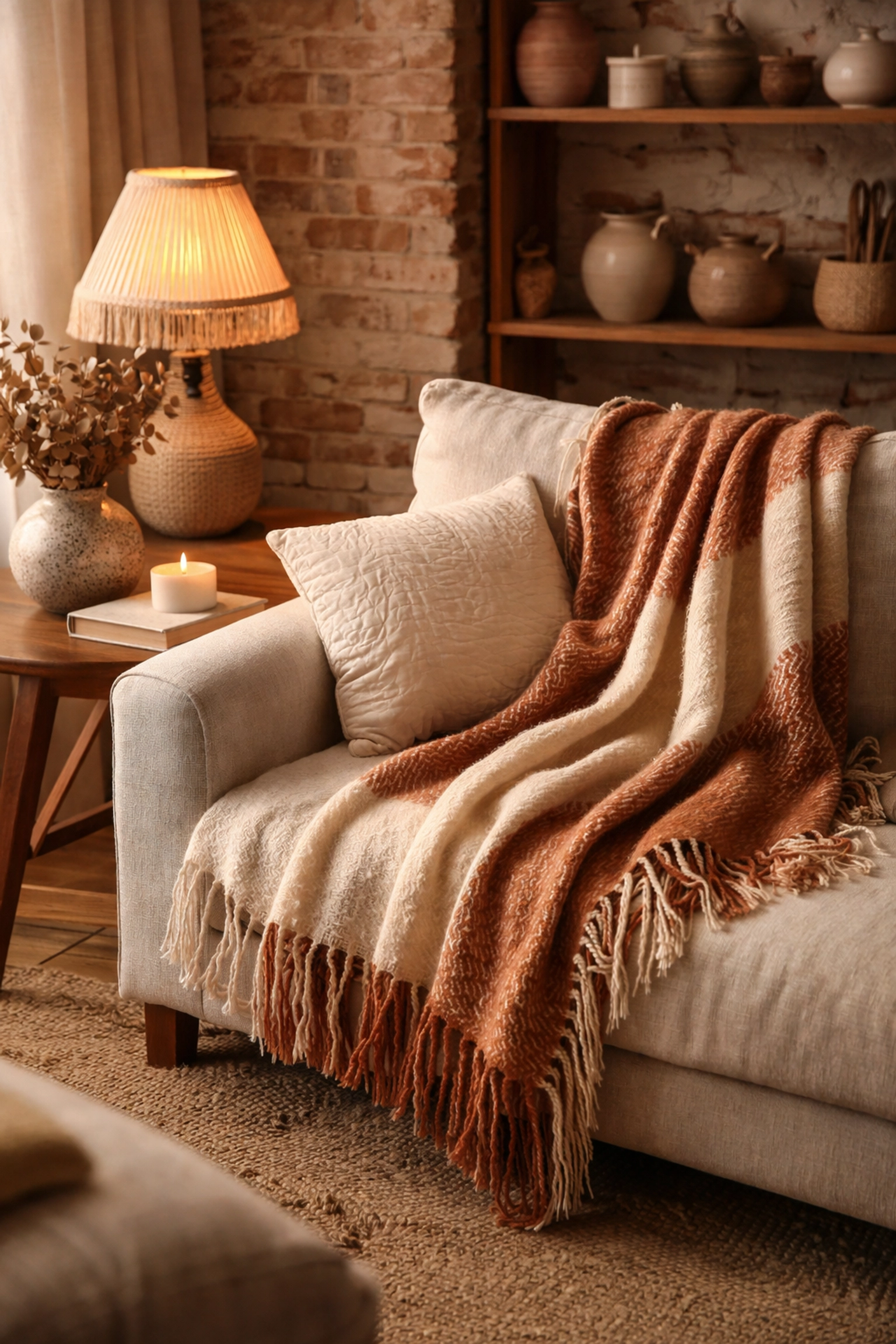
Furthermore, these decorative elements can function as architectural framing devices when applied to furniture, curtains, or other substantial home accessories. The fringe along the bottom edge of a tablecloth, for instance, serves to define the piece's boundaries while simultaneously adding movement and visual interest. Similarly, tassels on the corners of cushions draw the eye and create points of focus within a larger design scheme.
The addition of movement represents another functional consideration that should not be overlooked. In a static interior environment, the gentle sway of fringe or the playful bounce of tassels introduces a dynamic quality that brings spaces to life. This kinetic element adds what designers often describe as "whimsy" to both traditional and contemporary settings.
Handcrafted Quality: Why Artisan-Made Makes the Difference
The distinction between mass-produced fringe and tassel accessories and those created by skilled artisans is substantial and immediately apparent to the discerning eye. Handcrafted home accessories featuring these embellishments exhibit characteristics that factory-made alternatives fundamentally cannot replicate: slight variations in thread tension, unique color gradations achieved through hand-dyeing processes, and the unmistakable evidence of human touch throughout the construction process.
When one examines a handcrafted tasseled item closely, the marks of its maker become visible and, indeed, valuable. These subtle imperfections and variations are not flaws but rather signatures of authenticity that distinguish genuine artisan work from its mass-produced counterparts. The resurgence of interest in fringe and tassels is inextricably linked to this broader appreciation for craftsmanship and the desire to possess objects that carry the imprint of human creativity and skill.
At Copper & Hazel Boutique, we recognize that the appeal of handcrafted accessories extends beyond mere visual attractiveness to encompass the entire narrative of an object's creation: the artisan's vision, the selection of materials, and the hours of careful work that result in a finished piece worthy of a place in one's home.
Incorporating Fringe and Tassels Across Design Styles
One of the most compelling aspects of the current fringe and tassel trend is its remarkable adaptability across various design aesthetics. Contrary to what one might initially assume, these embellishments are not confined to traditional or maximalist interiors. Contemporary designers have demonstrated that fringe and tassels can be successfully incorporated into minimalist schemes, mid-century modern environments, bohemian spaces, and virtually any other stylistic context.
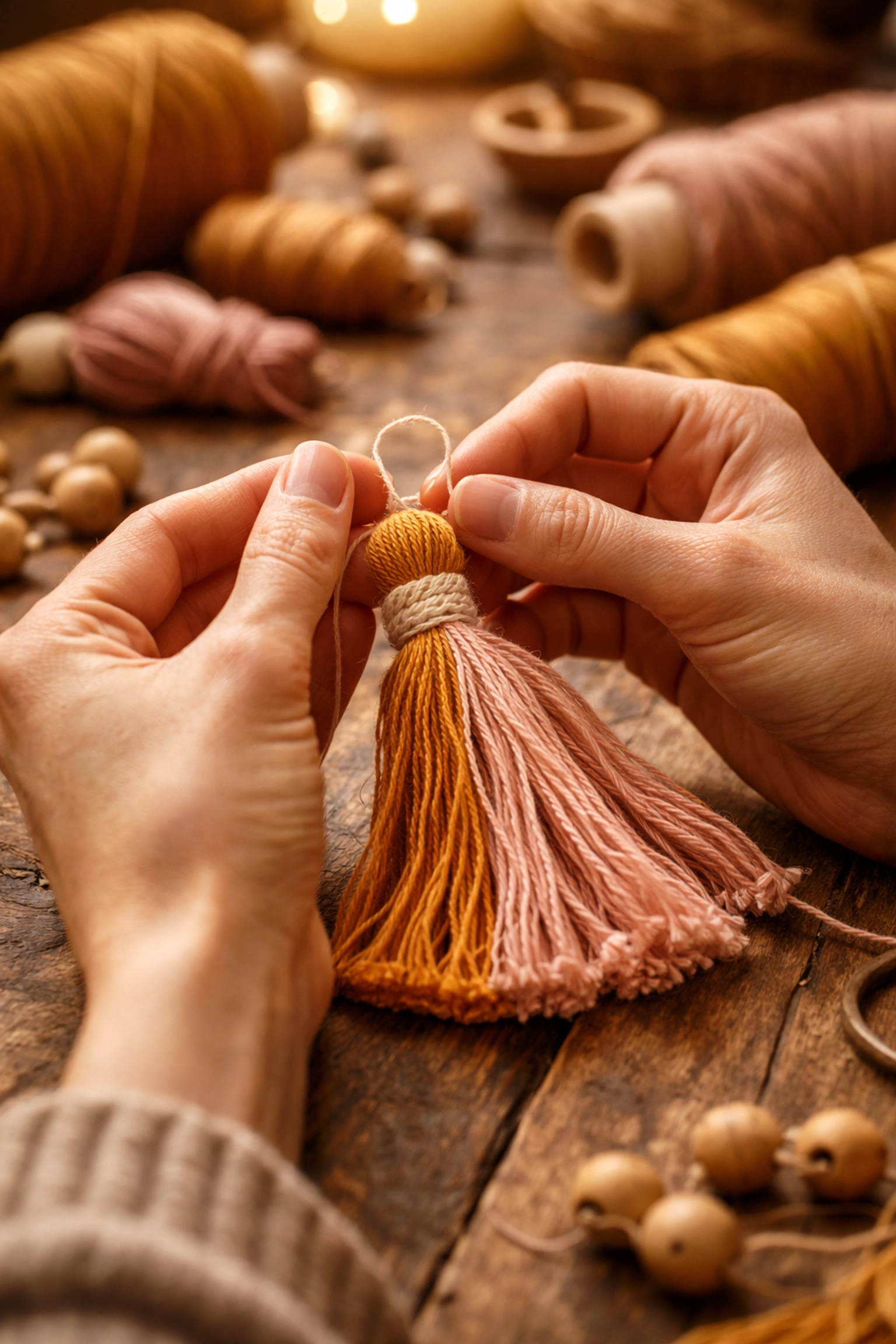
The key to successful incorporation lies in thoughtful selection and restraint. A single fringed throw blanket draped over a streamlined modern sofa can provide exactly the right amount of textural contrast without overwhelming the space's clean lines. Conversely, in a more eclectic environment, multiple tasseled accessories can layer together to create richly nuanced, visually dynamic compositions.
Designers appreciate how these elements allow them to "layer, experiment, and create more nuanced, visually dynamic pieces" within any given aesthetic framework. The versatility of fringe and tassels ensures that homeowners need not commit to a particular design style to enjoy the benefits these embellishments provide.
Practical Applications for Every Room
The application of fringed and tasseled accessories extends throughout the home, offering opportunities for enhancement in virtually every space. In living areas, throw pillows with tassel corners and fringed blankets provide obvious starting points for those new to this trend. Lampshades featuring fringe trim offer a cost-effective method for elevating a room's character without significant investment.
Bedrooms benefit from tasseled curtain tiebacks, fringed duvet covers, and decorative pillows that add layers of texture to sleeping spaces. Dining rooms can incorporate fringed table runners or napkins that bring an element of ceremony to everyday meals. Even bathrooms and home offices present opportunities for incorporating these elements through towels, storage baskets, and decorative accents.
The versatility of these applications means that homeowners can gradually introduce fringe and tassels into their spaces, testing what works within their particular contexts before committing to more substantial pieces. This incremental approach allows for considered, intentional design decisions that result in spaces feeling cohesive rather than chaotic.
The Future of Textural Design in Handcrafted Accessories
As we move further into 2026, all indications suggest that the appreciation for fringe, tassels, and other textural embellishments will continue to grow. This trend represents not a temporary fashion but rather a fundamental recalibration of values within interior design: a recognition that homes should engage multiple senses and reflect the personalities of their inhabitants.
The artisans who specialize in creating these handcrafted accessories are experiencing renewed demand for their skills, and the broader marketplace is responding accordingly. For those seeking to bring this trend into their own homes, exploring our collection of handcrafted accessories provides an excellent starting point for discovering pieces that combine traditional craftsmanship with contemporary sensibilities.
🔖 Tags: handcrafted home accessories, fringe decor, tassel trends, artisan home decor, textile embellishments, 2026 design trends, passementerie, handmade gifts
Leave a Comment
Your email address will not be published. Required fields are marked *
Name* _______________
Email* _______________
Comment* _______________
[ ] Save my name, email, and website in this browser for the next time I comment.
[Post Comment]