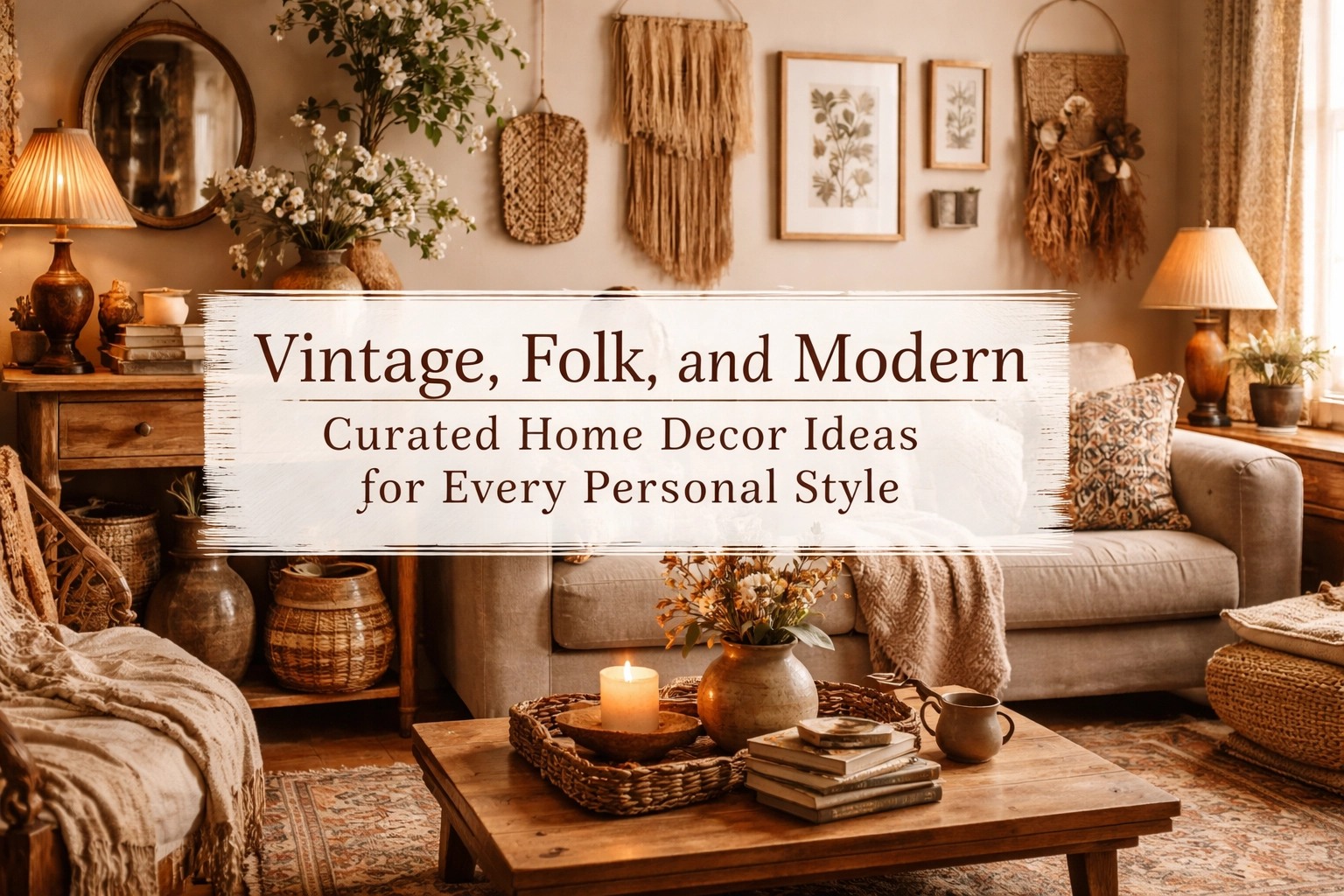

The art of interior decoration has long been understood as a reflection of personal identity, and in the contemporary era, homeowners increasingly seek to blend disparate aesthetic traditions into cohesive, meaningful spaces. The convergence of vintage, folk, and modern design elements represents one of the most compelling approaches to home decor, offering a methodology that honors the past while embracing the present. This curated approach to interior design allows individuals to express their unique sensibilities through a thoughtful combination of handcrafted artisanal pieces, treasured heirlooms, and clean contemporary furnishings.
Understanding how to successfully merge these three distinct design philosophies requires both an appreciation for their individual characteristics and a strategic approach to their integration. The following examination provides comprehensive guidance for creating spaces that feel both intentional and deeply personal, regardless of which aesthetic tradition resonates most strongly with your individual taste.
Understanding the Three Pillars of Curated Style
The Essence of Vintage Decor
Vintage decor encompasses pieces and design sensibilities drawn from previous decades, typically ranging from the early twentieth century through the 1980s. This aesthetic tradition values patina, history, and the narrative quality inherent in objects that have weathered time. Vintage pieces often exhibit craftsmanship techniques and material qualities that differ substantially from contemporary mass-produced items, lending them a distinctive character that cannot be easily replicated.
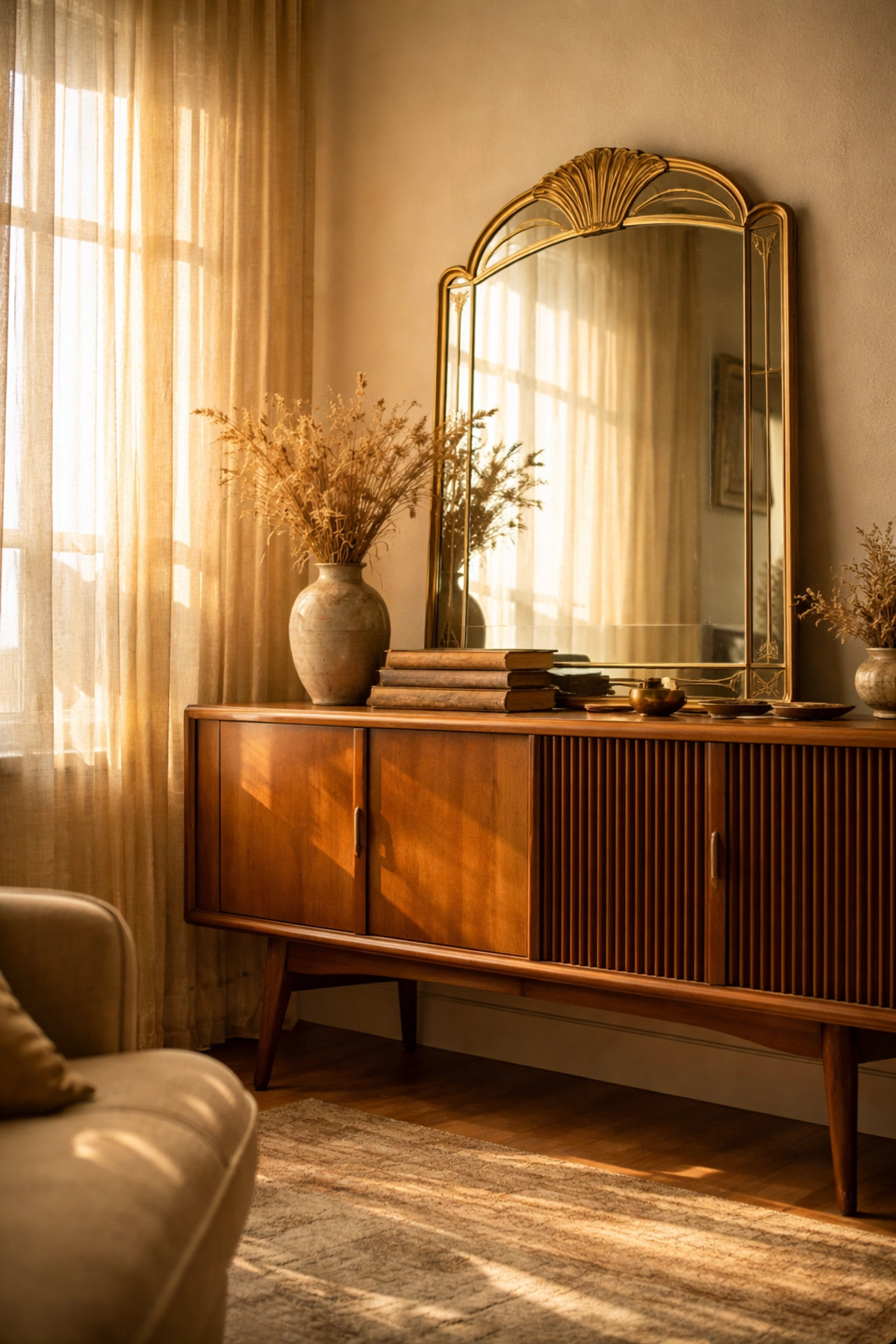
The appeal of vintage decor lies not merely in its aesthetic qualities but in its capacity to connect inhabitants with previous generations and historical periods. A mid-century modern credenza or an art deco mirror carries within it the design philosophies and cultural values of its era, creating layers of meaning within a space that extend beyond mere visual appeal.
Folk Style as the Bridge Between Eras
Folk style occupies a unique position within the interior design landscape, serving as an excellent bridge between vintage and modern aesthetics precisely because it is inherently eclectic and characterful. This design tradition emphasizes handmade, artisanal pieces with rich textures and vibrant colors, making it naturally compatible with vintage finds while remaining fresh and intentional in contemporary contexts.
The folk aesthetic draws heavily upon regional craft traditions, incorporating elements such as hand-painted furniture, woven textiles, embroidered fabrics, and carved wooden objects. Swedish and German folk traditions, in particular, have contributed elaborately decorated furniture featuring flora and fauna motifs that pair beautifully beside modern pieces, creating interesting contrast through their individuality and narrative quality.
"Folk design reminds us that every object can tell a story, and that handmade pieces carry the energy and intention of their creators." - Traditional Craft Philosophy
Modern Design Principles
Modern design, characterized by clean lines, geometric silhouettes, and an emphasis on functionality, provides the structural foundation upon which vintage and folk elements can be thoughtfully arranged. The simplicity inherent in modern design prevents spaces from becoming visually overwhelming when incorporating the more ornate and detailed pieces typical of vintage and folk traditions.
Contemporary modern pieces often feature neutral color palettes and streamlined forms that serve as visual breathing room between more elaborate vintage and folk elements. This strategic use of negative space and simplified forms allows handcrafted and antique pieces to become focal points rather than competing elements within a room.
Practical Strategies for Blending These Aesthetics
Establishing Color Harmony
The foundation of any successfully curated space lies in the establishment of a unified color palette that creates cohesion across disparate eras and styles. When blending vintage, folk, and modern elements, maintaining a consistent color palette throughout the space unifies these different aesthetic traditions while preserving the eclectic appeal that makes curated design so compelling.
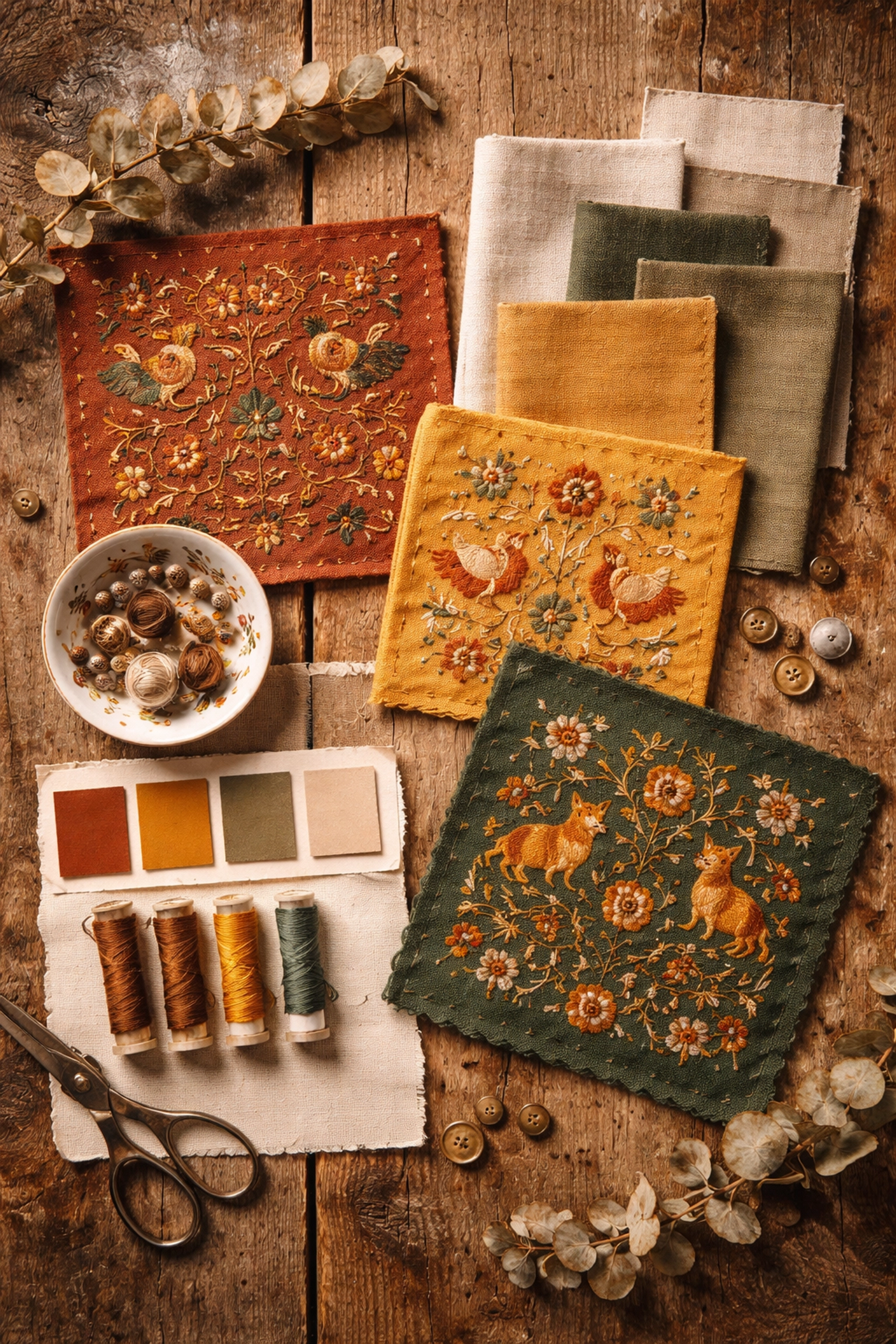
Consider selecting three to five core colors that appear throughout your vintage finds, folk textiles, and modern furnishings. This chromatic consistency creates visual threads that tie the space together, allowing the eye to move smoothly from a hand-painted folk cabinet to a sleek modern sofa without experiencing jarring transitions.
Layering Patterns and Textiles
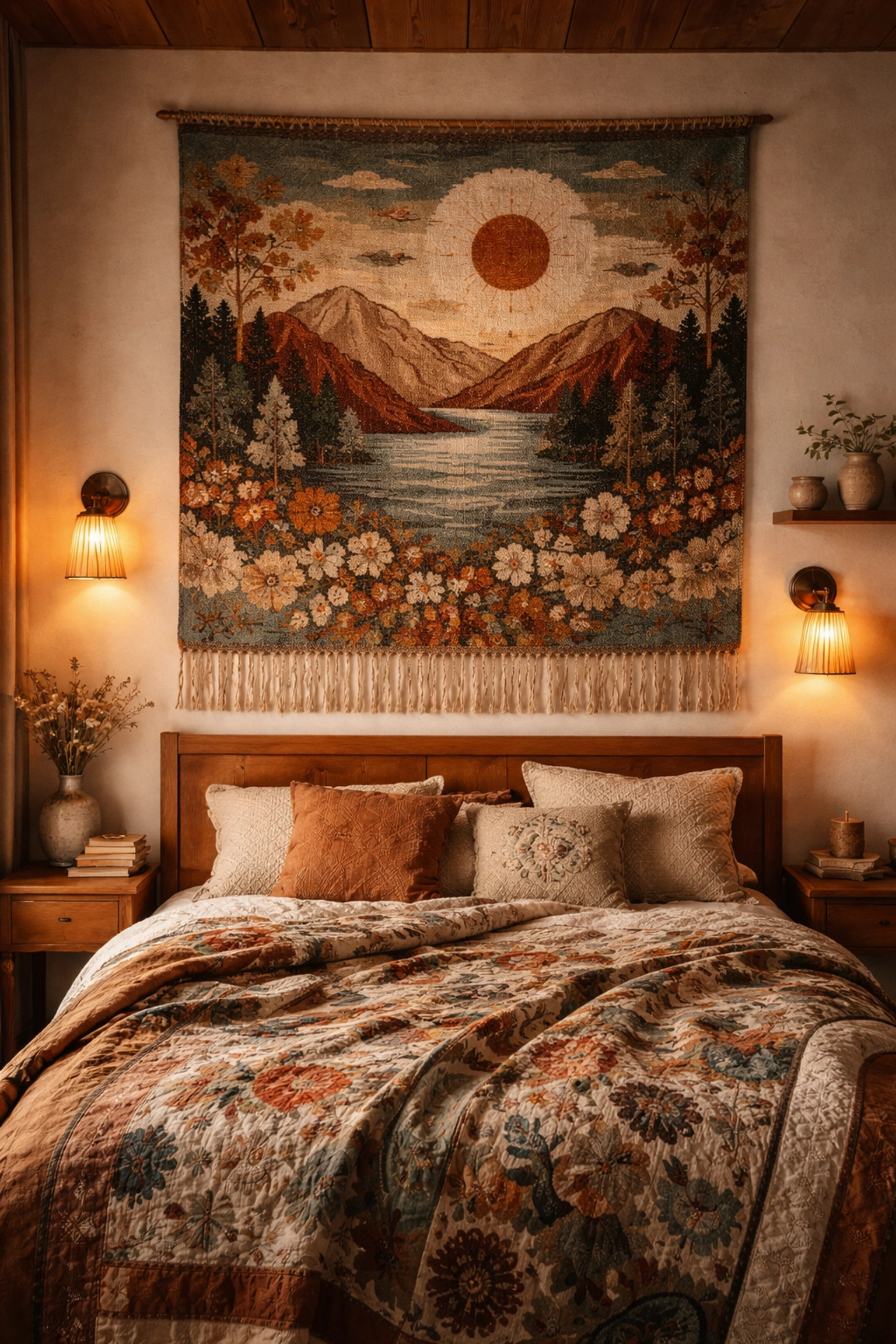
Patterns and textiles serve as central unifying elements in spaces that blend vintage, folk, and modern aesthetics. Folk-style interiors almost always feature bold, illustrative patterns commonly seen on upholstery, cushions, quilts, and artwork. These patterned textiles can be layered with solid modern pieces and vintage textiles to create depth and visual interest throughout the space.
The key to successful pattern mixing lies in varying the scale of patterns while maintaining color consistency. Large-scale folk motifs on a statement quilt can be complemented by smaller geometric patterns on modern throw pillows, with vintage floral textiles adding additional layers of visual complexity. This approach to layering creates richness without chaos, sophistication without sterility.
Incorporating Handcrafted Furniture as Foundation
Handcrafted furniture forms the foundation of this mixed approach to interior design, providing anchor pieces that ground the space in artisanal quality and human touch. Vintage and antique furnishings blend seamlessly with contemporary design when styled with intention, creating interesting juxtapositions that highlight the unique qualities of each piece.
When selecting furniture, consider how the craftsmanship and materials of each piece will interact with others in the space. A modern dining table with clean lines can be surrounded by vintage folk chairs featuring hand-painted details, creating a dynamic tension between simplicity and ornamentation that enlivens the dining area.
Decorative Elements That Unite the Styles
Wall Hangings and Tapestries
Handmade tapestries and wall hangings offer exceptional opportunities to incorporate folk narratives into modern spaces. These textile artworks often tell stories through nature-related symbols, evoking traditional folk narratives while adding character and warmth to contemporary environments. The vertical dimension of walls provides ample opportunity for displaying such pieces without cluttering horizontal surfaces.
Personal Objects and Family Heirlooms
Personal objects and family heirlooms enhance the curated mix by adding unique narrative and sentimentality that cannot be purchased or replicated. Vintage collections, old photographs, and handmade craft pieces make each space meaningful while staying true to folk design's emphasis on storytelling and personal connection.
The incorporation of heirlooms requires thoughtful consideration of their placement and presentation. A collection of grandmother's hand-thrown pottery might be displayed on modern floating shelves, while a vintage family photograph could be reframed in a contemporary frame that bridges old and new aesthetic sensibilities.
Appliqué and Decorative Details
Appliqué details and layered decorative finishes on headboards, chair backs, or cushions add folkloric texture and personal narrative to spaces that might otherwise feel too streamlined or impersonal. These handcrafted embellishments connect contemporary furnishings to folk traditions without overwhelming the modern foundation of the space.
Achieving Balance Through Intentional Curation
The Role of Negative Space
Modern design's emphasis on negative space serves a crucial function when blending multiple aesthetic traditions. Allowing breathing room between vintage and folk elements prevents visual overwhelm and allows each piece to be appreciated individually while contributing to the whole. This strategic restraint distinguishes curated eclecticism from mere accumulation.
Combining Geometric and Organic Forms
The combination of midcentury modern furniture with clean lines and geometric silhouettes alongside folk and vintage pieces featuring organic, hand-rendered forms creates a dynamic balance between retro warmth and contemporary simplicity. This interplay of geometric and curved forms maintains visual interest while preventing any single aesthetic from dominating the space.
The thoughtful integration of vintage, folk, and modern design elements ultimately creates spaces that feel both timeless and personal, honoring craft traditions while embracing contemporary life. At Copper & Hazel Boutique, we believe that the most meaningful spaces are those that tell stories through their carefully chosen objects, and we invite you to explore handcrafted pieces that can become part of your own curated home narrative.
🔖 Tags: home decor, vintage style, folk design, modern interior, handcrafted decor, curated home, artisan pieces, interior design tips, eclectic style, handmade gifts
Leave a Comment
We would love to hear your thoughts on blending vintage, folk, and modern styles in your home.
Name (required)
Email (required, will not be published)
Comment
[ Submit Comment ]