
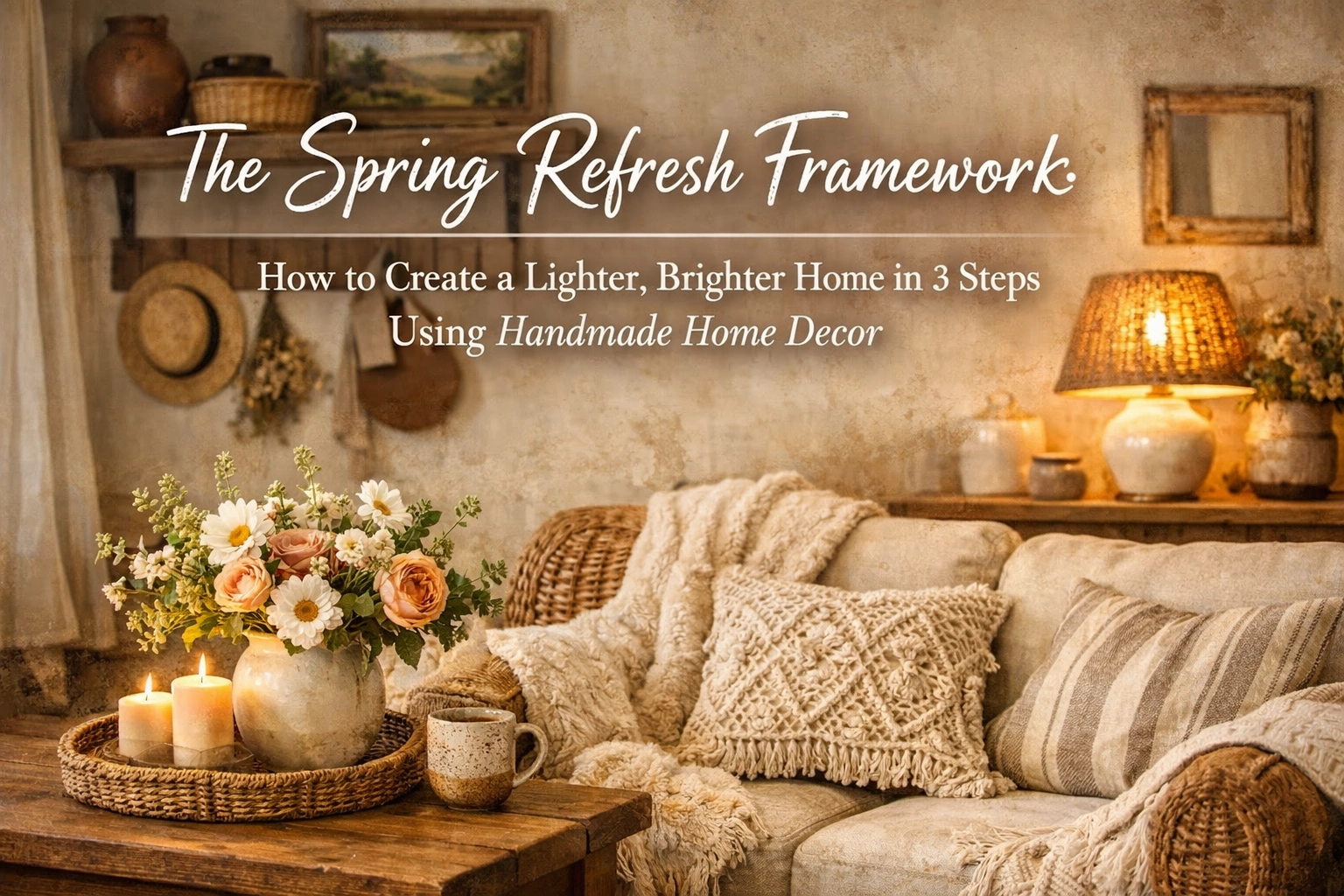

The transition from winter to spring represents an opportunity to fundamentally recalibrate the aesthetic atmosphere of residential interiors through a methodical approach that combines decluttering principles, spatial reorganization, and the strategic incorporation of artisan-crafted decorative elements. This comprehensive framework, when executed with intentionality and attention to material quality, can transform living spaces from heavy, enclosed environments into airy, luminous sanctuaries that reflect the seasonal shift occurring in the natural world outside.
The practice of seasonal home refreshing, particularly during the spring transition, has become increasingly recognized as a valuable approach to maintaining both aesthetic vitality and psychological well-being within domestic spaces (as numerous interior design professionals have noted). What distinguishes an effective spring refresh from mere rearrangement is the systematic application of specific principles that work in concert to achieve a cohesive transformation: principles that become particularly effective when handmade, one-of-a-kind decorative pieces are incorporated into the process.
Understanding the Spring Refresh Philosophy
Before implementing tactical changes within your living spaces, it becomes important to understand the underlying philosophy that makes a spring refresh effective rather than merely cosmetic. The concept of creating lighter, brighter environments stems from both practical considerations (increased natural daylight hours, warmer temperatures) and psychological factors related to renewal, growth, and fresh beginnings that characterize the spring season itself.
The integration of handcrafted home decor into this philosophy serves multiple purposes beyond simple aesthetics. Artisan-made pieces carry inherent qualities: textural variation, visible craftsmanship, material authenticity: that contribute to the warm, lived-in atmosphere many homeowners seek when transitioning away from winter's heavier aesthetic. These handmade elements provide visual interest and tactile richness that mass-produced items often cannot replicate, making them particularly valuable during a seasonal transformation when the goal involves introducing freshness without sacrificing the sense of home.
Step One: Tidy, Declutter, and Strategically Swap Seasonal Accessories
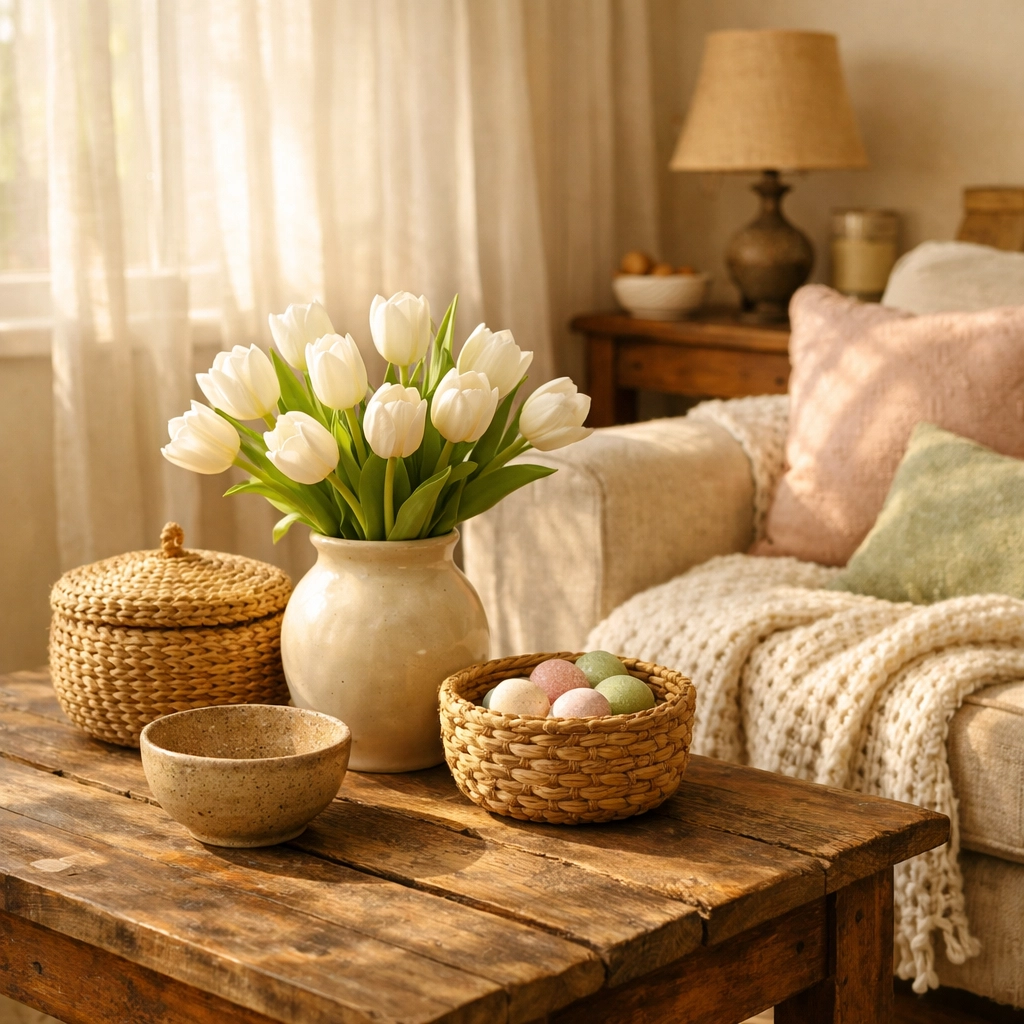
The foundational step in any effective spring refresh framework involves the systematic removal of winter-specific decorative elements and the thoughtful decluttering of spaces that have accumulated visual weight during the colder months. This process extends beyond simple cleaning to encompass a comprehensive evaluation of which items contribute to the desired lighter, brighter aesthetic and which items create visual heaviness that conflicts with spring's inherent character.
Begin this phase by removing heavy textiles that served functional and aesthetic purposes during winter months: thick throw blankets, substantial pillows with dark or warm-toned fabrics, layered window treatments that prioritized insulation over light transmission. These items should be cleaned, properly stored, and replaced with lighter alternatives that incorporate natural fibers such as linen, cotton, or lightweight woven materials (materials that often feature prominently in handcrafted textile goods).
The decluttering process should focus particularly on horizontal surfaces: coffee tables, console tables, dining tables, dressers: where decorative objects tend to accumulate throughout winter. Rather than simply removing all decorative elements, this step involves curating which pieces remain and which new pieces (particularly handmade decorative items) should be introduced to create the desired spring aesthetic. Consider replacing dense, dark decorative objects with handcrafted pieces that incorporate lighter materials: ceramic vessels in cream or soft pastel tones, woven baskets in natural fibers, wooden bowls with visible grain patterns that suggest organic growth.
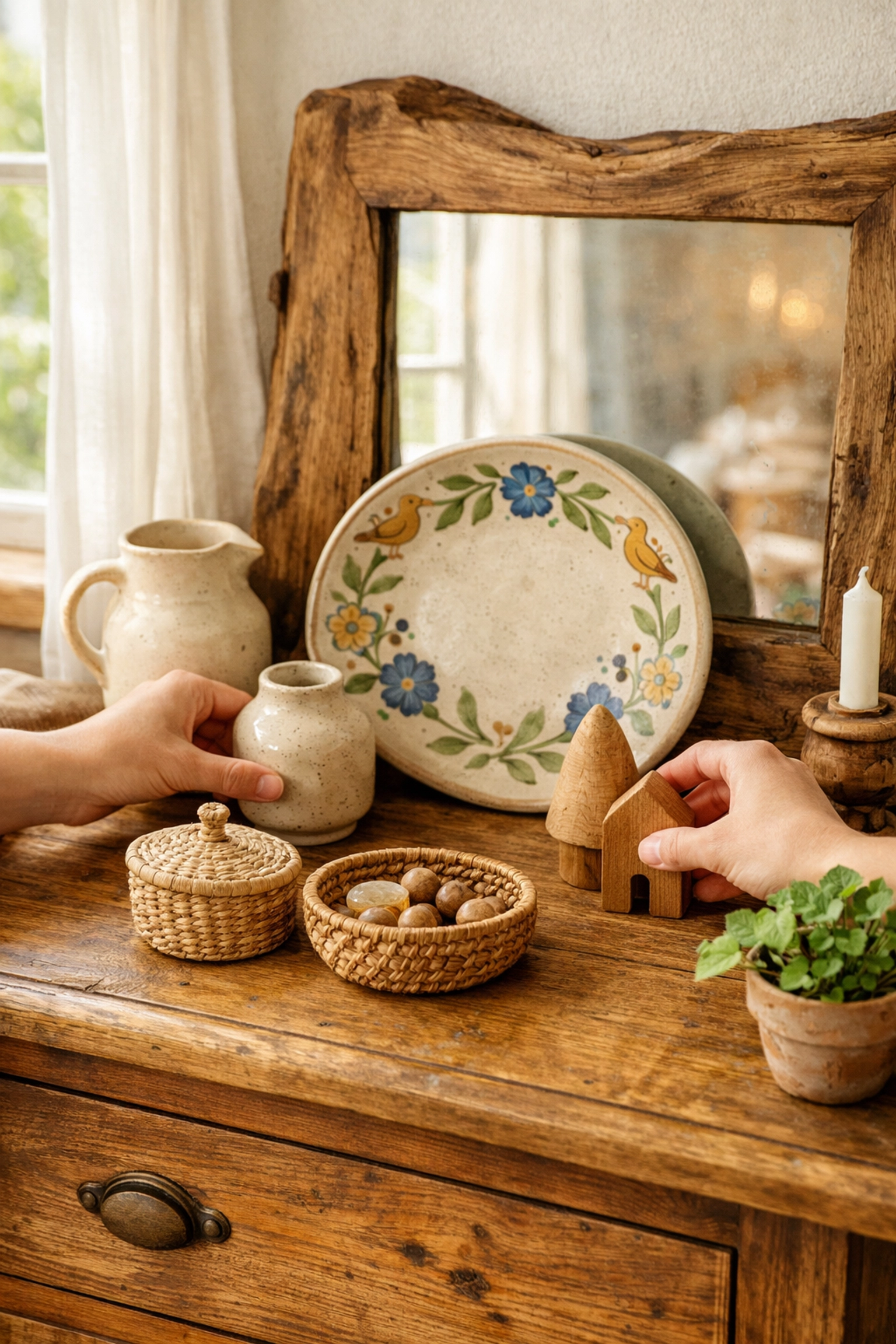
Handmade centerpieces become particularly valuable during this transition phase, as they can serve as focal points that establish the new seasonal aesthetic throughout various rooms. A handcrafted ceramic platter on a dining table, for instance, can be styled with seasonal elements (fresh flowers, light-colored decorative balls, natural wood elements) that reinforce the spring theme while showcasing the artisan quality of the piece itself.
The strategic placement of handmade decorative mirrors during this phase can also significantly impact how light moves through a space. Unlike mass-produced mirrors, artisan-crafted versions often feature distinctive frames: natural wood, woven materials, hammered metal: that add textural interest while serving the functional purpose of reflecting and amplifying natural light throughout the room.
Step Two: Rearrange Furniture to Create Fresh Perspectives and Improved Light Flow
The second phase of the spring refresh framework involves the physical reorganization of furniture arrangements to optimize natural light distribution, improve traffic flow, and provide fresh visual perspectives that can make familiar spaces feel renewed and energized. This step, while requiring more physical effort than accessory swapping, offers transformative potential without financial investment (making it particularly appealing for those working within budget constraints).
Before moving substantial furniture pieces, it proves beneficial to create a scaled layout plan using either traditional graph paper with proportional furniture cutouts or digital tools such as online room planning applications. This preparatory work allows for experimentation with various arrangements without the physical strain of repeatedly moving heavy items, and it can reveal non-obvious configurations that maximize the lighter, brighter goals of the spring refresh.
When evaluating potential furniture arrangements for spring, prioritize configurations that avoid blocking windows or impeding natural light pathways. Consider angling furniture away from walls to create more dynamic room flow and to allow light to circulate around pieces rather than being absorbed by them. This approach works particularly well when furniture pieces themselves incorporate lighter materials or finishes: natural wood with visible grain, painted pieces in soft colors, upholstered items in neutral or pastel fabrics.
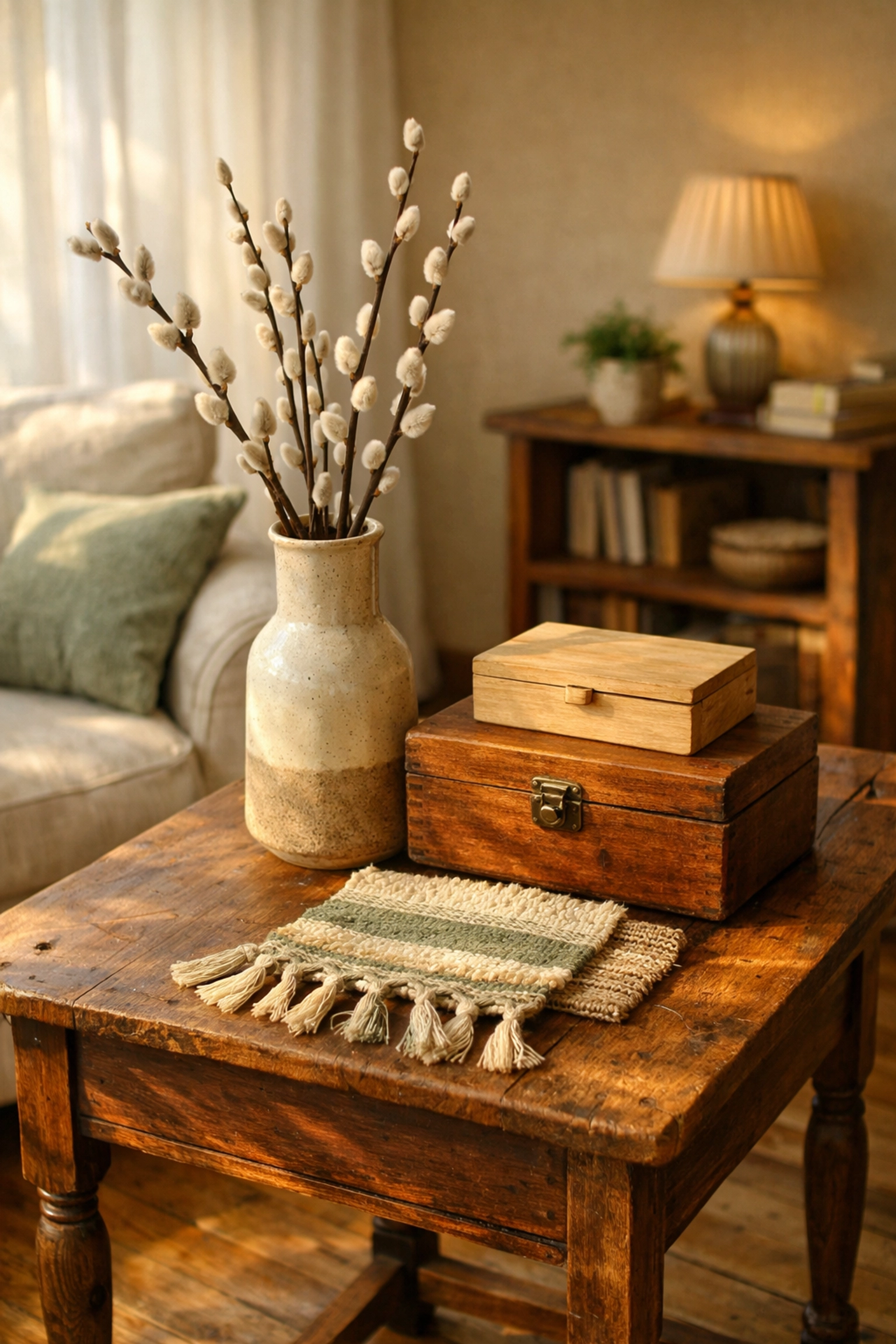
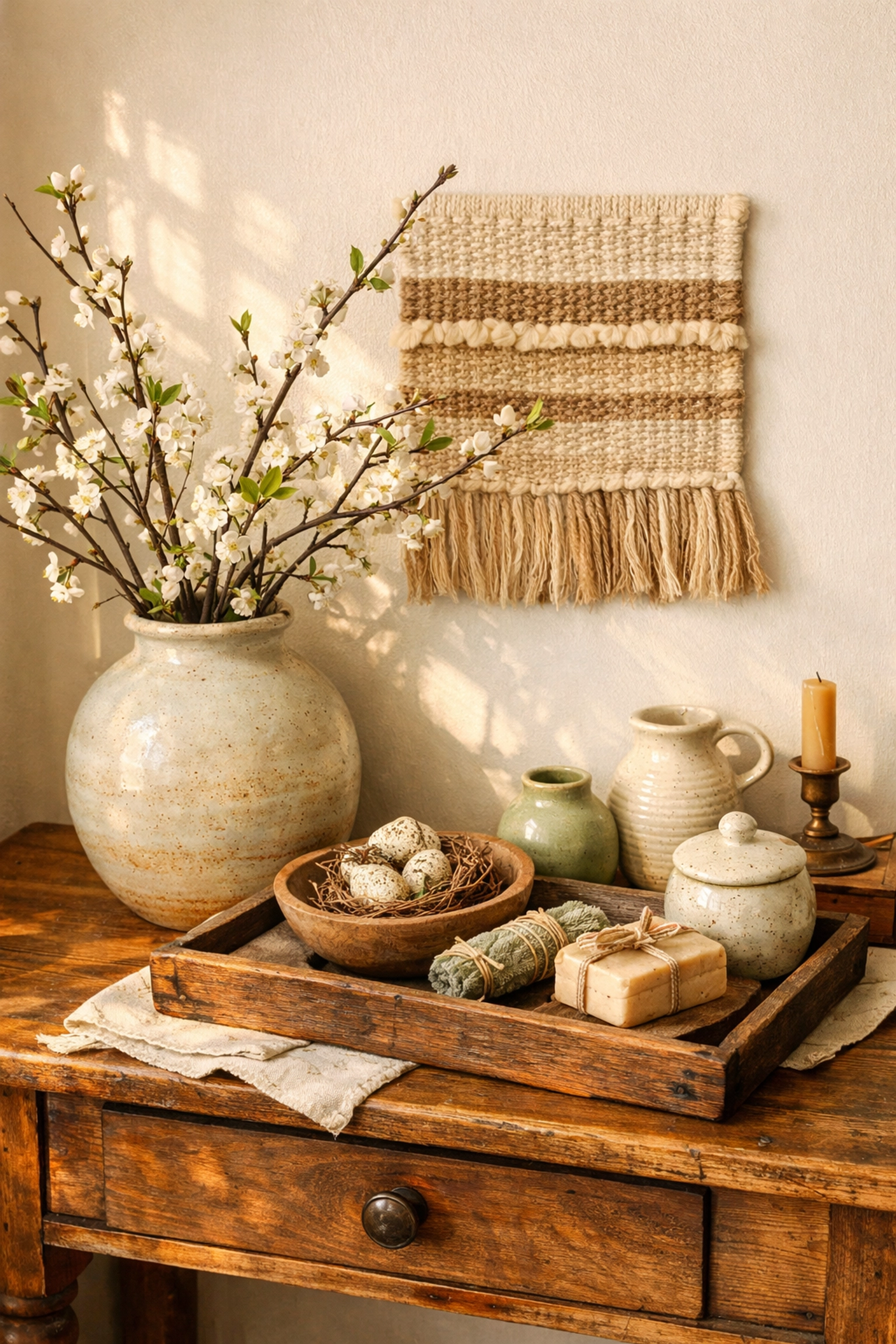
The rearrangement phase also presents an opportunity to create intentional vignettes featuring handcrafted decorative pieces. A relocated side table, for instance, can become a display surface for a collection of handmade pottery or a single statement piece: perhaps a hand-thrown vase containing seasonal branches or flowers. These curated moments of artisan craftsmanship distributed throughout rearranged spaces contribute significantly to the overall transformation by introducing points of visual interest that reward closer inspection.
Consider also the relationship between furniture placement and the handmade decorative elements being introduced during this refresh. A rearranged seating area might benefit from the addition of a handwoven throw draped over a chair arm, or a relocated bookshelf might provide the perfect backdrop for displaying a collection of handcrafted wooden boxes or ceramic vessels that reinforce the spring aesthetic through material and color choices.
Step Three: Update Walls, Window Treatments, and Textiles for Complete Transformation
The final phase of the spring refresh framework addresses the larger background elements: walls, window coverings, and substantial textiles: that ultimately determine whether a space reads as cohesive and successfully transformed or merely superficially adjusted. This step requires more significant investment (either in materials for painting or in new textile purchases) but delivers proportionally greater impact on the overall atmospheric quality of renovated spaces.
Paint represents one of the most cost-effective yet impactful methods for achieving dramatic spatial transformation during a spring refresh. Whether applied to entire walls, used as accent color on a single focal wall, or employed to update existing furniture pieces or decorative objects, paint can fundamentally alter how light interacts with a space and how the eye perceives room dimensions and brightness levels. For spring refreshes specifically, consider paint colors that incorporate more white base pigment: soft grays with cool undertones, barely-there pastels, warm creams that suggest sunlight: rather than the deeper, more saturated tones that often characterize winter interiors.
The updating of window treatments during spring transitions proves particularly crucial for achieving the lighter, brighter aesthetic that defines successful seasonal refreshes. Heavy tapestries, lined drapes, and layered window coverings that served insulation purposes during winter should be replaced with lightweight fabrics that permit maximum natural light transmission while still providing necessary privacy. Natural fiber textiles: linen curtains, cotton sheers, lightweight woven panels: work especially well for this purpose, and these materials frequently appear in handcrafted window treatment options that add artisan quality to functional elements.
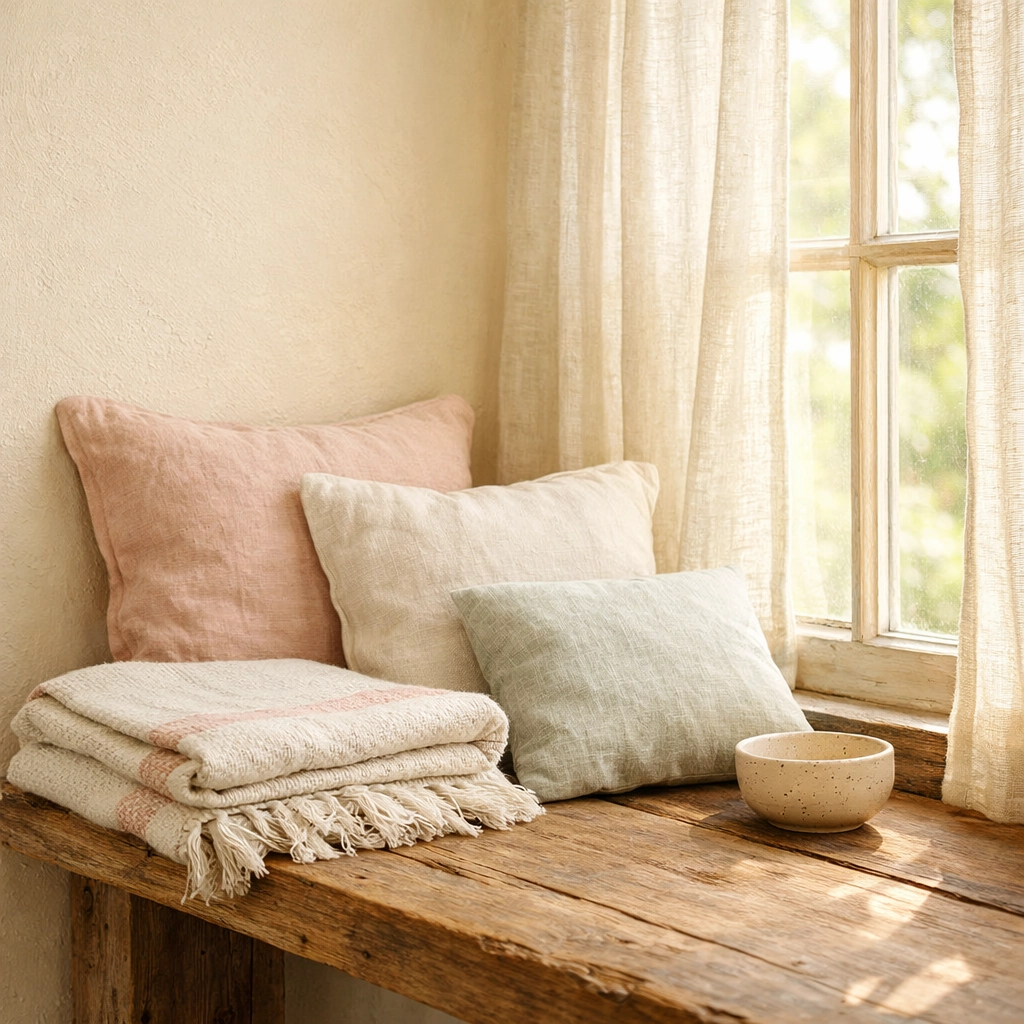
Throughout this final phase, the incorporation of handmade decorative textiles: throw pillows with hand-applied designs, woven table runners, hand-stitched quilts or coverlets in lighter spring-appropriate colors: completes the transformation by introducing softness, texture, and artisan character that mass-produced alternatives cannot replicate. These handcrafted textile elements, when selected in colors and patterns that complement the refreshed wall colors and updated window treatments, unify the various components of the spring refresh into a cohesive whole that feels intentionally curated rather than accidentally assembled.
Consider also the introduction of handmade wall art or decorative wall hangings during this phase. Woven wall pieces, handcrafted wooden signs with spring-appropriate messaging, or artisan-made metal sculptures can replace winter artwork or simply fill previously bare walls with light-reflecting surfaces and nature-inspired themes that reinforce the seasonal transformation.
Maintaining Your Spring Refresh Throughout the Season
The completion of these three framework steps does not represent a static endpoint but rather the establishment of a refreshed baseline that benefits from ongoing attention and subtle adjustments as the spring season progresses. The incorporation of fresh flowers, seasonal branches, or potted plants into existing handmade vessels allows for continual micro-refreshes that maintain visual interest without requiring additional major changes. Similarly, the rotation of smaller handcrafted decorative objects: swapping one ceramic piece for another, rotating which woven baskets appear in visible locations: keeps spaces feeling dynamic and curated throughout the season.
The spring refresh framework, when executed thoughtfully with attention to the three core phases of tidying and swapping, rearranging, and updating backgrounds, creates living environments that reflect both seasonal changes and personal aesthetic preferences. The strategic incorporation of handmade decorative elements throughout this process ensures that refreshed spaces maintain warmth, character, and the visual interest that comes from surrounding oneself with objects crafted by skilled artisans rather than manufactured through industrial processes.
🔖Tags: spring decorating, home refresh, seasonal decor, handmade home decor, artisan decorating, spring cleaning, interior design, handcrafted accessories
Leave a Comment
Your email address will not be published. Required fields are marked *
Comment*
Name*
Email*
Website