
The act of gift-giving represents one of humanity's most enduring social practices, a tradition that carries with it the weight of thoughtfulness, intentionality, and genuine connection between individuals. In an era dominated by mass-produced merchandise and algorithmic shopping recommendations, the local craft show emerges as a sanctuary for those seeking gifts that transcend the ordinary and speak to something more meaningful. Understanding how to navigate these artisan marketplaces effectively can transform your gift-giving approach entirely, enabling you to discover treasures that carry stories, craftsmanship, and authentic human connection within every carefully crafted detail.
Local craft shows, it should be noted, offer an exceptional opportunity to discover unique, handmade items while directly supporting artisans in your community. The experience of walking through rows of booths, each displaying the culmination of an artist's vision and labor, provides a shopping experience that simply cannot be replicated through digital storefronts or conventional retail environments.
Understanding the Craft Show Environment
The Distinctive Nature of Artisan Marketplaces
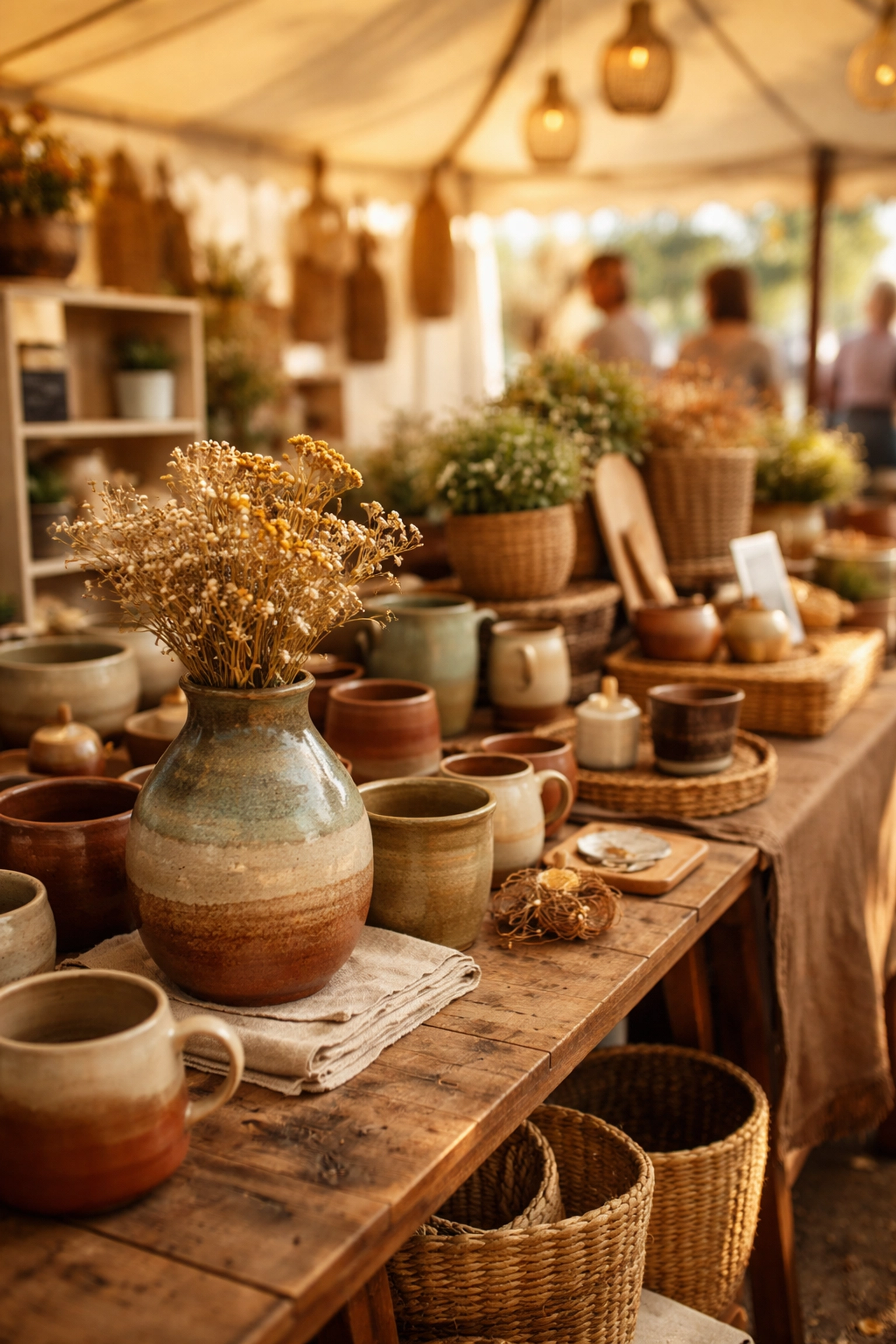
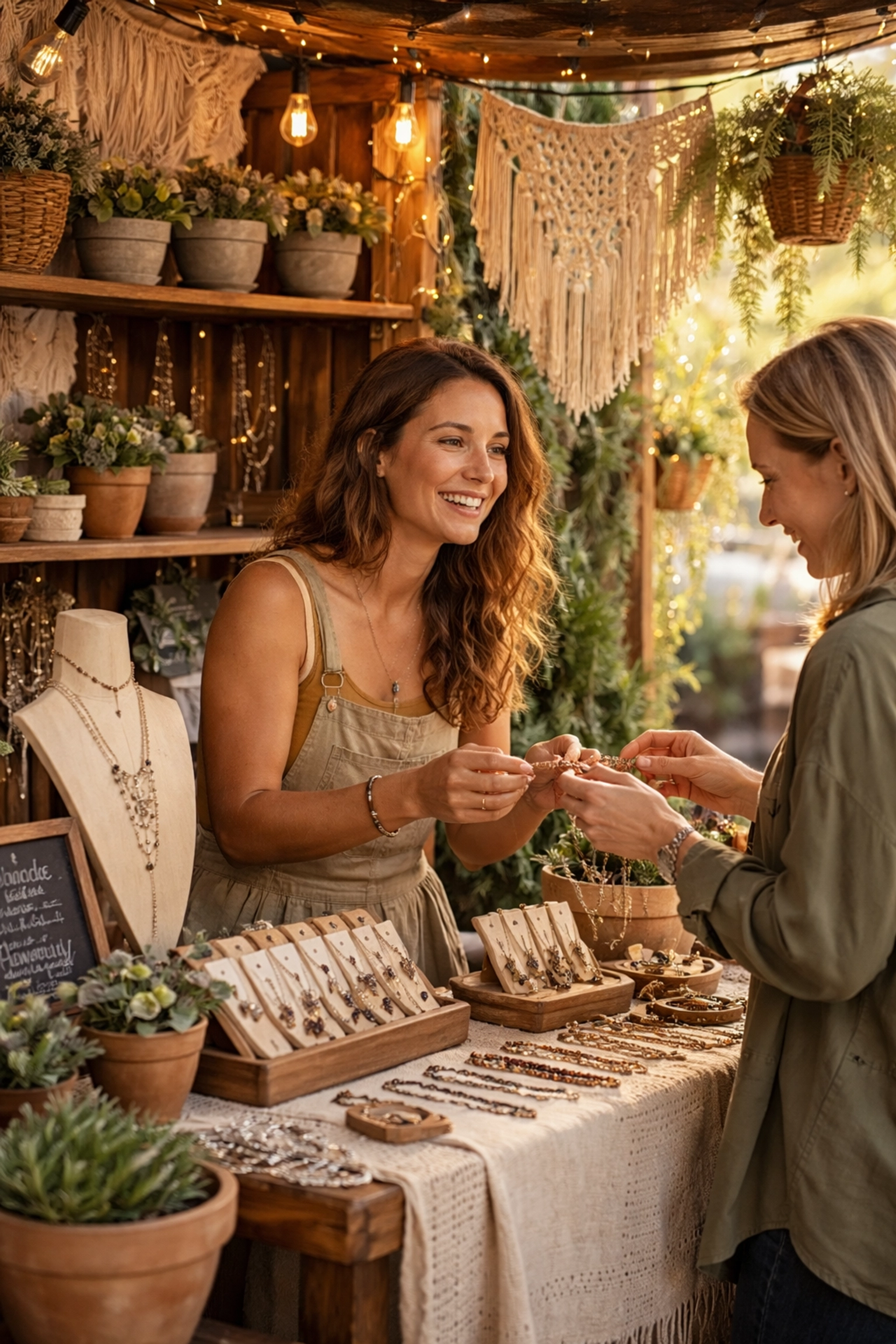
Craft shows represent a unique commercial ecosystem wherein creators and consumers interact directly, without the intermediary layers that characterize traditional retail structures. When you attend a local craft fair, you will encounter rows of booths displaying handmade items ranging from decorative home accessories to functional household goods: items you may not have realized you needed until you witnessed them in person. This direct interaction between maker and buyer creates opportunities for meaningful exchanges that extend far beyond simple transactions.
The handcrafted items found at these venues stand apart precisely because each piece is one-of-a-kind, featuring unique variations in color, texture, and form that distinguish them from their mass-produced counterparts. These subtle imperfections, rather than detracting from the item's value, actually contribute to its individuality and artistic merit. The artisan's hand is evident in every curve, every brushstroke, every carefully joined seam.
What Sets Handcrafted Gifts Apart
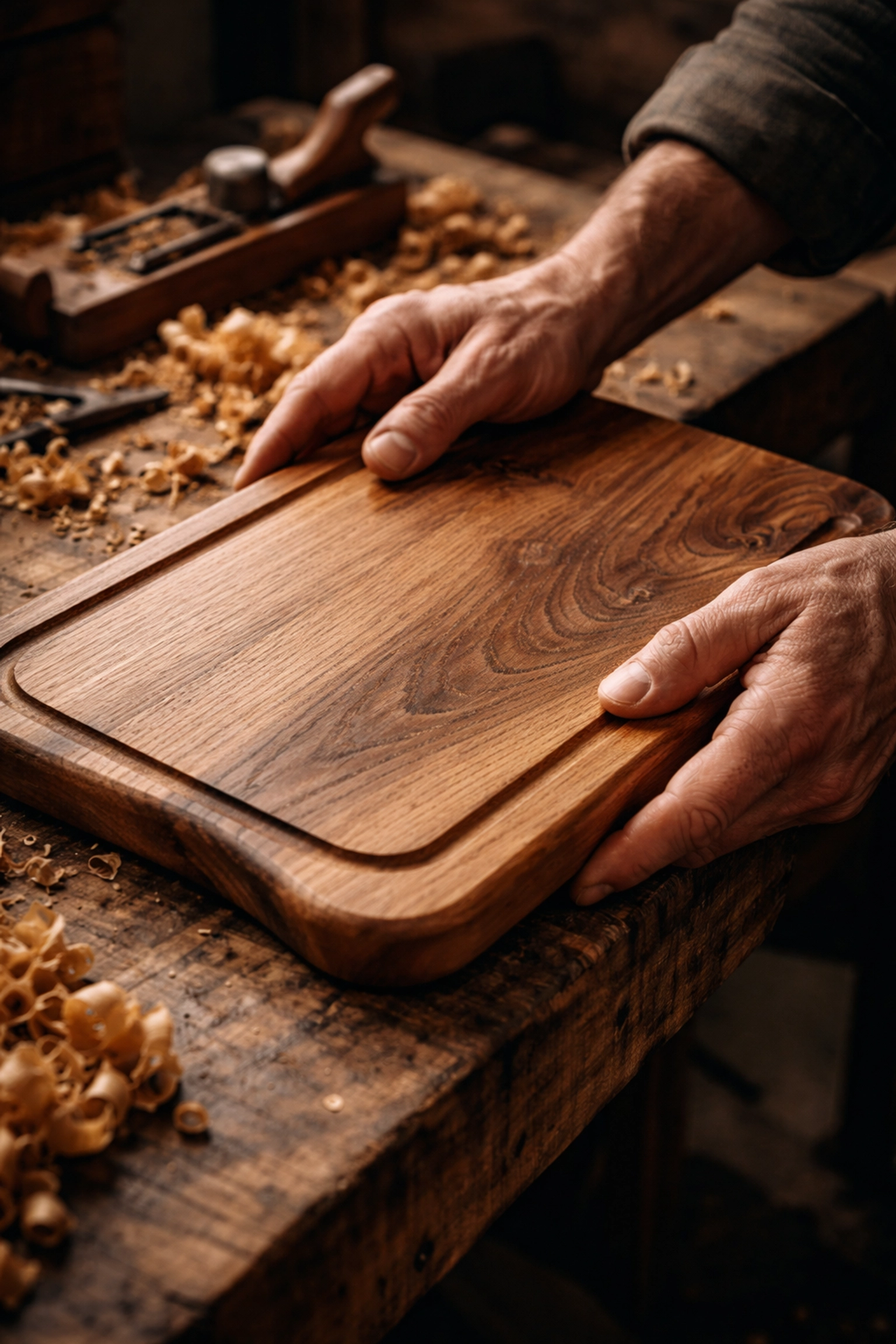
The fundamental distinction between handcrafted and mass-produced items lies in the investment of time, attention, and skill that artisans dedicate to their work. Craftspeople take considerable time to individually design, craft, and inspect each item they produce, utilizing high-quality materials selected specifically to ensure customer satisfaction and product longevity. This meticulous approach to creation means that production timelines may extend beyond what one might expect from factory-manufactured alternatives, yet the resulting quality speaks for itself.
"When you purchase something handmade, you're not just buying an object: you're acquiring a piece of someone's creative journey." - Sarah M., ceramic artist
The value proposition of handcrafted gifts, therefore, encompasses not merely the physical object but also the narrative embedded within it: the hours of practice that preceded its creation, the artistic decisions that shaped its form, and the care invested in its completion.
Strategic Preparation Before Attending
Research and Planning Considerations
Approaching a craft show without adequate preparation may result in missed opportunities or impulsive purchases that fail to serve your gift-giving objectives. Before attending any artisan marketplace, it proves beneficial to compile a comprehensive list of the individuals for whom you intend to shop, along with relevant details about their preferences, home aesthetics, and practical needs.
Consider the recipient's space with particular attention, as this consideration will guide your purchasing decisions toward items that will integrate seamlessly into their environment. Kitchen enthusiasts, for instance, might appreciate handcrafted wooden utensils, ceramic serving pieces, or decorative items that complement their culinary domain. Those who maintain home offices could benefit significantly from artisan-made wall art or organizational accessories that elevate their workspace aesthetics.

Establishing Your Budget Framework
Financial planning represents an essential component of craft show preparation, as the abundance of appealing options can easily lead to expenditures that exceed one's intended limits. Establishing a clear budget for each recipient on your list, while maintaining some flexibility for unexpected discoveries, allows you to shop with confidence and intentionality.
It bears mentioning that prioritizing quality over quantity typically yields more satisfying results in the context of handcrafted gift purchasing. A single well-made piece often creates a more lasting impression than multiple mass-produced items of lesser distinction. This principle aligns with the broader philosophy of mindful consumption that many craft show patrons embrace.
Evaluating Handcrafted Items Effectively
Assessing Quality and Craftsmanship
The ability to evaluate handcrafted items accurately requires developing an appreciation for the markers of quality craftsmanship. When examining potential purchases, observe the consistency of construction, the quality of materials employed, and the attention to detail evident in finishing touches. Items that demonstrate careful inspection by their creators will typically exhibit clean edges, secure fastenings, and thoughtful design elements throughout.
Engaging with artisans directly about their processes can provide valuable insights into the quality of their work. Craftspeople who take pride in their creations will readily discuss their techniques, material sources, and quality control measures. This transparency serves as an indicator of professional standards and genuine commitment to their craft.
Exploring Personalization Opportunities
Many artisans at craft shows welcome custom requests, offering personalization options that transform beautiful pieces into uniquely tailored gifts. These customization possibilities may include alterations to size or color, monogramming, engraving, or other modifications that align the item more closely with your recipient's preferences or circumstances.
When inquiring about personalization, be prepared to allow additional time for completion and potentially pay a modest premium for the extra labor involved. The resulting customized piece, however, will carry an enhanced significance that standard items cannot match.
Building Relationships with Artisans
The Value of Direct Engagement
Shopping at local craft shows affords opportunities for direct engagement with creators that simply do not exist in conventional retail environments. These interactions enable you to gain insight into the artisan's inspiration, techniques, and artistic philosophy: information that adds depth and meaning to your eventual purchase.
Building relationships with artisans you admire can yield long-term benefits, including advance notice of new collections, priority access for custom orders, and a deeper connection to the creative community in your region. Many gift-givers find that establishing these connections transforms craft show attendance from a simple shopping excursion into an enriching cultural experience.
At Copper & Hazel Boutique, we understand the value of these artisan relationships, which is why our collection features carefully selected handcrafted pieces that embody the same quality and intentionality you would find at the finest craft shows.
The Broader Impact of Your Purchases
Supporting Local Economies and Communities
The decision to purchase handcrafted gifts at local craft shows carries implications that extend beyond the immediate transaction. Shopping at these venues directly supports local artisans and invests money back into your community economy, creating a multiplier effect that benefits numerous stakeholders within your region.
Furthermore, handcrafted gift makers frequently employ eco-friendly practices throughout their production processes, including the use of recyclable packaging and reclaimed or repurposed materials. By supporting these artisans, you participate in a more sustainable approach to consumption that aligns with contemporary environmental consciousness.
Contributing to Cultural Preservation
Artisan crafts often represent the continuation of traditional techniques and cultural practices that might otherwise fade from contemporary life. Your support of these craftspeople contributes to the preservation and evolution of artistic traditions, ensuring that handcraft skills continue to be practiced, taught, and appreciated by future generations.
The gift you select at a craft show, therefore, carries significance that transcends its immediate function or aesthetic appeal. It represents a vote of confidence in human creativity, traditional skills, and the irreplaceable value of items made with care and intention.
Concluding Observations
The craft show environment presents gift-givers with opportunities that conventional retail simply cannot replicate. Through careful preparation, thoughtful evaluation, and meaningful engagement with artisans, you can discover gifts that speak to the unique qualities of their recipients while supporting the broader ecosystem of local creativity and craftsmanship. The investment of time and attention required to shop effectively at craft shows yields returns in the form of gifts that are remembered, cherished, and appreciated for years to come.
🔖 Tags: handcrafted gifts, local craft shows, artisan shopping, gift-giving guide, supporting local artisans, handmade decor, unique gifts
Leave a Comment
We would love to hear about your craft show experiences and discoveries. Share your thoughts below!
Name (required)
Email (required, will not be published)
Comment *