
Walking into your first craft show can feel a bit overwhelming. There are booths everywhere, each one displaying beautiful handcrafted gifts and artisan treasures that catch your eye. How do you know what's genuinely high-quality? How can you tell the difference between something made with care and something that's just cleverly marketed? Whether you're shopping for yourself or hunting for that perfect gift, understanding what to look for makes all the difference in finding pieces you'll treasure for years to come.
The world of artisan gifts and handcrafted items operates quite differently from your typical retail experience. These aren't mass-produced products that rolled off an assembly line by the thousands. Each piece represents hours of skill development, careful material selection, and the unique creative vision of an individual maker. Learning to recognize the hallmarks of quality craftsmanship helps you make informed decisions and ensures your money supports artists who truly pour their hearts into their work.
1. Research and Preview Vendors Before You Arrive
One of the most effective strategies for successful craft show shopping involves doing a bit of homework before you even step foot at the venue. Many craft shows maintain websites or social media pages that list participating vendors, and most artisans have their own online presence where they showcase their work. Taking thirty minutes to scroll through vendor lists and check out their Instagram feeds or websites gives you a strategic advantage when you arrive.
This preliminary research accomplishes several important things. First, it helps you identify which booths you absolutely must visit based on your personal taste or gift-giving needs. Second, it allows you to familiarize yourself with the artisan's price ranges, so you can budget accordingly. Third, you'll start to develop an eye for each maker's aesthetic and craftsmanship level before you're standing in front of their booth trying to make quick decisions in a crowded environment.
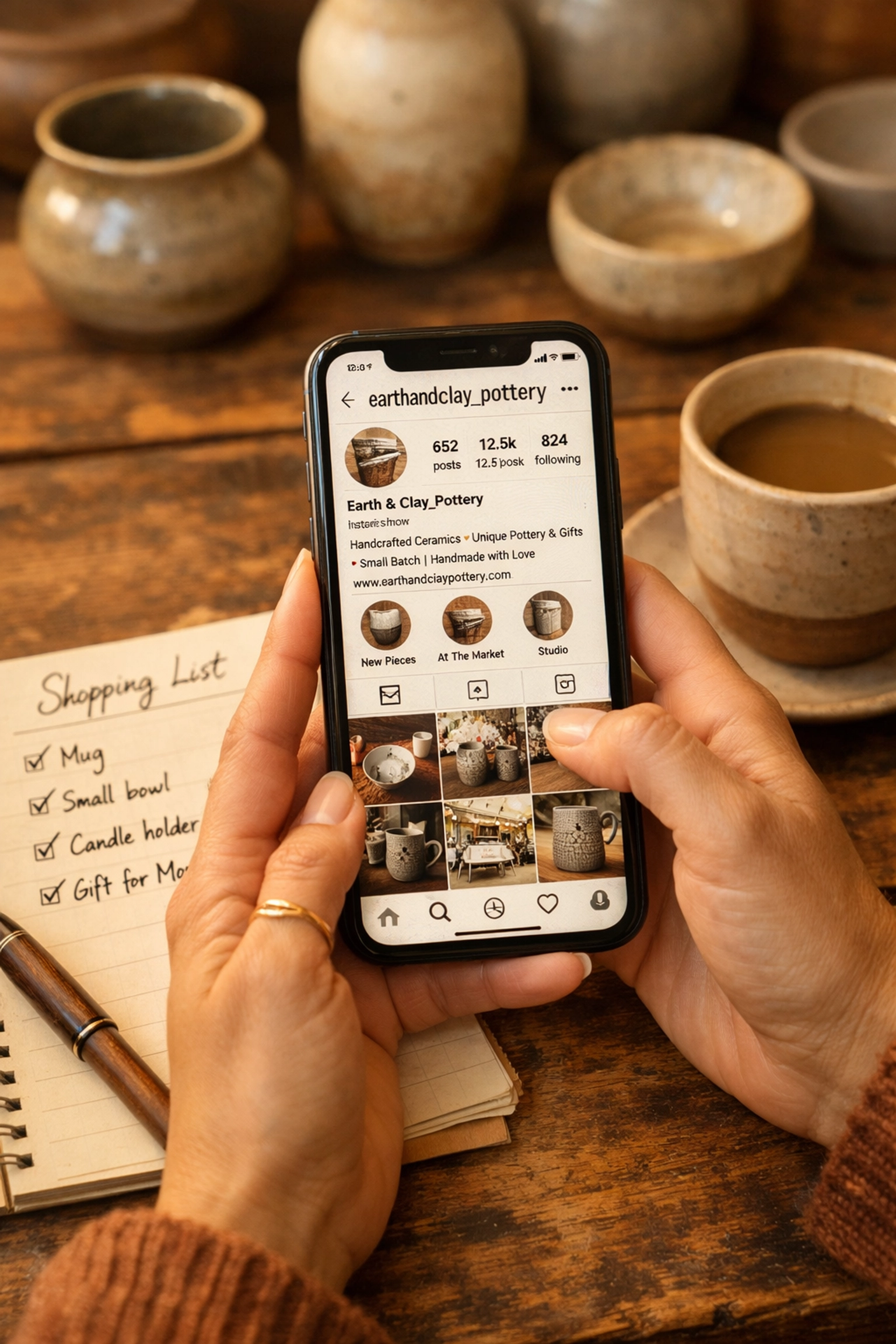
Creating a short list of priority vendors ensures you don't miss the artists whose work resonates most with you, particularly if the show is large or if time constraints mean you can't leisurely browse every single booth. This preparation transforms your shopping experience from potentially chaotic to purposeful and enjoyable.
2. Examine the Quality and Origin of Materials
When you're evaluating handcrafted gifts at a craft show, the materials used tell you volumes about the piece's quality and longevity. High-quality artisans typically use premium materials because they understand that superior inputs create superior outputs. Look closely at the components that make up each piece.
For jewelry, this means checking whether metals are sterling silver, gold-filled, or surgical steel rather than base metals that might turn your skin green or tarnish quickly. For wooden items, examine the grain and finish: quality woodworkers select beautiful hardwoods and apply multiple coats of protective finish. Textile artists working with fabrics should be using durable, colorfast materials rather than cheap synthons that pill or fade after one wash.
Don't hesitate to ask artisans about their material choices. Makers who invest in quality materials are typically proud to discuss them and will gladly explain why they chose that particular leather, that specific type of clay, or those particular beads. This conversation also gives you insight into their knowledge level and commitment to their craft.
3. Look for Consistency in Craftsmanship Details
While handmade items naturally show slight variations (which is part of their charm), you should still observe consistency in the maker's technical execution across their product line. Pick up multiple pieces from the same vendor and compare them. Do the stitches look even? Are the welds clean? Do painted surfaces show smooth, professional application?
Quality artisans have refined their techniques through practice and repetition, which shows in the evenness of their work. Seams should be straight, connections should be secure, and finishes should be smooth and complete. If one item in a booth looks immaculate but another appears rushed or sloppy, that inconsistency might indicate quality control issues.
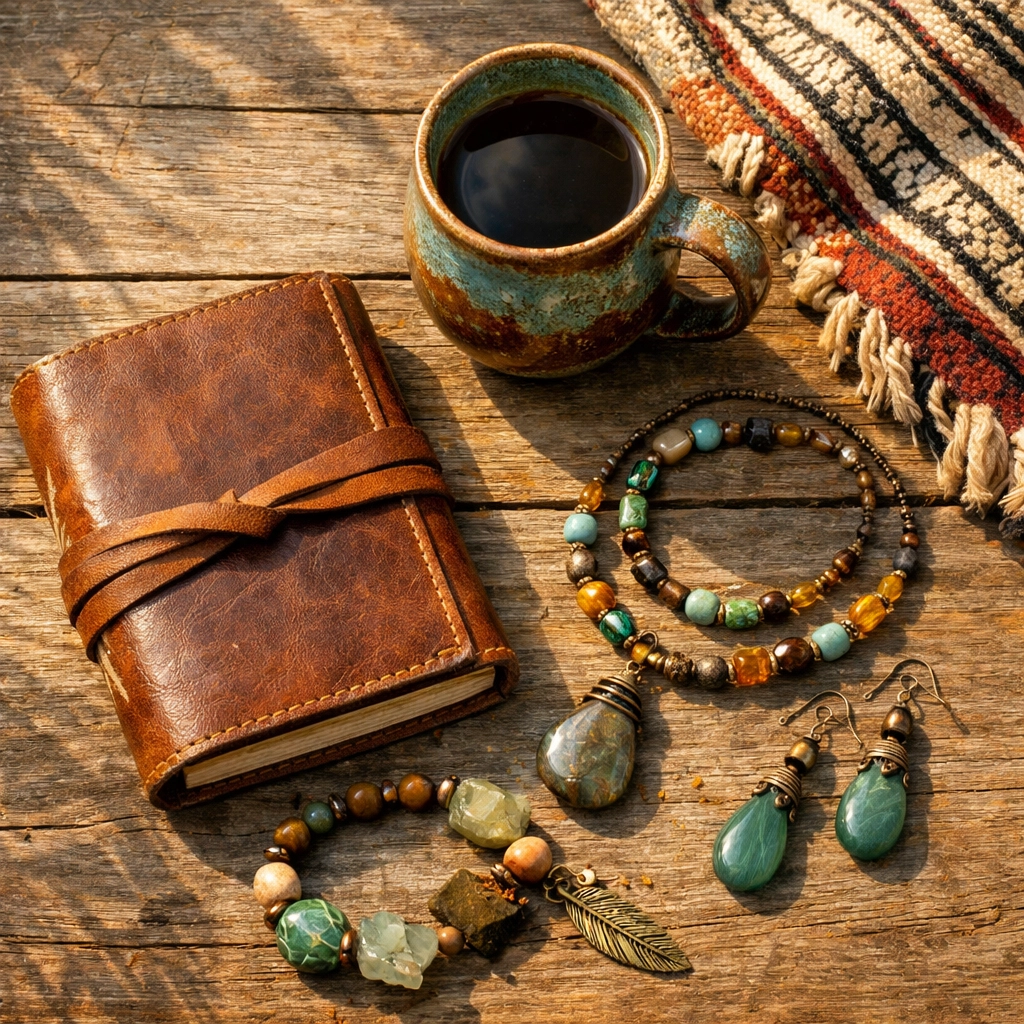
This consistency extends to design elements as well. A cohesive body of work suggests an artist who has developed a clear creative vision and the technical skills to execute it reliably. While exploring different styles is natural for artists, a booth filled with wildly disparate items might indicate someone who's still finding their voice: or worse, someone who's assembling kits rather than creating original work.
4. Verify Original Designs Versus Mass-Production
One of the most important distinctions to make at craft shows involves identifying truly handmade, original work versus items that are mass-produced elsewhere and simply resold at craft venues. Authentic artisan gifts begin with the maker's original designs and are crafted by their own hands (or with a small team they directly supervise).
Several red flags can help you spot vendors who aren't actually making what they're selling. First, an unusually large inventory of identical items suggests factory production rather than handcrafting. While successful artisans certainly produce multiples of popular designs, there are practical limits to how many truly handmade items one person can create. Second, prices that seem suspiciously low compared to similar vendors often indicate imported mass-production rather than local handcrafting.
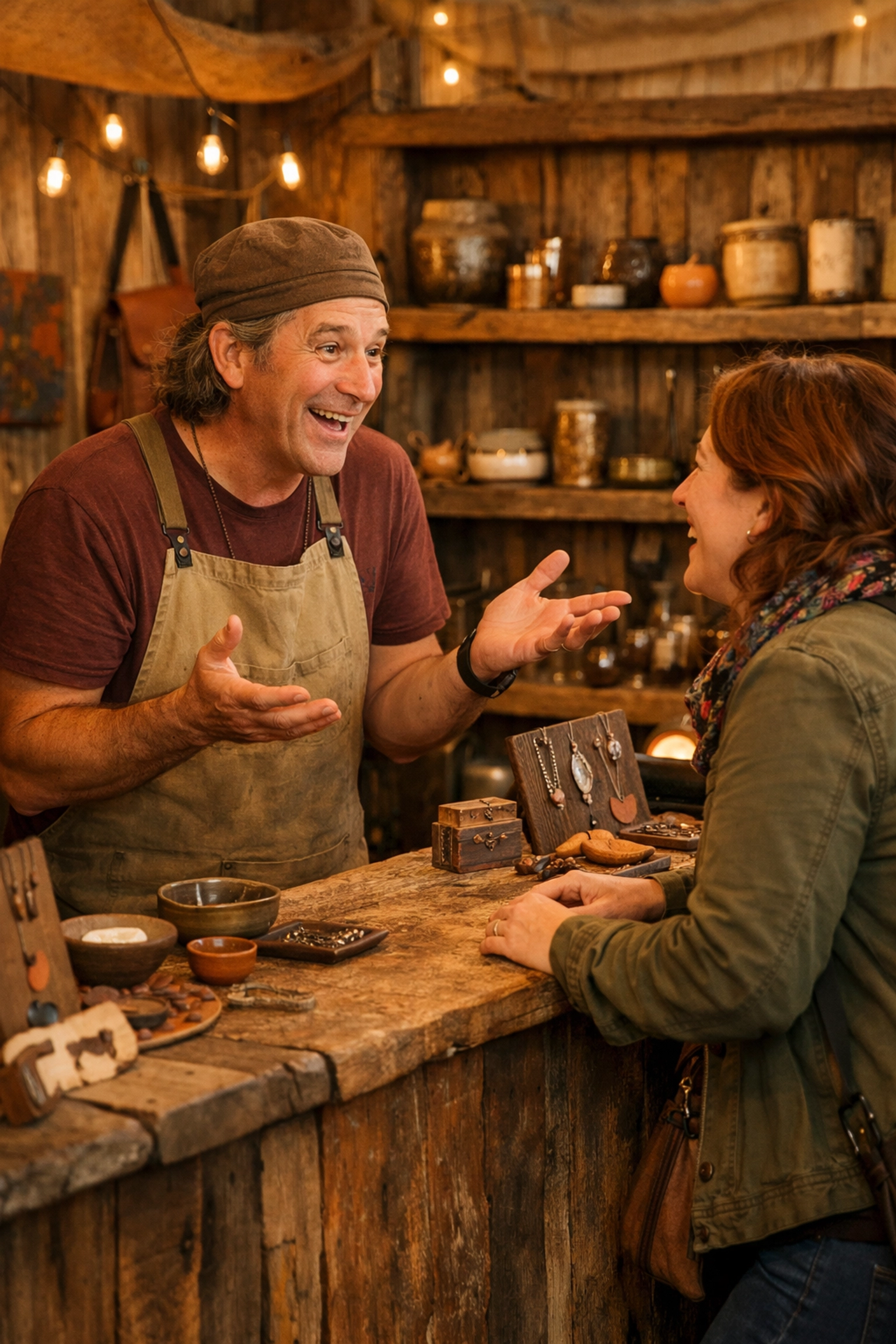
The best way to verify originality involves simply engaging the vendor in conversation about their process. Ask where they make their items, how long a particular piece takes to create, or what inspired a specific design. Genuine makers light up when discussing their craft and can provide detailed, enthusiastic answers. Those who are reselling will often provide vague responses or redirect the conversation.
5. Connect With the Artisan's Story and Creative Process
Beyond the physical qualities of the items themselves, part of what makes artisan gifts special is the human story behind them. When you purchase handcrafted gifts from an actual maker, you're buying a piece of their creative journey, their developed skills, and their artistic vision. This narrative component adds meaningful value that mass-produced alternatives simply cannot offer.
Take a moment at booths that interest you to chat with the artisan about their work. Most makers genuinely enjoy discussing what inspires them, how they got started in their craft, and the evolution of their techniques. These conversations not only help you appreciate the items more deeply but also establish a personal connection that makes your purchase more meaningful.
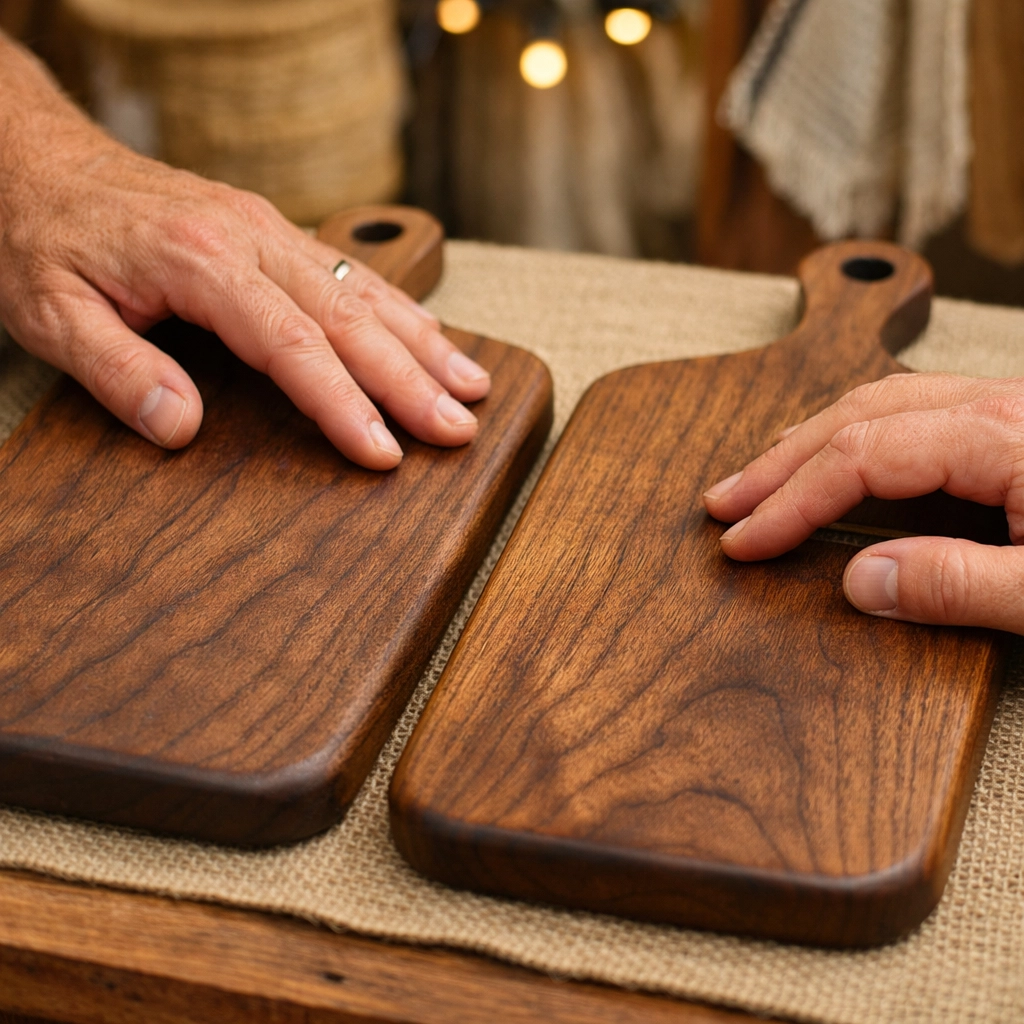
Understanding an artisan's story also helps when you're selecting gifts for others. Being able to tell the recipient, "This necklace was made by a local silversmith who learned the craft from her grandmother" or "This cutting board comes from a woodworker who sustainably harvests timber from his own property" transforms a simple object into something with depth and significance.
6. Assess Value Through Appropriate Pricing
Many craft show newcomers experience sticker shock when they first see prices on handmade items, especially if they're accustomed to mass-market retail pricing. Understanding and respecting appropriate pricing for artisan gifts represents an essential aspect of supporting the handmade movement and recognizing the true value of craftsmanship.
Quality handcrafted items cost more than their factory-made counterparts for legitimate reasons. The maker must cover material costs, the time invested in creation, years of skill development, booth fees, travel expenses, and their own reasonable compensation for skilled labor. When an artisan prices their work appropriately, they're valuing their expertise and time fairly: and attempting to negotiate or haggle undermines that value and disrespects their professionalism.
If a price seems high, consider it an indication of the quality, time, and skill invested rather than viewing it as negotiable. Artisans at reputable craft shows have carefully calculated their pricing to sustain their business while offering fair value. Items priced suspiciously low compared to similar vendors might indicate lower quality materials, less experienced craftsmanship, or even resold mass-produced goods rather than authentic handmade work.
7. Evaluate Variety and Depth Within Their Specialty
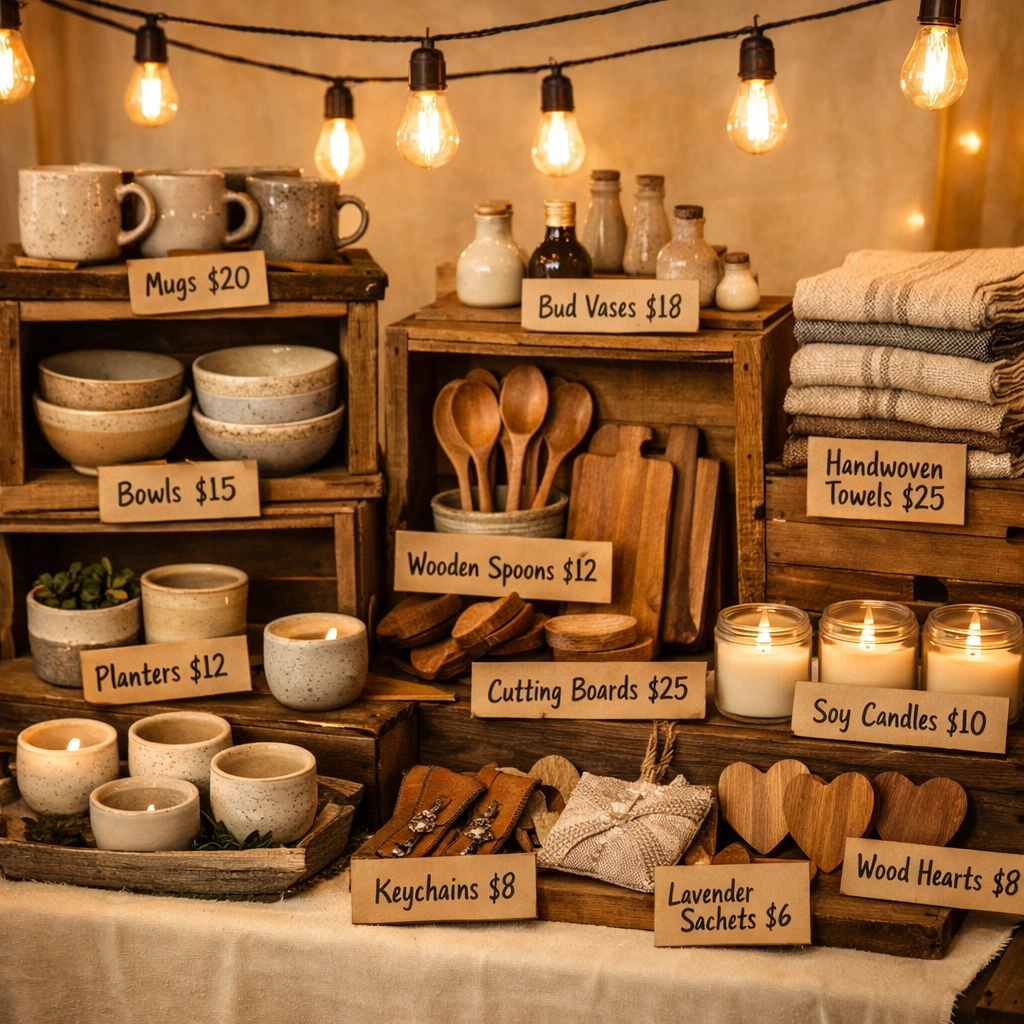
A well-established artisan typically demonstrates both depth and variety within their chosen niche. While their booth should have a cohesive aesthetic, you should also see evidence of creative exploration and multiple product offerings at different price points. This variety indicates a mature artistic practice and gives customers more options when shopping.
For example, a jewelry maker might offer everything from simple stud earrings at accessible price points to elaborate statement necklaces for special occasions. A woodworker might display small items like coasters and spoon sets alongside larger pieces like serving boards or furniture. This range shows that the artisan has developed versatility in their craft and considered various customer needs and budgets.
However, be cautious if the variety seems to span completely unrelated crafts: like a single booth selling hand-thrown pottery, metalwork jewelry, and sewn textiles. Unless the vendor clearly identifies as representing multiple artists, this diversity might indicate purchased wholesale items rather than original handmade work.
8. Notice Professional Presentation and Display
The way an artisan presents their work tells you something about their professionalism and attention to detail. Quality makers understand that presentation matters and invest in displays that showcase their items effectively while creating an inviting booth environment. Well-designed displays with proper lighting, clear pricing, and thoughtful arrangement suggest an artisan who takes their business seriously.
Professional presentation extends beyond the booth aesthetics to include elements like business cards, branded packaging, clear signage, and organized inventory. These details indicate that you're working with someone committed to their craft as a sustainable business rather than a casual hobbyist. While there's nothing wrong with supporting hobbyist crafters, professional presentation generally correlates with more refined skills and reliable quality.
Pay attention to how items are stored and displayed as well. Jewelry should be secured properly, not tangled in bins. Artwork should be matted or framed appropriately. Textiles should be clean and neatly folded or hung. These presentation choices protect the items and show respect for the work itself.
9. Check for Care Instructions and Maker Information
Quality artisans provide information that helps you maintain and care for your handcrafted purchases properly. This might come in the form of care instruction cards, tags with cleaning recommendations, or verbal guidance from the maker about how to preserve your item's beauty and functionality over time.
Before completing your purchase, ask about any specific care requirements, especially for items like leather goods, jewelry, or textiles that might need special treatment. A knowledgeable maker should readily provide detailed care instructions and answer questions about durability, storage, or maintenance. This information becomes particularly important if you're purchasing artisan gifts for others: you'll want to pass along care instructions so recipients can enjoy their items for years.
Additionally, ensure that items come with some form of maker identification, whether that's a signature, a branded tag, or a business card included with purchase. This identification serves multiple purposes: it attributes the work to its creator, provides contact information if you want to purchase more in the future, and adds authenticity to the piece.
10. Understand Policies on Custom Orders and Returns
Finally, before making significant purchases, clarify the artisan's policies regarding custom orders, repairs, and returns. Many makers offer some degree of customization: perhaps adjusting sizes, choosing different colors, or creating variations on displayed designs. Understanding what's possible helps you get exactly what you want and demonstrates the maker's flexibility and customer service approach.
Return policies for handmade items often differ from typical retail situations, and this variation is understandable given the custom nature of the work. Some artisans may accept returns on certain items within a limited timeframe, while others maintain a no-return policy due to the bespoke nature of their work. Knowing these policies upfront prevents misunderstandings and helps you make informed purchasing decisions.
For items you're buying as gifts, ask whether the maker offers gift receipts or exchanges. Many artisans are happy to accommodate gift-giving situations and will work with you to ensure the recipient is satisfied, even if standard returns aren't offered.
Supporting Artisans Through Thoughtful Shopping
Shopping at craft shows offers more than just the opportunity to find unique handcrafted gifts: it provides a direct way to support local artists and the broader maker community. When you take the time to evaluate quality, engage meaningfully with artisans, and make informed purchases, you're investing in creative entrepreneurship and helping sustain traditional and contemporary crafts in your community.
At Copper & Hazel Boutique, we understand the joy of discovering exceptional artisan gifts and the value of supporting skilled makers. Check out our upcoming shows where you can meet us in person and explore our collection of handcrafted treasures. Whether you're a seasoned craft show shopper or attending your first artisan market, these guidelines will help you navigate the experience with confidence and find pieces you'll cherish.
Remember to bring reusable bags, come prepared with a shopping list, and visit during afternoon hours when crowds thin out and you can take your time browsing. Most importantly, enjoy the experience of connecting with makers, learning about their processes, and bringing home something truly special that tells a story far beyond what any mass-produced item could offer.
🔖Tags: artisan gifts, handcrafted gifts, craft shows, shopping guide, artisan markets, handmade shopping, supporting local artists, gift buying guide