
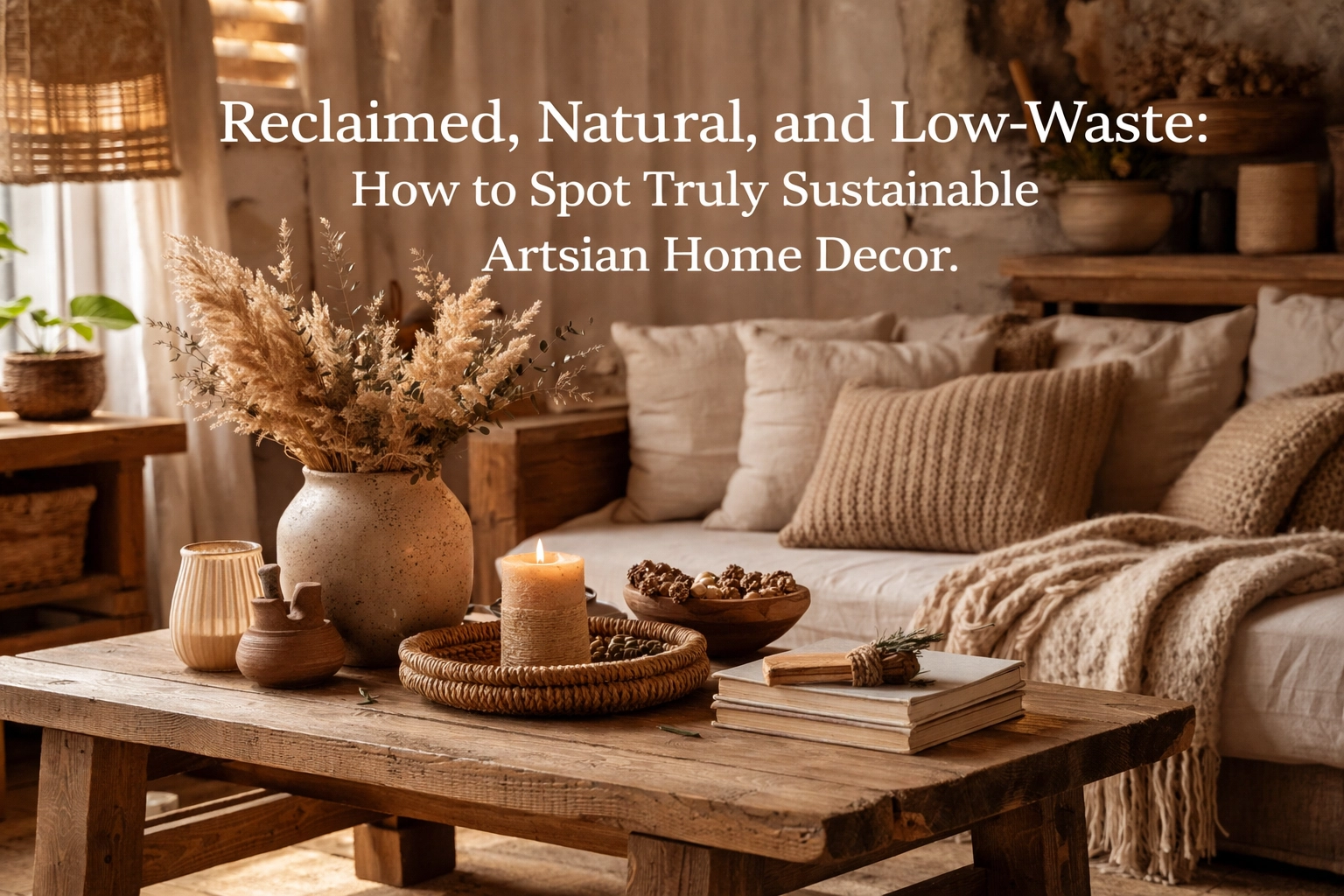

The contemporary home decor market has witnessed a substantial shift toward sustainability, with consumers increasingly seeking pieces that align with their environmental values. However, the proliferation of "green" marketing claims has made it considerably more difficult to distinguish genuinely sustainable artisan home decor from mass-produced items merely wrapped in eco-friendly language. Understanding the fundamental markers of truly sustainable craftsmanship: namely reclaimed materials, natural resources, and low-waste production methods: has become an essential skill for the conscientious decorator.
This comprehensive guide examines the specific characteristics that define authentic sustainable artisan decor, providing you with the knowledge necessary to make informed purchasing decisions that benefit both your home and the environment.
Understanding the Foundation: Materials Matter Most
The materials from which a piece of home decor is constructed represent perhaps the most fundamental indicator of its sustainability credentials. Truly sustainable artisan pieces prioritize reclaimed and renewable materials, which serve the dual purpose of reducing waste and minimizing the demand for newly extracted resources.
Reclaimed wood, for instance, constitutes one of the most recognizable sustainable materials in artisan decor. This wood: salvaged from old barns, demolished buildings, or discarded furniture: would otherwise contribute to landfill waste. When artisans incorporate reclaimed wood into new pieces, they preserve the material's inherent character (including natural weathering and unique grain patterns) while simultaneously preventing unnecessary environmental degradation.
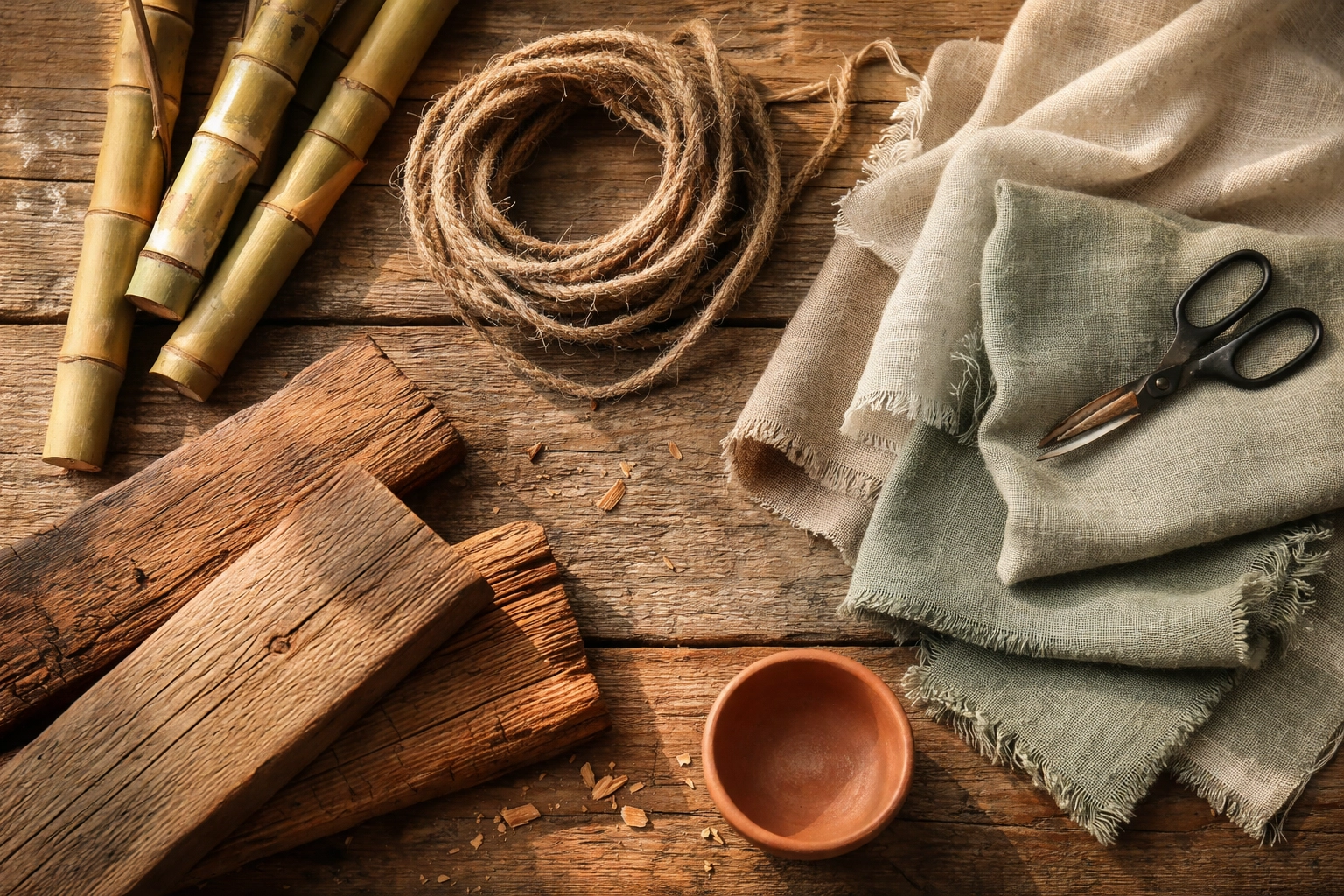
Beyond reclaimed materials, rapidly renewable resources such as bamboo and rattan have emerged as excellent sustainable alternatives. These materials regenerate quickly compared to traditional hardwoods, making them environmentally preferable choices for conscientious consumers. Additionally, sustainably sourced woods like Acacia and Mango wood: often harvested from trees that have completed their fruit-bearing lifecycle: represent thoughtful material selections that minimize ecological impact.
For textile-based decor items, natural fibers deserve particular attention. Organic linen, cotton, and silk offer biodegradable alternatives to synthetic materials, which can persist in the environment for hundreds of years. These natural fibers are not only more environmentally responsible but also typically provide superior breathability and tactile quality.
"When I began sourcing materials for my ceramic work, I realized that the clay itself tells a story. Natural, locally-sourced clay connects each piece to the earth in a way that manufactured alternatives simply cannot replicate." - Maria Chen, Ceramic Artisan
Equally important to understanding what constitutes sustainable materials is recognizing what to avoid. Pieces finished with chemical-heavy paints or synthetic sealants may undermine otherwise sustainable material choices. Seek out items that utilize natural finishes and non-toxic treatments, which preserve the material's integrity while maintaining environmental responsibility.
Production Practices: Identifying Low-Waste Craftsmanship
The manner in which an item is produced offers crucial insights into its genuine sustainability. Low-waste production practices distinguish authentic artisan work from mass-manufactured products that merely utilize sustainable materials.
Artisan pieces crafted with precision demonstrate a fundamental respect for materials that industrial production rarely achieves. Skilled craftspeople maximize each material's potential, carefully planning cuts and designs to minimize scrap and waste. This deliberate approach contrasts sharply with mass manufacturing, where efficiency metrics often prioritize speed over material conservation.
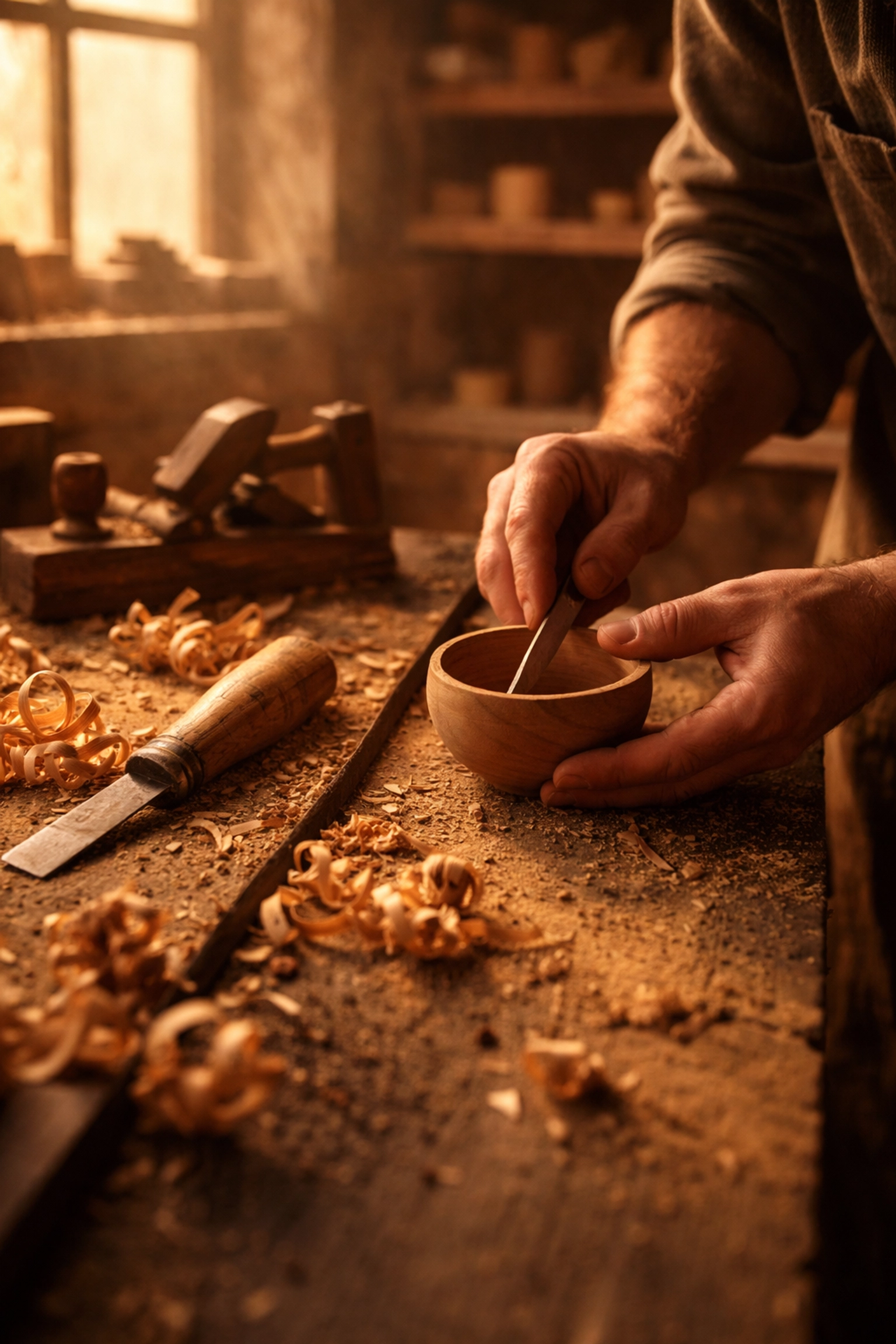
Small-batch production represents another hallmark of sustainable artisan practices. Unlike large-scale manufacturing operations, which require substantial water resources and energy-intensive machinery, artisan workshops typically employ minimal water and low-energy techniques. The slower, more deliberate pace of artisan production may result in higher per-item costs, but these costs reflect the true environmental value of sustainable craftsmanship.
When evaluating production practices, consider the following indicators of low-waste methodology:
- Intentional design planning that accounts for material dimensions and minimizes off-cuts
- Hand tools and low-energy equipment rather than industrial machinery
- Local material sourcing that reduces transportation-related emissions
- Waste repurposing programs where scraps become smaller decorative items or are composted appropriately
The distinction between artisan and industrial production extends beyond environmental considerations to encompass the very philosophy of creation. Artisan production prioritizes quality, longevity, and meaningful connection over volume and profit maximization: values that inherently support sustainable outcomes.
Transparency and Ethical Considerations
Trustworthy artisans and sustainable boutiques openly share information about their processes, creating a transparency that industrial manufacturers rarely match. This openness serves as a reliable indicator of genuine commitment to sustainability, as companies with questionable practices typically obscure rather than illuminate their methods.
When evaluating potential purchases, seek out sellers who readily provide information about:
- The specific materials used in each piece and their origins
- The production methods employed during creation
- The artisans or craftspeople responsible for the work
- Any certifications or third-party verifications of sustainability claims
This transparency indicates that the seller prioritizes fair labor practices alongside eco-friendly material sourcing. The connection between environmental sustainability and ethical production is neither incidental nor merely philosophical; rather, it reflects the interconnected nature of responsible commerce.
Supporting local artisans and traditional craftsmanship serves multiple sustainability objectives simultaneously. Local production reduces the carbon footprint associated with international shipping, while traditional techniques often embody centuries of accumulated wisdom regarding sustainable material use. Furthermore, purchasing from local artisans helps preserve cultural heritage and craft traditions that might otherwise disappear in the face of industrial competition.
At Copper & Hazel Boutique, we maintain relationships with artisans whose practices align with these transparency standards, ensuring that each piece in our collection meets rigorous sustainability criteria.
Quality and Durability: The Long-Term Sustainability Equation
Perhaps the most overlooked aspect of sustainable home decor involves the longevity of the pieces themselves. Items crafted to last generations rather than seasons represent the most profoundly sustainable choice, regardless of their material composition. A well-made piece that endures for decades creates far less environmental impact than a "sustainable" item that requires replacement every few years.

Handcrafted items with timeless designs maintain their aesthetic value and structural integrity over extended periods, reducing the need for frequent replacements and the associated consumption of new resources. This durability factor transforms the initial investment in quality artisan pieces into long-term environmental savings.
When assessing quality and durability, examine the following characteristics:
- Joint construction that utilizes traditional joinery methods rather than adhesives or fasteners
- Finish quality that protects the material while allowing for refinishing if needed
- Design timelessness that transcends temporary trends
- Material density and weight appropriate to the item's intended function
The relationship between quality craftsmanship and sustainability creates a virtuous cycle: pieces made with care tend to be loved and preserved, while mass-produced items often end up discarded when fashions change or construction fails.
Applying This Knowledge to Your Shopping Decisions
Armed with an understanding of sustainable materials, low-waste production, transparency, and quality craftsmanship, you can approach home decor shopping with greater confidence and discernment. The process of identifying truly sustainable artisan pieces requires attention and inquiry, but the rewards: both environmental and aesthetic: justify the effort.
Begin by asking questions before purchasing. Reputable sellers welcome inquiries about materials, production methods, and artisan relationships. Hesitation or vague responses may indicate that sustainability claims lack substance.
Examine pieces carefully for signs of handcraftsmanship, including slight variations in pattern, tool marks, and natural material irregularities. These "imperfections" actually signal authentic artisan production and distinguish handmade items from machine-manufactured products.
For additional guidance on selecting meaningful, quality pieces, our previous post on how to choose the perfect handmade gift offers complementary insights applicable to home decor selection.
Consider the full lifecycle of each potential purchase. A slightly higher initial investment in genuinely sustainable artisan decor typically proves economical over time, as quality pieces avoid the replacement costs associated with inferior alternatives.
The movement toward sustainable artisan home decor represents more than a passing trend; it reflects a fundamental reconsideration of our relationship with material goods and the environment. By developing the ability to identify truly sustainable pieces, you contribute to this important shift while creating a home filled with meaningful, responsibly-made objects that tell authentic stories.
🔖 Tags: sustainable home decor, artisan craftsmanship, reclaimed materials, eco-friendly living, handmade decor, low-waste production, ethical shopping, natural materials
Leave a Comment
We would appreciate hearing about your experiences with sustainable artisan decor. What markers do you look for when shopping?
Name (required)
Email (required, will not be published)
Comment