
The Paradigmatic Shift in Interior Design Philosophies
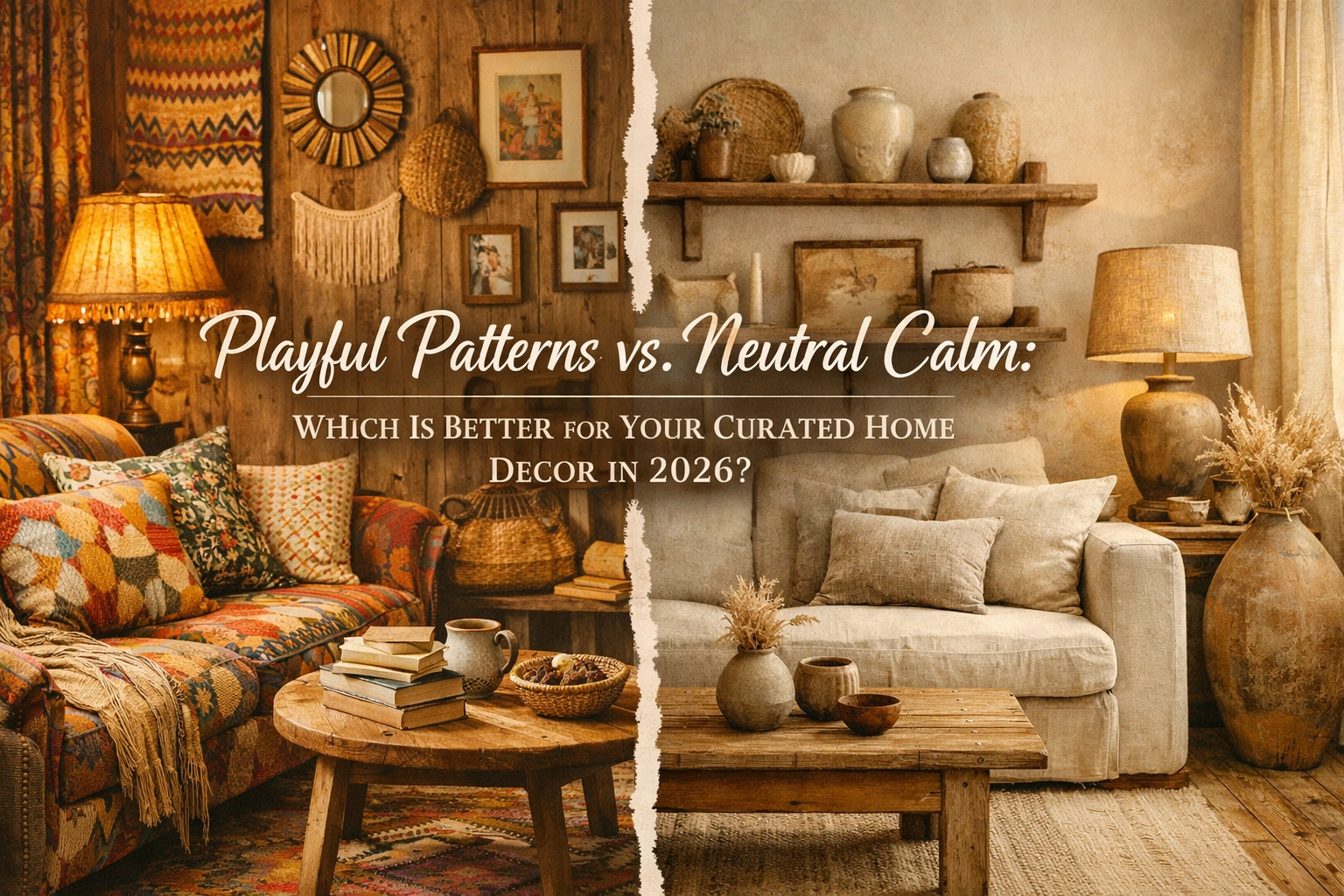
As we progress through the year 2026, the landscape of interior design is undergoing a significant and palpable transformation, characterized by a departure from the monochromatic restraint of previous decades toward a more expressive, pattern-oriented aesthetic. For several years, the concept of "neutral calm" dominated the residential sector, providing a safe, if somewhat sterile, foundation for home styling. However, current trends indicate that this era of "safe" design is being replaced by a more robust and personalized approach to curated home decor. The fundamental question facing homeowners and collectors of handcrafted gifts today is whether to remain within the soothing confines of a neutral palette or to embrace the burgeoning vitality of playful patterns.
This shift is not merely aesthetic but is deeply rooted in a psychological desire for individuality and environmental storytelling. The pursuit of curated home decor in 2026 is increasingly viewed as a method of communicating identity through physical space. While the neutral aesthetic offered a sense of order and minimalism, the contemporary movement toward maximalism and joy suggests that homeowners are no longer satisfied with anonymity. Instead, they are seeking to populate their living environments with objects and textures that resonate on a personal level, often prioritizing unique handcrafted gifts that offer both narrative and visual interest.
The Rise of Maximalism and the "Funhaus" Aesthetic
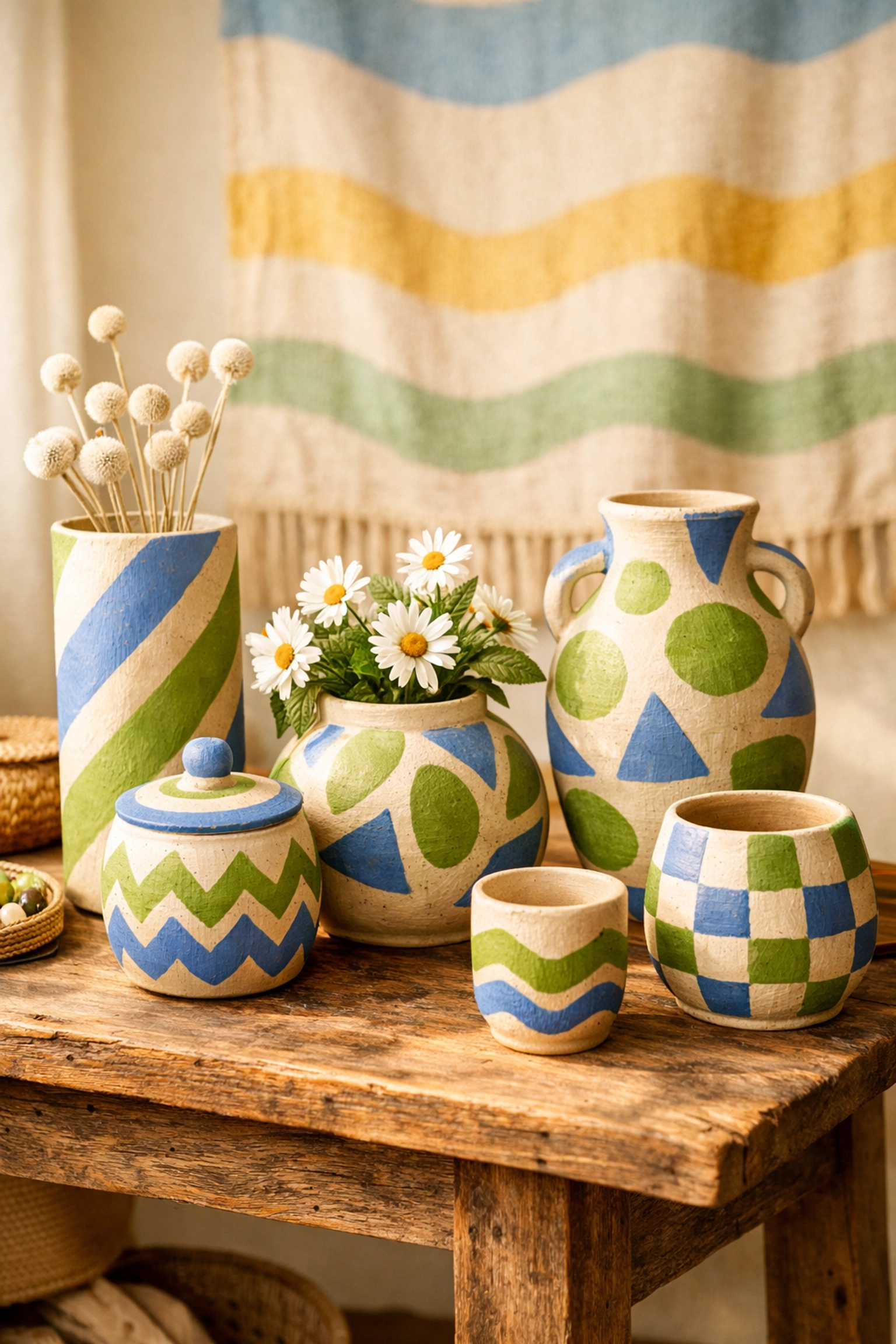
The emergence of the "Funhaus" trend is perhaps the most striking indicator of the shift toward playful patterns in 2026. This aesthetic movement is defined by its use of candy-colored palettes, whimsical stripes, and a deliberate rejection of traditional color theory in favor of exuberant expression. Within this framework, color is no longer treated as a secondary consideration but functions as a primary architectural element. The application of bold hues and repetitive motifs allows a space to feel energized and dynamic, creating a curated home decor environment that is inherently optimistic.
In the context of the Funhaus aesthetic, the integration of handcrafted gifts becomes essential. Because this style relies on uniqueness and character, mass-produced items often fail to provide the necessary depth. Handcrafted items, by their very nature, possess slight variations and artisan details that complement the whimsical nature of playful patterns. Whether it is a hand-painted ceramic piece or a textile with intricate embroidery, these objects serve as focal points that anchor the more exuberant elements of the room.
Deciphering the Pattern-on-Pattern Phenomenon
A cornerstone of the 2026 design landscape is the sophisticated layering of patterns, a technique often referred to as "pattern-on-pattern." This approach involves the strategic placement of various motifs: such as florals, geometrics, and stripes: within the same visual field. The objective is to create a "collected look" that feels as though it has evolved organically over time, rather than appearing as a pre-packaged showroom set. Achieving this balance requires a nuanced understanding of scale and color coordination, where one "hero" pattern leads the composition while softer, supporting patterns provide a sense of cohesion.
The layering of patterns is particularly effective when applied to textiles, such as upholstery, drapery, and decorative throw pillows. By incorporating handcrafted gifts in the form of artisanal textiles, homeowners can introduce textures that are both tactile and visually complex. This method of curated home decor emphasizes the "curated" aspect, suggesting that each element has been chosen with intentionality. The repetitive use of specific colors across different patterns can help to unify a room, preventing the maximalist approach from feeling chaotic or unorganized.
The Psychological Limitations of the Neutral Aesthetic
To understand the current preference for playful patterns, one must analyze the decline of the neutral calm aesthetic that dominated the 2010s and early 2020s. While neutrals: such as beige, grey, and off-white: were prized for their versatility and supposed timelessness, they have increasingly been criticized for being "cold" or "impersonal." In a world that is becoming more digital and standardized, there is a growing yearning for the organic and the expressive. The neutral palette, while providing a sense of calm, often lacks the capacity to convey the complex personality of the inhabitant.
The transition from neutrality to expression represents a deliberate departure from the "safe" design choices of the past. As we move further into 2026, the consensus among design scholars is that spaces communicating a clear identity are far more valuable than those that merely adhere to a minimalist standard. This is where the importance of curated home decor becomes most evident. By moving away from neutral constraints, individuals are free to explore how different colors and patterns affect their mood and daily experience. The inclusion of unique handcrafted gifts allows for a break in the visual monotony of a neutral space, providing much-needed points of interest.
Whimsical Details and the Return of Traditional Craft
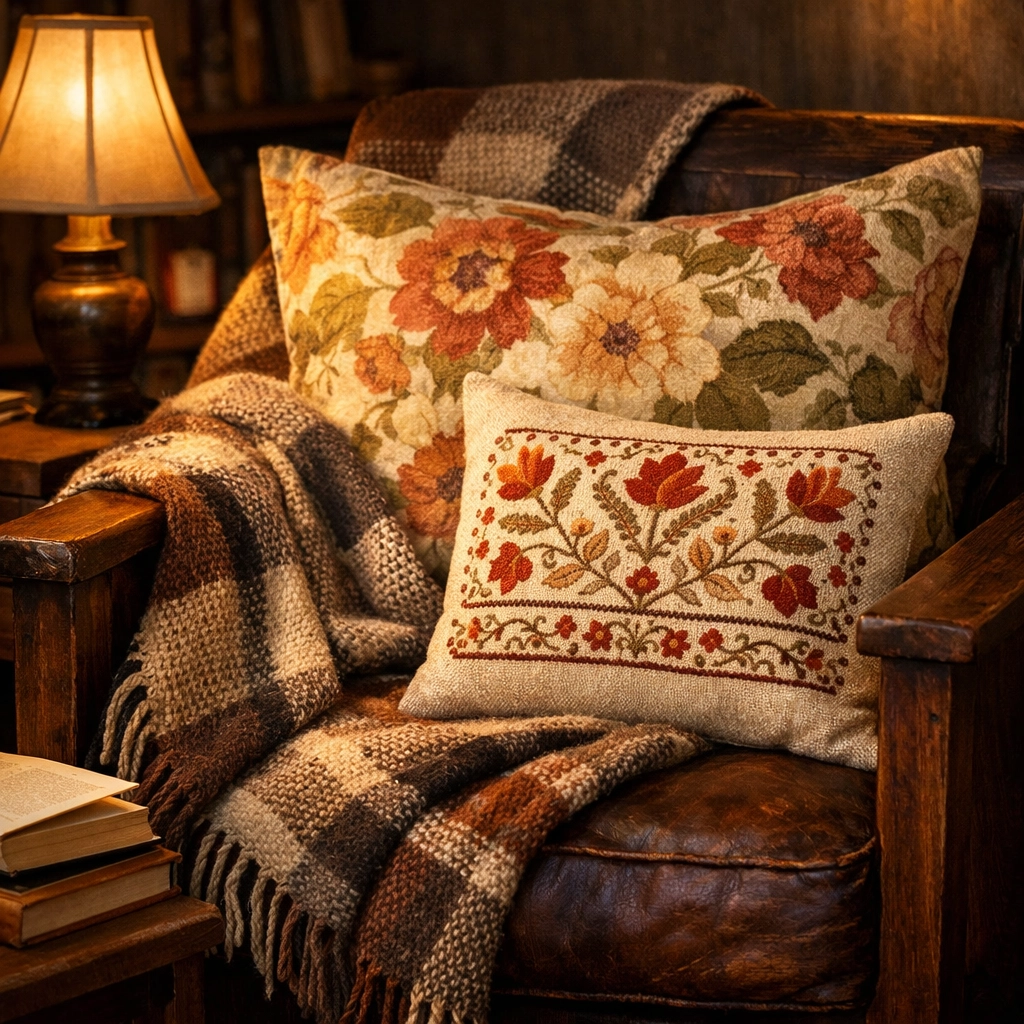
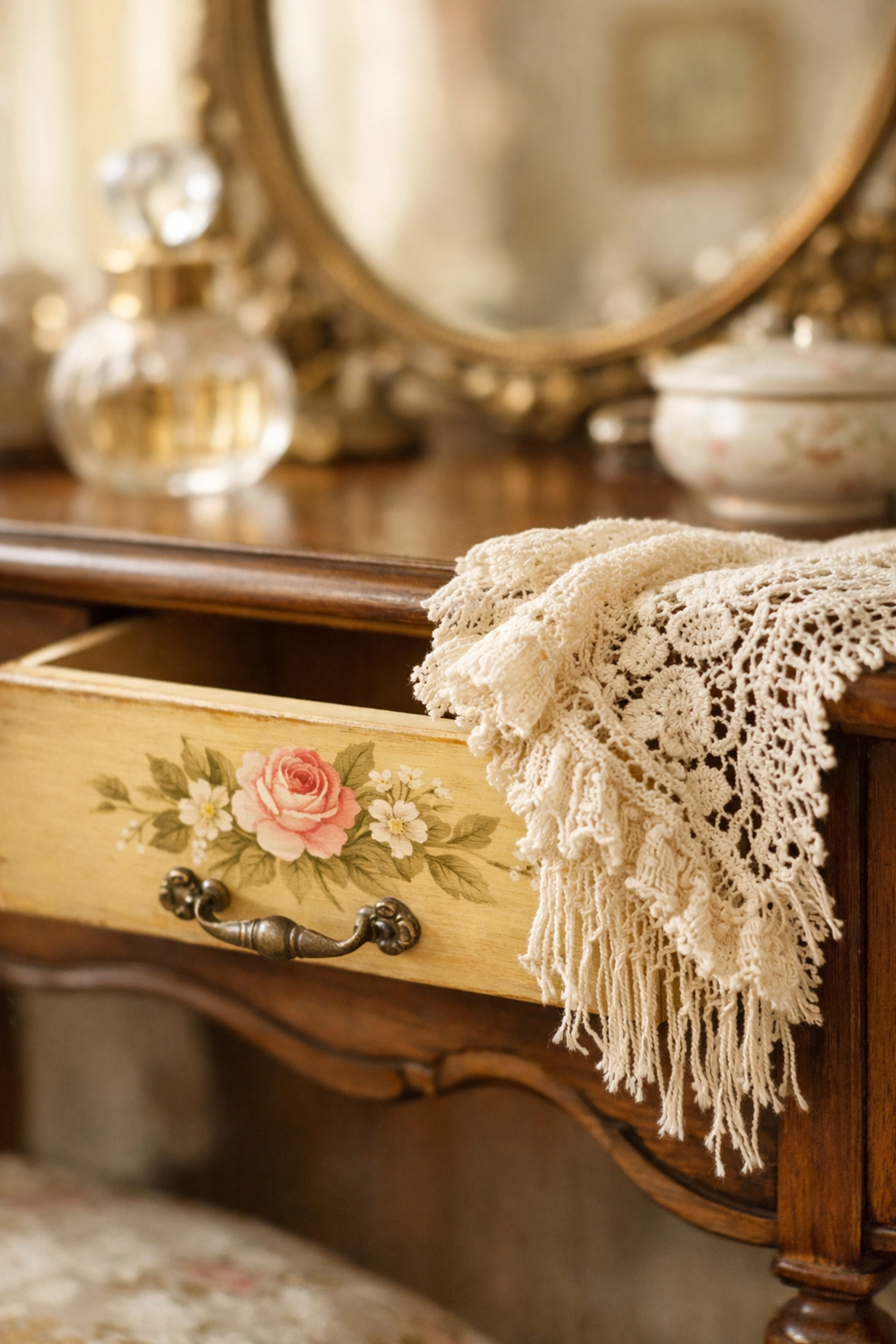
The 2026 aesthetic is further characterized by an appreciation for whimsical details that evoke a sense of nostalgia and craftsmanship. Design elements such as ruffles, pleats, and fringe are being integrated into modern interiors to add a layer of softness and intricacy. Furthermore, the return of lace and doilies: trends identified by major trend-forecasting platforms: signifies a move toward a "new traditionalism" where heritage crafts are recontextualized for a contemporary audience. These details provide a tactile quality that neutral, flat surfaces cannot replicate.
Hand-painted details on furniture and inventive paint applications are also central to this movement. This focus on the "handmade" aligns perfectly with the mission of Copper & Hazel Boutique, where the emphasis is placed on the quality and soul of the object. Curated home decor that incorporates these whimsical elements often feels more "lived-in" and comfortable, bridging the gap between high design and domestic warmth. The presence of unique items within a room serves as a constant reminder of the human hand involved in the creation of one’s environment.
The "Hollywood Cottage" Aesthetic: A Balanced Alternative
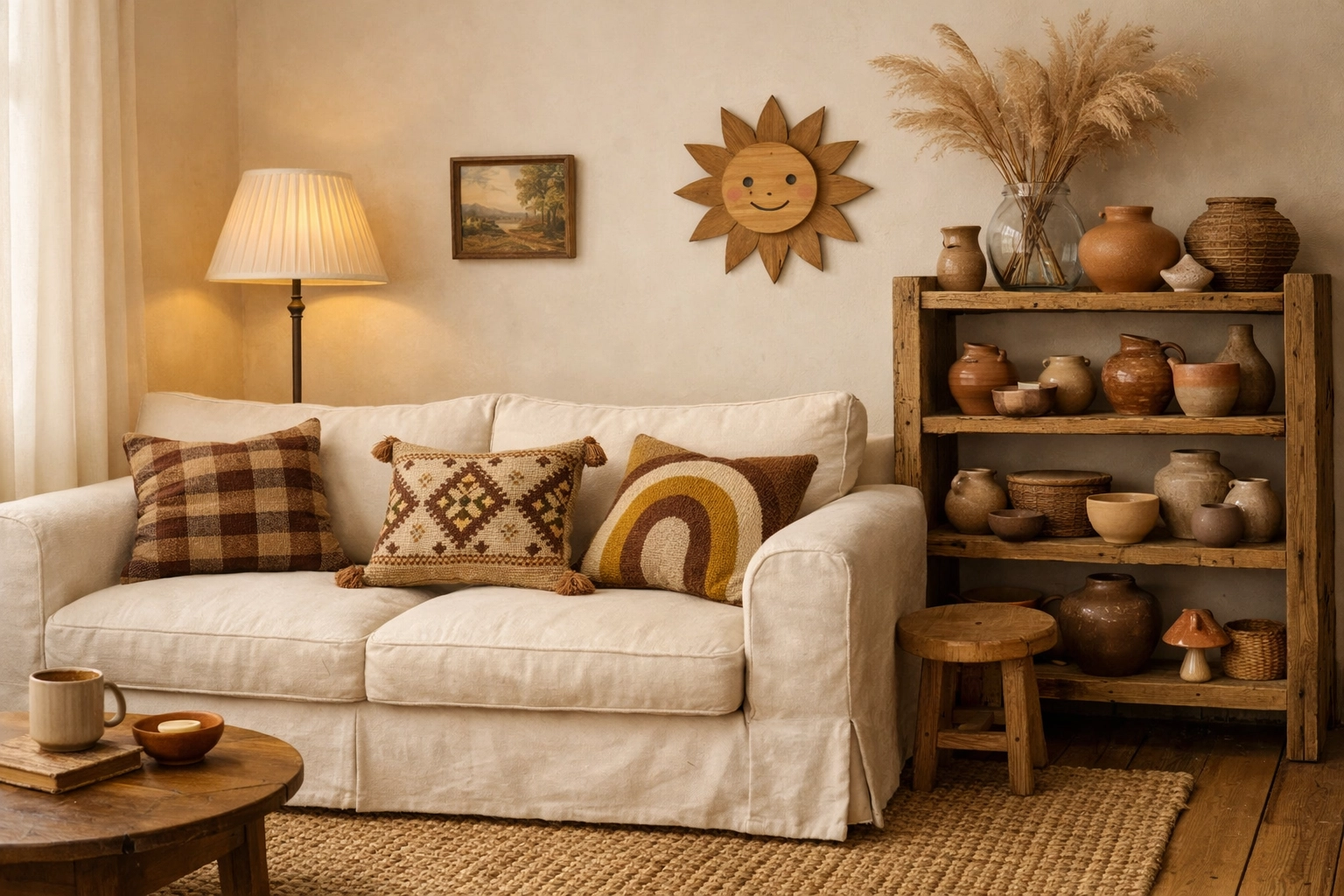
For those who find the transition to full maximalism daunting, the "Hollywood Cottage" aesthetic offers a viable middle ground. This style masterfully balances the principles of neutral calm with the energy of playful patterns. It typically utilizes a foundation of warm neutrals: such as cream or sand: and layers them with seagrass rugs, slipcovered sofas, and vintage-inspired florals. The result is a space that feels curated and elegant, yet totally accessible and comfortable.
The Hollywood Cottage approach demonstrates that personality and comfort are not mutually exclusive with intentional curation. It allows for the inclusion of handcrafted gifts and artisan accents without overwhelming the senses. In this model, patterns are used more sparingly, perhaps restricted to a single accent wall or a collection of vintage textiles, while the overall atmosphere remains grounded in a neutral palette. This hybrid style is particularly effective for those who appreciate the longevity of neutral decor but wish to participate in the 2026 trend toward increased individuality.
Technical Considerations for Curating Your Space
When engaging in the process of curated home decor, there are several technical factors to consider. First, the lighting of a room will significantly impact how patterns and colors are perceived. Natural light tends to enhance the vibrancy of playful patterns, while artificial light can sometimes flatten the appearance of complex textures. Second, the scale of the patterns should be varied to create visual depth; combining a large-scale floral with a small-scale geometric print is a classic technique for achieving a balanced look.
Furthermore, the longevity of handcrafted gifts should be a primary consideration. Unlike mass-produced decor, which may go out of style quickly, high-quality handcrafted items often possess a timeless quality that allows them to transition between different design phases. Whether one’s preference leans toward the bold expressions of the Funhaus trend or the refined layering of the Hollywood Cottage aesthetic, the focus should remain on the quality and authenticity of the pieces chosen. For more information on how to select these items, one might visit our specialities page to understand the craftsmanship behind our offerings.
Conclusion: Embracing the Future of Personal Expression
In conclusion, the year 2026 marks a definitive shift in the world of interior design, moving away from the "neutral calm" of the past decade and toward a future defined by playful patterns and maximalist joy. Whether through the exuberant use of color in the Funhaus aesthetic or the curated complexity of the pattern-on-pattern movement, the focus is squarely on personal expression and the communication of identity. Curated home decor is no longer about following a set of rigid rules but about creating a space that feels authentic to the individual.
By incorporating handcrafted gifts and artisan decor, homeowners can ensure that their spaces remain unique and meaningful. As the cold neutral palettes of the 2010s continue to fade, the warmth and vitality of patterns offer a new way to experience the home. Whether you are ready to embrace a bold new look or prefer the balanced approach of the Hollywood Cottage, the most important element is that your home reflects who you are. We invite you to explore our collection at the Copper & Hazel Boutique shop to find the perfect pieces for your own curated journey.
- Jane Doe, Senior Design Consultant
🔖Tags: #CuratedHomeDecor #HandcraftedGifts #2026DesignTrends #InteriorDesign #Maximalism #HomeAesthetics #CopperAndHazel
Leave a Reply
Your email address will not be published. Required fields are marked *
**Comment *** [ ]
**Name * ** [ ]
**Email * ** [ ]
**Website ** [ ]
[Post Comment]