
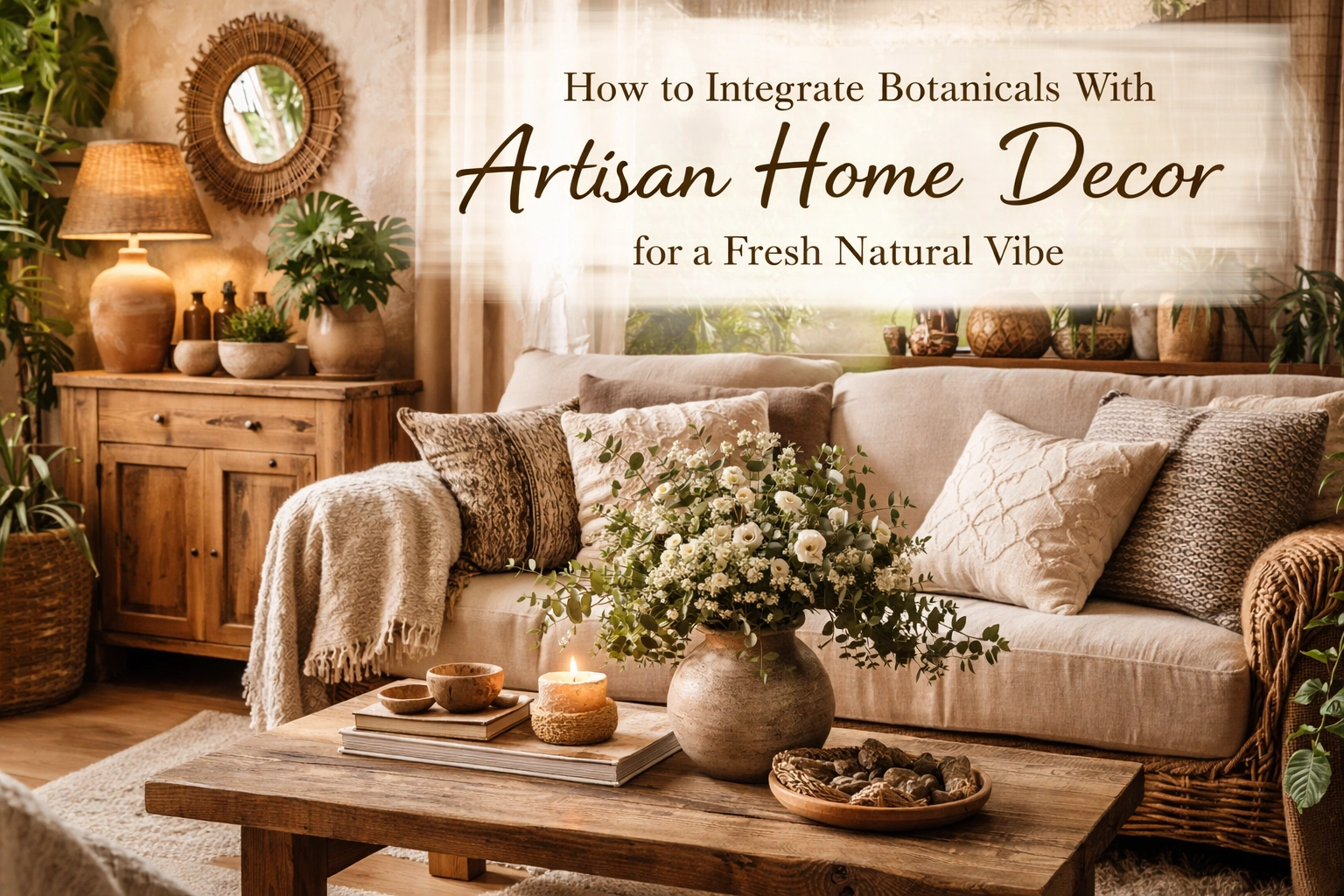

The integration of botanical elements with artisan home decor represents one of the most enduring and aesthetically pleasing approaches to interior design that contemporary homeowners can pursue. This particular design philosophy, which combines the organic beauty of plant life with the authentic character of handcrafted objects, creates spaces that feel simultaneously grounded in nature and enriched by human creativity. The fundamental principle underlying this approach is relatively straightforward: when natural materials and living greenery coexist with thoughtfully crafted decorative pieces, the resulting environment communicates warmth, intentionality, and a genuine connection to the natural world.
Understanding how to successfully merge these two design elements requires both an appreciation for the inherent qualities of botanical specimens and a discerning eye for artisan craftsmanship. The following guide provides a comprehensive examination of the techniques, materials, and strategic considerations that will enable you to achieve a fresh natural vibe throughout your living spaces.
The Foundation: Understanding Natural Material Compatibility
Before introducing botanical elements into any space, it is essential to establish a foundation of natural materials that will serve as the backdrop for your greenery. Artisan materials such as wood, rattan, jute, and bamboo possess an inherent compatibility with botanical aesthetics, as these substances share common origins in the natural world. This shared provenance creates visual harmony that synthetic materials simply cannot replicate with the same degree of authenticity.
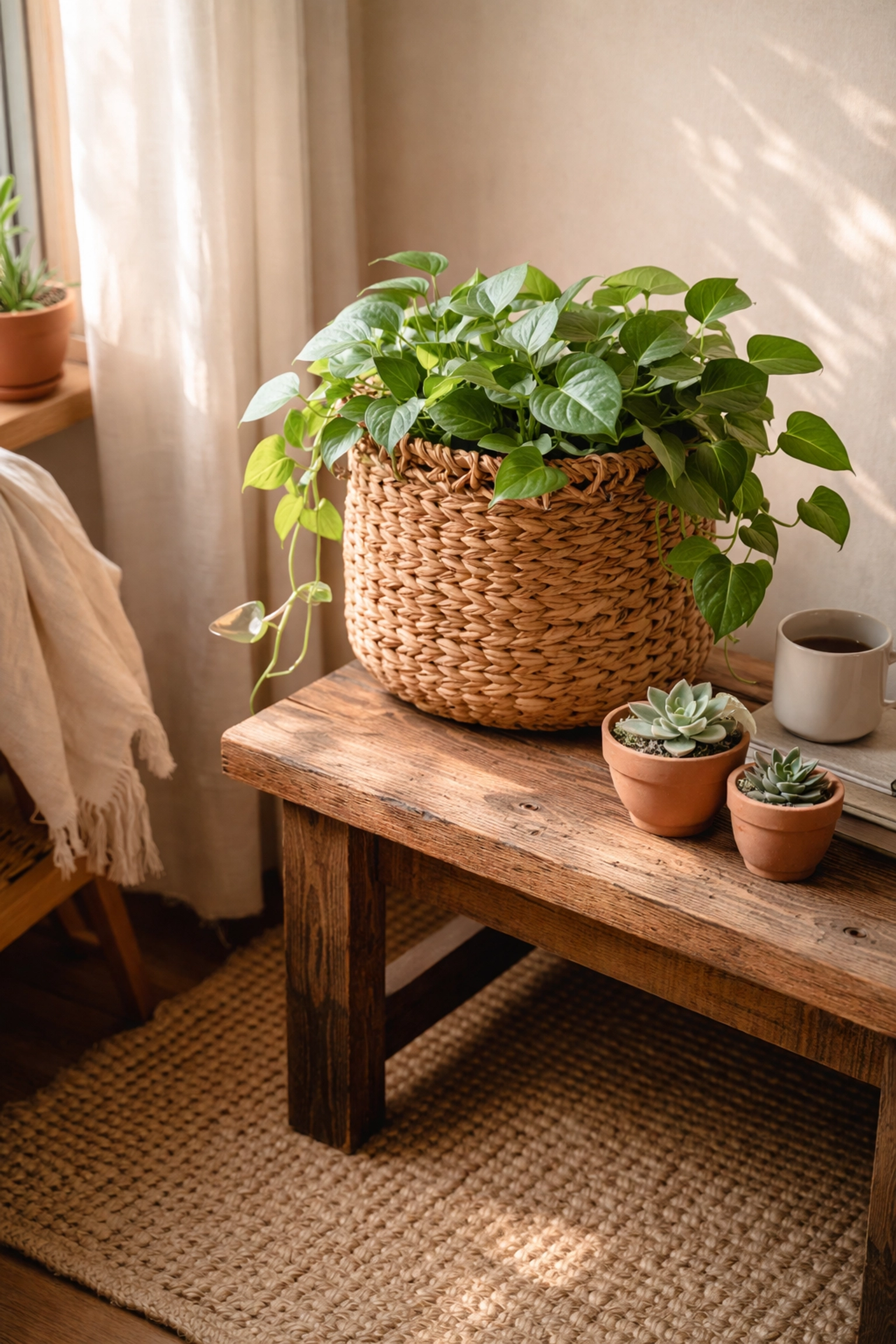
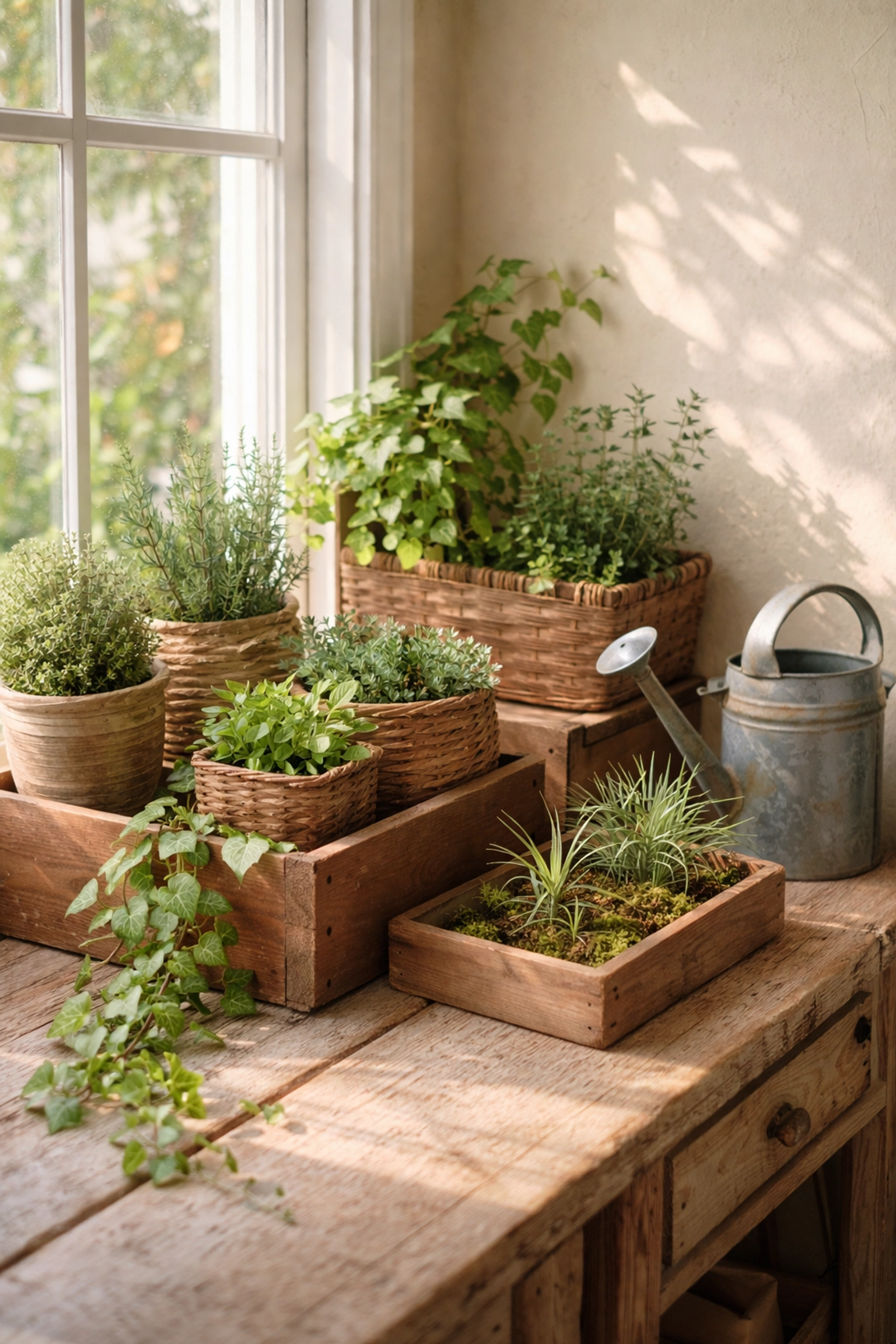
The strategic placement of woven baskets, wooden side tables, and jute rugs throughout a room establishes what designers often refer to as the "material language" of a space. When this material language speaks predominantly in natural tones and textures, the subsequent addition of plants feels like a natural extension rather than an afterthought. Consider, for instance, how a handcrafted green basket can serve dual purposes: functioning as both a decorative artisan piece and a stylish container for trailing pothos or small ferns.
Layering Live and Decorative Botanical Elements
The most successful botanical-artisan interiors employ a layered approach that combines living plants with decorative botanical motifs. This layering technique creates visual depth while allowing for flexibility in maintenance requirements (as not every space receives adequate natural light for thriving plant life).
Statement Plants as Anchor Pieces
Large statement plants, including fiddle leaf figs, monsteras, and bird of paradise specimens, function as anchor pieces within a room's composition. These substantial botanical elements draw the eye and establish the green color palette that smaller decorative elements can echo throughout the space. The placement of such plants atop or beside artisan furniture: perhaps a hand-carved wooden plant stand or a woven basket planter: reinforces the connection between natural growth and human craftsmanship.
Smaller Botanical Groupings
In addition to statement plants, smaller groupings of potted plants, terrariums, and air plants contribute to the overall botanical atmosphere without demanding the same spatial commitment. These smaller specimens work particularly well when displayed on artisan wooden shelves, inside woven containers, or arranged alongside handcrafted decorative objects. The small green basket from our collection, for example, provides an ideal vessel for displaying air plants or small succulents.
Incorporating Botanical Artwork and Wall Decor
For spaces where live plants may prove impractical (whether due to lighting limitations, maintenance concerns, or pet safety considerations), botanical artwork and wall decor offer an excellent alternative means of introducing natural motifs. Vintage or handmade botanical prints, framed pressed leaves, and botanical-themed wall hangings all contribute to the fresh natural aesthetic without requiring ongoing plant care.
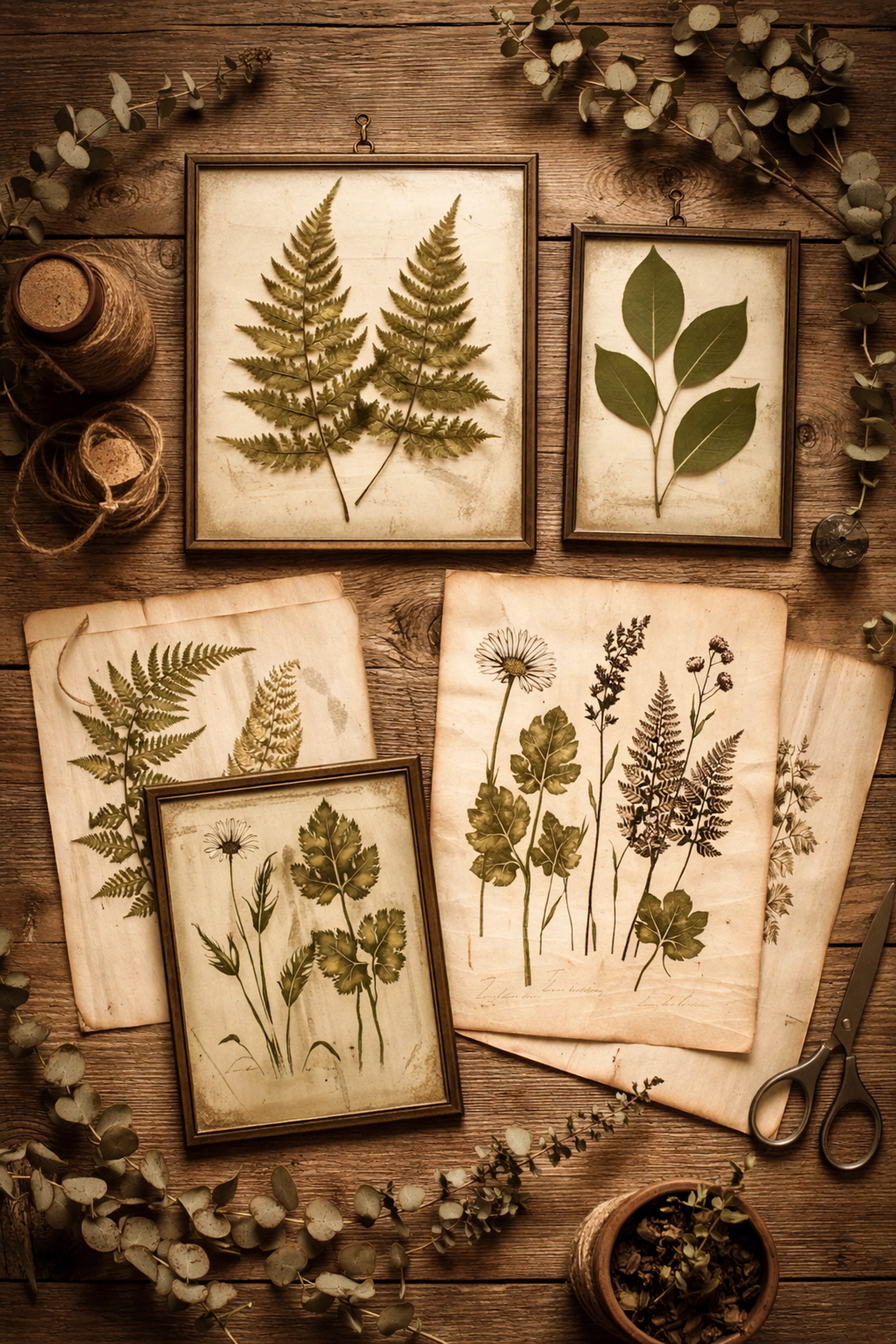
The flower wall hanging exemplifies this approach beautifully, providing botanical visual interest in a maintenance-free format. Such pieces work especially well in hallways, bathrooms, and other transitional spaces where conditions may not support live plant growth.
"The beauty of botanical artwork lies in its permanence: you capture a moment of natural beauty and preserve it indefinitely, which is something live plants, with all their wonderful unpredictability, simply cannot offer." - Interior Design Journal
Establishing a Cohesive Color Palette
One of the most critical (and frequently overlooked) aspects of integrating botanicals with artisan decor involves the establishment of a cohesive color palette. Nature-inspired hues of green, brown, cream, and earthy neutrals should predominate throughout the space, creating visual unity between your plant selections and your decorative objects.
This chromatic consistency serves a dual purpose: it prevents competing visual styles from fragmenting the room's aesthetic coherence, and it emphasizes the organic feel that characterizes successful botanical-artisan interiors. When selecting artisan pieces, consider how their colors will interact with both existing plants and any greenery you intend to add. Wooden objects in warm honey tones, baskets in natural beige or sage green, and textiles in forest green or terracotta all support the botanical palette effectively.
Texture as a Unifying Element
Beyond color, texture plays an equally important role in unifying botanical and artisan elements within a single space. The successful botanical-artisan interior combines multiple natural textures: the smooth grain of wooden surfaces, the rough weave of jute or sisal, the glossy leaves of certain plant species, and the matte finish of terracotta or ceramic planters.
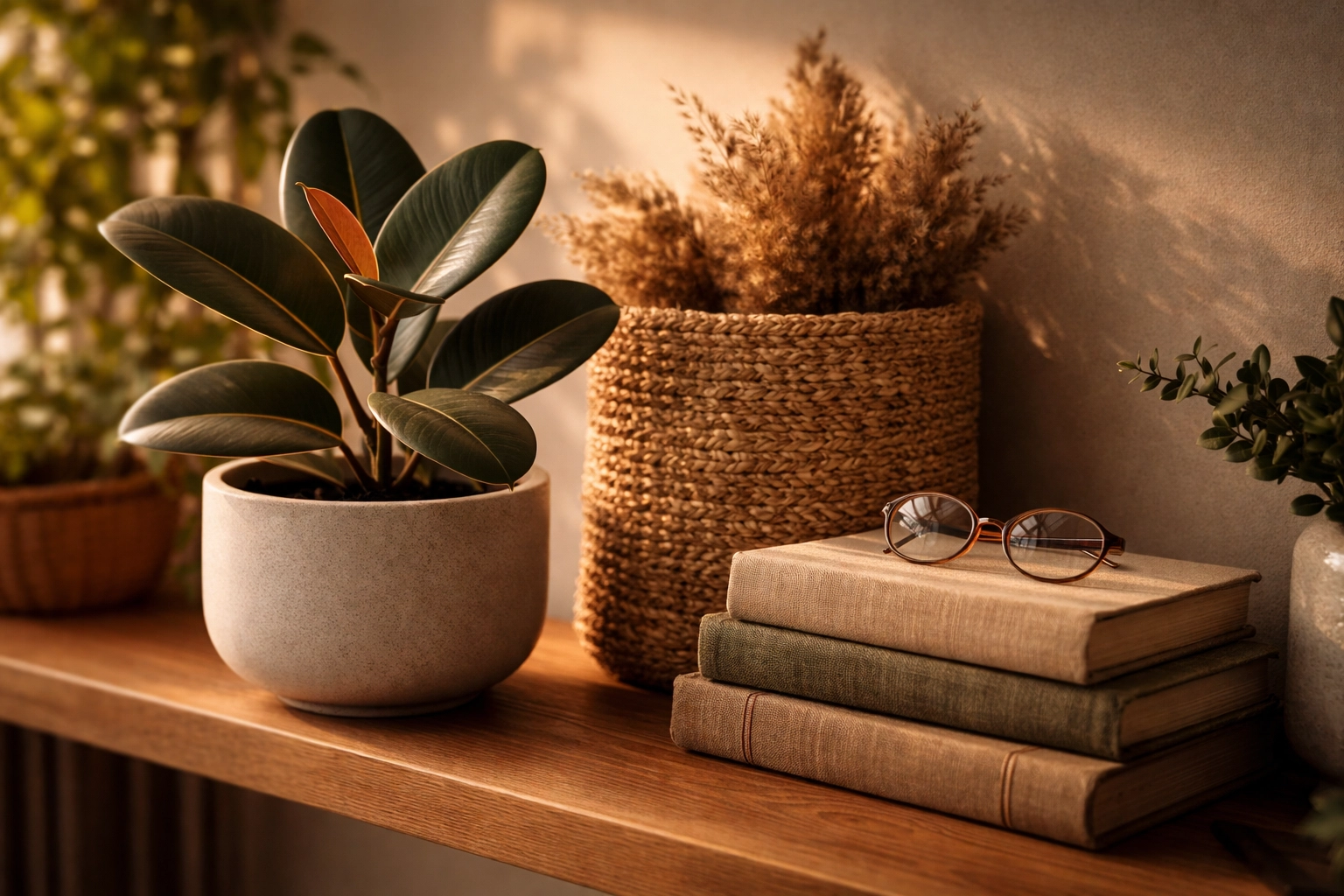
This textural diversity creates visual interest while maintaining the organic coherence that defines the natural aesthetic. When arranging decorative vignettes, consider juxtaposing different textures in close proximity: perhaps placing a trailing plant beside a set of decorative books and a woven basket to create a layered composition that invites closer examination.
Pollinator Motifs: Extending the Botanical Theme
An often-overlooked extension of the botanical aesthetic involves the incorporation of pollinator motifs: particularly bees and butterflies: which represent the natural companions of flowering plants. These motifs reinforce the botanical theme while adding whimsy and narrative depth to your decor. The relationship between flowers and their pollinators tells a story of natural interdependence, and decorative objects that reference this relationship enhance the overall coherence of a botanical-focused interior.
Consider incorporating pieces like the She Works Hard for the Honey artwork or bee-themed tin signs alongside your botanical arrangements. These additions extend the natural narrative beyond plants alone, creating a more complete representation of the natural world within your home.
Practical Implementation Strategies
For those seeking to implement these principles in their own homes, the following strategic approach is recommended:
Audit existing materials: Identify the natural materials already present in your space and note any synthetic elements that may conflict with the botanical aesthetic.
Establish anchor points: Determine where statement plants or major botanical artwork will be positioned, as these anchor points will influence the placement of supporting elements.
Layer incrementally: Rather than attempting a complete transformation at once, add botanical and artisan elements gradually, assessing the visual impact of each addition before proceeding.
Maintain balance: Ensure that no single area becomes overwhelmed with either plants or decorative objects; the most successful interiors achieve equilibrium between these elements.
Consider maintenance requirements: Be realistic about the care requirements of live plants and select specimens appropriate for your lifestyle and the conditions of your space.
The Enduring Appeal of Natural Aesthetics
The integration of botanicals with artisan home decor represents more than a passing trend; it reflects a fundamental human desire to maintain connection with the natural world even within constructed interior environments. By thoughtfully combining living plants, botanical artwork, and handcrafted decorative objects, homeowners can create spaces that nurture this connection while expressing individual style and appreciation for authentic craftsmanship.
The fresh natural vibe achieved through this approach offers benefits that extend beyond mere visual appeal. Studies consistently demonstrate that exposure to natural elements: including both live plants and natural materials: contributes positively to psychological well-being and stress reduction. In this sense, the botanical-artisan interior serves not only aesthetic purposes but also functional ones, creating environments that support the health and happiness of their inhabitants.
Explore our complete collection of handcrafted home decor to discover pieces that will complement your botanical arrangements and help you achieve the fresh natural vibe you envision for your home.
🔖 Tags: botanical decor, artisan home accessories, natural home styling, handcrafted gifts, plant decor ideas, organic interior design, nature-inspired home
Leave a Comment
We would love to hear about your experiences integrating botanicals with artisan decor. Share your thoughts, questions, or photos of your own botanical-artisan spaces in the comments below.
Name* _______________
Email* _______________
Comment*
☐ Save my name and email for the next time I comment.
[Submit Comment]