
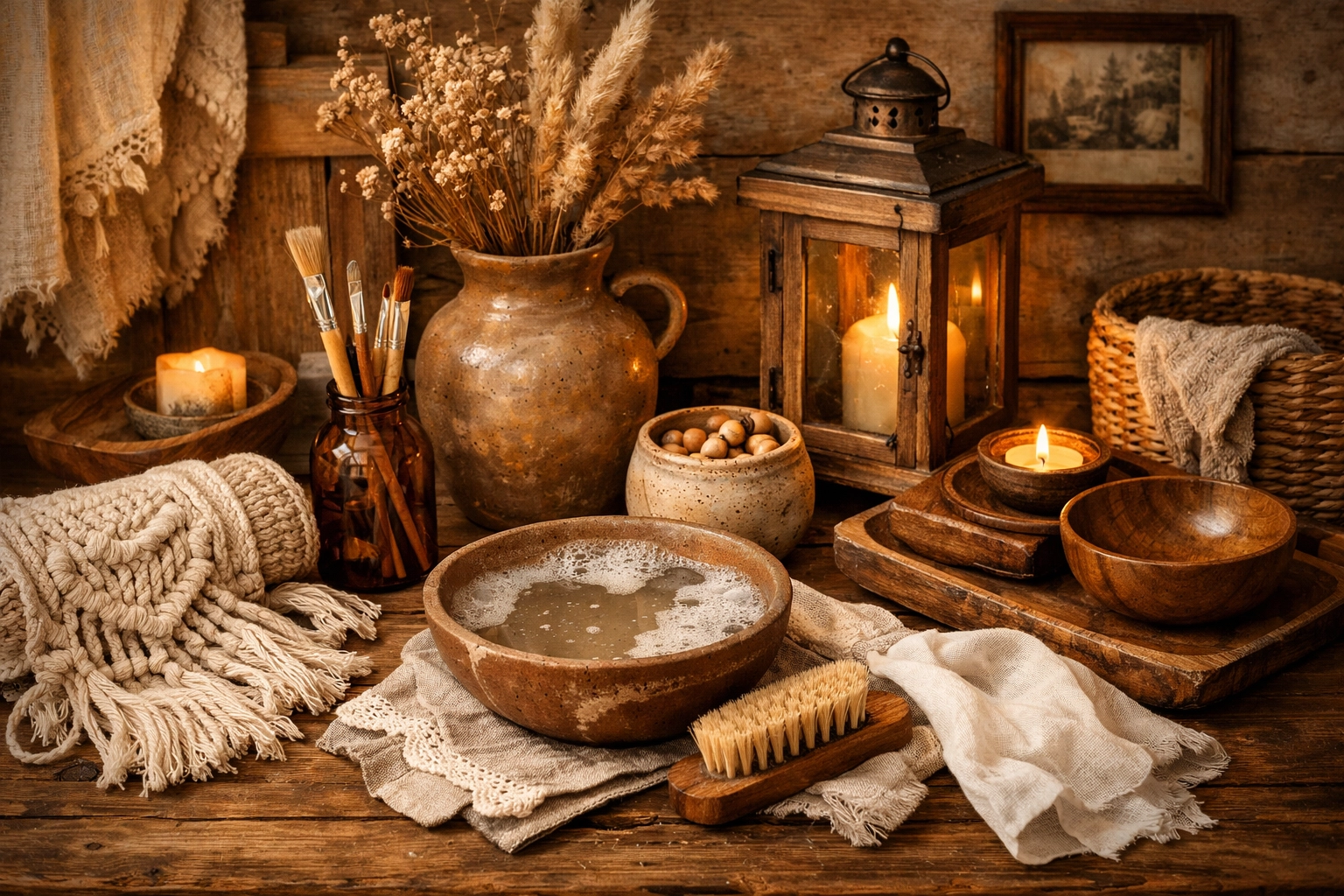

Handmade home décor represents a significant investment in both aesthetic value and artisan craftsmanship, which is precisely why understanding proper care techniques becomes essential for preserving these unique pieces throughout their intended lifespan. Unlike mass-produced items that can be easily replaced, artisan-crafted décor requires specialized maintenance protocols that account for the specific materials, construction methods, and finishing techniques employed by individual makers. The longevity of handcrafted pieces depends fundamentally on implementing appropriate care routines that acknowledge the inherent characteristics of natural materials such as wood, ceramic, textile, and metal: each of which responds differently to environmental conditions, cleaning agents, and handling practices.
The purpose of this comprehensive guide is to provide homeowners with evidence-based maintenance strategies that protect handmade décor from premature deterioration while maintaining the original beauty and functionality that made these pieces desirable acquisitions in the first place. By understanding the particular vulnerabilities associated with different materials and implementing preventative care measures, collectors of artisan home décor can substantially extend the useful life of their cherished pieces (often by decades when proper protocols are followed consistently).
Understanding Material-Specific Care Requirements for Ceramics
Ceramic home décor items, which include everything from decorative vessels to sculptural wall hangings, require gentle handling protocols combined with regular maintenance routines that preserve both the structural integrity and the surface finish of these pieces. The primary consideration when caring for ceramic items involves recognizing that the glaze coating (the glass-like surface layer applied to most finished ceramics) can be compromised through exposure to abrasive materials, extreme temperature fluctuations, or harsh chemical cleaning agents that break down the protective surface over time.
Hand-washing ceramic pieces with warm, soapy water using a soft sponge represents the preferred cleaning method, as this approach minimizes the risk of scratching the glaze while effectively removing accumulated dust and residue. Although many contemporary ceramic pieces are technically dishwasher-safe due to modern firing techniques that create more durable finishes, hand-washing consistently extends the functional lifespan by reducing exposure to the aggressive water jets, high temperatures, and alkaline detergents commonly found in automatic dishwashing cycles. It is critically important to avoid subjecting ceramic pieces to extreme temperature changes: such as transferring a piece directly from a heated oven to cold water: because thermal shock creates internal stress within the ceramic body that manifests as cracking or complete structural failure.
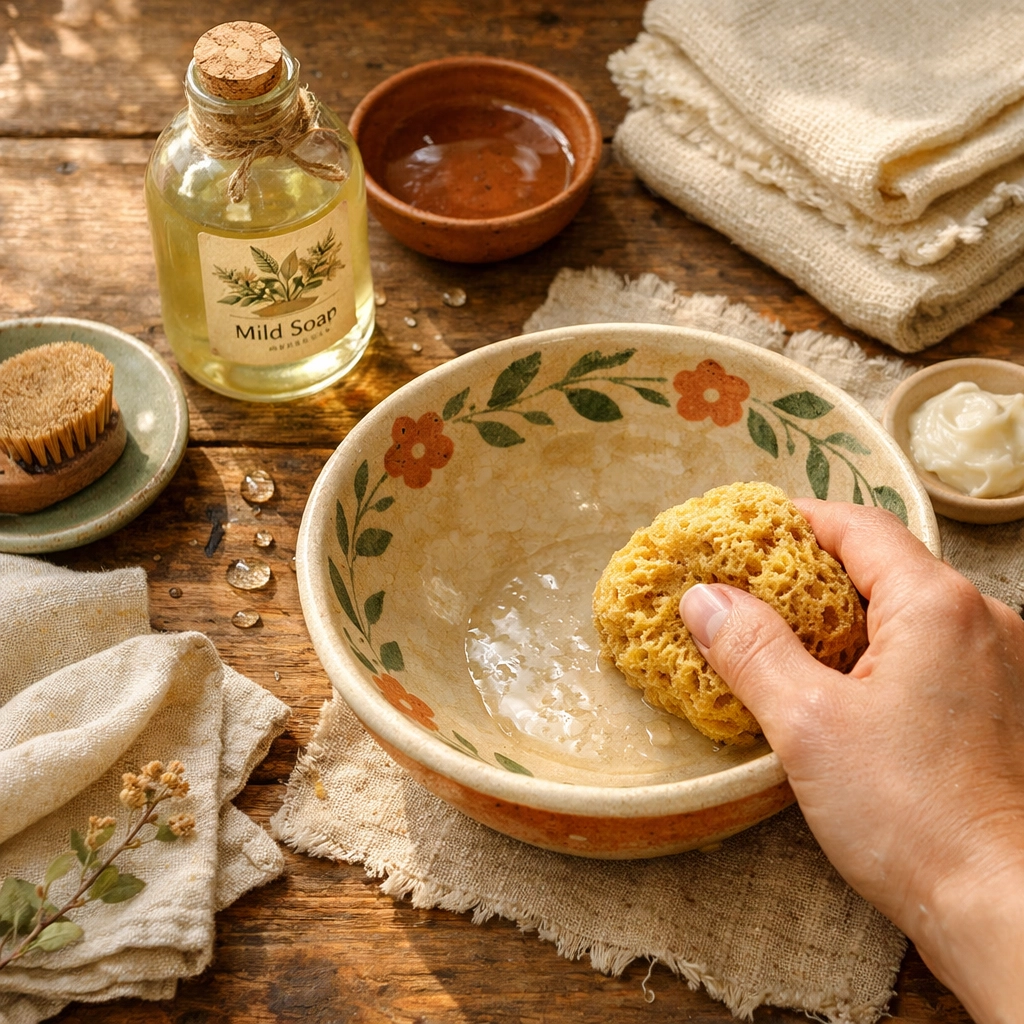
Terracotta ceramics (which are characterized by their porous, unglazed surfaces and distinctive reddish-orange coloration) demand even more careful handling than their stoneware counterparts, as the absence of a protective glaze layer makes these pieces more susceptible to staining, moisture absorption, and surface degradation. For terracotta items, hand-washing becomes absolutely essential rather than merely preferred, and these pieces should be dried thoroughly immediately after cleaning to prevent water absorption that can lead to efflorescence (the appearance of white salt deposits on the surface) or structural weakening over extended periods.
Maintaining Textiles and Woven Handmade Items
Handwoven blankets, rugs, wall hangings, and other textile-based décor pieces require maintenance approaches that prevent the accumulation of particulate matter while protecting the dyes, fibers, and structural integrity of the woven construction. The regular maintenance protocol for textile pieces begins with shaking them out thoroughly every two weeks, which represents a simple yet effective method for dislodging dust and dirt particles before they become embedded within the fiber structure (where they cause discoloration, matting, and accelerated wear through abrasive action).
When deeper cleaning becomes necessary due to visible soiling or accumulated dust that cannot be removed through shaking alone, hand-washing using mild soap and cold water represents the safest approach for preserving the vivid colors and texture that characterize handwoven textiles. Standard washing machines should be avoided entirely for handmade textile pieces, as the mechanical agitation combined with detergents formulated for mass-market fabrics frequently causes color fading, fiber damage, and dimensional changes that permanently alter the appearance and drape of artisan textiles. The natural dyes commonly used in handcrafted textiles are particularly vulnerable to hot water and harsh detergents, which is why cold water washing with gentle, pH-neutral soaps becomes the recommended protocol.
After washing, textile pieces should be air-dried in a flat position rather than hung vertically, as this drying method maintains the original shape and prevents stretching or distortion that occurs when wet fibers bear the weight of the entire piece. Storage practices for textile décor are equally important for long-term preservation: pieces should be folded and stored in cool, dry locations with adequate air circulation, while plastic bags should be avoided entirely because they trap moisture and create conditions favorable for mildew development and fiber degradation.
Protecting Wood and Natural Material Décor
Wooden home décor items and pieces incorporating natural materials such as rattan, bamboo, or dried botanicals require care protocols that maintain appropriate moisture levels within the material structure while protecting surfaces from environmental damage. The fundamental approach to wood care involves wiping surfaces regularly with a soft, slightly damp cloth to remove dust without introducing excessive moisture that can cause swelling, warping, or finish degradation over time.
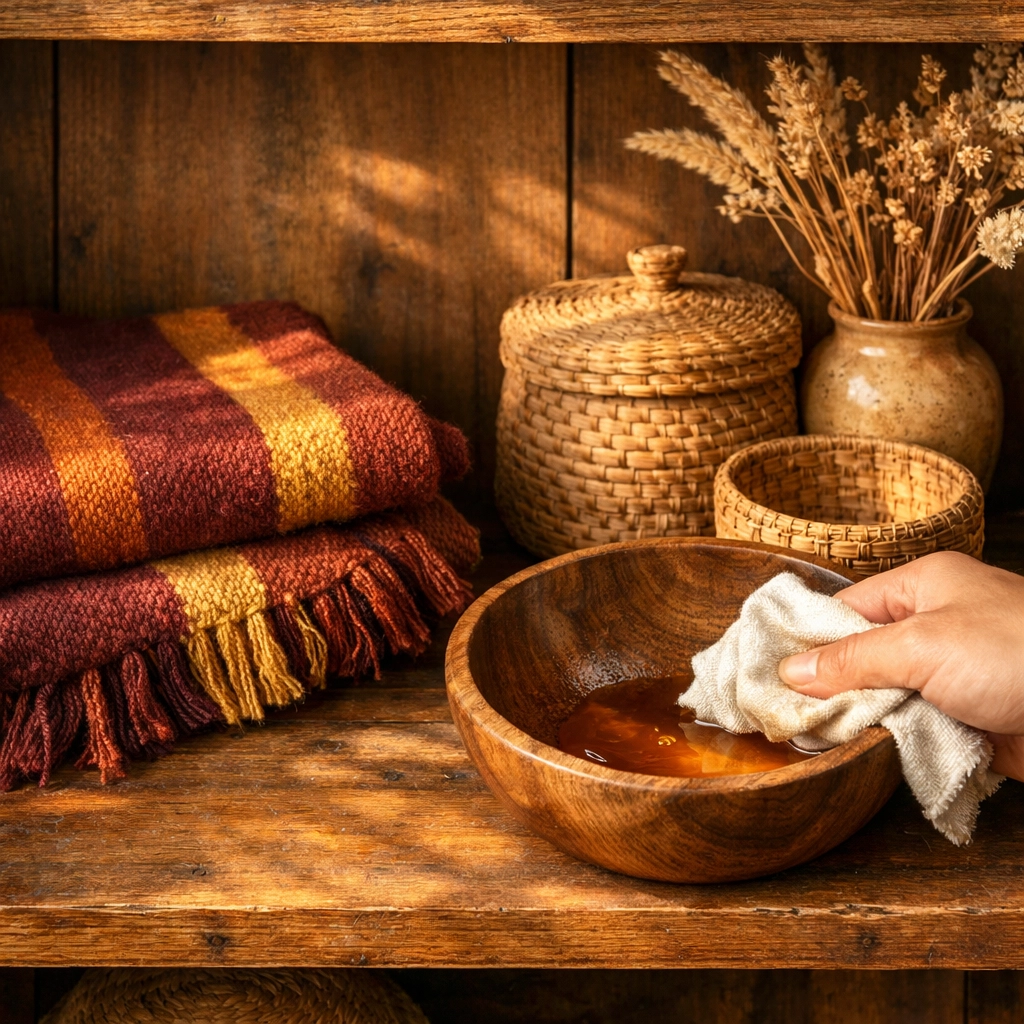
Conditioning treatments using natural oils (such as mineral oil or linseed oil) should be applied every two to three months to wood surfaces, as these treatments penetrate the wood fibers to maintain flexibility, prevent drying and cracking, and create a protective barrier against moisture intrusion and surface soiling. It is essential to avoid harsh chemical cleaners entirely when caring for wood pieces, as alkaline cleaners, ammonia-based products, and solvent-containing formulations strip away natural oils, damage protective finishes, and cause discoloration that cannot be reversed without professional restoration.
Weekly dusting with a soft, lint-free cloth prevents the accumulation of fine particles that act as abrasives when items are handled or when air circulation moves dust across surfaces, creating microscopic scratches that accumulate over time to produce a dull, worn appearance. Direct sunlight exposure represents one of the most significant threats to wooden décor, as ultraviolet radiation breaks down lignin (the natural polymer that gives wood its color and structural strength), resulting in fading, surface checking, and eventual structural deterioration. Positioning wooden pieces away from windows or using UV-filtering window treatments substantially reduces this photodegradation process.
Humidity control emerges as a critical factor in wood preservation, with optimal indoor relative humidity levels maintained between 40 and 45 percent year-round. In dry climates or during winter heating seasons, humidifiers prevent excessive moisture loss from wood that leads to shrinkage, cracking, and joint separation. Conversely, in humid environments or poorly ventilated spaces, dehumidifiers prevent moisture absorption that causes swelling, warping, and conditions favorable for mold growth. These environmental controls become particularly important for pieces with intricate joinery or mixed materials, where differential expansion and contraction rates between components can cause structural failure.
Care Protocols for Metal and Mixed-Material Pieces
Metal home décor items, including decorative signs like chicken tin signs and bee-themed pieces, require maintenance approaches that prevent oxidation, tarnishing, and surface corrosion while preserving any applied finishes or decorative elements. Regular dusting with microfiber cloths removes particulate matter without scratching protective coatings, while periodic application of specialized metal waxes or polishes creates barrier layers that exclude moisture and atmospheric pollutants that accelerate corrosion processes.
For pieces combining multiple materials: such as wood and metal, ceramic and textile, or mixed natural elements: care protocols must address the specific requirements of each component while recognizing that cleaning methods appropriate for one material may damage another. This complexity necessitates careful examination of construction details and selective application of cleaning techniques to different areas of the same piece. Water-based cleaning methods suitable for ceramic portions must be carefully controlled to prevent moisture exposure to wooden components, while oil treatments applied to wood must not contact textile elements where they would cause permanent staining.
General Preservation Strategies and Environmental Controls
Beyond material-specific care protocols, several universal preservation strategies apply to all categories of handmade home décor and contribute significantly to extending functional lifespans. Regular dusting with microfiber cloths or soft brushes removes fine particles before they accumulate to levels that require more aggressive cleaning interventions, and this simple maintenance task (when performed weekly) prevents the majority of surface damage that occurs through abrasive particle accumulation.
Careful handling practices that avoid sudden impacts, excessive pressure, or rough treatment prevent the structural damage and finish deterioration that occurs when pieces are moved carelessly or subjected to mechanical stress beyond their design parameters. Positioning décor items away from direct sunlight, heat sources, and areas of high moisture concentration (such as bathrooms and kitchens) substantially reduces the environmental stresses that accelerate material degradation through photochemical reactions, thermal cycling, and moisture-related processes.
Temperature stability throughout the home environment prevents the expansion and contraction cycles that stress materials and joints, while consistent humidity levels (maintained through mechanical systems or seasonal adjustment protocols) eliminate the moisture fluctuations that cause dimensional changes in hygroscopic materials. For glass and glazed surfaces, ammonia-free cleaning solutions prevent the streaking and haze formation associated with alkaline cleaners, while maintaining optical clarity and surface finish quality.
The practice of periodically rotating decorative objects: moving pieces between different locations within the home or changing their orientation: ensures even wear patterns and exposure to environmental conditions, preventing the localized fading, dust accumulation, and surface degradation that occurs when items remain in fixed positions for extended periods. This rotation strategy becomes particularly important for pieces displayed in areas receiving variable sunlight exposure throughout the day or across seasons.
Implementing a Sustainable Maintenance Schedule
Establishing a regular maintenance schedule transforms care protocols from occasional interventions into sustainable practices that become integrated into household routines. Weekly tasks should include dusting all décor pieces with appropriate materials, visual inspection for signs of damage or deterioration, and repositioning items as needed to ensure even exposure patterns. Monthly maintenance involves more thorough cleaning of individual pieces according to material-specific protocols, examination of environmental conditions (particularly humidity levels), and application of protective treatments to items requiring regular conditioning.
Quarterly care sessions provide opportunities for deep cleaning of textile pieces, comprehensive inspection of wooden items for signs of moisture damage or finish deterioration, and evaluation of storage conditions for seasonal décor. Annual maintenance should include professional assessment of valuable or fragile pieces, review and updating of care protocols based on observed wear patterns, and documentation of any damage or changes requiring attention or repair.
By implementing these systematic care approaches tailored to the specific materials and construction methods represented in your handmade décor collection, you establish the foundation for preserving these unique pieces throughout their intended lifespans: allowing the craftsmanship, beauty, and character that attracted you to these items initially to remain vibrant and functional for decades to come.
🔖Tags: handmade home décor, artisan care, ceramic maintenance, textile preservation, wood care, décor longevity, material-specific cleaning, handcrafted gifts
Leave a Comment
Your email address will not be published. Required fields are marked *
Comment*
Name*
Email*
Website