


When you invest in handmade home decor, you are not merely purchasing an object for your living space; rather, you are acquiring a piece that carries with it the dedication, skill, and artistry of the craftsperson who created it. These artisan home decor pieces deserve thoughtful care and attention to ensure they remain beautiful and functional for years to come. Understanding the specific maintenance requirements for each material: whether wood, ceramic, or woven textiles: is essential for preserving both the aesthetic appeal and structural integrity of your cherished items.
The fundamental principles underlying proper care for handmade home decor can be distilled into three core tenets: gentle handling, appropriate moisture management, and consistent maintenance routines. While these principles apply broadly across all artisanal materials, the specific application of these concepts varies significantly depending on whether you are caring for a hand-carved wooden bowl, a pottery vase from a local artisan, or a beautifully woven textile piece.
Understanding Wood Care for Handmade Pieces
Wood remains one of the most beloved materials in artisan home decor, prized for its natural warmth, unique grain patterns, and the way it develops character over time. However, wood is also a living material (in the sense that it continues to respond to its environment), which means it requires particular attention to thrive in your home.
Daily and Weekly Maintenance
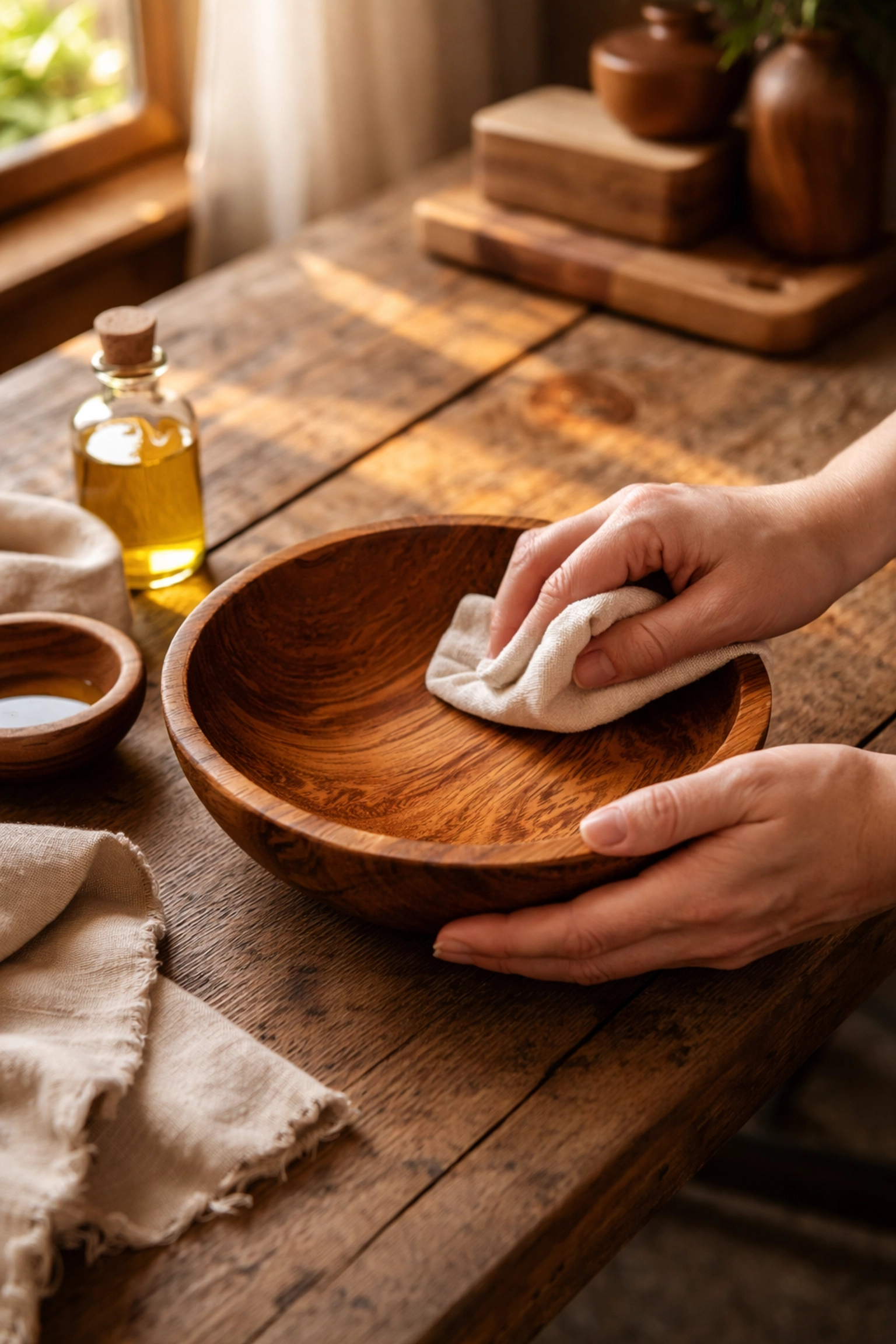
The foundation of wood care begins with regular dusting, a practice that, while seemingly mundane, serves the critical function of preventing dirt accumulation that can eventually cause scratches and surface damage. When dusting your wooden handmade home decor pieces, always use a soft, dry cloth and rub in the direction of the grain: this technique prevents the tiny particles from embedding themselves into the wood fibers and causing micro-abrasions over time.
For more thorough cleaning sessions, you may use a soft, damp cloth to wipe down wood surfaces, though it is imperative that you dry the piece immediately afterward to prevent moisture from seeping into the material. Excessive moisture exposure represents one of the primary threats to wooden artisan pieces, as it can lead to warping, swelling, and eventually, structural compromise.
Conditioning and Long-Term Preservation
Beyond routine cleaning, wooden handmade home decor benefits tremendously from periodic conditioning treatments that restore moisture to the material in a controlled manner. Natural oils, particularly mineral oil, serve as excellent conditioning agents when applied every few months. This conditioning process helps prevent the wood from drying out and developing cracks, particularly in environments with low humidity or significant temperature fluctuations.
For larger wooden furniture pieces or substantial decorative items, the application of polish approximately every six months using a soft, lint-free cloth helps maintain the finish and protective layer. Additionally, an annual coat of Danish oil can penetrate deeper into the wood fibers, providing nourishment that surface treatments alone cannot achieve.
"The key to wood care is consistency: a little attention regularly goes much further than intensive treatment occasionally." - Traditional Woodworking Wisdom
Environmental Considerations
The placement of your wooden artisan home decor pieces within your home significantly impacts their longevity. Direct sunlight, while beautiful for showcasing the natural grain patterns, can cause fading and, over extended periods, cracking of the wood surface. Similarly, positioning wooden pieces near heating vents, radiators, or fireplaces exposes them to temperature extremes that can accelerate deterioration. The ideal environment for wooden handmade home decor maintains moderate humidity levels and stable temperatures throughout the year.
Ceramic Care: Protecting Your Pottery Pieces
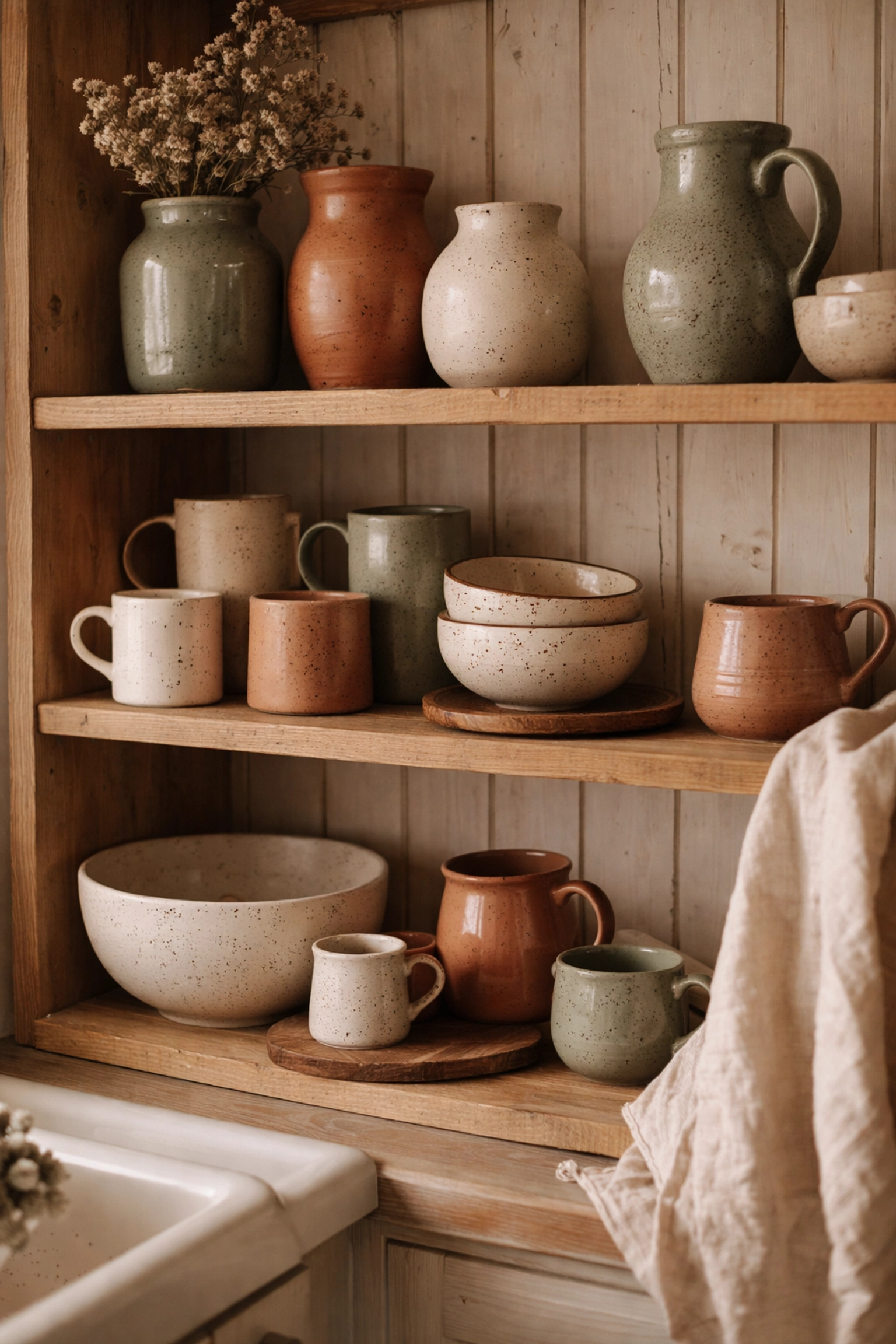
Ceramic and pottery pieces represent another cornerstone of handmade home decor, offering incredible diversity in form, color, and texture. From functional pieces like mugs and bowls to purely decorative vases and sculptures, ceramic artisan work requires its own specialized approach to care and maintenance.
Cleaning Protocols for Ceramic Pieces
The cardinal rule of ceramic care for handmade pieces is this: hand-washing with warm, soapy water consistently outperforms dishwasher cleaning in terms of preserving both the structural integrity and aesthetic qualities of the piece. While modern dishwashers may seem convenient, the combination of harsh detergents, high temperatures, and mechanical agitation can gradually degrade glazes and weaken ceramic bodies over time.
When hand-washing your ceramic handmade home decor, use a soft sponge and avoid abrasive scrubbers or scouring pads that may scratch the glaze surface. For stubborn stains that resist initial cleaning efforts, a soft brush or cloth applied with gentle pressure typically suffices without risking damage to the piece.
Temperature Sensitivity and Thermal Shock
One of the most critical concepts in ceramic care involves understanding thermal shock: the stress that occurs when a ceramic piece experiences rapid temperature changes. Moving a ceramic item directly from extreme heat to cold water (or vice versa) can cause cracking, crazing of the glaze, or even complete structural failure. This principle applies whether you are dealing with functional kitchen ceramics or decorative artisan home decor pieces that might be positioned near windows or heating sources.
To protect your ceramic pieces from thermal shock, always allow them to adjust gradually to temperature changes. If a piece has been sitting in a cold room, do not immediately fill it with hot liquid; conversely, if a piece has been warmed, allow it to cool naturally before cleaning with cold water.
Display and Storage Best Practices
When displaying ceramic handmade home decor, consider both aesthetic and practical factors. Stable surfaces away from high-traffic areas reduce the risk of accidental breakage, while thoughtful placement can showcase the unique qualities of each piece. For pieces not currently on display, wrapping them individually in soft cloth or acid-free tissue paper before storage prevents chips and scratches that can occur when items touch.
Woven Textile Care: Preserving Fiber Art
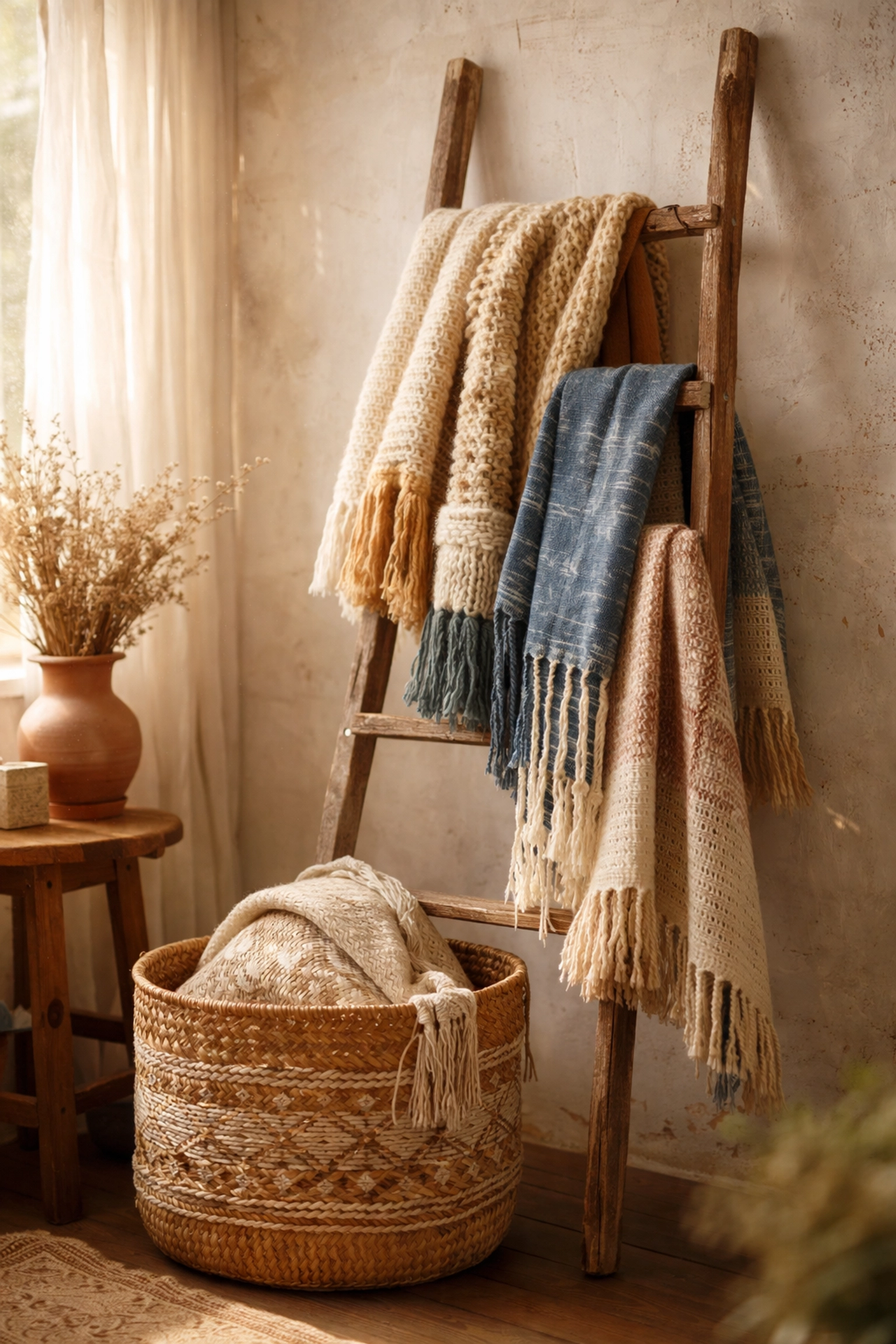
Woven textiles: including blankets, wall hangings, baskets, and decorative fabric pieces: constitute a significant category within handmade home decor. These pieces often feature natural fibers, hand-dyed colors, and intricate patterns that require gentle yet consistent care to maintain their beauty.
Regular Maintenance Routines
The simplest and most effective maintenance practice for woven artisan home decor involves regularly shaking out and airing textiles outdoors. Performing this routine every couple of weeks prevents dust and debris from becoming embedded deep within the fiber structure, where they become progressively more difficult to remove. This airing process also helps prevent the musty odors that can develop when textiles remain stationary for extended periods.
Washing and Cleaning Woven Pieces
When shaking and airing prove insufficient for maintaining the cleanliness of your woven handmade home decor, hand-washing represents the safest and most effective approach. The key parameters for successful hand-washing include using cold water (which preserves vivid colors that hot water might fade) and mild soap or eco-friendly detergent. Washing machines, even on gentle cycles, subject woven textiles to mechanical stress that can distort shapes, loosen weaves, and cause premature wear.
For woven pieces that absolutely require machine cleaning, selecting the gentlest cycle available and placing items in a mesh laundry bag provides some protection against the most aggressive mechanical action.
Drying and Storage Protocols
The drying process for woven textiles demands equal attention to the washing process. Air drying flat: rather than hanging: maintains the original shape and prevents the stretching that gravity can cause when wet fibers are suspended vertically. This flat-drying approach also helps prevent shrinkage that can occur with heat-based drying methods.
When storing woven handmade home decor pieces that are not currently in use, fold them carefully and place them in a cool, dry location. Importantly, avoid storing textiles in plastic bags or containers, as these trap moisture and can lead to mildew growth, odor development, and fiber degradation. Breathable storage solutions, such as cotton bags or acid-free boxes, allow adequate air circulation while still protecting pieces from dust and light exposure.
Building Your Care Routine
The investment you make in properly caring for your handmade home decor pays dividends not only in the extended lifespan of each piece but also in the deepened appreciation you develop for the craftsmanship involved. By understanding the specific needs of wood, ceramic, and woven materials, you become a better steward of these artisan creations.
Whether you are just beginning to build your collection of artisan home decor or you have been collecting handmade pieces for years, implementing these care practices ensures that each item continues to bring beauty and warmth to your space. Visit our shop to discover more handcrafted pieces worthy of your care and attention.
🔖 Tags: handmade home decor, artisan home decor, wood care, ceramic care, woven textiles, home decor maintenance, artisan gifts
Leave a Comment
Your email address will not be published. Required fields are marked *
Name* _______________
Email* _______________
Comment* _______________
[ Submit Comment ]