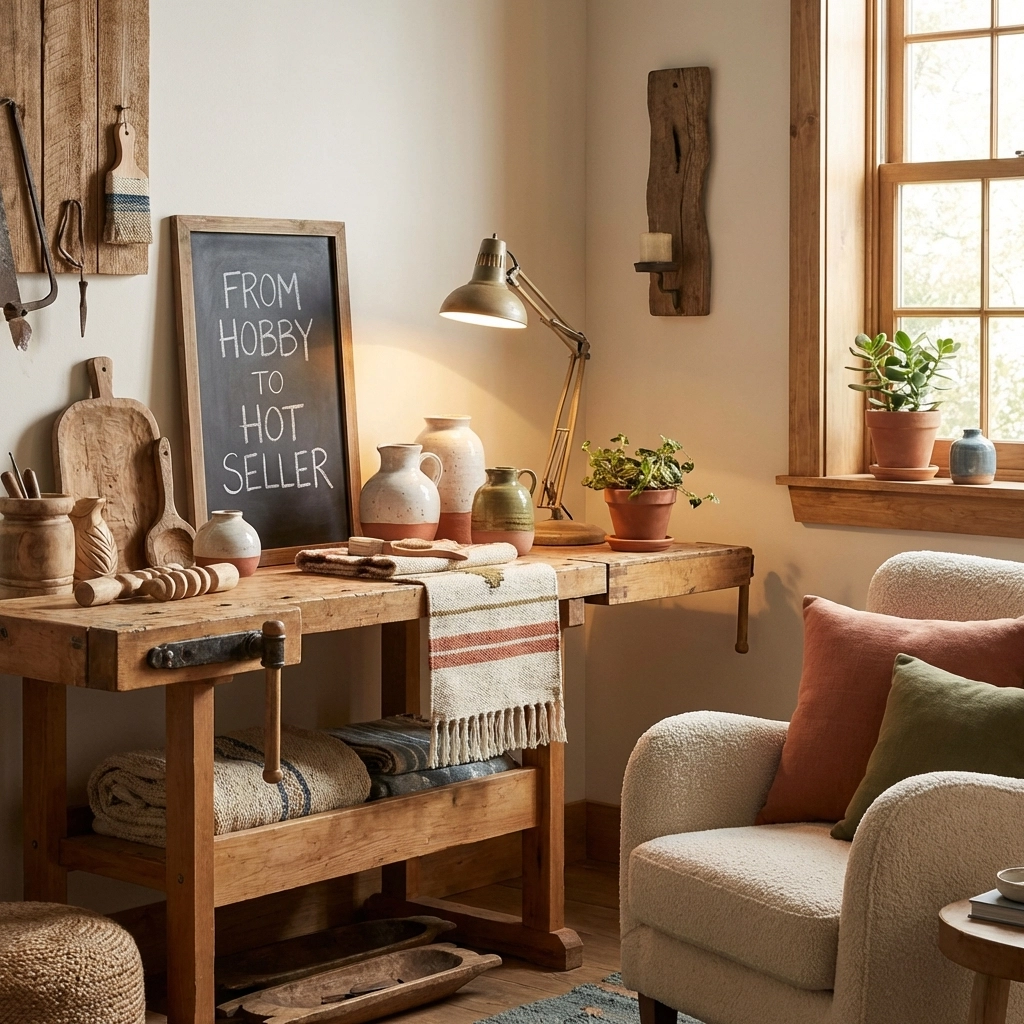

The transformation of a home decor crafting hobby into a profitable venture at craft shows represents one of the most rewarding journeys a creative individual can undertake. This transition, while requiring considerable dedication and strategic planning, offers the opportunity to share your unique artistic vision with appreciative audiences while generating meaningful income. The handmade goods market has experienced significant growth in recent years, with consumers increasingly seeking authentic, artisan-crafted pieces that mass-produced retailers simply cannot provide.
Understanding how to navigate this transformation effectively requires attention to several key areas, including product development, pricing strategies, market positioning, and presentation techniques. The following comprehensive guide explores these essential components, providing you with the foundational knowledge necessary to elevate your craft from a personal pastime to a show-stopping enterprise.
Understanding the Market Opportunity for Handcrafted Home Decor
The contemporary marketplace for handcrafted home decor items has expanded considerably, driven by consumers who value authenticity, sustainability, and the personal connection that comes with purchasing directly from artisans. This market expansion, which has been documented through the steady revenue increases reported by platforms such as Etsy since 2015, indicates a robust and growing demand for unique, handmade pieces.
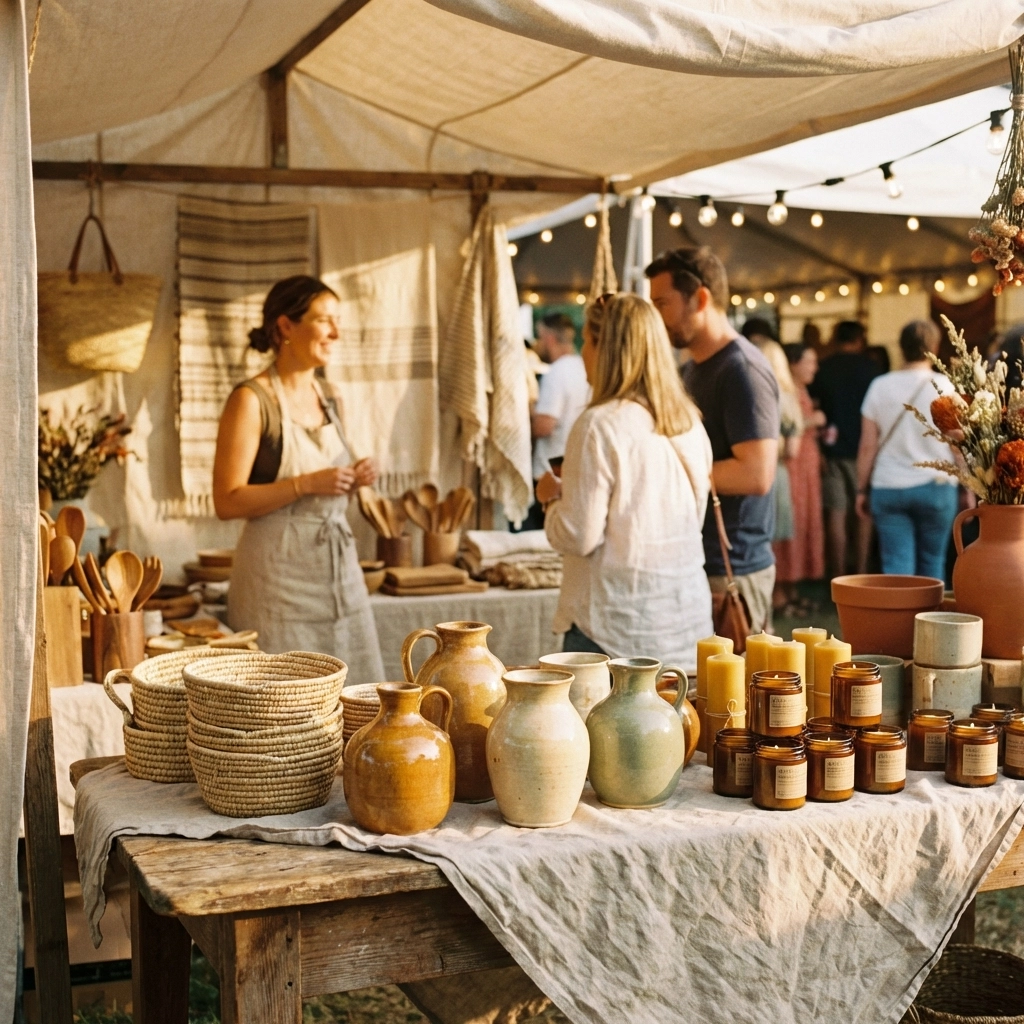
Craft shows and artisan markets provide an ideal venue for connecting with these discerning customers, as these events attract individuals who specifically seek out one-of-a-kind items and appreciate the craftsmanship behind handmade goods. The in-person nature of craft shows allows you to communicate your creative vision directly, share the story behind your pieces, and establish the personal connections that foster customer loyalty and repeat business.
Developing a Strategic Product Lineup
The development of a strategic product lineup constitutes one of the most critical factors in achieving success at craft shows. Rather than producing generic pieces that blend into the background, successful artisans focus on creating items that fulfill specific customer needs while showcasing their unique artistic perspective. This approach, which balances market demand with personal creative vision, results in products that stand out from competing offerings.
A particularly effective strategy involves developing reproducible products as the core of your lineup. While one-of-a-kind pieces certainly hold value and can serve as conversation starters at your booth, creating designs that you can produce repeatedly allows for scalability and sustainable profit margins. These signature items become associated with your brand and provide customers with reliable expectations regarding quality and style.
"The key to success at craft shows is finding that sweet spot between what you love to create and what customers actually want to buy." - Sarah M., Artisan Vendor
Consider diversifying your product range to include items at various price points, as this approach ensures that customers with different budgets can find something within your collection. Entry-level pieces serve as accessible introductions to your work, while premium items cater to collectors and gift-givers seeking something truly special.
Pricing Your Crafts for Profitability and Sustainability
The pricing of handcrafted items represents an area where many hobbyists-turned-vendors initially struggle, often undervaluing their work in an effort to compete with mass-produced alternatives. This approach, however, undermines both profitability and the broader perception of handmade goods within the marketplace. Proper pricing requires a comprehensive assessment of all costs involved in production, including materials, time invested, overhead expenses, and the selling fees associated with craft show participation.
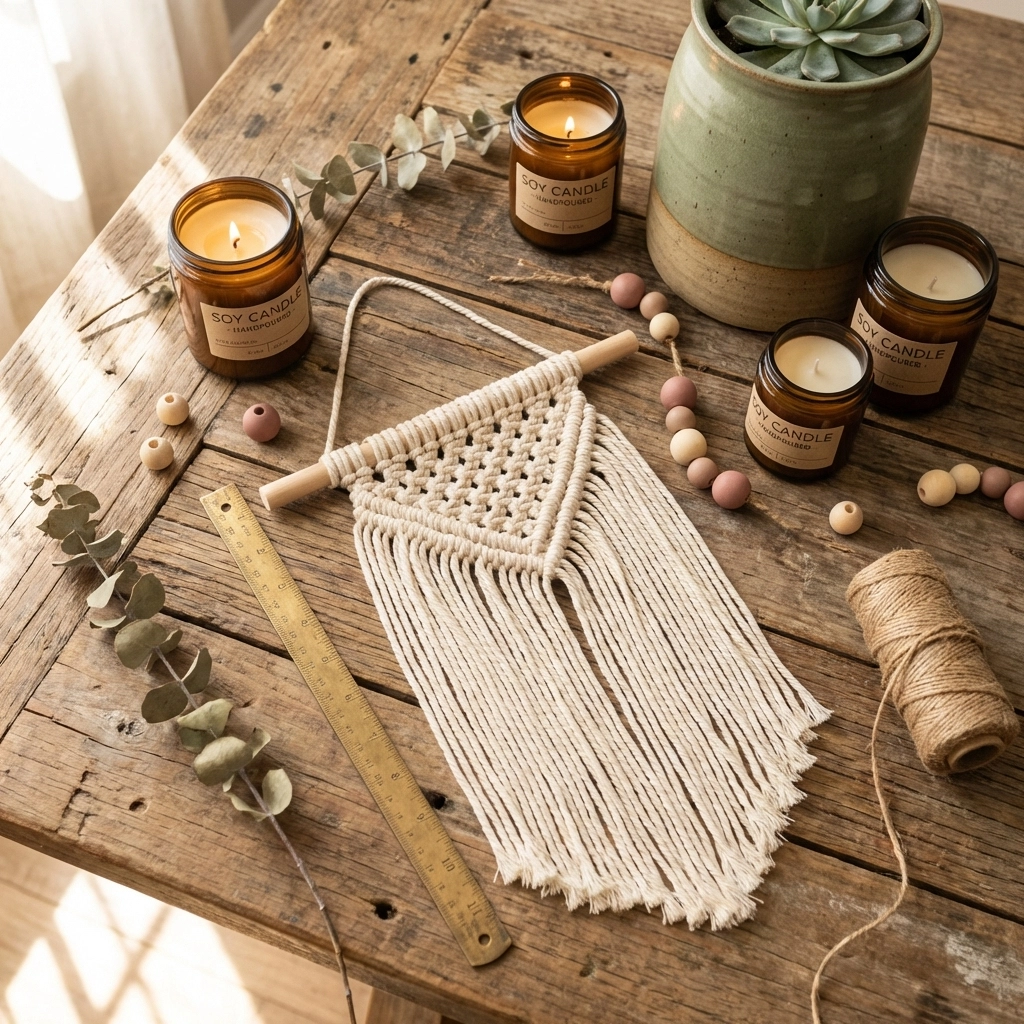
The calculation of material costs should encompass not only the obvious supplies but also the incidental expenses such as packaging, labels, and booth display materials. Time investment must be valued appropriately, reflecting the skill and expertise you bring to your craft. Additionally, researching competitor pricing within your specific niche provides valuable context for positioning your products competitively while maintaining adequate profit margins.
Building profit into your pricing from the outset establishes a sustainable foundation for your business. Many successful artisans recommend aiming for a profit margin that allows for reinvestment in supplies, equipment upgrades, and marketing efforts while also compensating fairly for your creative labor.
Preparing Your Craft Show Presentation
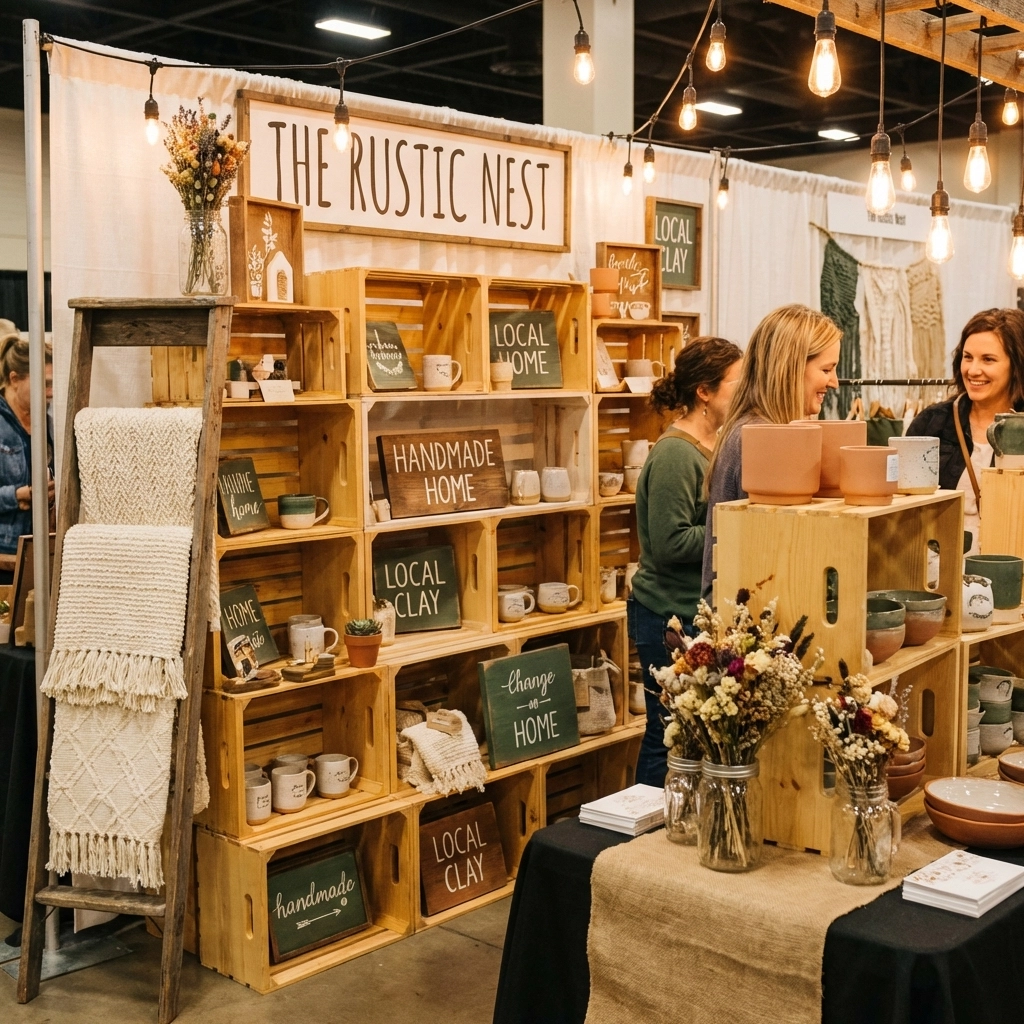
The presentation of your products at craft shows significantly influences customer perception and purchasing decisions. Your booth serves as a physical representation of your brand, and as such, it should communicate professionalism, creativity, and attention to detail. The visual merchandising principles applied in retail settings translate effectively to craft show environments, with thoughtful product arrangement and cohesive aesthetic choices enhancing the overall shopping experience.
Consider the following elements when designing your booth presentation:
- Vertical display structures that maximize limited table space and create visual interest at multiple eye levels
- Cohesive color schemes that complement your products without overwhelming them
- Clear signage that communicates your brand name, pricing information, and contact details
- Adequate lighting that showcases the textures and details of your handcrafted pieces
- Professional packaging options that add perceived value and facilitate gift purchases
The investment in quality display materials, while representing an upfront cost, typically yields returns through increased sales and enhanced brand perception. Your booth should invite customers to engage with your products while clearly communicating the care and craftsmanship embodied in each piece.
Building Your Brand and Marketing Presence
The establishment of a recognizable brand identity extends the impact of your craft show presence beyond individual events. A cohesive brand, which encompasses your visual identity, communication style, and the overall experience you provide, creates consistency that customers recognize and remember. This brand recognition, developed over time through consistent presentation and quality products, differentiates your offerings from anonymous craft vendors.
Investing in professional product photography serves multiple purposes, providing imagery for social media marketing, online listings, and promotional materials. These photographs should showcase your home decor crafts to their best advantage, capturing the details, textures, and scale that customers consider when making purchasing decisions.
Social media platforms offer valuable opportunities for maintaining connections with customers between craft show appearances. Regular posting that includes behind-the-scenes content of your creative process, previews of new products, and announcements of upcoming events keeps your audience engaged and informed. This ongoing communication builds community around your brand and maintains awareness during periods between in-person selling opportunities.
Email marketing provides another effective channel for customer communication, allowing you to share updates, special offers, and event schedules directly with interested individuals. Building an email list through sign-ups at craft shows creates a valuable asset for ongoing marketing efforts.
Operational Excellence and Customer Experience
The operational aspects of running a craft business, while perhaps less exciting than the creative work itself, directly impact your ability to sustain and grow your venture. Tracking materials and supplies, monitoring inventory levels, and planning production schedules ensures that you can meet demand without overextending your resources. These organizational practices, implemented consistently, prevent the last-minute scrambles that can compromise product quality or leave you underprepared for events.
Customer experience encompasses every interaction between your brand and your audience, from initial discovery through post-purchase follow-up. Creating positive experiences requires providing safe and easy transactions, responding promptly to inquiries, and setting clear expectations regarding product details and availability. Following up after purchases to ensure satisfaction demonstrates your commitment to customer care and encourages repeat business and referrals.
The success achieved in selling handmade home decor products develops gradually as you build your reputation and customer base. Dedication to quality products, excellent customer service, and responsiveness to market trends positions your craft business for sustainable growth and continued fulfillment.
We invite you to explore our collection of handcrafted gifts and decor at Copper & Hazel Boutique, and we hope to see you at one of our upcoming shows where you can experience our pieces in person.
🔖 Tags: craft shows, handmade home decor, artisan business, craft fair tips, selling handmade, home decor crafts, small business
Leave a Comment
We would love to hear about your experiences turning your craft hobby into a business. Share your thoughts, questions, or tips in the comments below.
Name (required)
Email (required, will not be published)
Comment