
The contemporary marketplace presents consumers with an overwhelming abundance of decorative options, ranging from mass-produced items available at remarkably low price points to meticulously handcrafted pieces designed with longevity and emotional significance in mind. In this context, the concept of "future heirlooms" has emerged as a meaningful alternative to the prevailing culture of disposable decor and trend-driven purchasing decisions. The question, therefore, is not merely one of aesthetic preference but rather a deeper inquiry into what we value, what we wish to preserve, and what legacy we intend to leave for subsequent generations.
This examination will explore the significance of future heirlooms in 2026, the fundamental distinctions between handcrafted gifts and fast decor, and the compelling reasons why intentional consumption represents a superior approach to decorating and gift-giving in the modern era.
Understanding the Future Heirloom Phenomenon
Defining What Constitutes a Future Heirloom
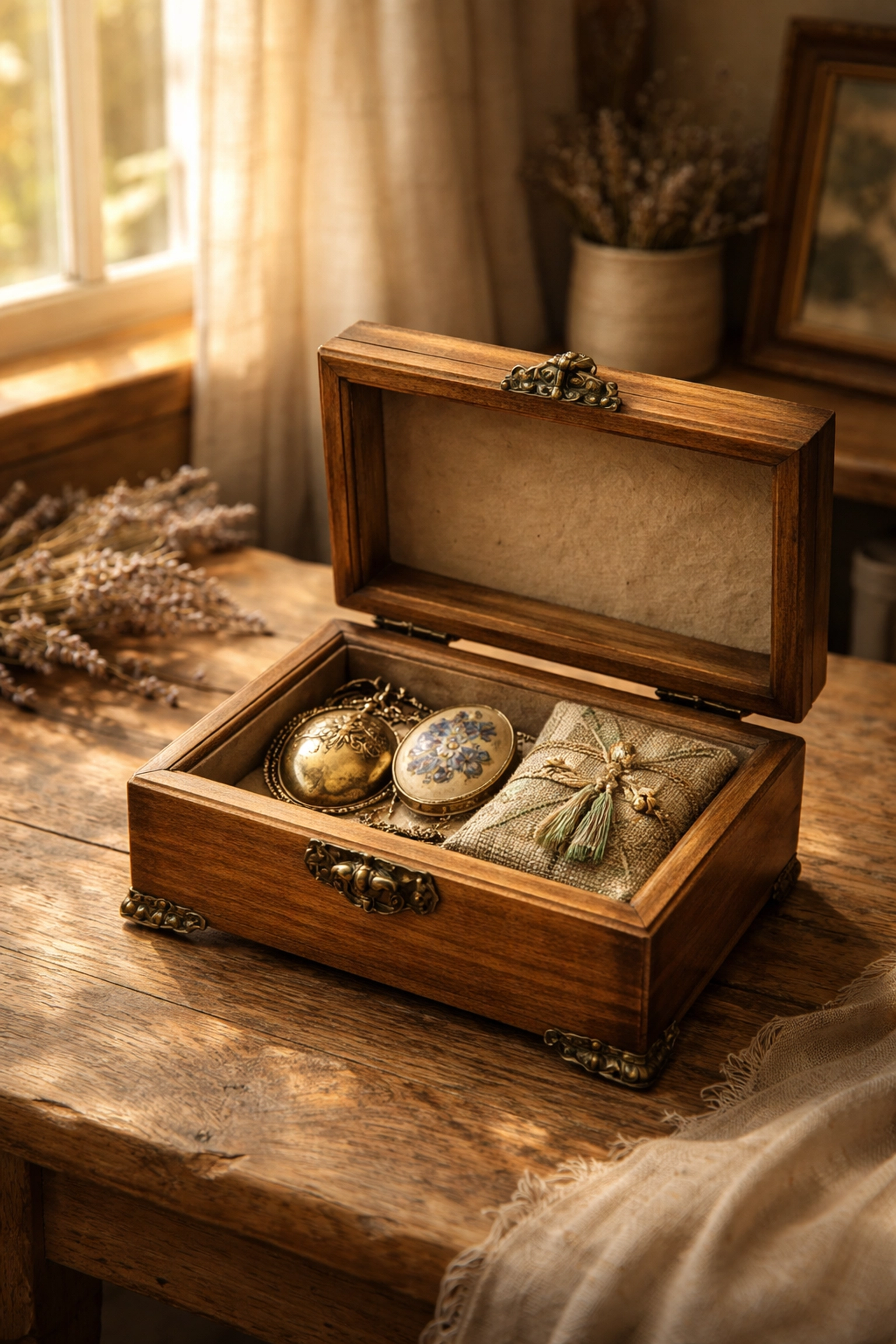
A future heirloom, in its most essential definition, refers to an item purchased or created with the explicit intention of being passed down through generations. Such pieces are characterized by their emotional resonance, quality craftsmanship, personal narrative, and demonstrated ability to stand the test of time. It is worth noting that future heirlooms are not necessarily defined by their monetary worth or association with designer fame; rather, their value derives from the meaningful connections they facilitate between individuals across temporal boundaries.
The distinction between a future heirloom and an ordinary purchase lies primarily in intentionality. When one acquires a thoughtfully designed, well-crafted item intended to last generations, one makes a deliberate statement about personal values: cherishing instead of consuming, and building emotional value over retail value.
The Cultural Shift Driving Heirloom Interest
The year 2026 has witnessed a remarkable cultural transformation in consumer attitudes toward material possessions. Generation Z, in particular, has emerged as a leading force in the revival of heirloom-quality goods, with younger shoppers demonstrating a pronounced preference for pieces that align with sustainability principles and emotional storytelling rather than convenience-driven purchasing patterns.
This generational shift reflects a broader recognition that meaningful possessions serve purposes beyond mere decoration or utility. Future heirlooms create continuity in a rapidly moving world by preserving emotional legacies, allowing traditions to be carried on and values to be transmitted, not merely remembered, but actively lived through physical objects that bear witness to family histories and personal milestones.
The Fundamental Contrast: Handcrafted Gifts Versus Fast Decor
The Philosophy Behind Handcrafted Items
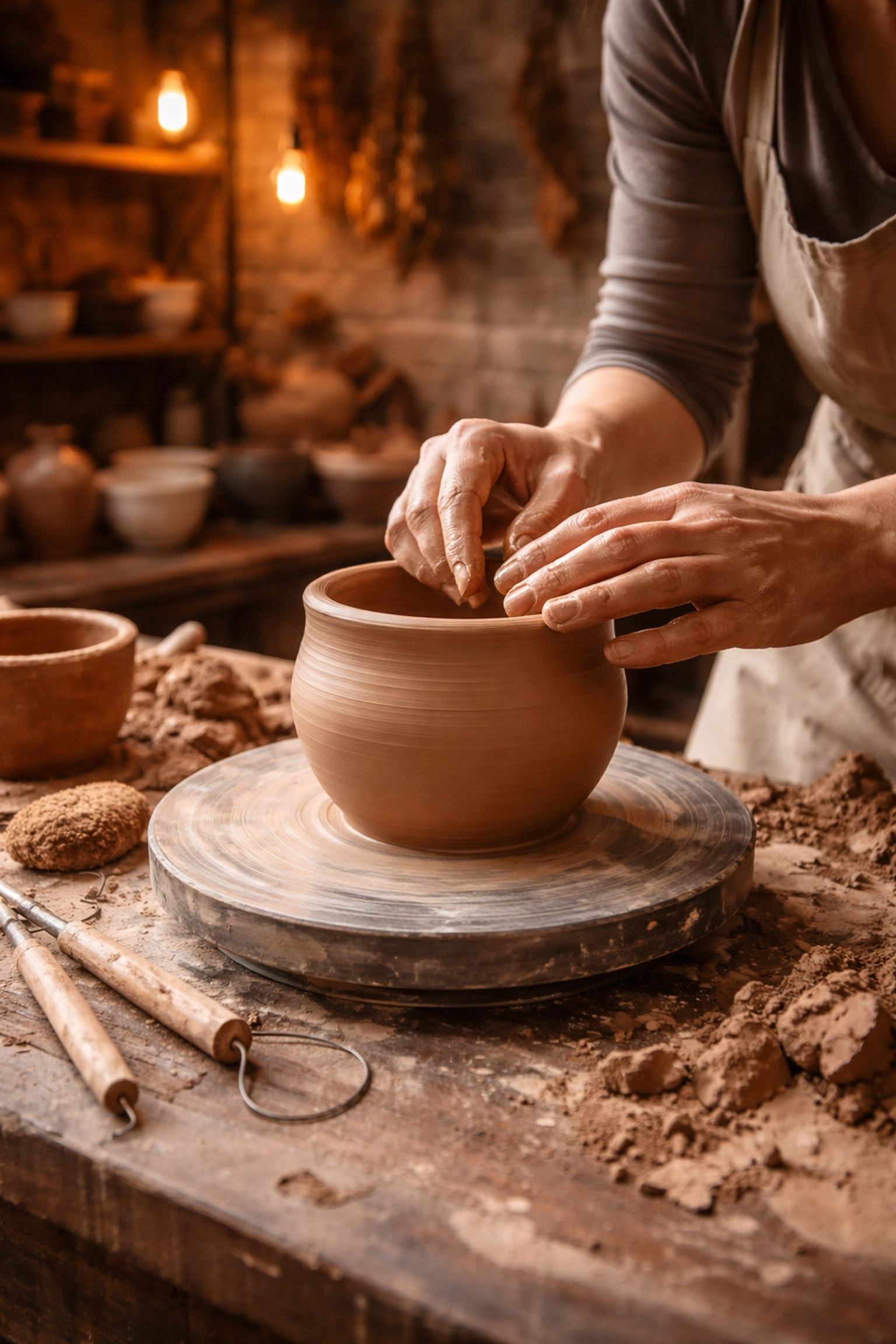
Handcrafted gifts, particularly those of heirloom quality, embody tangible, meaningful connections to personal history and individual significance. The artisan who creates a handcrafted piece invests not only time and skill but also intention and care into each creation. This investment becomes embedded in the object itself, lending it a quality that mass-produced alternatives simply cannot replicate.
The contemporary fine goods industry has embraced what experts term "intentional individuality," wherein personalization, ethical sourcing, and individual expression define modern luxury. This philosophical approach stands in direct opposition to the homogenized aesthetics promoted by fast decor manufacturers, who prioritize speed and cost reduction over distinctiveness and durability.
The Problematic Nature of Fast Decor
Fast decor, by its very definition and design, prioritizes trend-chasing and convenience above all other considerations. Items produced within this paradigm are typically manufactured with planned obsolescence in mind, intended to be replaced within seasons rather than preserved across decades. The environmental implications of this approach are substantial, as fast decor typically becomes landfill material within relatively brief timeframes.
Beyond environmental concerns, fast decor fails to satisfy deeper human needs for meaning and connection. A mass-produced item, regardless of its initial aesthetic appeal, lacks the personal narrative and emotional resonance that transform ordinary objects into cherished possessions. The fast decor cycle encourages consumers to view their living spaces as temporary installations rather than evolving expressions of personal and family identity.
Why Handcrafted Gifts Represent a Superior Choice in 2026
Sustainability and Ethical Considerations
The sustainability argument for handcrafted, heirloom-quality goods has become increasingly compelling in 2026. Items crafted with durability in mind require no replacement cycles, thereby reducing overall consumption and waste generation. Furthermore, many handcrafted pieces feature handmade or ethically sourced materials, addressing concerns about supply chain transparency that have become paramount for conscientious consumers.
"When we choose handcrafted items intended to last, we participate in a form of quiet activism, rejecting the disposable culture that has dominated consumer behavior for decades." - Elena Martinez, Sustainable Design Advocate
The practical benefits of choosing handcrafted goods extend beyond environmental considerations. Items crafted from durable materials maintain their structural integrity over time and often become more beloved with each generation that uses or displays them, developing a patina of history that enhances rather than diminishes their appeal.
Emotional and Narrative Value
Perhaps the most compelling argument for future heirlooms concerns their capacity to preserve stories for subsequent generations. Meaningful pieces representing life milestones, celebrations, achievements, transitions, carry narratives that mass-produced items cannot accommodate. When one gives or receives a handcrafted gift, one participates in a tradition of meaningful exchange that transcends the transactional nature of ordinary commerce.
The emotional value of handcrafted gifts appreciates over time in ways that financial investments cannot match. A piece created by a skilled artisan and given with intention becomes a repository of memory, a physical manifestation of relationships and moments that might otherwise fade from recollection.
Quality and Longevity
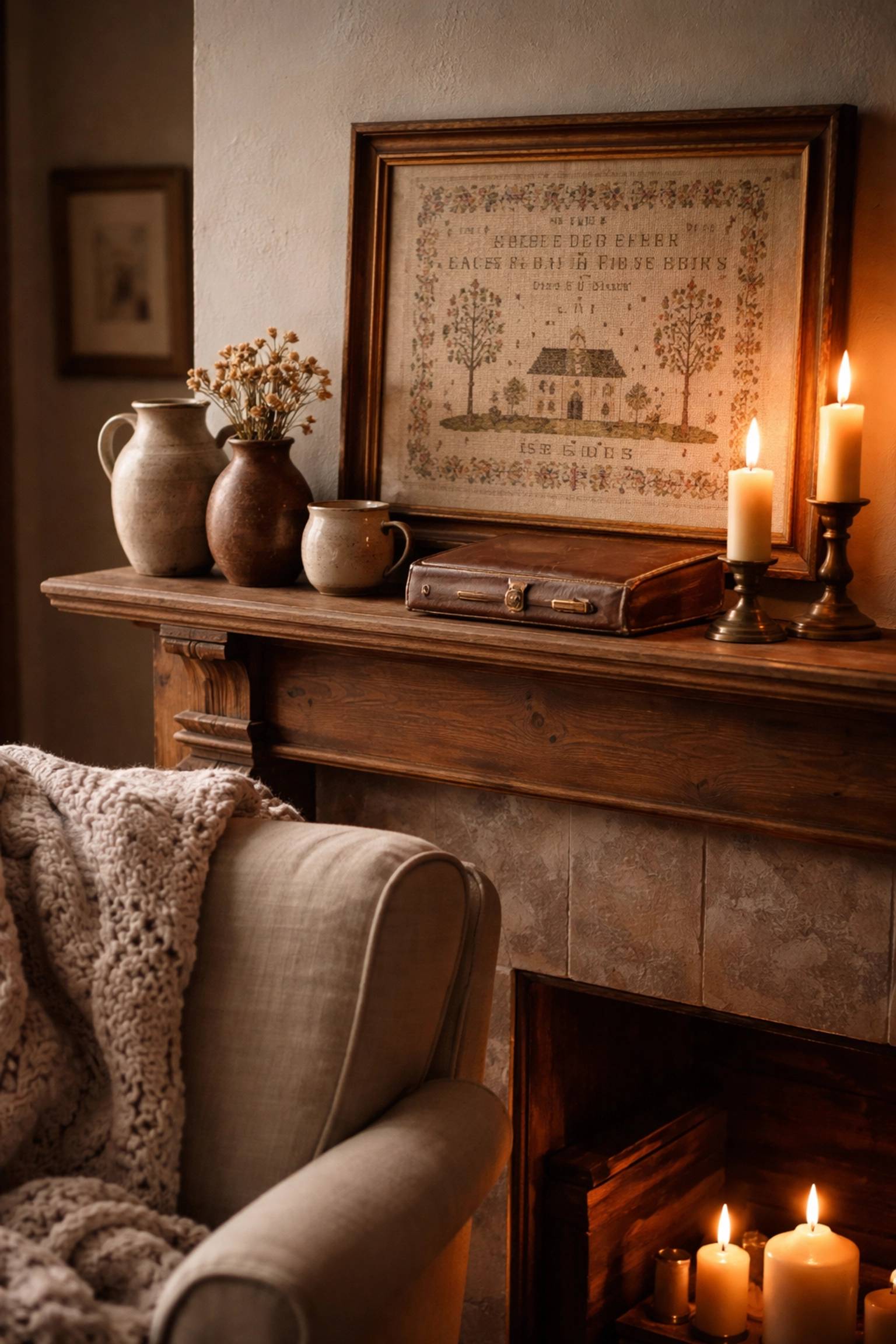
The craftsmanship evident in handcrafted items ensures durability that fast decor cannot approximate. Artisans who create heirloom-quality pieces select materials specifically for their longevity and employ techniques refined over generations of practice. The result is objects that maintain their beauty and functionality across decades of use.
This longevity represents not only practical value but also economic wisdom. While the initial investment in a handcrafted, heirloom-quality piece may exceed that of a mass-produced alternative, the cost-per-year of ownership decreases dramatically when items remain functional and beautiful for generations rather than seasons.
Making the Transition to Intentional Purchasing
Practical Considerations for Selecting Future Heirlooms
Those wishing to incorporate future heirlooms into their lives and homes should consider several factors when making purchasing decisions. First, evaluate the craftsmanship and materials employed in any potential acquisition; items constructed from durable materials by skilled artisans offer the greatest likelihood of longevity. Second, consider the personal narrative associated with the piece, does it commemorate a meaningful occasion or reflect values you wish to transmit to future generations?
At Copper & Hazel Boutique, we curate handcrafted pieces specifically selected for their heirloom potential, ensuring that each item in our collection meets rigorous standards for craftsmanship, materials, and design longevity.
Integrating Heirloom Pieces into Contemporary Spaces
Future heirlooms need not appear anachronistic within modern interiors. The key to successful integration lies in selecting pieces that possess timeless rather than trendy aesthetic qualities. Handcrafted items often feature organic forms, natural materials, and classic proportions that complement rather than clash with contemporary design sensibilities.
Conclusion: The Enduring Relevance of Future Heirlooms
The question posed in this article's title, does buying future heirlooms really matter in 2026?, admits of only one reasonable answer. In an era characterized by environmental consciousness, renewed appreciation for craftsmanship, and growing recognition of the emotional poverty inherent in disposable consumer culture, future heirlooms matter profoundly.
Handcrafted gifts beat fast decor not merely in terms of quality or sustainability, though these advantages are substantial, but in their capacity to create meaning, preserve memory, and connect generations through tangible objects imbued with intention and care.
🔖 Tags: future heirlooms, handcrafted gifts, sustainable decor, artisan home goods, intentional living, heirloom quality, 2026 trends
Leave a Comment
We would appreciate hearing your thoughts on future heirlooms and handcrafted gifts. Please share your experiences in the comments section below.
Name (required)
Email (required, will not be published)
Comment