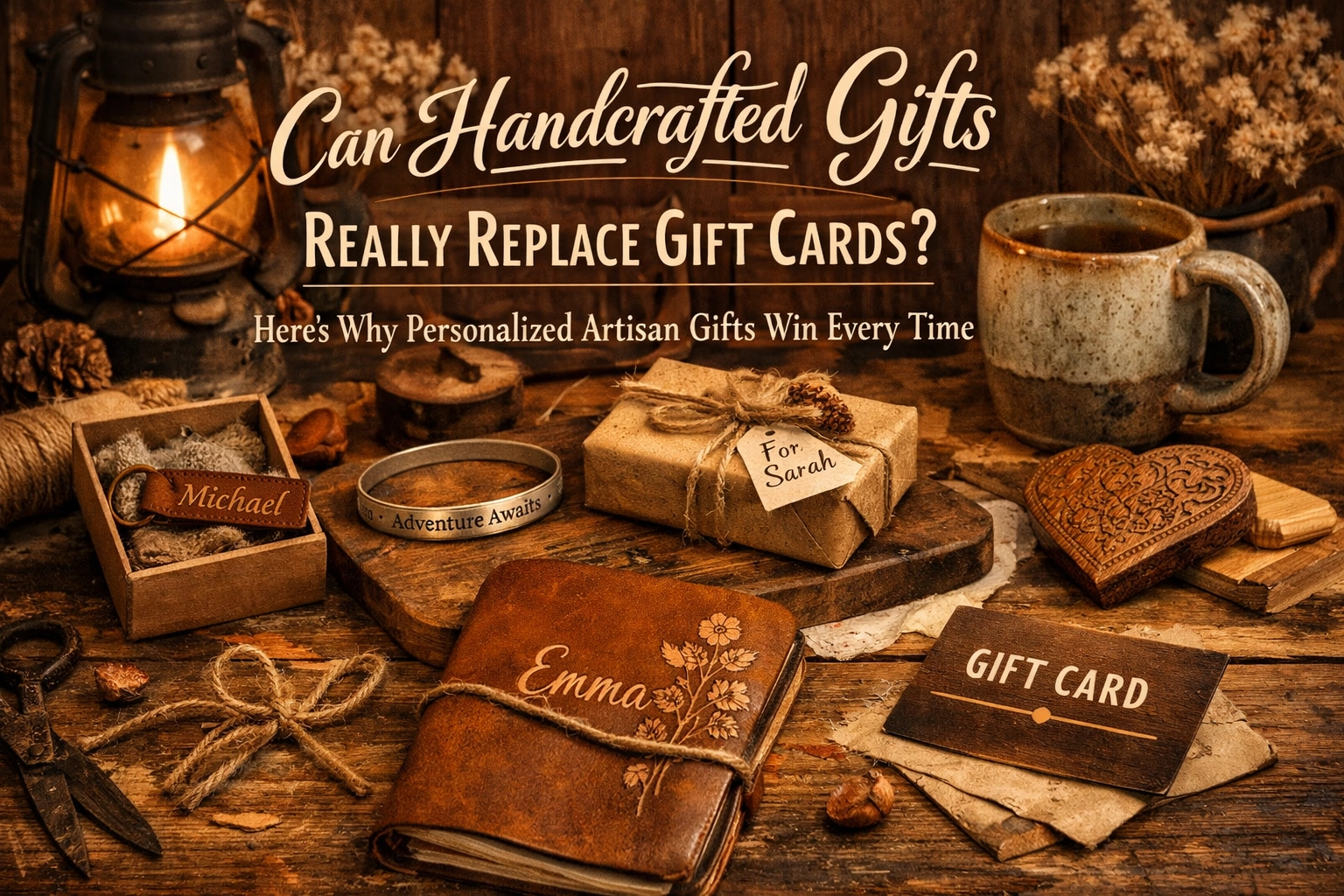

The gift card has become the default solution for those moments when you're uncertain what to purchase, pressed for time, or simply overwhelmed by choices. While these plastic rectangles of predetermined value offer convenience and practical utility, they frequently lack the emotional resonance that transforms a simple exchange into a memorable experience. The question that deserves serious consideration is whether handcrafted, artisan-made gifts can meaningfully replace or complement gift cards in contemporary gift-giving contexts: and the research-backed answer suggests that personalized, handmade items create substantially stronger emotional connections, though the optimal choice depends significantly on the specific recipient and situational variables.
The Psychological Foundation: Understanding the Handmade Effect
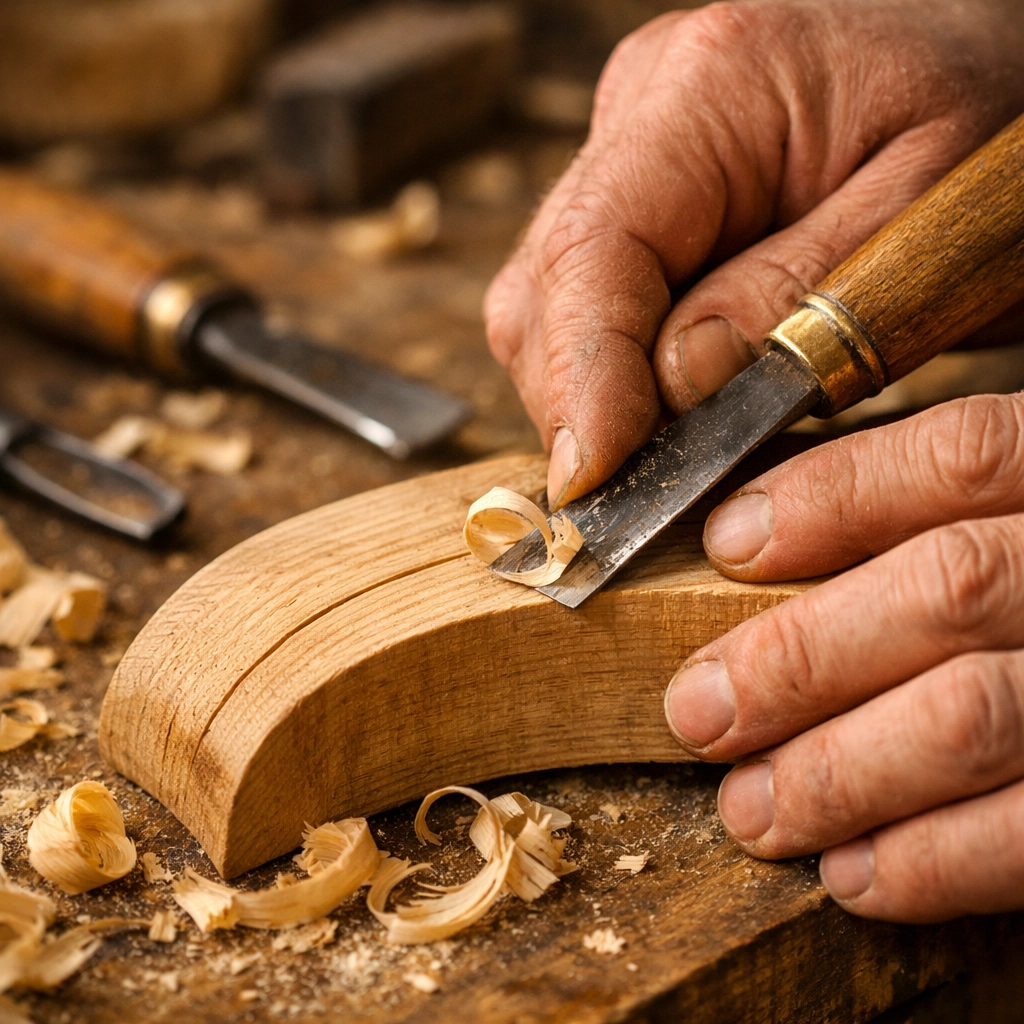
Academic research in consumer psychology has identified what scholars term the "handmade effect," which refers to the measurable phenomenon whereby recipients attribute higher value: both emotional and monetary: to items they perceive as handcrafted rather than mass-produced. According to marketing studies, when gift recipients recognize visible effort and authentic craftsmanship in a handmade object (such as hand-sanded wood grain, subtle tool marks, or an artisan's signature), they evaluate the item as more attractive and infer that the maker invested considerable care, attention, and emotional investment in its creation. Perhaps most surprisingly, consumers demonstrate willingness to pay approximately seventeen percent more for handmade items compared to machine-manufactured alternatives of equivalent functional quality.
This premium valuation stems from what behavioral economists identify as effort signaling: the concept that visible labor communicates dedication and thoughtfulness in ways that automated production cannot replicate. When someone receives a handcrafted wall hanging or artisan home decor piece, they're not merely evaluating an object based on its aesthetic or functional properties; rather, they're recognizing and appreciating the story embedded within the item, the time investment required for its creation, and the deliberate choice to select something uniquely suited to their tastes and preferences.
Emotional Resonance and the Creation of Lasting Memories
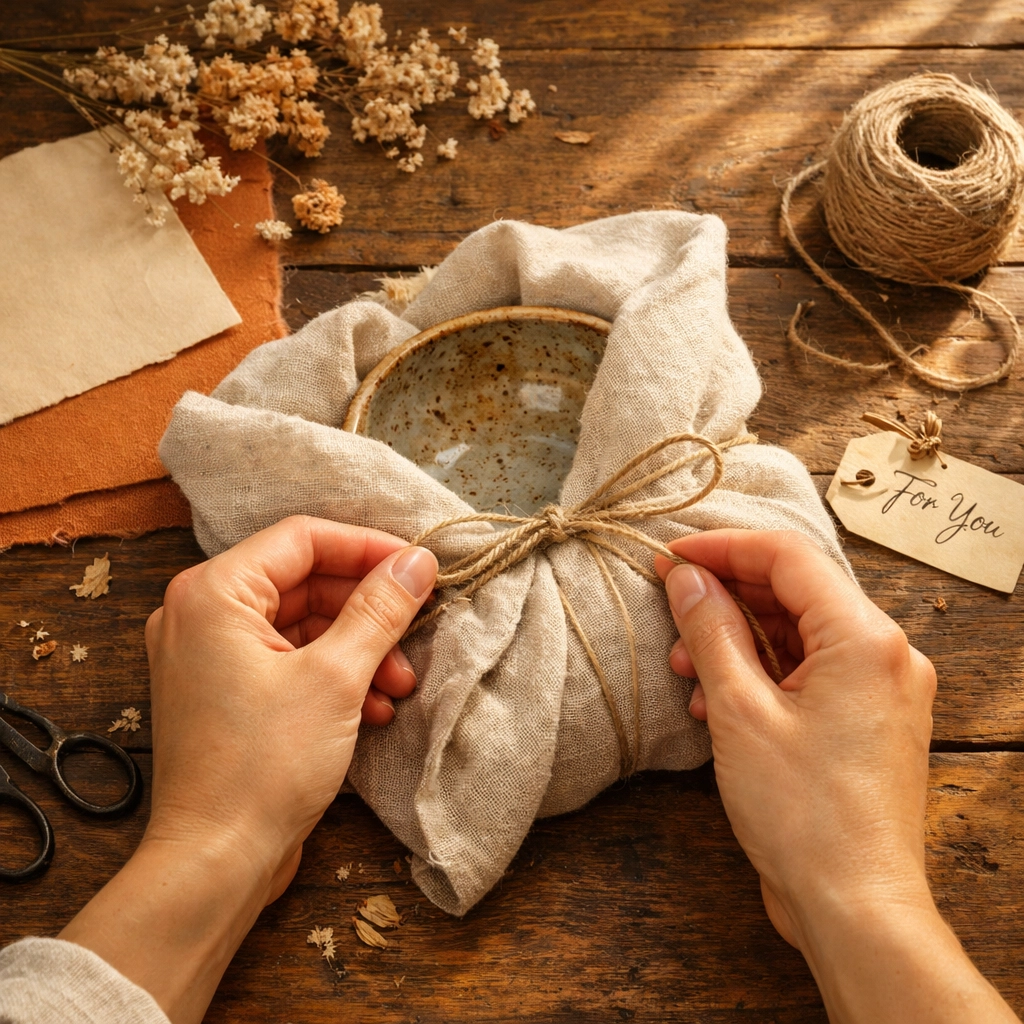
The distinction between handcrafted gifts and gift cards becomes most apparent when examining their respective capacities for creating emotional resonance and lasting memories. Handmade items frequently transcend their functional purposes to become keepsakes: objects imbued with narrative significance that recipients retain for years or even decades. These items carry multiple layers of meaning: who created or selected them, the reasoning behind the choice, what specific elements inspired the design, and what the gift represents within the context of the relationship between giver and recipient.
This narrative dimension adds substantial emotional weight that gift cards, by their very nature as financial instruments, cannot replicate (regardless of the monetary value they represent). When gift recipients recall handcrafted presents years after receiving them, they often remember not just the object itself but the entire constellation of meanings, emotions, and contexts surrounding its presentation. A carefully selected artisan tin sign or handcrafted decorative piece becomes a tangible reminder of a specific moment, person, and expression of care: something that a depleted gift card balance cannot achieve once the original purchase has been made and forgotten.
The visible care embedded in handcrafted items creates what psychologists refer to as the IKEA Effect: the tendency for people to place disproportionately high value on objects they perceive as requiring effort, whether that effort was their own or someone else's. When recipients observe the evidence of careful craftsmanship, they implicitly understand that someone invested significant time and attention in creating or selecting something specifically for them, which substantially deepens the emotional impact of the gift-giving gesture.
The Personalization Advantage: Demonstrating Genuine Understanding
One of the most compelling arguments in favor of handcrafted gifts over generic gift cards lies in the realm of personalization and customization possibilities. When selecting or commissioning a handmade item, gift-givers exercise complete control over numerous variables: color schemes, dimensions, design elements, materials, and stylistic choices: offering virtually unlimited opportunities for tailoring the gift to the recipient's specific aesthetic preferences, practical needs, and personal style. This level of customization stands in stark contrast to gift cards, which offer predetermined monetary value but little opportunity for expressing knowledge of the recipient's unique tastes and interests.
The act of selecting a carefully personalized handcrafted gift demonstrates attentive listening and genuine understanding of the recipient as an individual person rather than a generic consumer. When someone receives a handwoven basket in their favorite color palette or a decorative piece that reflects their specific interior design aesthetic, they recognize that the giver invested cognitive effort in understanding their preferences, remembering previous conversations, and making deliberate choices aligned with that understanding. This recognition of being truly seen and known by another person creates emotional connections that far exceed the practical utility of a gift card's monetary value.
Furthermore, handcrafted items from sources like Copper & Hazel Boutique allow gift-givers to support independent artisans and small businesses, adding an additional layer of meaning to the gift: the knowledge that the purchase contributes to sustaining traditional craftsmanship and supporting individual makers rather than impersonal corporate entities.
Acknowledging Contexts Where Gift Cards Retain Practical Value
Despite the substantial advantages of handcrafted gifts in creating emotional resonance and demonstrating personalization, intellectual honesty requires acknowledging that gift cards maintain legitimate utility in certain specific contexts and situations. When purchasing high-utility, high-specification items where exact technical requirements matter significantly (such as specialized equipment, specific technology products, or items where precise sizing is critical), the flexibility of a gift card may prove more practical than risking an incorrect handcrafted selection.
Additionally, practical constraints including severe time limitations or the gift-giver's lack of familiarity with the recipient's specific tastes can make gift cards a more feasible option than attempting to select an inappropriate handcrafted item. In professional contexts or situations with complex social dynamics where maintaining appropriate boundaries is important, gift cards can provide a respectful distance while still acknowledging occasions requiring recognition.
The key distinction lies not in declaring either option universally superior, but rather in recognizing that the most appropriate choice depends on careful consideration of the specific relationship dynamics, the occasion's significance, the recipient's personality and preferences, and the practical constraints affecting the gift-giving situation.
Implementing a Balanced, Thoughtful Approach to Gift Selection
Rather than viewing handcrafted gifts and gift cards as mutually exclusive options requiring an either-or choice, gift-givers can employ strategic combination approaches that capture advantages from both categories. One particularly effective strategy involves pairing a gift card with a smaller handmade element: such as presenting a restaurant gift card alongside a handcrafted decorative item for their kitchen, or accompanying a retail gift card with a handwritten note explaining the specific reasoning behind your selection and what you hope they'll discover or purchase.
This hybrid approach addresses the practical utility that gift cards provide while simultaneously incorporating the emotional resonance, visible effort, and personal thoughtfulness that handcrafted elements contribute to the gift-giving experience. The handmade component transforms the entire package from a purely transactional exchange into a more meaningful gesture that recipients remember and appreciate long after the gift card balance has been depleted.

When selecting handcrafted gifts, consider items that align with the recipient's existing interests, home aesthetic, or expressed needs. Observe what colors dominate their living spaces, what themes appear in their conversations, and what functional needs they've mentioned in passing. These observational details provide valuable guidance for selecting handcrafted pieces that will integrate seamlessly into their lives rather than becoming unwanted clutter.
The Fundamental Principle Underlying Meaningful Gift-Giving
Ultimately, the most meaningful gifts: whether handcrafted artisan pieces, carefully selected mass-produced items, or thoughtfully presented gift cards: share a common foundational element: they reflect genuine thoughtfulness and sincere care for the recipient as an individual person. The physical form the gift takes matters less than the attention, consideration, and love guiding its selection and presentation.
However, when circumstances permit the investment of time and effort required to select or commission a truly personalized handcrafted gift, the evidence strongly suggests that artisan-made items create substantially deeper emotional connections, generate more lasting memories, and more effectively communicate genuine understanding and care compared to the convenience-focused practicality of gift cards. The visible evidence of craftsmanship, the narrative embedded in handmade objects, and the personalization possibilities inherent in artisan goods combine to create gift-giving experiences that recipients treasure for years beyond the initial exchange.
For those seeking to move beyond the default convenience of gift cards and create more memorable, emotionally resonant gift-giving experiences, exploring the curated collection of handcrafted items offers an excellent starting point for discovering unique pieces that transform ordinary exchanges into extraordinary expressions of care and thoughtfulness.
🔖 Tags: handcrafted gifts, artisan gifts, gift cards, personalized gifts, gift giving, handmade presents, thoughtful gifts, gift ideas
Leave a Reply
Your email address will not be published. Required fields are marked *
Comment *
Name *
Email *
Website