
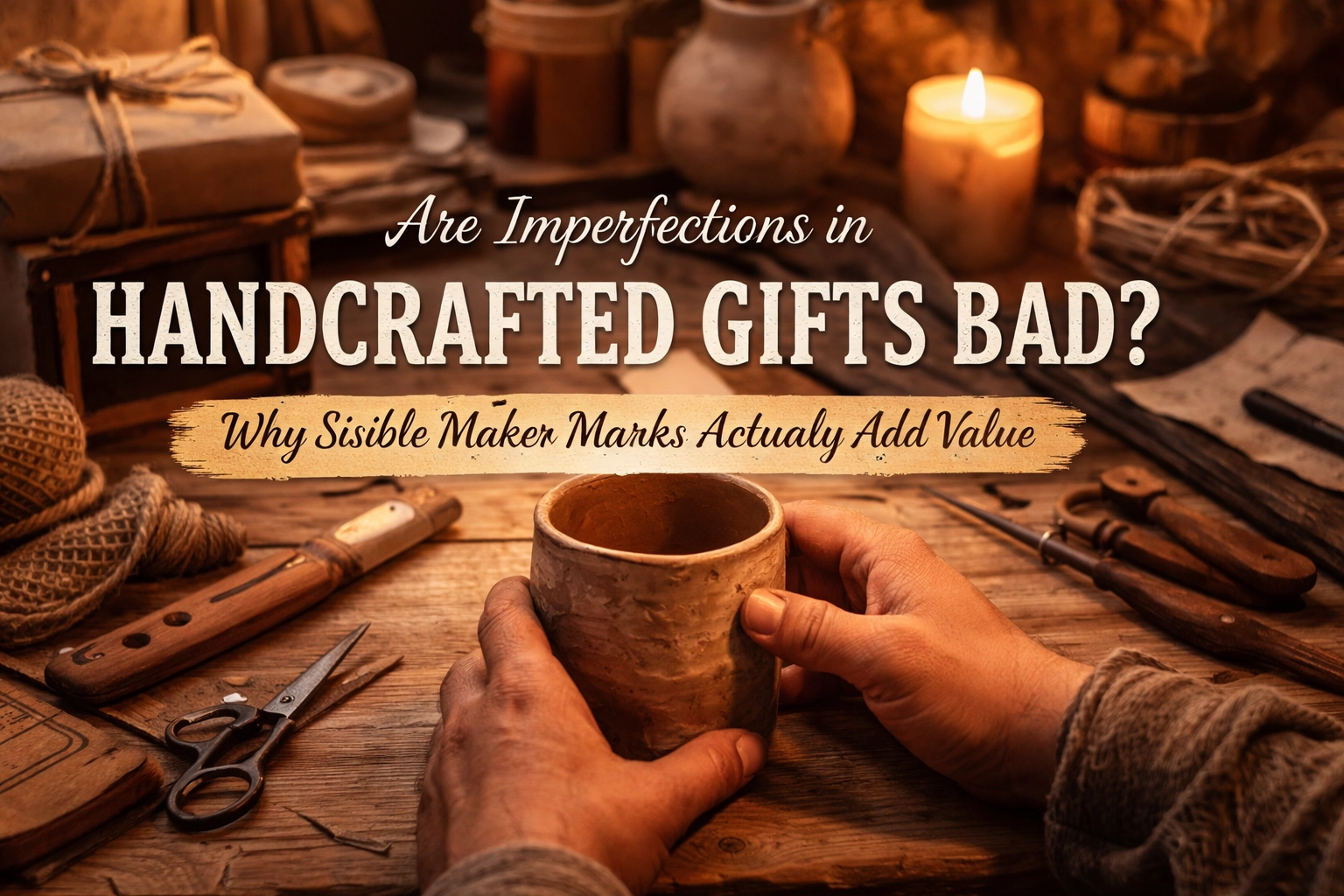

In an era dominated by mass production and machine-made precision, the question of whether imperfections in handcrafted gifts diminish their value is one that deserves careful examination. The short answer, perhaps surprisingly to some, is a resounding no. Those slight variations, subtle asymmetries, and visible maker marks that distinguish handmade items from their factory-produced counterparts are not flaws to be hidden or apologized for: they are, in fact, celebrated hallmarks of authenticity that contribute meaningfully to the intrinsic and emotional value of each piece.
This comprehensive exploration will examine the nature of these so-called imperfections, explain why they serve as markers of genuine craftsmanship, and ultimately demonstrate why these characteristics make handcrafted gifts far more valuable than their machine-perfect alternatives.
Understanding the Nature of Maker Marks and Variations
Before delving into the value proposition of handcrafted imperfections, it is essential to establish precisely what constitutes a "maker mark" or variation in the context of artisan goods. These characteristics manifest in numerous forms: a slight asymmetry in a hand-thrown ceramic bowl, the unique brushstroke pattern on a painted wooden sign, the distinctive texture variations in hand-woven textiles, or the subtle color gradations in hand-dyed fabrics.
These variations emerge naturally from the human creative process. When an artisan shapes clay on a wheel, molds metal by hand, or weaves fibers through a loom, the resulting piece carries what might be described as the invisible signature of its creator. Each authentic handmade product displays these markers: a slight asymmetry here, a distinctive accent there: that collectively distinguish it from items manufactured through industrial processes.
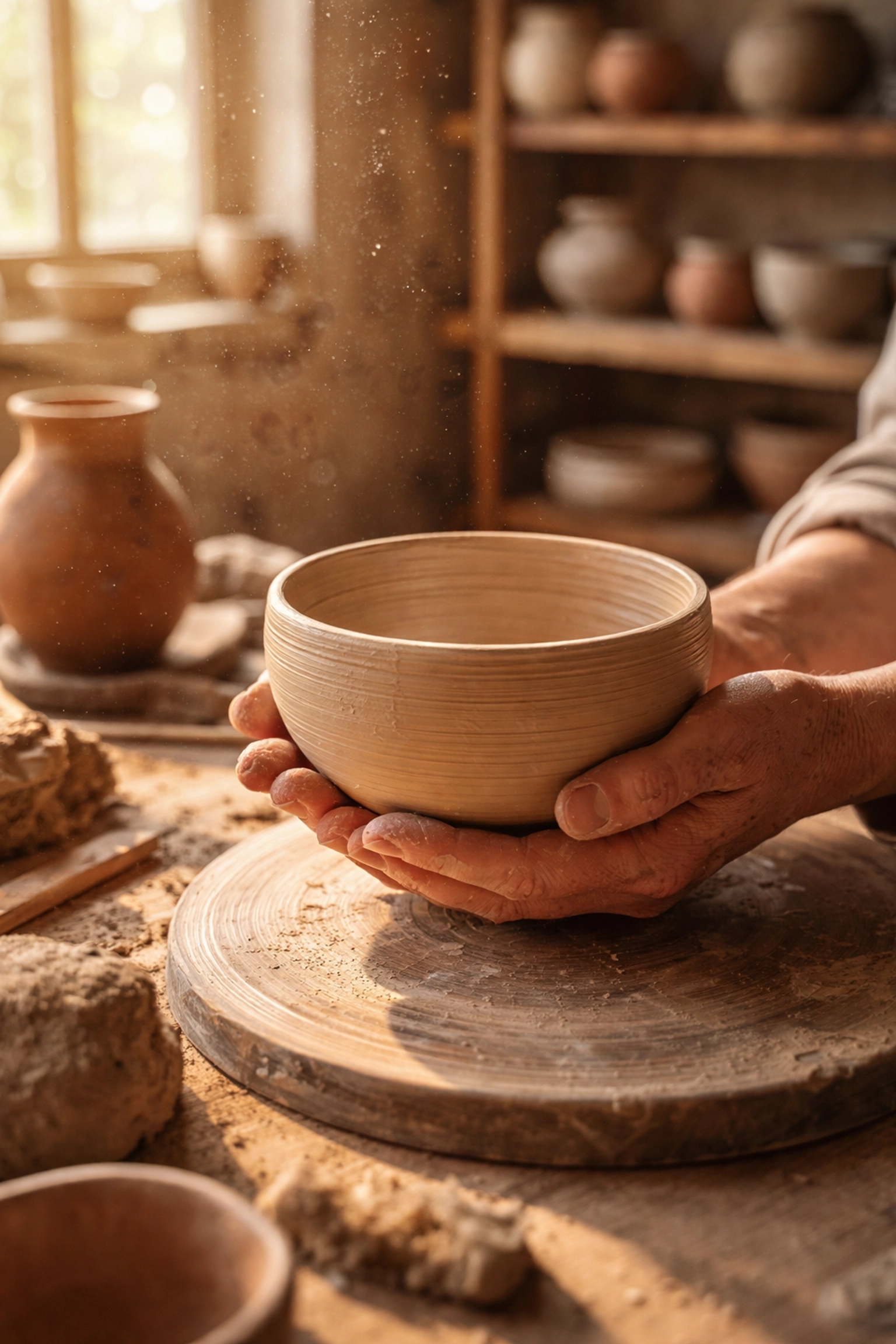
It is crucial to understand that these variations are not manufacturing errors or quality control failures. Rather, they represent the intentional (or beautifully unintentional) byproducts of human creation. Genuine handmade gifts typically exhibit these natural variations precisely because they were crafted by human hands rather than programmed machinery.
The Authenticity Factor: How Imperfections Guarantee Uniqueness
One of the most compelling arguments for the value of visible maker marks lies in their role as guarantors of authenticity and uniqueness. In a marketplace flooded with mass-produced items that roll off assembly lines by the thousands, the ability to possess something truly one-of-a-kind becomes increasingly precious.
Each slight difference in color, each minuscule variation in form, adds to the item's individuality and, by extension, its pricelessness. When you gift someone a handcrafted item from Copper & Hazel Boutique, you are presenting them with a piece that will forever remain singular: no factory duplicate exists, no identical copy sits on a warehouse shelf waiting to be shipped.
This authenticity serves multiple functions:
- Verification of Origin: Maker marks help distinguish genuinely handcrafted items from mass-produced goods masquerading as artisan work
- Guarantee of Uniqueness: The recipient knows their gift is not one of ten thousand identical units
- Connection to Craft Tradition: These variations link modern handmade goods to centuries of artisan tradition
"The tiny imperfections make it real, make it alive," as one collector of handmade goods eloquently expressed. This sentiment captures the essential truth that human-made variations breathe life into objects in ways that machine precision simply cannot replicate.
The Emotional Resonance of Human Touch
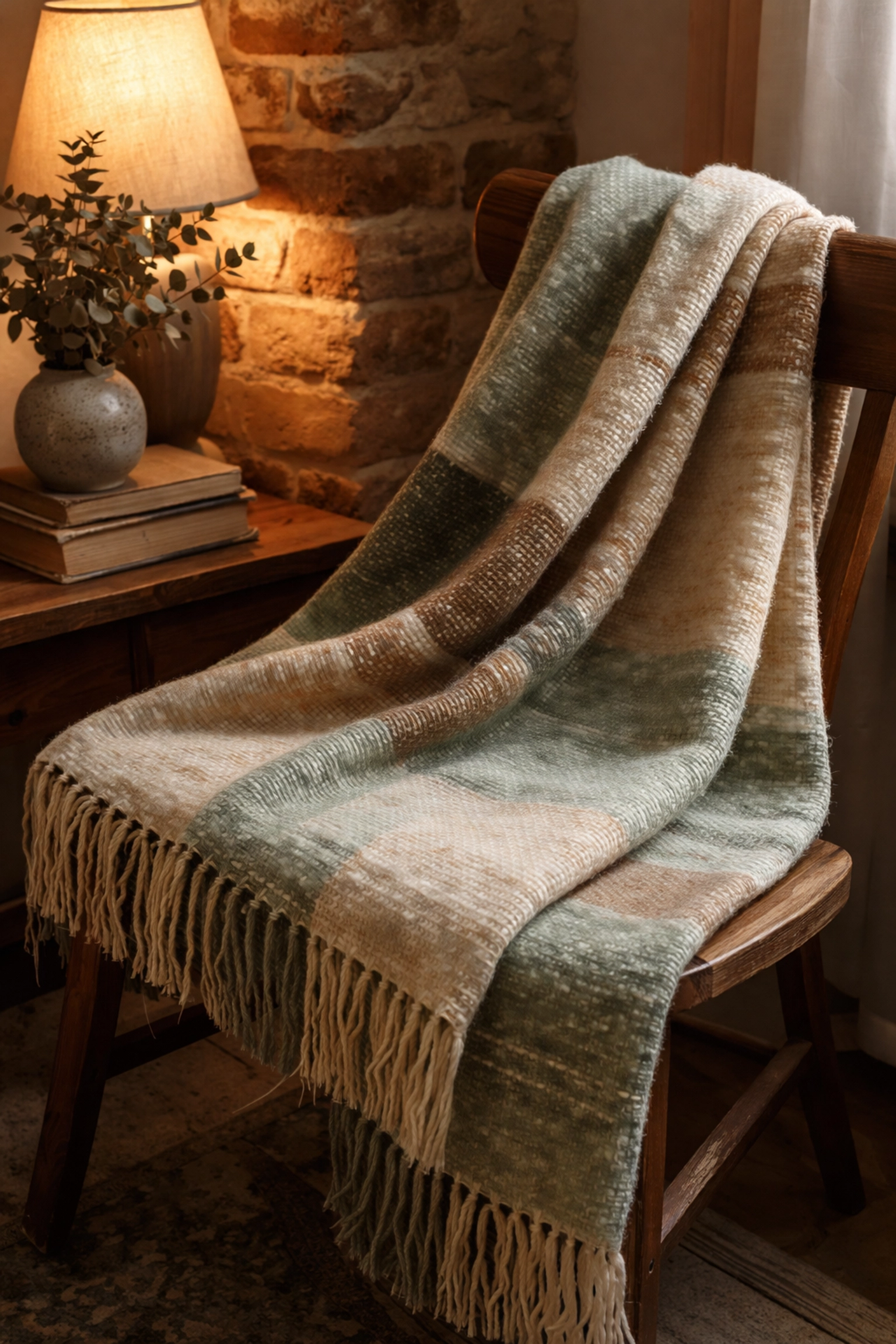
Beyond the intellectual appreciation of authenticity, visible maker marks create a profound emotional resonance that elevates handcrafted gifts above their mass-produced counterparts. When we hold a handmade item and observe the subtle evidence of human creation, we connect not merely with an object but with the person who made it.
This emotional dimension operates on several levels. First, there is the recognition of time invested: each variation represents hours of dedicated labor, careful attention, and practiced skill. Unlike factory items produced in seconds by automated machinery, handcrafted pieces carry the weight of the maker's time and attention within their very structure.
Second, these imperfections communicate intentionality and care. An artisan who allows natural variations to remain in their work demonstrates confidence in their craft and respect for the authentic nature of handmade goods. This deliberate embrace of human imperfection speaks to a philosophy of creation that values character over sterile uniformity.
Third, and perhaps most significantly, the presence of maker marks creates an invisible thread connecting the gift-giver, the artisan, and the recipient. When you explore our collection of handcrafted gifts, you are not simply purchasing an object: you are participating in a chain of human connection that machine-made goods cannot provide.
Craftsmanship Quality: Why Variations Indicate Superior Work
A common misconception suggests that perfection equals quality. In the realm of handcrafted goods, however, this equation proves fundamentally flawed. The presence of maker marks and subtle variations often indicates superior craftsmanship rather than inferior quality.
Consider the economics and logistics of production. Mass-manufactured items achieve their uniformity through industrial processes that prioritize speed, efficiency, and cost reduction. Quality control in these settings focuses on eliminating variation: a goal that, while producing consistent products, simultaneously strips away any evidence of human involvement or artisanal skill.
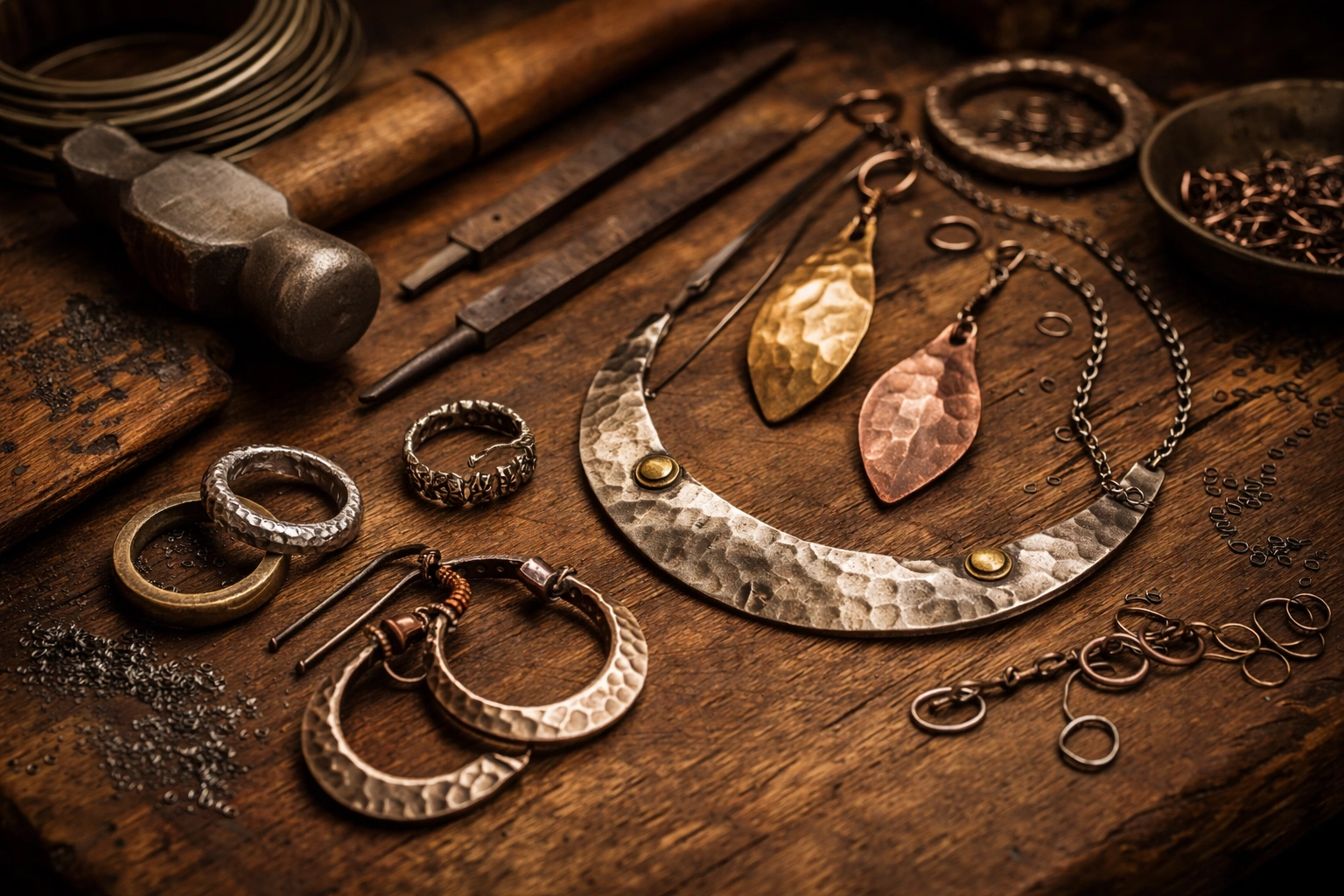
Handcrafted items, by contrast, emerge from processes that prioritize materials, technique, and aesthetic intention. Even slight imperfections are celebrated as part of the beauty of handmade craftsmanship because they demonstrate that an artisan invested considerable labor and skill rather than relying on industrial assembly lines.
This distinction becomes particularly evident when examining the durability and character of handmade goods over time. Machine-made items, despite their initial perfection, often reveal their true nature through wear: plastic fades uniformly, machine-stamped patterns become boring through repetition, and the absence of character becomes increasingly apparent. Handcrafted items, however, tend to age gracefully, their natural variations becoming more pronounced and beautiful as they develop patina and history.
The Japanese Philosophy of Wabi-Sabi
The appreciation of imperfection in handcrafted goods finds its most articulate philosophical expression in the Japanese aesthetic concept of wabi-sabi. This traditional worldview, developed over centuries, centers on the acceptance and appreciation of transience and imperfection. Within the wabi-sabi framework, beauty emerges not from perfection but from authenticity, simplicity, and the natural characteristics of materials and processes.
"Nothing lasts, nothing is finished, and nothing is perfect," encapsulates the wabi-sabi philosophy. - Ancient Japanese Proverb
This perspective offers a valuable lens through which to view handcrafted gifts and their visible maker marks. Rather than viewing asymmetries or variations as defects requiring correction, the wabi-sabi approach recognizes these characteristics as essential components of an object's beauty and meaning. A hand-thrown teacup with a slightly irregular rim becomes more valuable, not less, because its imperfection speaks to its handmade origins and unique existence.
Practical Considerations: Identifying and Appreciating Maker Marks
For those seeking to develop a deeper appreciation of handcrafted imperfections, several practical considerations prove useful. Learning to identify and appreciate maker marks enhances the experience of giving and receiving handmade gifts while simultaneously developing a more discerning eye for authenticity.
When examining handcrafted items, look for:
- Texture variations: Differences in surface smoothness that indicate hand-finishing
- Color inconsistencies: Subtle gradations that result from hand-dyeing or natural materials
- Structural uniqueness: Slight asymmetries in form that distinguish handmade from molded items
- Tool marks: Evidence of hand tools such as brushstrokes, chisel marks, or weaving patterns
These characteristics, once recognized and appreciated, transform the experience of handcrafted goods from simple ownership to genuine connoisseurship.
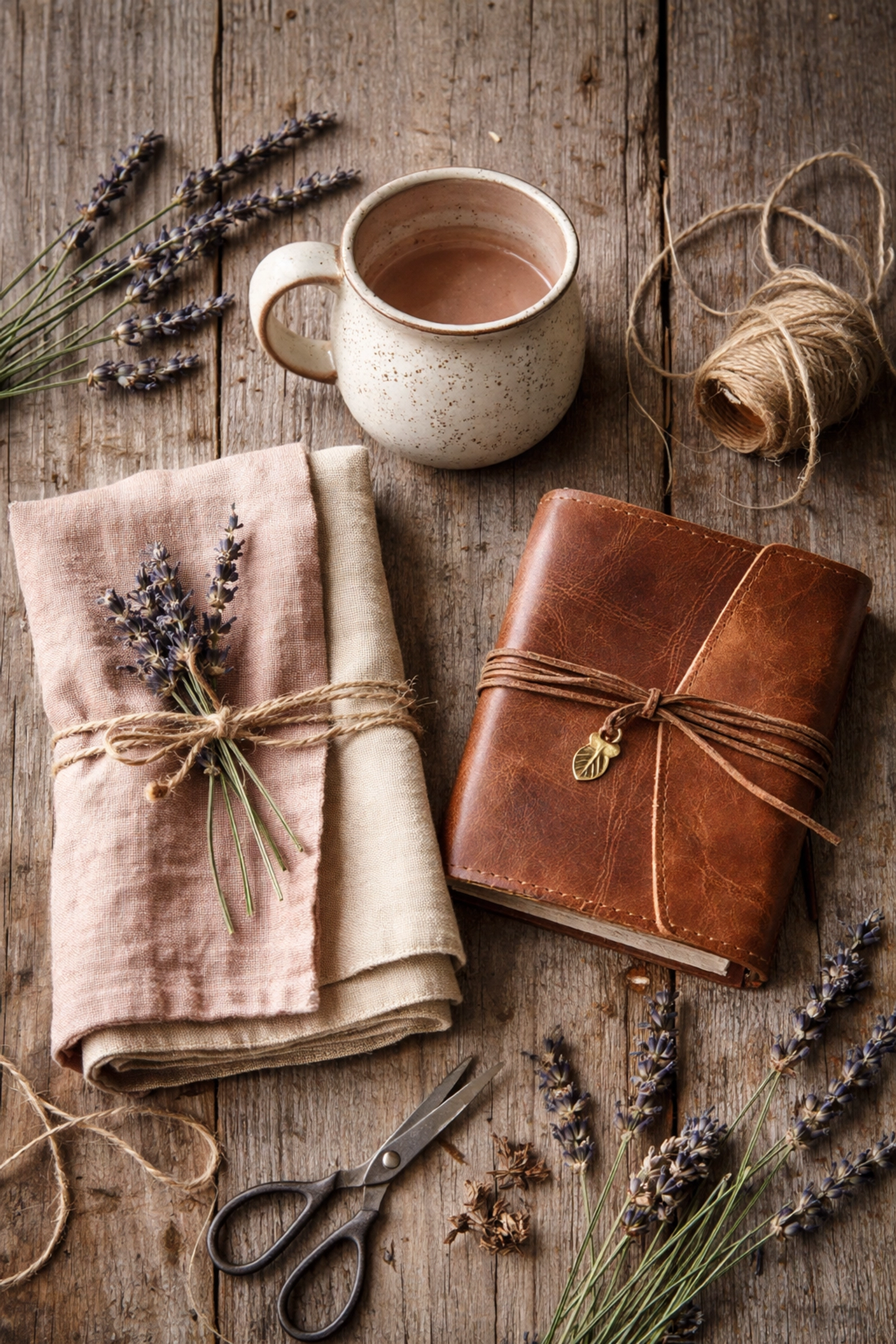
Conclusion: Embracing the Beauty of Human Creation
The question posed at the outset of this examination: whether imperfections in handcrafted gifts are bad: reveals itself to be based on a fundamental misunderstanding of value in handmade goods. Far from being defects or failures, visible maker marks and natural variations represent the very essence of what makes handcrafted items valuable, meaningful, and beautiful.
These characteristics serve as signatures of authenticity, guarantees of uniqueness, and evidence of the human connection that distinguishes artisan work from industrial production. They create emotional resonance, indicate superior craftsmanship, and align with philosophical traditions that recognize beauty in imperfection.
When you choose a handcrafted gift from our shop, you are choosing to embrace this philosophy: to value character over uniformity, authenticity over replication, and human connection over mechanical efficiency. In doing so, you give not merely an object but a piece of genuine human creation, complete with all the beautiful imperfections that make it truly one-of-a-kind.
🔖 Tags: handcrafted gifts, maker marks, artisan craftsmanship, wabi-sabi, handmade authenticity, unique gifts, imperfection beauty
Leave a Comment
Your email address will not be published. Required fields are marked *
Name *
Email *
Comment *