
The Resurgence of Linear Geometry in Contemporary Interior Architecture
In the contemporary landscape of interior design as we progress through the year 2026, a significant inquiry has emerged regarding the viability of traditional patterns: Are bold stripes dead? To provide a comprehensive answer, one must observe the shift from the horizontal and vertical planes of the walls to the often-neglected "fifth wall": the ceiling. The assertion that bold stripes have reached their expiration is, upon closer academic inspection, a misconception of the evolving design zeitgeist. Far from being obsolete, bold stripes are undergoing a formal transformation, re-emerging as a sophisticated architectural tool used to define space and provide structural form where minimalist neutrality has previously failed.
The transition toward utilizing stripes on the ceiling reflects a broader departure from the sterile, monochromatic aesthetics that dominated the early 2020s. Homeowners and designers are increasingly seeking "presence" and "real character" within their living environments. When a room lacks inherent architectural detail, or when plain surfaces prove insufficient for the desired atmospheric depth, a stripe provides the necessary structure and form. It is this specific ability to provide structure and form that makes the bold stripe a resilient element in the curator’s toolkit. By providing structure and form, the stripe ensures that a space does not collapse into visual insignificance.
The Phenomenological Impact of the Striped Ceiling
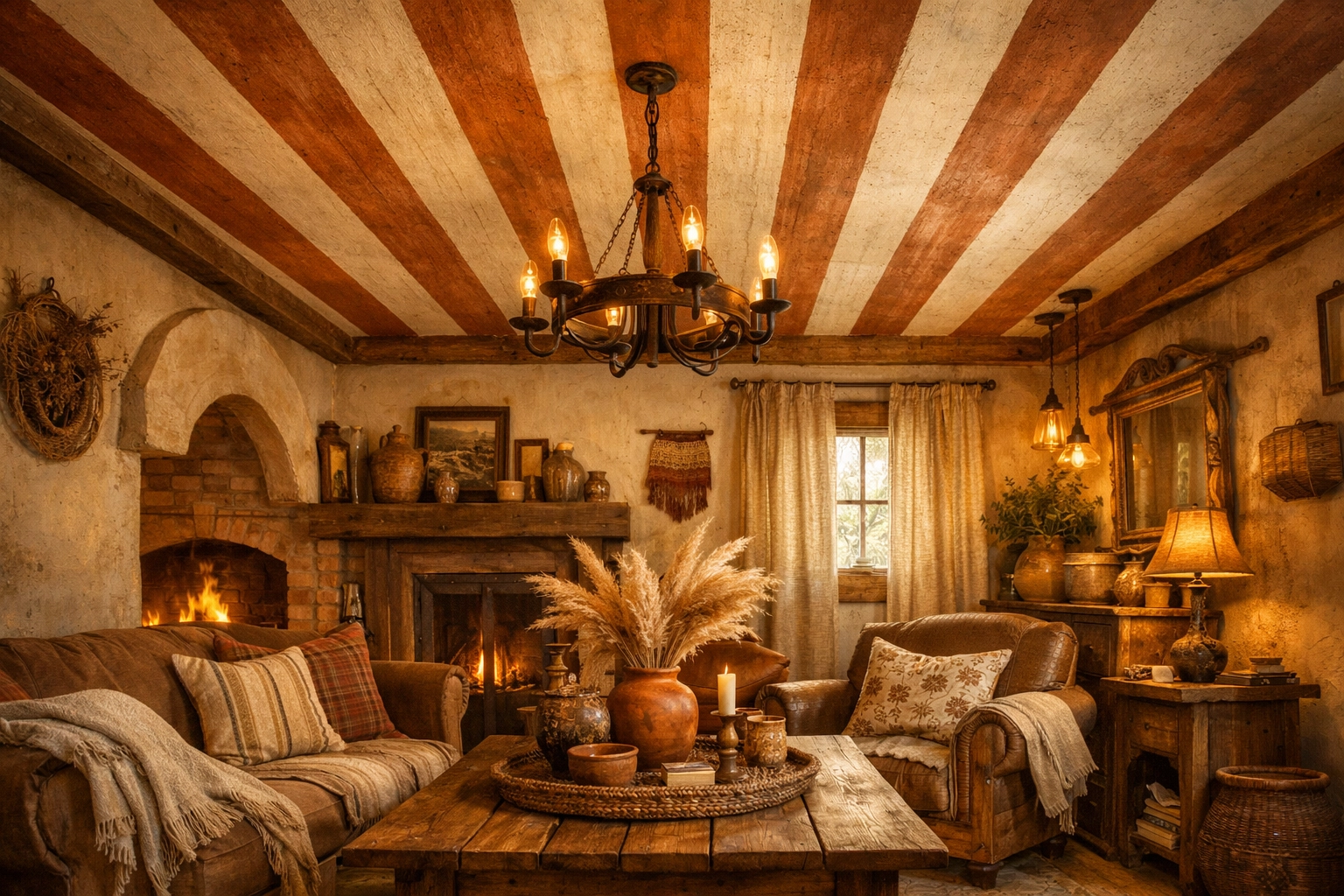
The application of linear patterns to the ceiling plane: often referred to as the "fifth wall": serves to fundamentally alter the inhabitant's perception of spatial volume. In an academic sense, the ceiling is a critical boundary of a room's interior envelope. When bold stripes are introduced to this boundary, they serve as architectural elements that provide structure and character. This character is not merely decorative; it is functional in its ability to manipulate the visual proportions of the environment. For instance, vertical stripes extending across a ceiling can create a profound sense of directional momentum, guiding the eye across the expanse of the room and effectively creating an illusion of expanded spatial dimensions.
Furthermore, the utilization of stripes on the ceiling addresses the fatigue associated with "beige minimalism." As design practitioners move toward more expressive interiors, the ceiling becomes a primary canvas for experimentation. By applying stripes to the ceiling, the designer creates a structured environment that rejects the blandness of modern homogeneity. The stripe provides structure and form, and by providing structure and form, it elevates the room from a mere container to a curated experience. This shift toward bold ceiling treatments is often complemented by the integration of artisan home decor, which serves to ground the high-contrast patterns with tactile, handcrafted materiality.
Integrating Artisan Home Decor with Bold Linear Motifs
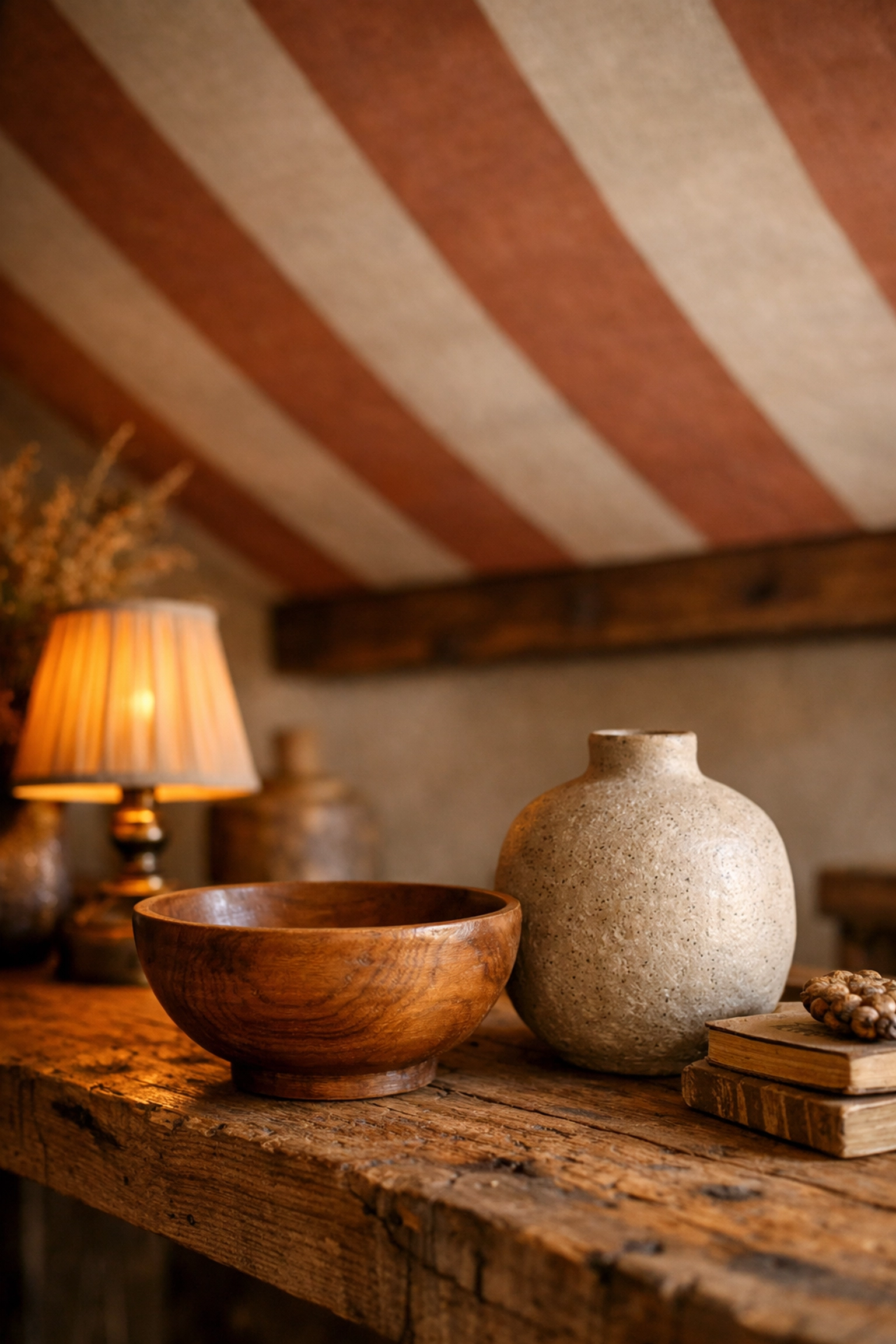
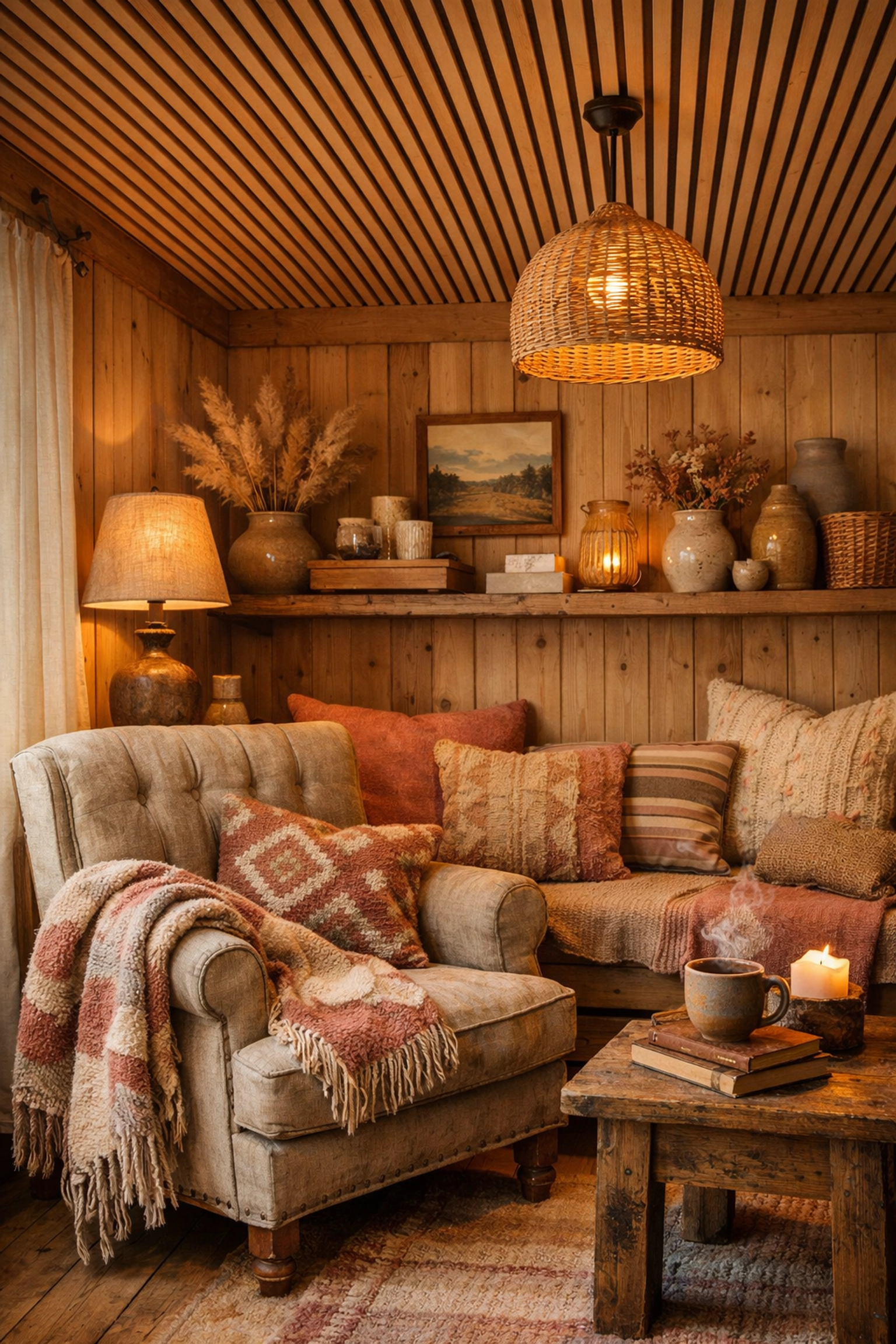
The successful implementation of a striped ceiling necessitates a balanced relationship between the overhead pattern and the items residing within the living space. This is where the importance of artisan home decor becomes paramount. Artisan home decor, by its very nature, possesses a unique material quality that mass-produced items lack. To achieve a harmonious interior, the bold, structured nature of the ceiling must be mirrored or offset by the organic textures found in handcrafted pieces. The juxtaposition of a mathematically precise striped ceiling with the irregular, soul-infused qualities of artisan home decor creates a dialogue between rigid structure and human expression.
When one considers the integration of artisan home decor, one must acknowledge how these pieces act as anchors. A room with a bold ceiling requires elements that can withstand the visual weight of the pattern above. Artisan home decor provides this necessary weight through its craftsmanship and authenticity. By incorporating artisan home decor into a space with a striped ceiling, the inhabitant ensures that the design remains grounded and intentional. The artisan home decor provides a counterpoint to the ceiling, ensuring that the structure and form provided by the stripes do not overwhelm the human element of the home.
The Technical Execution of the "Fifth Wall" Pattern
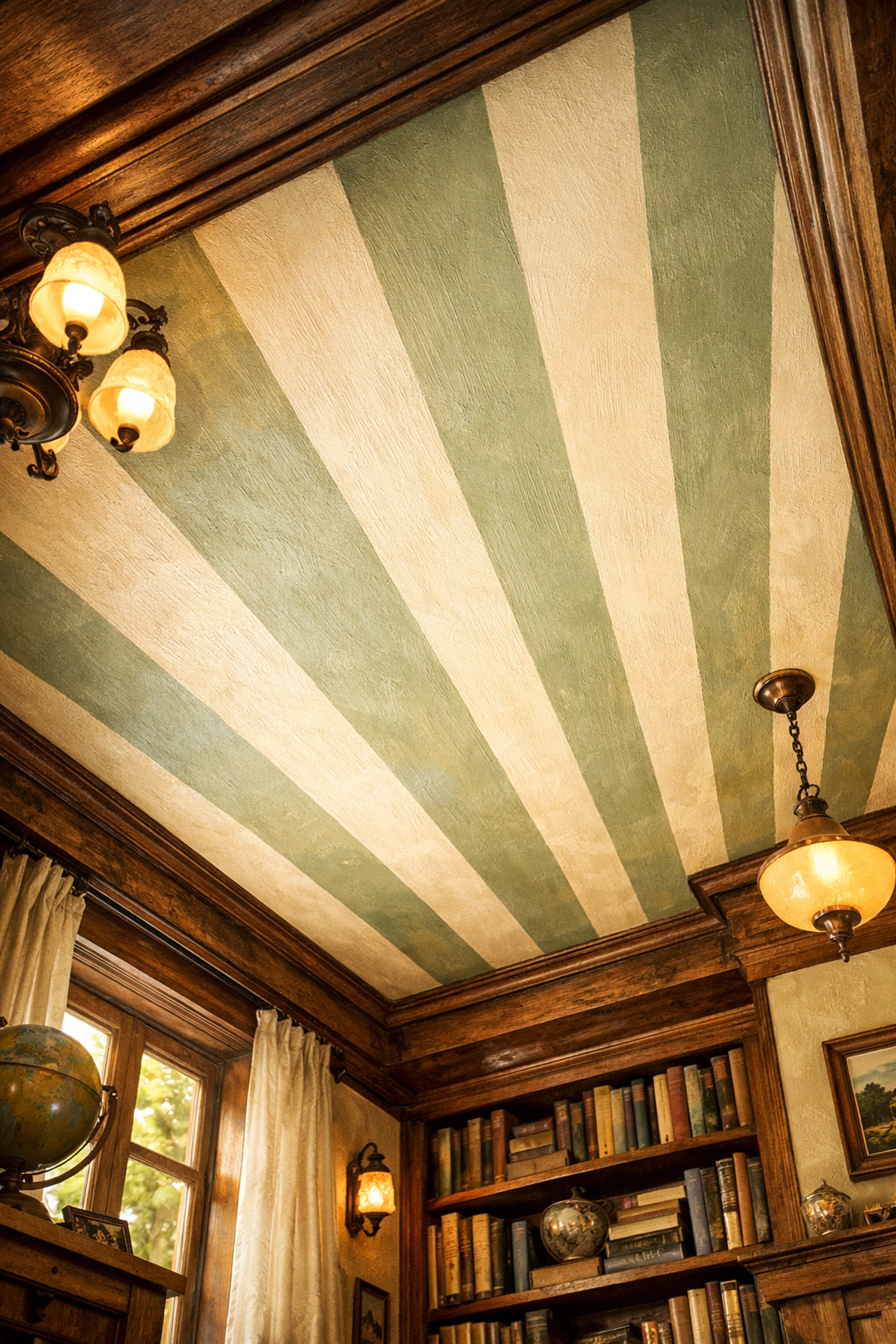
The process of adding stripes to a ceiling involves a rigorous understanding of geometry and material application. Whether through the application of specialized wallpapers, precision painting techniques, or wood cladding, the goal remains the same: to provide structure and form. Vertical stripes (those running parallel to the longest wall) can make a space feel more elongated, while horizontal stripes (those running perpendicular to the entrance) can make a narrow room feel wider. This optical reshaping of the room is a practical benefit of the stripe, reinforcing the idea that bold stripes are not dead, but rather, they are being utilized with greater technical proficiency.
In addition to paint and paper, designers are exploring dimensional elements such as paneling to create "textured stripes." These three-dimensional applications provide a physical manifestation of the structure and form that stripes inherently offer. When these physical structures are combined with the aesthetic of artisan home decor, the result is a multi-layered interior that prioritizes quality and deliberate choice. For example, a striped ceiling might be paired with a unique handcrafted gift or decor piece to establish a focal point that draws the eye from the ceiling down to the living level.
Theoretical Perspectives on Pattern and Structure
According to noted interior design authorities, such as Flora Soames, the stripe is the ultimate solution for spaces where a complex pattern is undesirable but a plain surface is inadequate. Soames posits that "a stripe gives structure and form" (Soames, 2024). This sentiment is echoed throughout the industry as we see a resurgence in traditional motifs used in non-traditional ways. The stripe is a fundamental unit of design; it is a line given purpose. By providing structure and form, the stripe acts as a stabilizing force within the interior architecture.
The concept of "structure and form" is a recurring theme in the study of bold stripes. If one accepts that a stripe provides structure and form, then one must also accept that the removal of the stripe would result in a loss of that specific structure and form. Therefore, the stripe remains a vital component of expressive design. In 2026, the application of this structure and form to the ceiling is the logical progression of this design philosophy. It allows for the inhabitant to experience the structure and form from an entirely new perspective, literally looking up to see the architectural intent of the room.
Curating the Space: Copper & Hazel’s Role in the Artisan Movement
At Copper & Hazel Boutique, the emphasis is placed on the value of handcrafted excellence. Our collection of artisan home decor is curated to complement the bold choices of the modern homeowner. As individuals move away from the sterile environments of the past decade and toward the structured, character-filled rooms of the future, the need for high-quality, artisan home decor becomes increasingly evident. Whether you are balancing a striped ceiling in your study or adding a pop of personality to a minimalist kitchen, the right handcrafted piece provides the finishing touch that mass-market products cannot replicate.
The artisan home decor found in our boutique serves as the perfect accompaniment to the structural integrity provided by bold ceiling stripes. By selecting artisan home decor, the homeowner is making a statement about the value of craftsmanship. This statement is reinforced by the presence of stripes on the ceiling, as both elements reflect a desire for a home that is curated, intentional, and full of presence. To explore our full range of products designed to enhance your curated home, visit our online shop.
Conclusion: The Enduring Relevance of the Bold Stripe
In conclusion, the question of whether bold stripes are dead can be answered with a definitive negative. Bold stripes are not dead; rather, they have been elevated to the ceiling to serve as a primary architectural feature in 2026 design trends. By providing structure and form, the stripe remains an essential tool for creating spaces with character and presence. When combined with the unique qualities of artisan home decor, bold stripes create a sophisticated and cohesive interior environment. The stripe provides structure and form, and as long as homeowners seek rooms with structural integrity and formal beauty, the bold stripe will continue to thrive on the "fifth wall" and beyond.
The movement toward expressive, textured, and structured interiors is a testament to the human desire for meaningful environments. By embracing bold patterns on the ceiling and supporting the artisan movement through the selection of artisan home decor, one can create a home that is both modern and timeless. We invite you to stay updated on our latest collections and design insights by visiting our upcoming shows page or contacting us directly through our contact page.
🔖Tags: #InteriorDesign #HomeDecor #ArtisanHomeDecor #2026Trends #CeilingDesign #BoldStripes #HandcraftedGifts #CopperAndHazel
Leave a Reply
Your email address will not be published. Required fields are marked *
**Comment *** [ ]
**Name *** [ ]
**Email *** [ ]
Website [ ]
[Post Comment]